When to Visit Asheville Calculator
Find Your Perfect Visit
Select what matters most to you, and we'll recommend the best time to visit Asheville based on your preferences.
Recommended Time Period
Select your preferences and click "Find My Perfect Visit" to see your recommended time.
What to Expect
Activities
Weather
Crowds
When people ask about the most beautiful hill station in the US, they’re not just looking for a place with elevation. They want somewhere that feels like a postcard come to life-where mist curls around pine trees, wooden porches creak in the breeze, and the air smells like damp earth and pine needles. It’s not about how high you are. It’s about how the place makes you feel.
Asheville, North Carolina: Where the Mountains Feel Alive
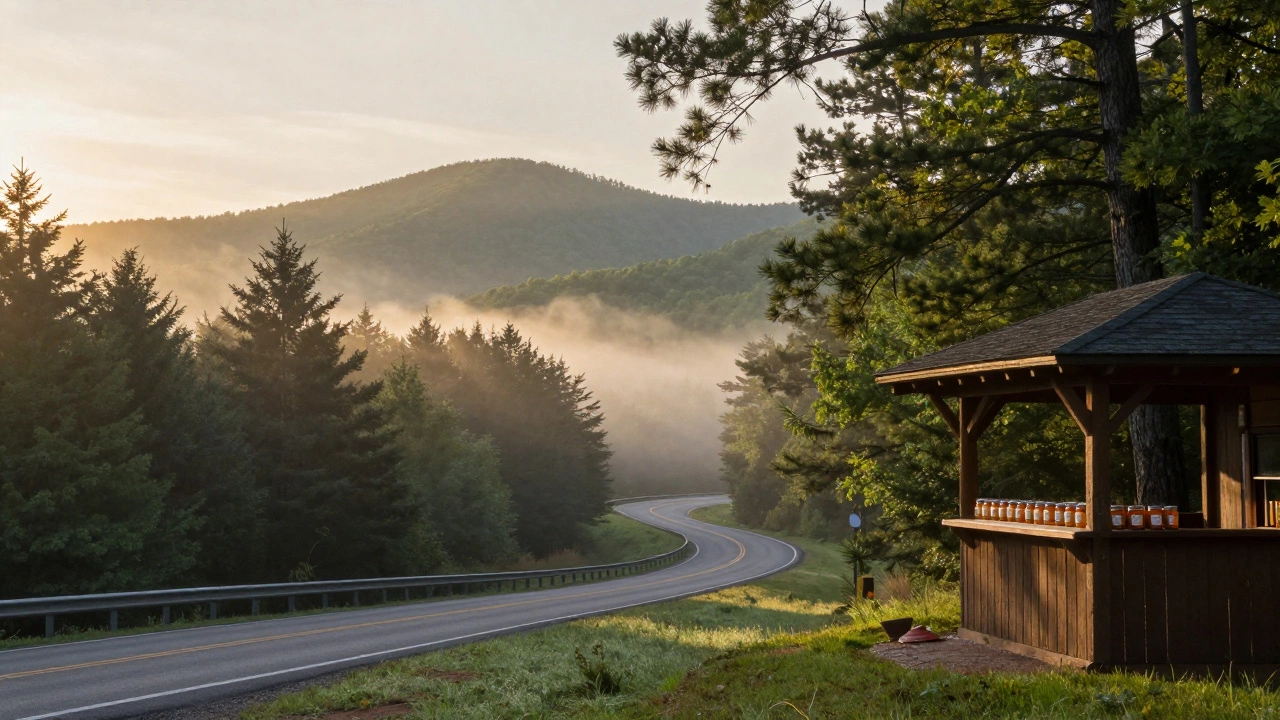
Asheville isn’t just a town. It’s a feeling. Nestled in the Blue Ridge Mountains at about 2,100 feet above sea level, it’s surrounded by peaks that roll like green waves into the horizon. The Biltmore Estate alone draws millions, but the real magic happens outside its gates. Drive the Blue Ridge Parkway at sunrise, and you’ll see fog clinging to ridges like silk. Stop at a roadside stand for fresh apple butter, and the woman behind the counter will tell you which trail has the best wild blackberry patches in late summer.
Asheville’s charm isn’t just natural. It’s human. Local artists sell hand-thrown pottery on Pack Square. Breweries like Wicked Weed and Burial Beer Co. turn hops into liquid art. At night, live bluegrass spills out of dimly lit bars. The city doesn’t feel curated. It feels lived-in-like the mountains themselves decided to grow a town around them.
Why Other Hill Stations Don’t Quite Compare
People name other places-Sedona, Santa Fe, Telluride. Each has its pull. Sedona’s red rocks glow like fire at sunset. Santa Fe’s adobe buildings glow with earth tones under desert sun. Telluride’s ski slopes are world-class. But none of them hold the same balance that Asheville does.
Sedona is remote. You need a car to get anywhere. Santa Fe is dry. The air is thin, and the winters bite. Telluride is expensive. A coffee there can cost $8, and parking? Forget it. Asheville? You can walk from your Airbnb to a brewery, then hike 20 minutes to a waterfall. It’s not perfect. It gets crowded in October. But it’s real. You don’t feel like a tourist here-you feel like you’ve slipped into a rhythm older than your phone.
The Hidden Details That Make Asheville Stand Out
Look closer, and you’ll see what most guidebooks miss. The stone walls along the Appalachian Trail near Craggy Gardens? Built by Civilian Conservation Corps workers in the 1930s. The ironwork on the balconies of the Grove Park Inn? Designed by a local blacksmith who never left Asheville. Even the street names tell stories-Buncombe Avenue, named after the county’s original name, before it was changed to honor a Revolutionary War officer.
And then there’s the weather. Asheville gets rain-about 47 inches a year. That’s more than Seattle. But here’s the trick: it doesn’t feel wet. The mountains absorb it. The mist rolls in, softens the edges of the hills, and then lifts by noon. You get clouds without the damp chill. You get green without the soggy boots.
What You’ll Actually Do There
- Take the Skyway Drive from Asheville to the summit of Mount Mitchell-the highest peak east of the Mississippi. The drive takes 45 minutes. The view? Worth every switchback.
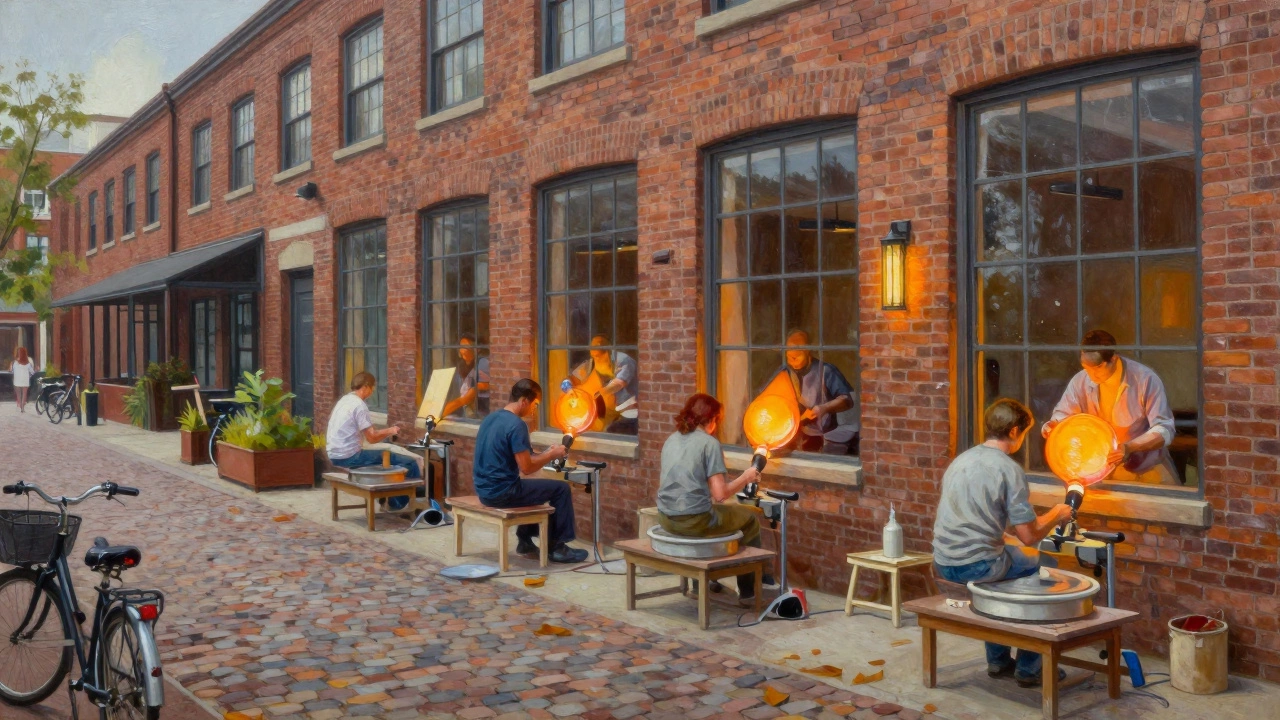
- Walk the River Arts District. Old factories turned into studios. Watch glassblowers spin molten color, painters layer textures, potters shape clay with calloused hands.
- Try a local dish: trout from the French Broad River, smoked over hickory, served with roasted ramps and wild mushrooms. You won’t find this in a chain restaurant.
- Visit the Pisgah National Forest. Hike to Sliding Rock-a natural waterslide carved into stone. Kids scream. Adults laugh. Everyone gets wet.
- Drive the Tail of the Dragon. 318 curves in 11 miles. Not for the faint of heart. But if you’ve ever wanted to feel what it’s like to dance with a mountain, this is it.
When to Go-and When to Avoid
Spring (April-May) is quiet. Wildflowers bloom. The air is cool. Summer (June-August) is busy. Crowds pour in from Atlanta and Charlotte. But the mountains stay cool-temperatures rarely climb past 80°F. Fall (September-October) is peak. The leaves turn crimson and gold. Hotels book up six months ahead. If you want solitude, go in November. The crowds are gone. The air is crisp. The mist hangs low. It’s quiet enough to hear your own breath.
Winter? It snows-but not much. Maybe an inch or two. The roads stay clear. The Biltmore Estate lights up with 5 million holiday lights. It’s magical. But if you’re looking for snow sports, head to the Smokies instead. Asheville isn’t a ski town. It’s a soul town.
Why It’s Not Just About the View
Beauty isn’t just what you see. It’s what you feel. In Asheville, you don’t just look at the mountains. You breathe them. You taste them-in the wild mushrooms at the farmers market. You hear them-in the fiddle tunes at the local jam session. You touch them-in the rough bark of a 300-year-old hemlock.
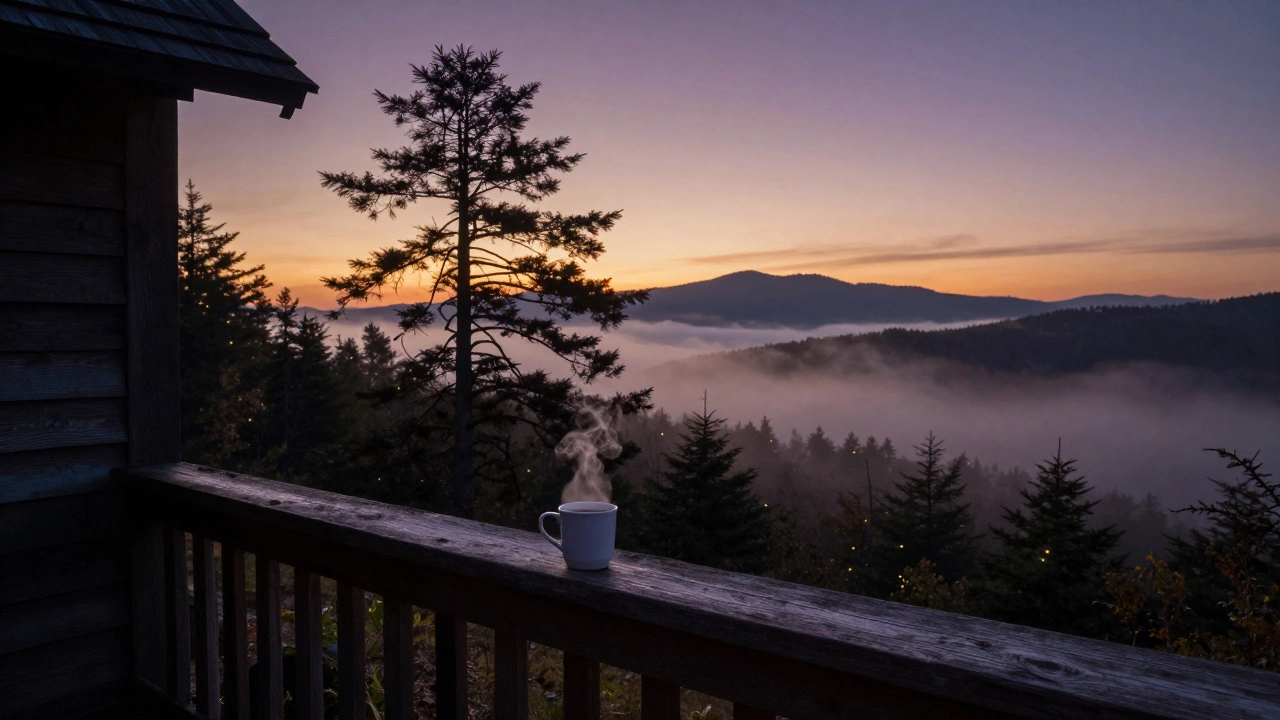
Other places have better views. Some have more history. Others have more luxury. But none tie together nature, culture, and quiet wonder the way Asheville does. It doesn’t scream for attention. It waits. And when you finally sit on a porch at dusk, coffee in hand, watching the last light fade behind the peaks-you understand why so many people never leave.
What You Won’t Find Here
You won’t find chain hotels with identical rooms. You won’t find fast-food signs blinking in the mist. You won’t find crowds of people taking selfies with the same three landmarks. Asheville resists that. It’s not anti-tourist. It’s pro-authentic.
There’s no official "top hill station" list. No government panel decided Asheville is #1. But every year, more people come-not because of ads, but because someone told a friend, who told another friend. And now, the town keeps growing, slowly, quietly, like moss on a rock.
Is Asheville the only beautiful hill station in the US?
No, but it’s the only one that balances natural beauty, culture, and accessibility so well. Other places like Sedona, Taos, and Lake Tahoe have stunning scenery, but they often lack the small-town soul that Asheville carries. You can visit Sedona for the red rocks, but you can’t live there without feeling isolated. Asheville lets you hike in the morning, grab coffee with a local artist at noon, and hear live music by sunset-all without leaving town.
Are hill stations in the US crowded like in India?
Some are, but not like the Himalayan hill stations. In India, places like Shimla or Darjeeling can feel like crowded markets. In the US, even popular spots like Asheville stay manageable. You’ll see tourists in October, but you’ll also find locals sipping coffee at 7 a.m. on a Tuesday. The scale is smaller. The pace is slower. And there’s always a quiet trail just a few miles away.
Can you visit Asheville on a budget?
Yes. You don’t need to stay at the Grove Park Inn. There are cozy Airbnb cabins starting at $90 a night. Many trails are free. The River Arts District is open to the public. You can eat well for $15 at a local diner serving biscuits and gravy. Even the Biltmore Estate offers discounted tickets after 3 p.m. You don’t need to spend a lot to feel the magic.
Is Asheville safe for solo travelers?
Very. Asheville has low violent crime rates compared to other cities its size. The downtown area is walkable and well-lit. Locals are friendly and often check in on strangers. Many solo travelers say they felt safer here than in their own neighborhoods. Just use common sense: don’t leave valuables in your car, and stick to marked trails.
What’s the best way to get to Asheville?
By car, if you can. The Blue Ridge Parkway is one of America’s most scenic drives. If flying, Asheville Regional Airport (AVL) has direct flights from major hubs like Atlanta, Charlotte, and Washington D.C. The airport is small, so you’ll be out in 15 minutes. From there, rent a car. Public transit is limited. But you won’t need it-you’ll want to explore on your own.
Final Thought: Beauty Isn’t Ranked
There’s no official award for "most beautiful hill station." But if you ask 100 people who’ve lived there for years, 90 of them will say Asheville. Not because it’s the highest, or the oldest, or the fanciest. But because it feels true. It doesn’t try to be something it’s not. It just is.
And sometimes, that’s all beauty needs to be.