Asian Beach Destination Matcher
Answer three simple questions to discover which country in Asia matches your ideal beach holiday.
When travelers ask which country in Asia has the best beaches, the answer rarely fits into a single box. "Best" depends on what you value: crystal-clear water for snorkeling, dramatic cliffs for photography, or affordable luxury for a long stay. While Southeast Asia often dominates global rankings due to its tropical climate and extensive coral reefs, South Asia offers unique cultural blends with coastal beauty that are frequently overlooked.
This guide breaks down the top contenders-Thailand, Vietnam, Indonesia, Sri Lanka, and India-to help you decide where your next trip should go. We will look at specific metrics like water clarity, cost, accessibility, and seasonal reliability to give you a clear picture of what each destination truly offers.
Quick Summary / Key Takeaways
- Thailand remains the gold standard for infrastructure and variety, offering everything from party islands to secluded coves.
- Indonesia (specifically Bali and Lombok) leads in biodiversity and surfing quality but can be expensive for premium stays.
- Vietnam is the rising star for budget travelers, offering stunning limestone coastlines and excellent seafood at low prices.
- Sri Lanka provides the best balance of culture and beach time, with distinct east and west coast seasons allowing year-round travel.
- India offers a unique mix of heritage and coastline, with Goa and Kerala providing distinct experiences compared to the typical tropical island model.
The Benchmark: Why Thailand Often Wins
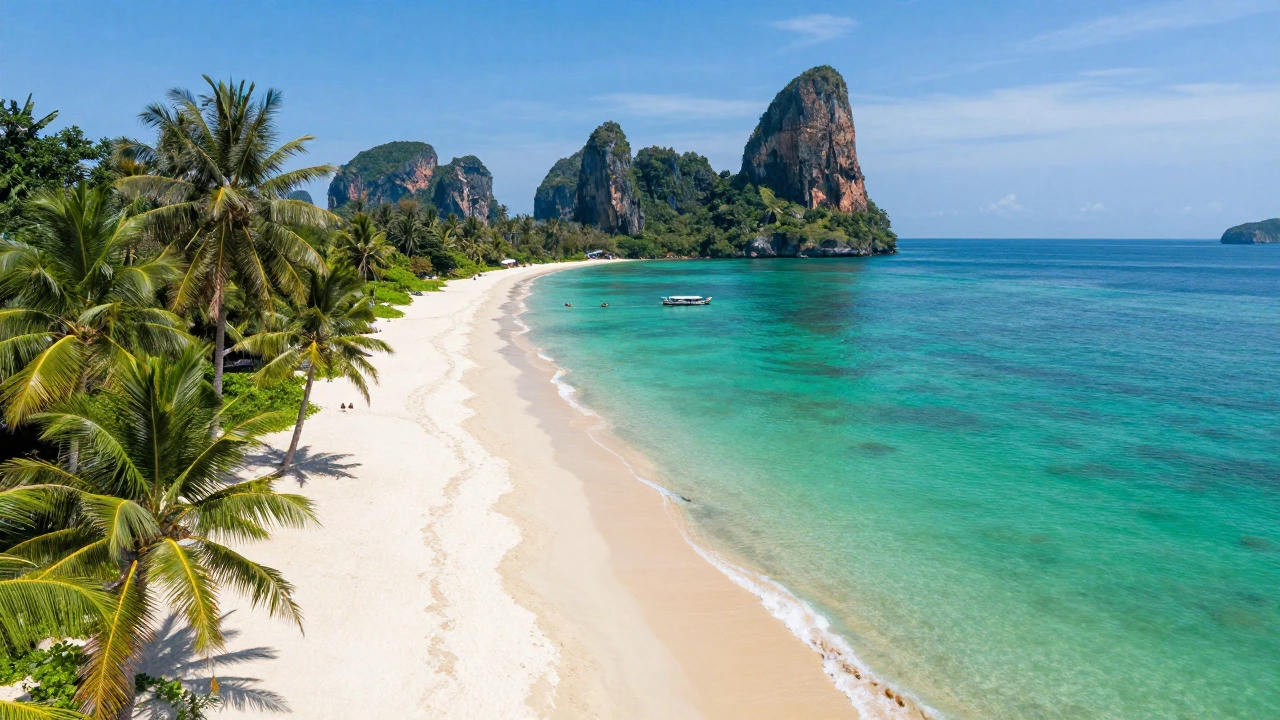
If you search for "best beaches in Asia," Thailand is a Southeast Asian nation renowned for its diverse coastal landscapes, ranging from the limestone karsts of Krabi to the sandy shores of Phuket. It consistently ranks high because it has mastered the tourism machine. The infrastructure is robust; airports are well-connected, hotels range from $10 hostels to $500 resorts, and the food scene is world-class.
The Andaman Sea side (Phuket, Phi Phi Islands) offers turquoise water and easy access to day trips. However, the Gulf of Thailand side (Koh Samui, Koh Phangan) is better for diving and has a calmer sea. One major advantage is the dry season, which runs from November to April, ensuring sunny days for most of the year. If you want convenience, safety, and a proven track record of happy tourists, Thailand is hard to beat.
Indonesia: The Diver’s Paradise
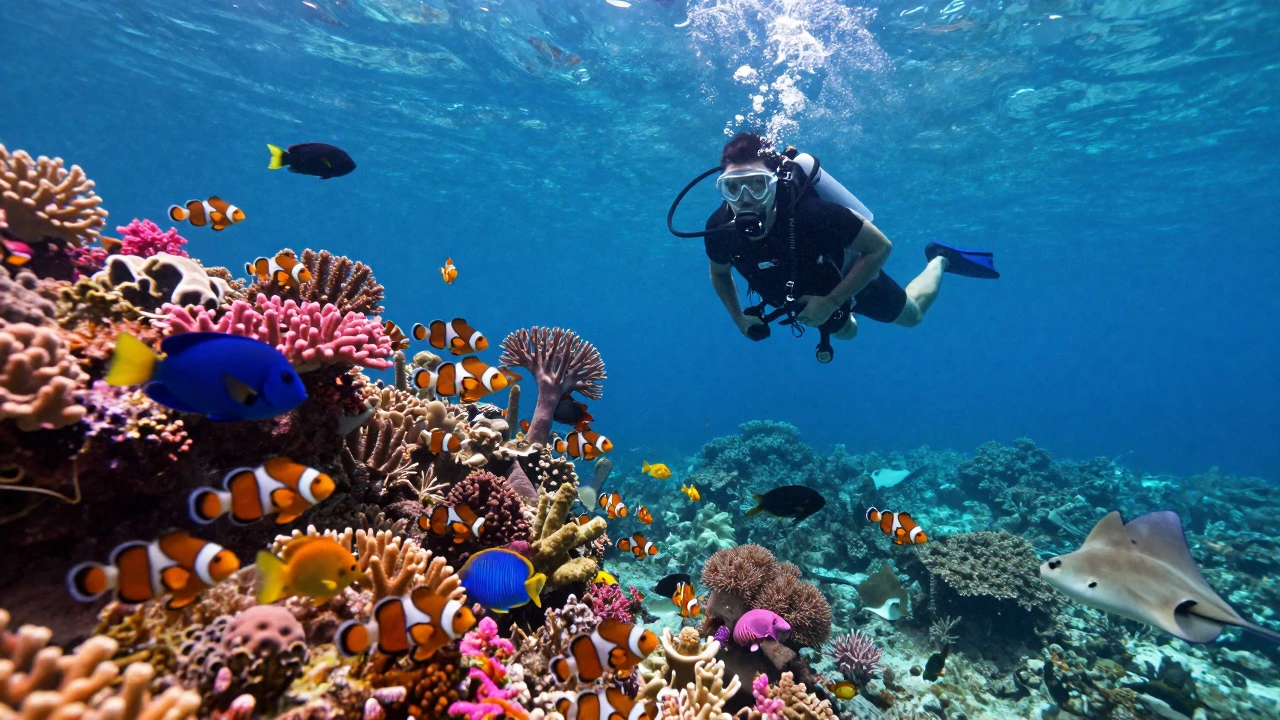
Indonesia is the world's largest archipelago state, comprising over 17,000 islands with some of the highest marine biodiversity on Earth. For pure underwater beauty, no other Asian country competes. The Coral Triangle, which overlaps significantly with Indonesian waters, holds more fish species than all other oceans combined.
Bali is famous for its surf spots like Uluwatu and Padang Padang, but the real gems are often found just across the strait in Lombok or further north in Raja Ampat. Raja Ampat is widely considered one of the best diving sites globally, featuring vibrant coral gardens and rare marine life. The trade-off? Accessibility. Getting to remote islands requires multiple flights or long boat rides. Also, while Bali is developed, other areas can feel underdeveloped in terms of medical facilities and tourist support.
Vietnam: Limestone Cliffs and Budget Luxury
Vietnam is a Southeast Asian country known for its dramatic coastal geography, including Ha Long Bay’s limestone karsts and the white sands of Phu Quoc Island. In recent years, Vietnam has surged in popularity due to its affordability and unique scenery. Unlike the flat sandy beaches of Thailand, Vietnam offers dramatic backdrops of towering limestone cliffs, particularly in the central region around Da Nang and Hoi An.
Phu Quoc Island is becoming the new hotspot for luxury seekers, offering private villas and pristine beaches at prices lower than neighboring Thailand. The central coast (Nha Trang, Mui Ne) is ideal for kite surfing and windsurfing. The best time to visit the central coast is from February to August, while the southern islands like Phu Quoc are best from December to May. Food lovers will find Vietnam unbeatable here; fresh seafood is cheap, abundant, and incredibly flavorful.
Sri Lanka: Culture Meets Coastline
Sri Lanka is an island nation south of India, famous for its tea plantations, ancient temples, and two distinct monsoon seasons affecting opposite coasts. What sets Sri Lanka apart is its duality. You can hike to Sigiriya Rock Fortress in the morning and swim in the Indian Ocean by afternoon. The west coast (Bentota, Mirissa) is best from December to March, while the east coast (Arugam Bay, Pasikudah) shines from May to September.
This means there is almost always a beach in Sri Lanka that is open and beautiful. Arugam Bay is a surfer’s mecca with consistent waves, while Mirissa is famous for whale watching. The island is smaller than mainland countries, so combining cultural tours with beach time is logistically easier and cheaper than trying to do the same in larger nations like Indonesia or Thailand.
India: The Heritage Coastal Experience
While often overshadowed by its neighbors in "beach only" lists, India is a South Asian country with a 7,500 km coastline featuring diverse ecosystems from the Arabian Sea to the Bay of Bengal. Indian beaches offer something different: a blend of colonial history, spiritual significance, and natural beauty. Goa is the obvious choice for nightlife and Portuguese-influenced architecture, but it can get crowded and commercialized during peak season (November to February).
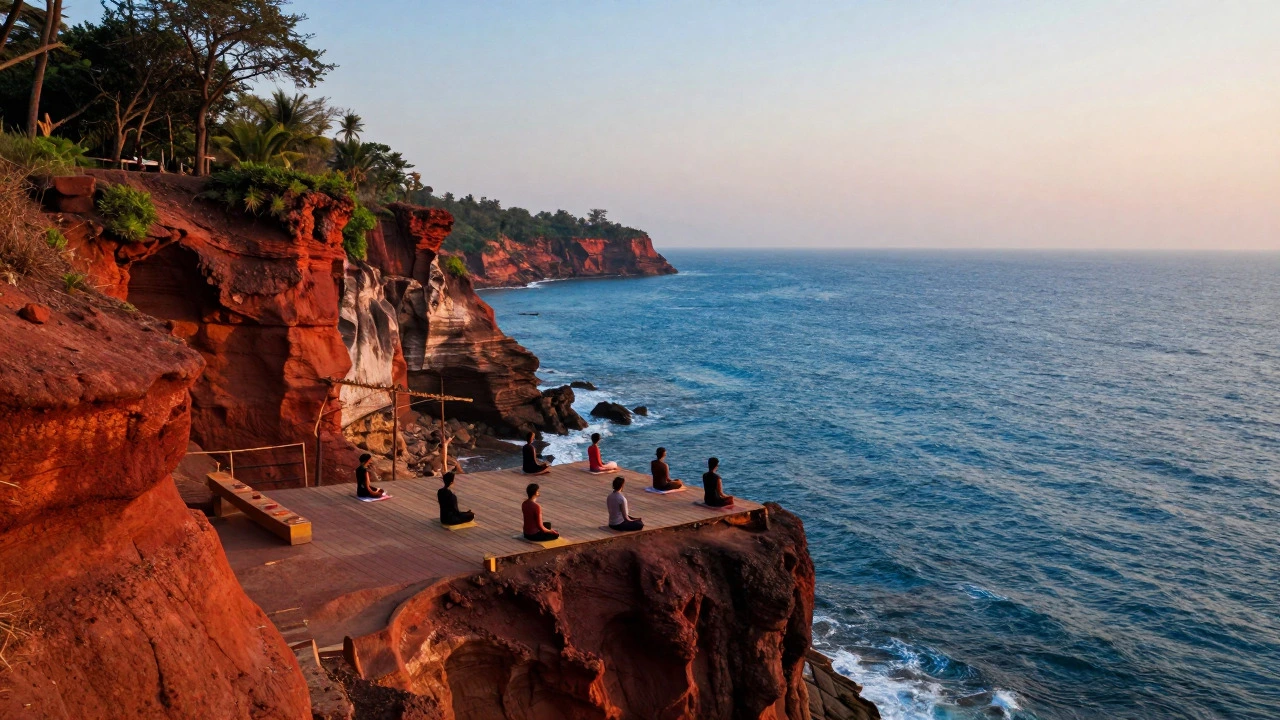
Kerala’s backwaters meet the sea at places like Kovalam and Varkala, offering a serene, yoga-focused retreat experience. Varkala, specifically, features red laterite cliffs dropping straight into the ocean, creating a visually striking landscape unlike anywhere else in Asia. The Andaman Islands, located in the Bay of Bengal, offer some of the cleanest water in India, rivaling Thai standards for diving, though they require an entry permit and have limited connectivity. If you want a beach holiday that doubles as a cultural immersion, India is the strongest contender.
Comparison Table: Top Asian Beach Destinations
| Country | Best For | Avg. Cost (Per Day) | Peak Season | Water Clarity |
|---|---|---|---|---|
| Thailand | All-rounders, Snorkeling | $50 - $150 | Nov - Apr | High |
| Indonesia | Diving, Surfing | $40 - $200 | May - Sep (West), Oct - Apr (East) | Very High |
| Vietnam | Budget Travel, Scenery | $30 - $100 | Feb - Aug (Central), Dec - May (South) | Medium-High |
| Sri Lanka | Culture + Beach, Whales | $40 - $120 | Dec - Mar (West), May - Sep (East) | Medium |
| India | Heritage, Yoga, Diving (Andamans) | $30 - $150 | Nov - Feb (Goa), Year-round (Andamans) | Variable (High in Andamans) |
How to Choose Your Perfect Beach Destination
Your decision should hinge on three factors: budget, activity preference, and timing. 1. **If you want maximum convenience and variety:** Go to Thailand. The logistics are smooth, and you can switch between islands easily. 2. **If you are a serious diver or surfer:** Head to Indonesia. The marine life and wave quality are unmatched in Asia. 3. **If you are on a tight budget but want luxury vibes:** Choose Vietnam. You can stay in 5-star resorts for half the price of comparable options in Thailand. 4. **If you want a cultural trip with beach time:** Pick Sri Lanka or India. These destinations allow you to explore temples, cities, and nature alongside your swimming. Consider the weather carefully. Monsoons in Asia are not just rain; they can close roads, cancel ferries, and make water murky. Always check the specific regional forecast for your chosen dates. For example, visiting Goa in July might mean heavy rains, while the same month is perfect for the East Coast of Sri Lanka.
Frequently Asked Questions
Is Thailand really the best beach destination in Asia?
For most general tourists, yes. Thailand offers the best combination of infrastructure, safety, food quality, and variety of beach types. However, if you prioritize raw natural beauty and underwater life, Indonesia may be superior.
Which Asian country has the cheapest beach holidays?
Vietnam and India generally offer the lowest costs for accommodation and food. You can live comfortably on $30-$40 per day in both countries, including meals and local transport, whereas Thailand typically requires $50+ for a similar standard of living.
Are Indian beaches good for swimming?
It depends on the location. Goa and Kerala beaches are generally safe for swimming during the dry season (November to February). The Andaman Islands offer clearer water and safer conditions for swimming and snorkeling throughout the year, except during cyclone season.
What is the best time to visit Asian beaches?
There is no single best time because monsoons affect different regions differently. Generally, November to April is the dry season for Thailand, Vietnam (south), and Sri Lanka (west). May to September is better for Indonesia (west) and Sri Lanka (east).
Do I need a visa for these Asian beach destinations?
Visa requirements vary by nationality. Many Western passports get visa-free entry or Visa on Arrival for Thailand, Vietnam, and Indonesia. Sri Lanka requires an Electronic Travel Authorization (ETA). India requires a visa for most nationalities, though e-visas are available for many countries.