India Travel Season Planner
Planning a trip to India? The country's vast geography means "best time" depends entirely on what you want to experience. Select your primary interest below to get personalized recommendations.
Recommended Itinerary Focus
Best Time to Visit
Key Regions
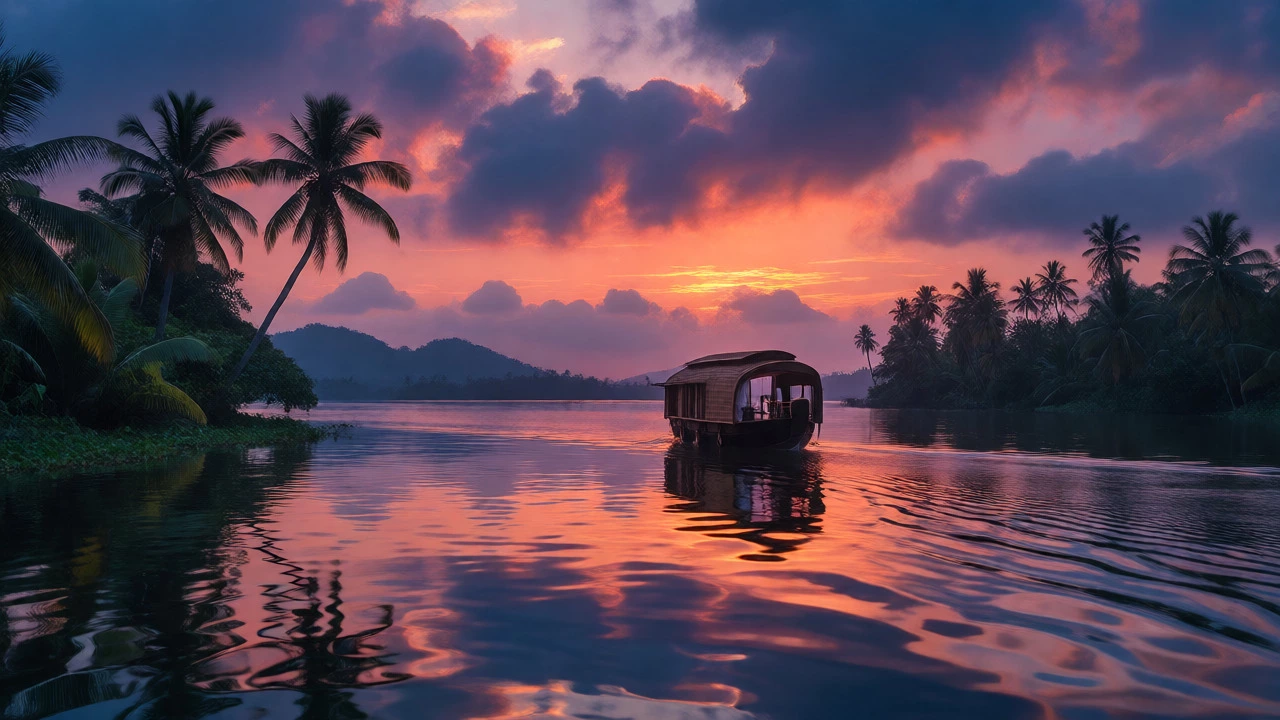
Imagine standing at the edge of a cliff in Kerala, watching the sun dip into the Arabian Sea while the scent of jasmine and wet earth fills the air. Then, imagine waking up the next morning in the freezing Himalayas, sipping chai that tastes like it was brewed with pure love, surrounded by peaks that touch the sky. This isn't a fantasy; this is a typical Tuesday for many travelers exploring India, a country so vast and varied that it often feels like visiting ten different nations in one trip.
People ask me all the time, "Amos, why does everyone rave about India?" It’s not just because of the Taj Mahal, although that white marble masterpiece is undeniably stunning. It’s because India offers an intensity of experience that few other places can match. From the chaotic, colorful streets of Mumbai to the serene backwaters of Alleppey, the country demands your attention. If you are planning a trip or just curious about what makes this subcontinent a global magnet for cultural tourism India, here is the real deal.
The Living Museum of History
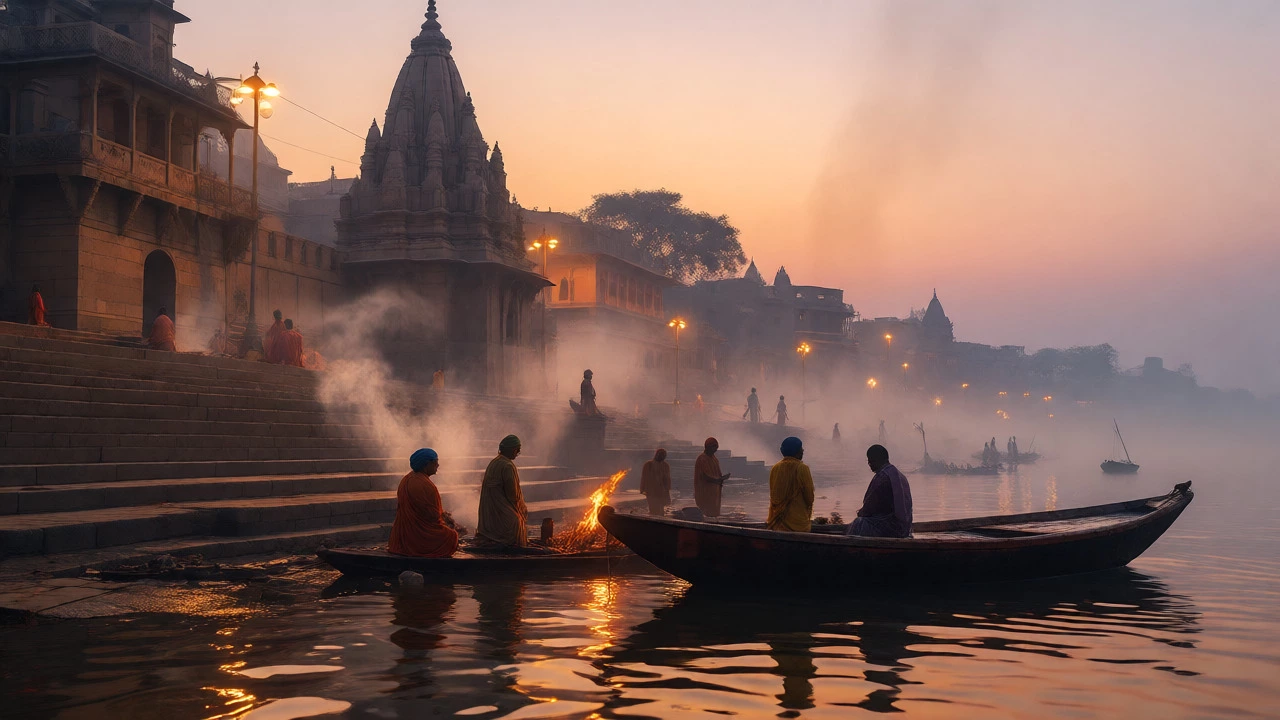
Let’s get one thing straight: India doesn’t just have history; it lives inside it. You aren’t walking through sterile museums where artifacts sit behind glass. You’re walking through cities that have been inhabited for thousands of years. Take Varanasi, for example. It is widely considered one of the oldest continuously inhabited cities in the world. When you take a boat ride on the Ganges River at dawn, you see rituals that haven’t changed in millennia. The smoke from funeral pyres mixes with the incense from temples, creating a sensory overload that sticks with you long after you leave.
Then there is the architectural grandeur. The Mughal Empire left behind structures like the Red Fort in Delhi and the Humayun’s Tomb, which blend Persian, Timurid, and Indian styles. But it’s not just the emperors who built things. In Rajasthan, the Rajput kings constructed massive forts like Amer Fort and Chittorgarh, perched on hills to defend against invaders. These aren’t ruins; they are active cultural hubs hosting light shows, folk dances, and festivals. The sheer scale of these constructions, combined with their intricate carvings, tells you that craftsmanship was valued as highly as power.
A Tapestry of Festivals and Traditions
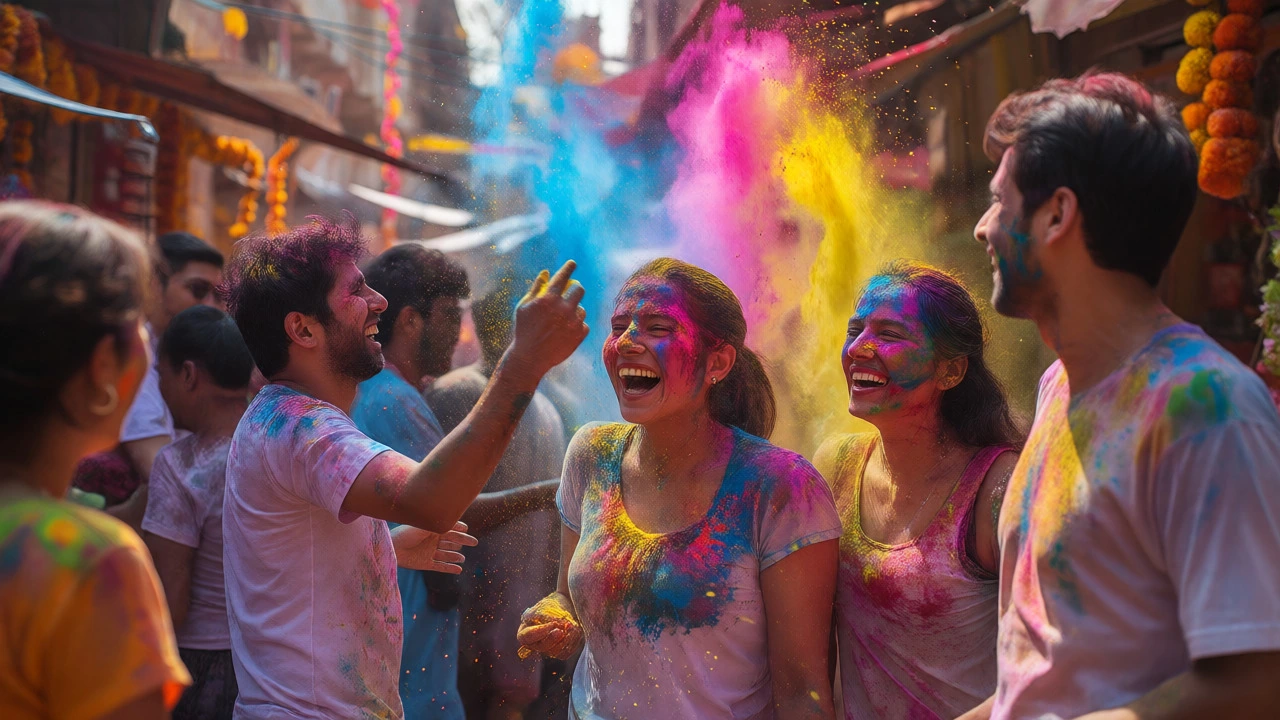
If you visit India during Diwali, you’ll understand why people call it the festival of lights. Millions of oil lamps (diyas) illuminate homes, streets, and markets. Fireworks crackle overhead, and the air smells of gunpowder and sweets. But Diwali is just the tip of the iceberg. Holi, the festival of colors, turns entire cities into a psychedelic canvas where strangers throw colored powder at each other, breaking down social barriers instantly.
These events aren’t just for tourists. They are deeply personal and religious observances. For instance, the Kumbh Mela, held periodically at four locations across India, is the largest peaceful gathering of humans on Earth. The United Nations Educational, Scientific and Cultural Organization (UNESCO) has recognized it as an Intangible Cultural Heritage of Humanity. Seeing millions of pilgrims bathe in sacred rivers is a humbling experience that challenges your perspective on community and faith.
| Festival Name | Primary Region | Cultural Significance | Best Time to Visit |
|---|---|---|---|
| Diwali | Nationwide | Victory of light over darkness; worship of Lakshmi | October - November |
| Holi | North & West India | Arrival of spring; playful use of colors | March |
| Onam | Kerala | Harvest festival; honoring King Mahabali | August - September |
| Pongal | Tamil Nadu | Thanksgiving to Sun God and cattle | January |
| Durga Puja | West Bengal | Worship of Goddess Durga; artistic pandals | September - October |
Culinary Diversity That Defies Borders
You cannot talk about why India is famous without talking about food. And no, it’s not just "curry." Indian cuisine is regional, seasonal, and incredibly specific. In Punjab, the food is rich and buttery, featuring dishes like Sarson da Saag and Makki di Roti. Move south to Tamil Nadu, and you’ll find lighter, rice-based meals served on banana leaves, accompanied by tangy sambar and crispy dosas.
The spice blends alone could fill a library. A garam masala in Lucknow tastes completely different from one in Hyderabad. Street food is another major draw. Try vada pav in Mumbai-a spicy potato fritter in a bun-or pani puri in Delhi, where you bite into a crisp shell filled with spiced water and potatoes. The hygiene might scare some Western tourists initially, but the local vendors often have better turnover rates than fancy restaurants, meaning the food is fresh. Plus, eating street food is how you connect with locals. You stand together, wait together, and share the same messy, delicious joy.
Spiritual Depth and Wellness Tourism
For many travelers, India is synonymous with yoga and meditation. Rishikesh, known as the "Yoga Capital of the World," attracts thousands every year seeking spiritual clarity. The Beatles famously visited here in the 1960s, putting it on the global map. But spirituality in India isn’t confined to ashrams. It’s woven into daily life. You’ll see office workers praying before starting their day, students touching the feet of elders for blessings, and families performing puja at home altars.
This spiritual atmosphere contributes significantly to wellness tourism. Ayurveda, the ancient system of medicine originating in India, offers treatments that focus on balancing body, mind, and spirit. Centers in Kerala and Karnataka offer Panchakarma therapies-detoxification programs that involve herbal massages, steam baths, and dietary changes. Unlike spa treatments elsewhere, these are medically supervised and tailored to your individual constitution (dosha). Many visitors report feeling physically rejuvenated and mentally clearer after a week-long program.
Natural Landscapes: More Than Just Temples
While culture is the headline, nature provides the backdrop. India’s geography is absurdly diverse. You have the Thar Desert in Rajasthan, where camels still serve as transport and sand dunes shift under the wind. Contrast that with the lush tea plantations of Darjeeling in West Bengal, where mist clings to the hills and the air smells of damp soil and brewing tea.
In the northeast, states like Meghalaya receive some of the highest rainfall on Earth. Here, you find living root bridges grown over centuries by the Khasi tribe. These aren’t built; they are cultivated. Walking across them feels like stepping into a fairy tale. Meanwhile, the coastal regions offer pristine beaches. Goa is famous for its party scene, but places like Varkala in Kerala offer dramatic cliffs overlooking the ocean, perfect for quiet reflection. The Himalayas in the north provide trekking opportunities that range from easy walks to extreme expeditions, catering to both novice hikers and seasoned mountaineers.
Cost-Effectiveness Without Compromising Quality
Let’s be practical. Traveling in India is affordable. Your money goes further here than in most European or North American countries. You can stay in luxury hotels for a fraction of the cost you’d pay in London or New York. A meal at a mid-range restaurant might cost you $5-$10, whereas the same quality meal in Bristol would set you back $30+. This affordability allows travelers to extend their stays, explore more regions, and indulge in experiences they might skip elsewhere.
However, cheap doesn’t mean low quality. India has a robust hospitality sector. From boutique heritage hotels in converted palaces in Udaipur to eco-friendly resorts in the Sundarbans, options abound. The service culture emphasizes hospitality as a duty-"Atithi Devo Bhava," meaning "The guest is God." While not every interaction will be flawless, the general willingness to help and accommodate is a hallmark of Indian culture.
The Challenge of Chaos
I won’t lie to you: India can be overwhelming. The noise, the crowds, the traffic-it hits you like a wall. Horns blare constantly, cows wander freely on highways, and auto-rickshaw drivers will haggle with you relentlessly. This chaos is part of the charm, but it requires adjustment. Learning to navigate this environment teaches patience and adaptability. Once you get past the initial shock, you start to see the order within the disorder. Traffic flows despite seeming randomness. Markets operate on complex, efficient systems. Embracing this unpredictability is key to enjoying your trip.
Is India safe for solo female travelers?
Yes, but with precautions. Major cities and tourist hubs are generally safe, especially if you avoid isolated areas at night. Dress modestly to respect local customs and reduce unwanted attention. Use reputable transportation apps like Uber or Ola instead of random taxis. Many women travel solo successfully by staying aware of their surroundings and connecting with other travelers or local host communities.
Do I need vaccinations before visiting India?
Consult your doctor at least 4-6 weeks before travel. Common recommendations include Hepatitis A and B, Typhoid, and Tetanus. Depending on your itinerary, Rabies and Japanese Encephalitis vaccines might be suggested. Malaria prophylaxis may be needed for certain regions, particularly rural areas or during monsoon season. Always carry a basic medical kit with rehydration salts and anti-diarrheal medication.
What is the best time to visit India for tourism?
October to March is ideal for most of India. The weather is cool and dry, making sightseeing comfortable. Summer (April-June) is hot, except in the Himalayas. Monsoon (July-September) brings heavy rain, which can disrupt travel plans but also creates lush landscapes and lower prices. Choose based on your tolerance for heat and rain.
How do I handle currency exchange in India?
ATMs are widespread and offer competitive rates. Notify your bank before traveling to avoid card blocks. Carry small denominations of Indian Rupees (INR) for tips, auto-rickshaws, and small shops. Credit cards are accepted in larger establishments, but cash remains king in local markets. Avoid exchanging money at airports due to poor rates; use city banks or authorized exchange counters instead.
Is English widely spoken in India?
English is one of India's official languages and is widely understood in urban areas, tourist spots, and among educated populations. However, proficiency varies. In rural areas, Hindi or regional languages dominate. Learning a few basic Hindi phrases like 'Namaste' (hello), 'Dhanyavad' (thank you), and 'Kitna hai?' (how much?) goes a long way in building rapport with locals.