Most people think of India as just the Taj Mahal or the beaches of Goa, but there is a city in Gujarat that actually holds the title of India's first UNESCO World Heritage City. It is not just about old buildings; it is a place where you can see a 600-year-old mosque standing a few blocks away from a futuristic riverfront and a bustling textile market. If you have ever wondered why Ahmedabad heritage is such a big deal, it is because the city manages to preserve its soul while sprinting toward the future.
| Feature | Highlight | Why it Matters |
|---|---|---|
| UNESCO Status | World Heritage City | First city in India to get this honor |
| Architecture | Indo-Saracenic Style | Blend of Islamic and Hindu designs |
| History | Gandhi's Legacy | Center of India's freedom struggle |
| Culture | Pol Culture | Unique traditional housing clusters |
The Magic of the Old City and the Pols
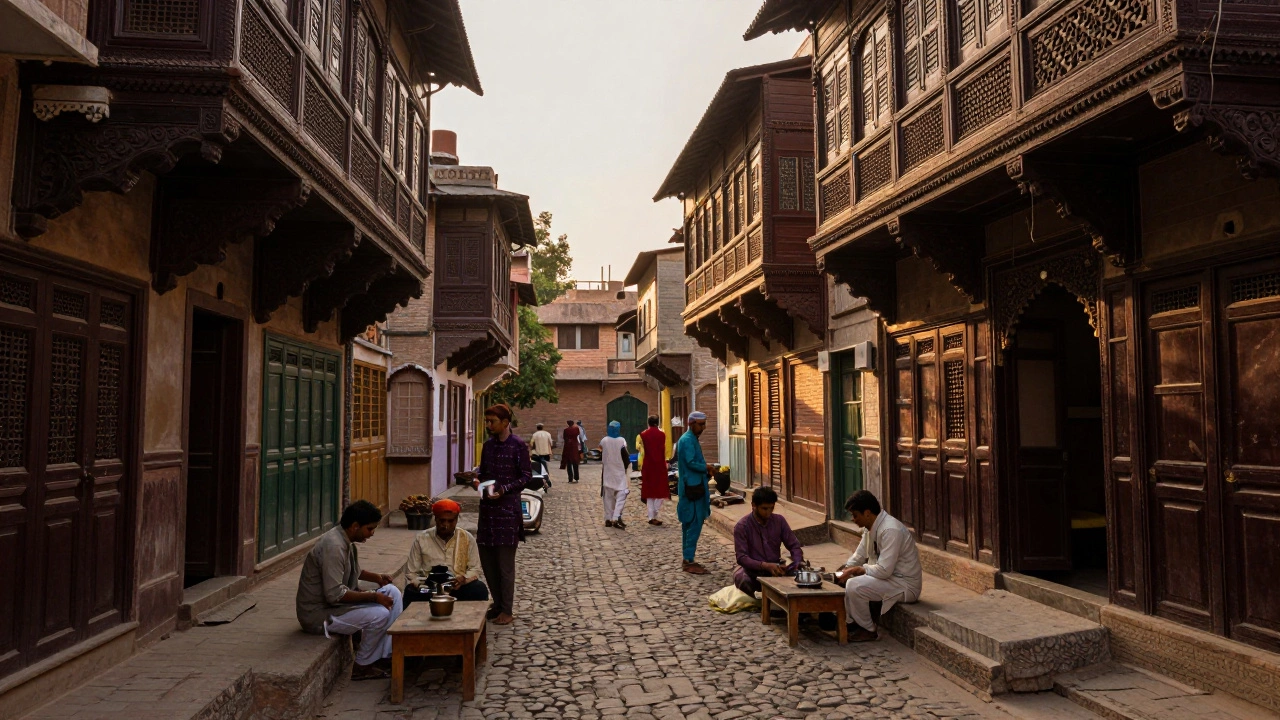
To understand the city, you have to start with the Pols is a unique system of residential clusters found in the old city of Ahmedabad, consisting of narrow streets and interconnected housing. Imagine a maze of tiny lanes where houses are built right next to each other, often sharing walls. These weren't just for shelter; they were designed for community and safety. Walking through a Pol feels like stepping back into a different century. You'll see intricately carved wooden facades and shared courtyards where neighbors still gather to drink tea and gossip.
These clusters are a masterclass in urban planning from the medieval era. Because the streets are so narrow, the city stays naturally cool even when the Gujarat sun is beating down. It is a living museum where people actually live, work, and raise families, making it far more authentic than a sanitized tourist site.
The Architectural Blend: Indo-Saracenic Wonders
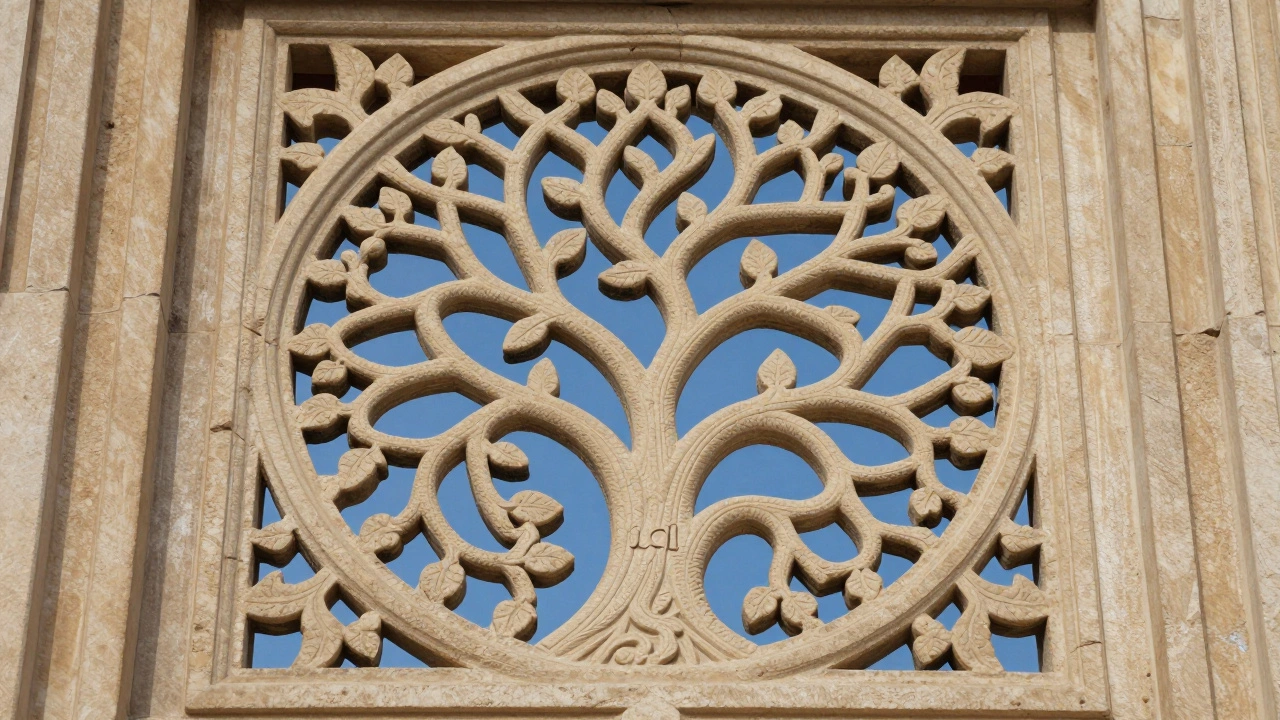
One of the biggest reasons the city is famous is its architecture. Ahmedabad is the birthplace of the Indo-Saracenic architecture is a revivalist architectural style used by British architects in India, blending elements of Islamic, Hindu, and Gothic designs. You can see this clearly at the Sidi Saiyyed Mosque is a 16th-century mosque famous for its stone trellis work, specifically the "Tree of Life" carving.
The "Tree of Life" window at Sidi Saiyyed is practically a global icon. It is a single piece of stone carved with such precision that it looks like delicate lace. Then you have the Adalaj Stepwell is a deep, multi-story subterranean water reservoir built in 1498 with intricate carvings and cooling chambers. Stepwells, or vavs, were essential for survival in the arid plains of Gujarat. Adalaj isn't just a hole in the ground; it is a subterranean palace that kept travelers cool and provided water for the community.
The Heart of Non-Violence: Sabarmati Ashram
You cannot talk about this city without mentioning Mahatma Gandhi. For several years, he lived at the Sabarmati Ashram is the residence of Gandhi on the banks of the Sabarmati River, serving as the headquarters for his non-violent resistance movements. This is where the philosophy of Satyagraha (truth-force) took root.
Visiting the ashram is a humbling experience. The rooms are simple, the atmosphere is quiet, and the focus is on minimalism. It was from here that Gandhi launched the Dandi March in 1930 to protest the British salt tax. The ashram serves as a reminder that the city isn't just about bricks and mortar, but about the intellectual and spiritual movements that shaped modern India.
Textiles and the Manchester of the East
For a long time, Ahmedabad was known as the "Manchester of the East." This nickname came from its massive Textile Industry which dominated the economy for decades. The city's fame grew because it became a hub for cotton mills and high-quality fabric production.
If you want to see this legacy today, head to the Calico Museum of Textiles is one of the world's most comprehensive textile museums, showcasing Indian fabrics from various eras. The craftsmanship found in the traditional bandhani (tie-dye) and patola silks is legendary. These aren't just clothes; they are cultural artifacts that tell stories of trade and artistry spanning centuries.
The Modern Shift: Sabarmati Riverfront and Beyond
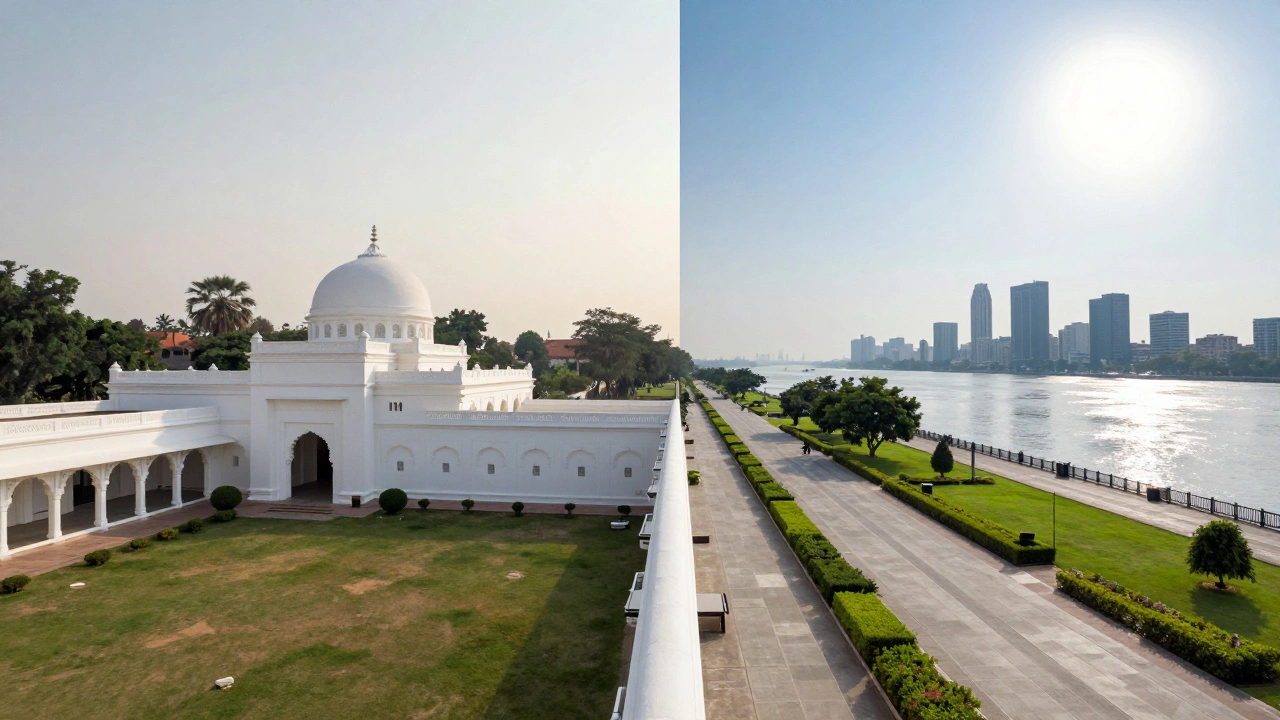
While the heritage is stunning, the city is famous for how it balances that history with extreme modernity. The Sabarmati Riverfront is an urban redevelopment project that transformed a neglected riverbank into a public promenade with parks and walkways. It is one of the most ambitious urban projects in Asia.
Walking along the riverfront, you see the contrast of a city that respects its roots but isn't afraid to build skyscrapers. The city is also a major education hub, with the Indian Institute of Management Ahmedabad (IIMA) being one of the top business schools in the world. This blend of academic excellence and industrial power makes it a magnet for young professionals from across the country.
How to Experience the City's Soul
If you are planning a visit, don't just stick to the monuments. The real way to understand why the city is famous is to get lost in the local markets. Visit the Manek Chowk market; by day, it is a jewelry hub, but by night, it turns into a massive street food court. Try the buttery pav bhaji or the unique Gujarati thali, which is a platter of various sweet, salty, and spicy dishes that represent the region's diverse palate.
Also, take the heritage walk organized by the local municipality. These walks are led by experts who can explain the hidden meanings behind the carvings on the house walls and why certain streets were built in specific patterns. It transforms a simple walk into a deep dive into sociology and architecture.
Is Ahmedabad safe for solo travelers?
Yes, it is generally very safe. The locals are known for their hospitality and the city has a low crime rate compared to other major Indian metros. Using registered rickshaws and staying in well-reviewed heritage hotels is recommended.
When is the best time to visit?
The best time to visit is from November to February. The weather is cool and pleasant, making it ideal for walking through the Pols and visiting outdoor sites like the Sabarmati Ashram. Avoid the summer months (March to June) as temperatures can soar above 40°C.
What is the significance of the UNESCO World Heritage status?
The UNESCO status recognizes the city's "outstanding universal value," particularly its unique urban fabric, traditional housing (Pols), and the integration of various cultural influences in its architecture, making it a global point of interest for urban historians.
How do I get around the city?
Auto-rickshaws are the most common and convenient way to get around, especially in the narrow lanes of the old city. For longer distances, ride-sharing apps like Uber and Ola are widely available and reliable.
Do I need a guide for the heritage sites?
While you can explore on your own, a guide is highly recommended for the Old City and the Calico Museum. Much of the city's history is hidden in plain sight, and a knowledgeable guide can help you decode the architectural symbols and historical anecdotes.
What's Next for Your Indian Adventure?
Once you have soaked up the culture of Ahmedabad, you might want to head further into Gujarat. A trip to the Rann of Kutch is a perfect contrast-trading the crowded streets of the city for a vast, white salt desert. Alternatively, if you enjoy the architectural side of things, exploring the temple towns of Rajasthan provides a great comparison in how different Indian states preserved their royal and religious legacies.