Hill Station Living Suitability Calculator
Your Personalized Recommendation
Station Name
Reasoning goes here.
Other Suitable Options
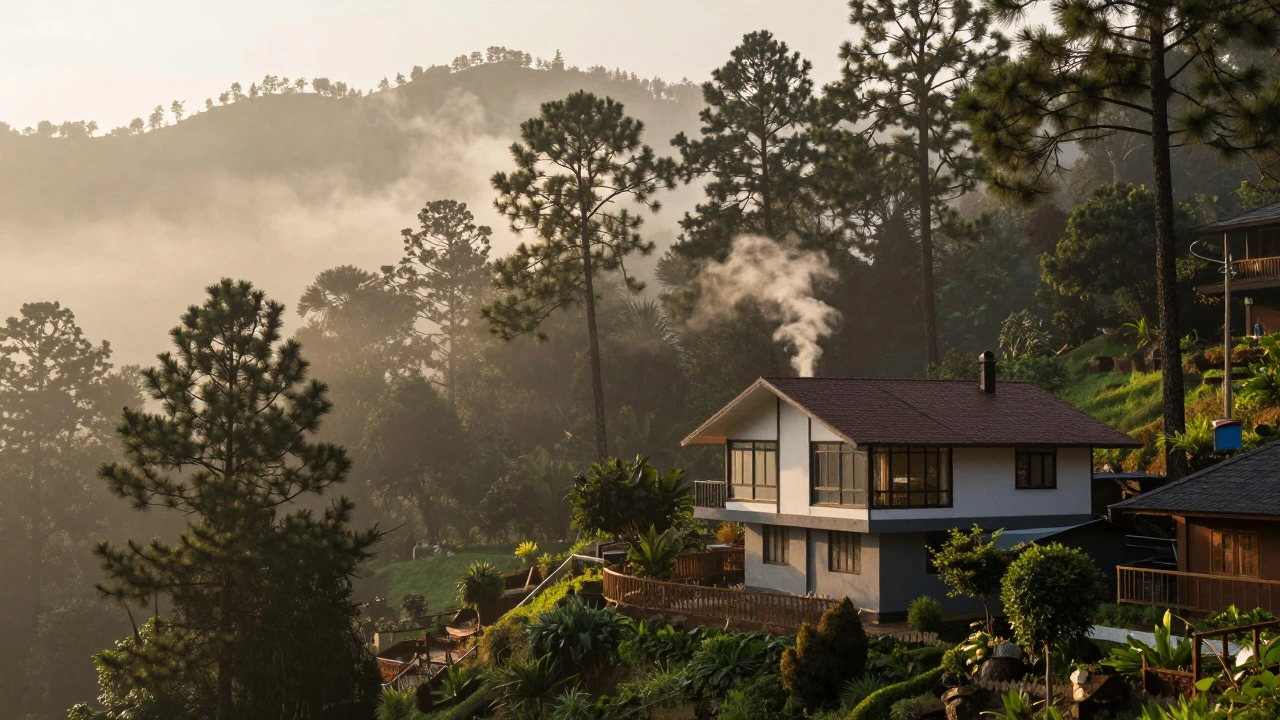
Imagine waking up not to the screech of traffic or the hum of city generators, but to the sound of mist rolling over pine trees and birds calling from the canopy. For many Indians tired of the urban grind, this isn't just a weekend fantasy-it's a lifestyle goal. But moving to a hill station is very different from visiting one. What looks like paradise on Instagram can feel isolating or impractical when you consider healthcare, internet speed, and grocery prices.
Living in the hills requires a shift in mindset. You are trading convenience for climate, noise for silence, and variety for community. If you are serious about making the move, you need to look beyond the postcards. This guide breaks down the top hill stations in India that actually work as permanent homes, analyzing infrastructure, costs, and quality of life so you can make an informed decision.
The Reality Check: Infrastructure Before Views
Before picking a location based on scenery, you must assess the backbone of daily life. In remote hill towns, three things determine your happiness: road connectivity, medical facilities, and digital infrastructure.
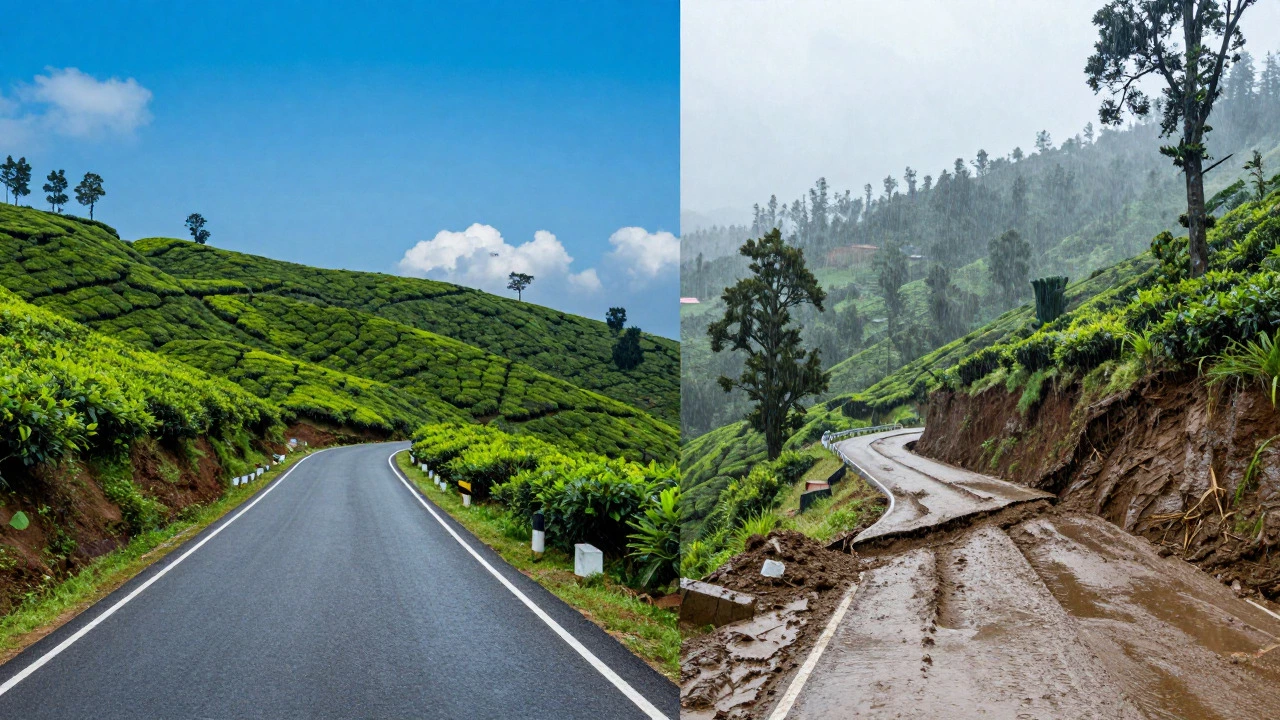
Road conditions vary wildly. During monsoon season, landslides can cut off major highways for days. Towns like Mussoorie, located in Uttarakhand, often face severe blockages due to its proximity to fragile geological zones. In contrast, Ooty in Tamil Nadu has more stable road networks, though heavy rain still causes delays.
Healthcare is another critical factor. Most hill stations have basic primary health centers, but complex surgeries require travel to nearby metropolitan hubs. For instance, residents of Coonoor rely on hospitals in Coimbatore, which is about two hours away by road. If you have elderly parents or chronic health conditions, you need to map out the nearest tertiary care hospital before signing any lease or buying property.
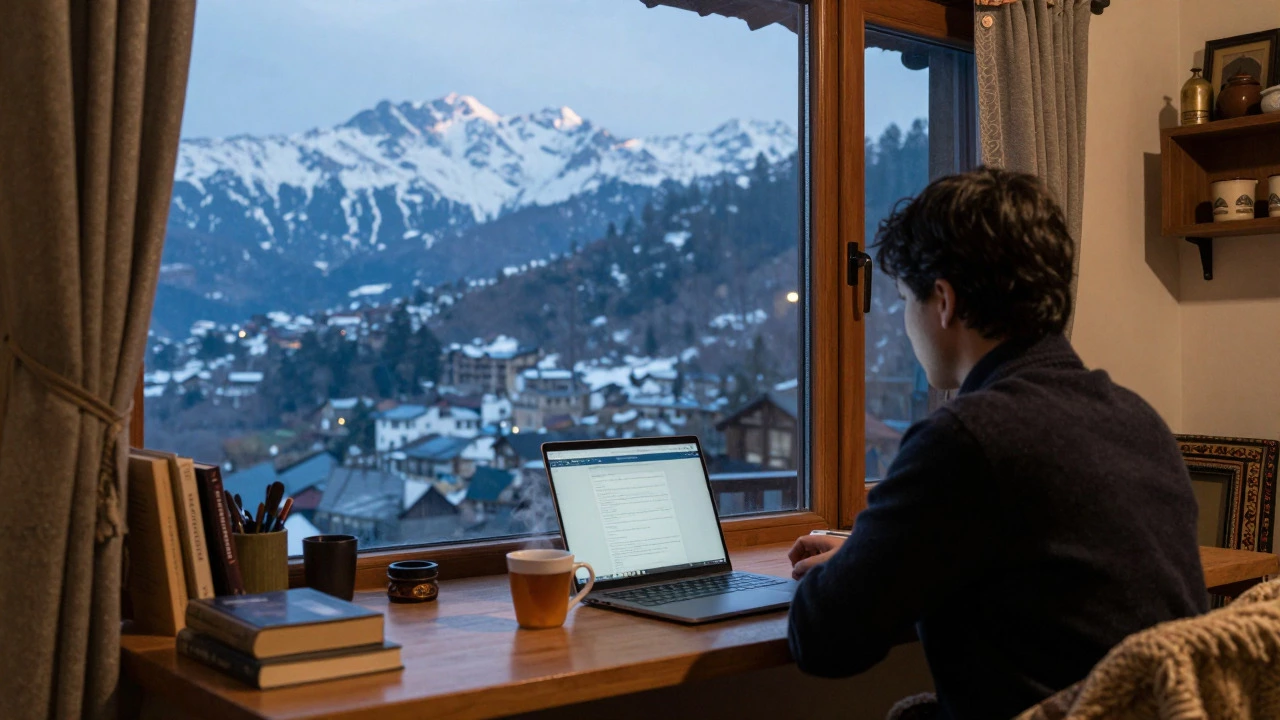
Digital connectivity has improved significantly with the rollout of 4G and fiber optics, but speeds can still be inconsistent during storms. Remote workers should verify actual bandwidth availability rather than trusting marketing claims from local ISPs.
Top Picks for Long-Term Residency
Not all hill stations are created equal when it comes to livability. Here are five destinations that balance natural beauty with practical amenities, categorized by their unique strengths.
Ooty: The Balanced Choice
Ooty (Udhagamandalam) remains the most popular choice for long-term residents among southern states. Why? Because it offers a mature ecosystem. Unlike newer tourist spots, Ooty has decades of development behind it.
- Climate: Mild year-round. Winters are cool but not freezing; summers are pleasant without extreme heat.
- Amenities: Multiple supermarkets, pharmacies, and schools. It feels like a small town, not a village.
- Connectivity: Good road links to Coimbatore and Mettupalayam. The Nilgiri Mountain Railway adds a unique cultural layer.
- Cost: Property prices have risen sharply, but rental options remain affordable compared to metros like Bangalore or Chennai.
Ooty is ideal for families who want stability and access to basic services without sacrificing the mountain experience.
Coonoor: The Quiet Alternative
If Ooty feels too crowded, Coonoor is the logical next step. Located just 14 kilometers away, it shares the same weather patterns but lacks the tourist chaos. The pace here is slower, and the community is tighter-knit.
Real estate in Coonoor is generally cheaper than in Ooty. You get more space for your money-larger plots with tea garden views. It’s particularly attractive for retirees and freelancers who value peace over nightlife. However, entertainment options are limited. If you miss cinemas, malls, or diverse dining, you’ll find yourself driving to Ooty frequently.
Darjeeling: Culture Over Comfort
Darjeeling offers a distinct cultural blend of Bengali, Nepali, and Tibetan influences. The food is exceptional, and the intellectual vibe is strong due to the presence of colleges and historical institutions.
However, living here comes with challenges. The roads are narrow and winding, making parking a nightmare. Flooding is common during monsoons, and power cuts can last longer than in other regions. It’s best suited for those who prioritize culture and community over modern conveniences. Young professionals and artists often thrive here, while families with young children might struggle with the lack of specialized pediatric care.
Munnar: Greenery with Growing Pains
Munnar in Kerala is visually stunning, surrounded by endless tea plantations. Kerala’s high literacy rate and social development mean better public services compared to many northern hill stations. English is widely spoken, easing integration for outsiders.
The downside? Munnar is heavily touristed. Noise pollution from buses and crowds can disrupt the tranquility you seek. Additionally, humidity levels are higher than in Ooty or Darjeeling, which some people find uncomfortable. Property ownership for non-Keralites can also involve legal complexities, so thorough due diligence is essential.
Nainital: The North Indian Hub
For those coming from Delhi or Uttar Pradesh, Nainital is the most accessible option. It has a robust administrative setup, including courts and government offices, which implies better civic maintenance. The lakefront area is beautiful, but property prices there are premium.
Winters in Nainital are harsh, with snowfall blocking roads regularly. Heating becomes a necessity, adding to utility bills. It’s a great choice if you enjoy winter sports and don’t mind seasonal isolation.
| Hill Station | Avg. Annual Temperature | Medical Access | Internet Reliability | Property Cost Trend |
|---|---|---|---|---|
| Ooty | 15°C - 25°C | Good (Primary + Nearby Tertiary) | High (Fiber available) | High (Stable) |
| Coonoor | 14°C - 24°C | Moderate (Relies on Coimbatore) | High (Fiber available) | Moderate (Rising) |
| Darjeeling | 5°C - 20°C | Moderate (Limited Specialties) | Moderate (Weather dependent) | High (Premium Locations) |
| Munnar | 15°C - 25°C | Good (Kerala Healthcare System) | High (4G/Fiber) | Very High (Tourist Driven) |
| Nainital | -2°C - 25°C | Good (Government Hospitals) | Moderate | High (Lakefront Premium) |
Financial Considerations: Hidden Costs of Hill Life
Many people assume living in the hills is cheaper because property prices are lower than in Mumbai or Bangalore. While the initial investment might be less, the recurring costs can surprise you.
Transportation: Vehicles wear out faster on steep, winding roads. Brakes, tires, and suspensions require frequent replacement. Fuel efficiency drops significantly due to constant uphill driving. If you own a car, budget for 20-30% higher maintenance costs.
Groceries: Fresh produce grown locally is affordable, but everything else-packaged goods, electronics, branded items-is imported via trucks. This supply chain adds a markup of 10-15% compared to plain cities. Bulk buying becomes a necessity.
Heating and Cooling: In places like Nainital or Shimla, heating bills spike in winter. Electric heaters consume significant power, and diesel generators add fuel costs during outages. Conversely, air conditioning is rarely needed, saving money in summer.
To manage these costs, create a detailed monthly budget before moving. Include a contingency fund for vehicle repairs and emergency travel to city hospitals.
Legal and Ownership Hurdles
Buying land in hill stations is not as simple as purchasing an apartment in a metro. Many states have restrictions on foreign ownership or even interstate buyers to protect local ecology and land rights.
In Kerala, non-residents can buy residential properties but may face hurdles with agricultural land. In Himachal Pradesh and Uttarakhand, laws restrict sales to locals to prevent land grabbing. Always consult a local lawyer specializing in property law. Verify the title deed, check for encumbrances, and ensure the land is zoned for residential use. Avoid verbal agreements; everything must be documented.
Social Integration and Community
One of the biggest shocks for new residents is the social dynamic. Hill stations are often tight-knit communities where everyone knows each other. Outsiders can sometimes be viewed with suspicion or curiosity.
Integration takes time. Join local clubs, volunteer for community events, and respect local customs. Learning basic phrases in the regional language-whether Tamil in Ooty or Nepali in Darjeeling-goes a long way in building trust. Don’t expect instant friendships; patience and genuine interest in the local culture are key.
For expats or NRIs returning to India, places like Ooty and Coonoor have established communities of returnees, making the transition smoother. Networking groups and online forums can provide valuable support during the initial months.
Final Thoughts: Is It Right for You?
Living in a hill station is a privilege, not just a purchase. It demands adaptability, resilience, and a willingness to embrace simplicity. If you value peace, nature, and a slower pace of life above all else, then Ooty, Coonoor, or similar destinations could be your perfect home. But if you rely on immediate access to specialized services, vibrant nightlife, or career opportunities, the mountains might feel more like a cage than a sanctuary.
Visit your chosen location for at least two weeks across different seasons before committing. Experience the monsoon rains, the winter chill, and the summer crowds. Only then will you know if the view is worth the trade-offs.
Which hill station is best for retirees?
Ooty and Coonoor are generally considered the best for retirees due to their mild climate, good medical infrastructure, and established senior citizen communities. The terrain is manageable, and access to groceries and pharmacies is easy.
Can I work remotely from a hill station?
Yes, but you must verify internet reliability. Ooty, Coonoor, and parts of Munnar offer fiber-optic connections suitable for video conferencing. However, always have a backup mobile hotspot plan, as weather can occasionally disrupt lines.
Are hill stations safe for women living alone?
Generally, yes. Hill stations tend to have lower crime rates than big cities. Communities are close-knit, and neighbors often look out for each other. However, standard precautions apply, especially when traveling late at night on poorly lit roads.
What is the average cost of renting a house in Ooty?
Rental costs vary by location and size. A modest 2-bedroom house in Ooty can range from ₹8,000 to ₹15,000 per month. Larger, furnished villas in prime areas can cost upwards of ₹25,000 to ₹40,000 monthly.
Do I need a 4-wheel drive vehicle for hill living?
While not strictly mandatory, a vehicle with good ground clearance and powerful brakes is highly recommended. SUVs or hatchbacks with manual transmission perform better on steep inclines and slippery roads than sedans.