India Travel Matchmaker
Not sure where to go? Answer these questions to find the state that fits your travel personality.
Your Best Match:
Perfect MatchBest Time to Visit
Ideal For
You might assume Kerala is the most visited state in India. It’s on every "Top 10" list for honeymooners and backpackers alike. But if you look at the raw numbers from the Ministry of Tourism, that assumption falls apart fast.
The answer depends entirely on who you ask and what data you trust. Are we counting international arrivals? Domestic pilgrims? Or total overnight stays? The distinction matters because it changes your travel strategy completely. If you want crowds and cultural depth, you go to one place. If you want beaches and backwaters, you go to another. Let’s break down the actual stats so you don’t book the wrong ticket.
Defining "Most Tourist": Domestic vs. International Arrivals
Before we pick a winner, we need to define the scoreboard. In India, domestic tourism dwarfs international tourism by a massive margin. According to recent annual reports, domestic tourists make up over 95% of all visitor traffic. This means the "most touristy" state isn’t necessarily the one with the most Instagram-worthy resorts; it’s often the one with the biggest religious or cultural draw for Indian citizens.
Uttar Pradesh consistently ranks as the top destination for domestic tourists. Why? Because it houses Varanasi, Agra, and Ayodhya. These aren't just cities; they are pilgrimage hubs. When millions of Indians travel for religious reasons, they flood these sites. This creates a different kind of tourism infrastructure compared to beach destinations.
On the flip side, when we look strictly at foreign visitors, the picture shifts. Foreigners tend to favor states with established hospitality chains, English-speaking guides, and distinct leisure activities like yoga, trekking, or beach relaxation. Here, Rajasthan and Kerala compete fiercely. Rajasthan offers palaces and desert safaris, while Kerala offers wellness and nature. Both attract high-spending international travelers, but for different reasons.
The Undisputed King of Domestic Volume: Uttar Pradesh
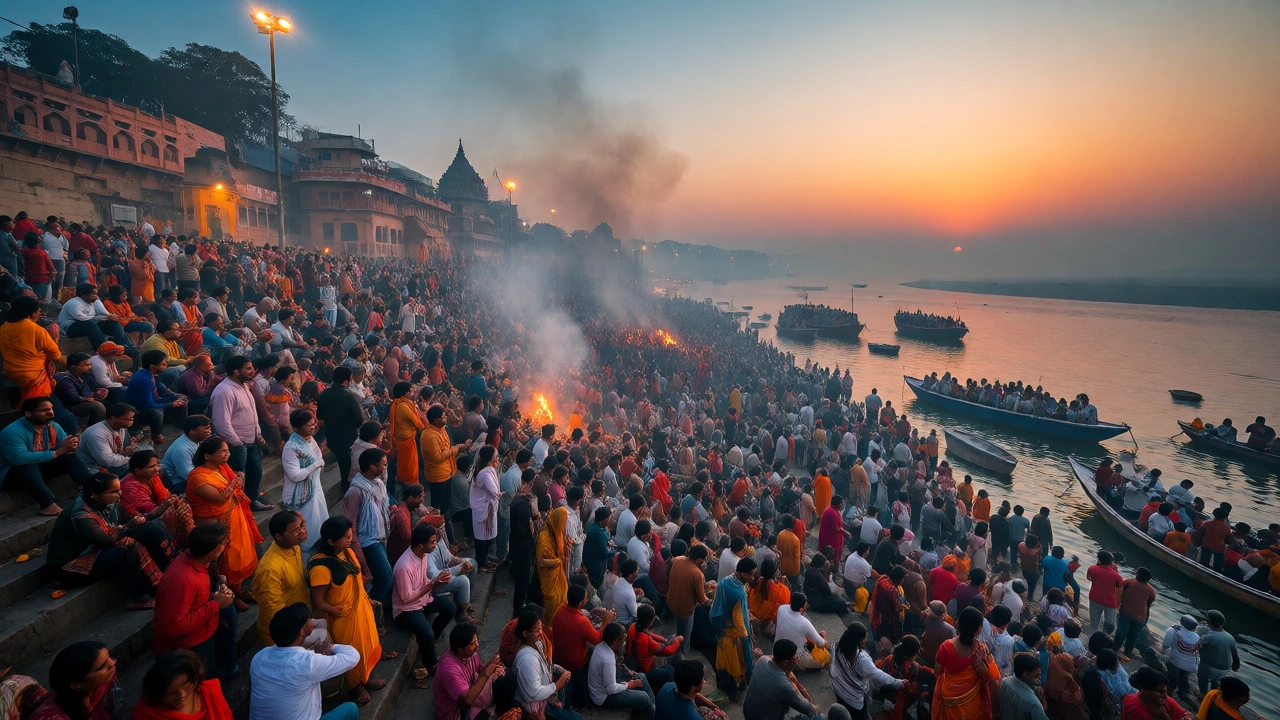
If you judge by sheer headcount, Uttar Pradesh (UP) wins. Period. The state recorded over 300 million domestic tourist visits in recent pre-pandemic benchmarks, and those numbers have rebounded aggressively. The driver here is spiritual tourism. Varanasi alone sees thousands of visitors daily, not just for sightseeing, but for rituals on the ghats.
But UP isn’t just about religion. The Taj Mahal in Agra remains the single most visited monument in the country. For many first-time international visitors, seeing the Taj is non-negotiable. However, the experience differs wildly between domestic and foreign tourists. Domestic groups often visit in large family units, creating a vibrant, chaotic energy. Foreign tourists usually arrive via guided tours, focusing on photography and history.
What does this mean for you? If you hate crowds, UP might feel overwhelming. The infrastructure is improving-new expressways connect Delhi to Agra and Lucknow-but the density of people is high. You’re trading privacy for accessibility. You can find budget hotels everywhere, but finding a quiet corner near the Taj requires early morning effort.
The Favorite for International Travelers: Kerala and Goa
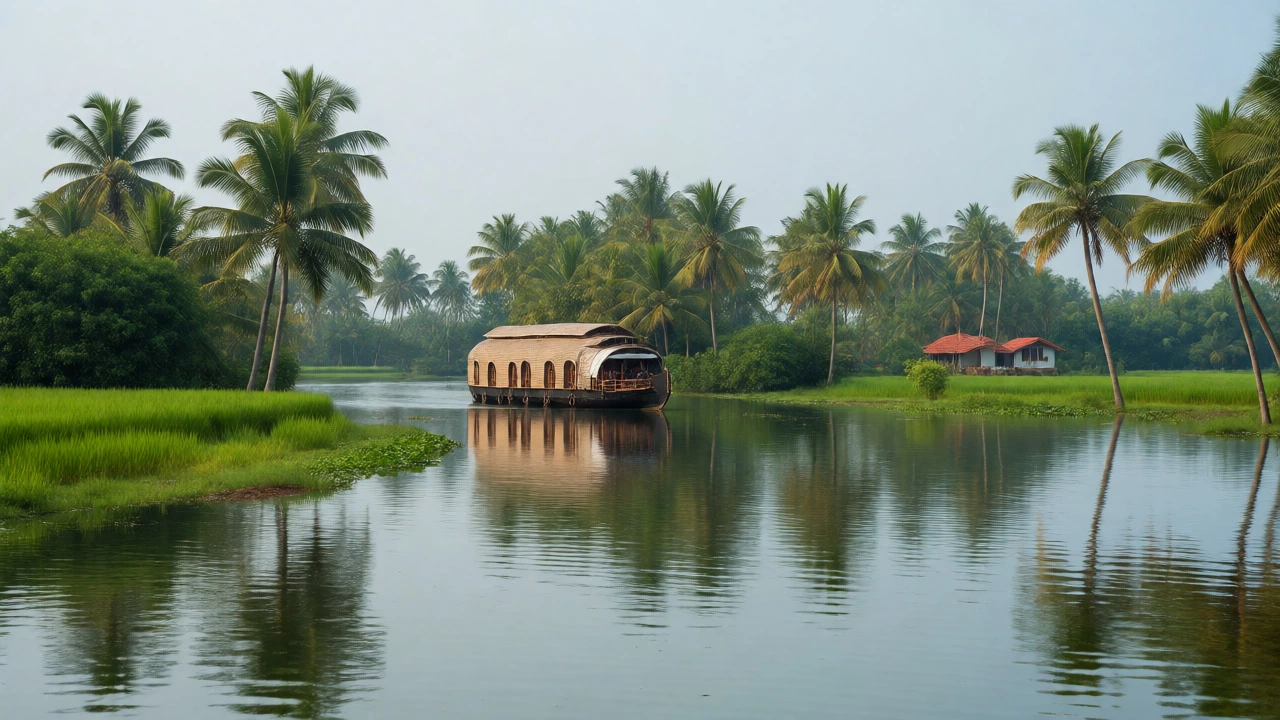
While UP handles the volume, Kerala and Goa handle the vibe. Kerala, known as "God's Own Country," has successfully marketed itself as a premium leisure destination. It attracts a steady stream of Europeans, Americans, and Middle Eastern tourists seeking Ayurveda, houseboat experiences, and lush landscapes.
Kerala stands out because its tourism model is community-based. Unlike mass-market package tours elsewhere, much of Kerala’s appeal lies in homestays and small-scale operators. This keeps the economic benefits local and reduces the feeling of being part of a conveyor belt. The state government actively promotes sustainable practices, which resonates with modern eco-conscious travelers.
Then there’s Goa. It’s smaller geographically but punches way above its weight in terms of visibility. Goa is synonymous with parties, Portuguese heritage, and beaches. For international tourists, especially from Europe, Goa is the default entry point for a relaxed Indian vacation. It doesn’t have the religious pull of UP or the royal grandeur of Rajasthan, but it offers something simpler: ease. You can rent a scooter, eat seafood on the sand, and drink beer without worrying about dress codes or temple etiquette.
Rajasthan: The Cultural Powerhouse
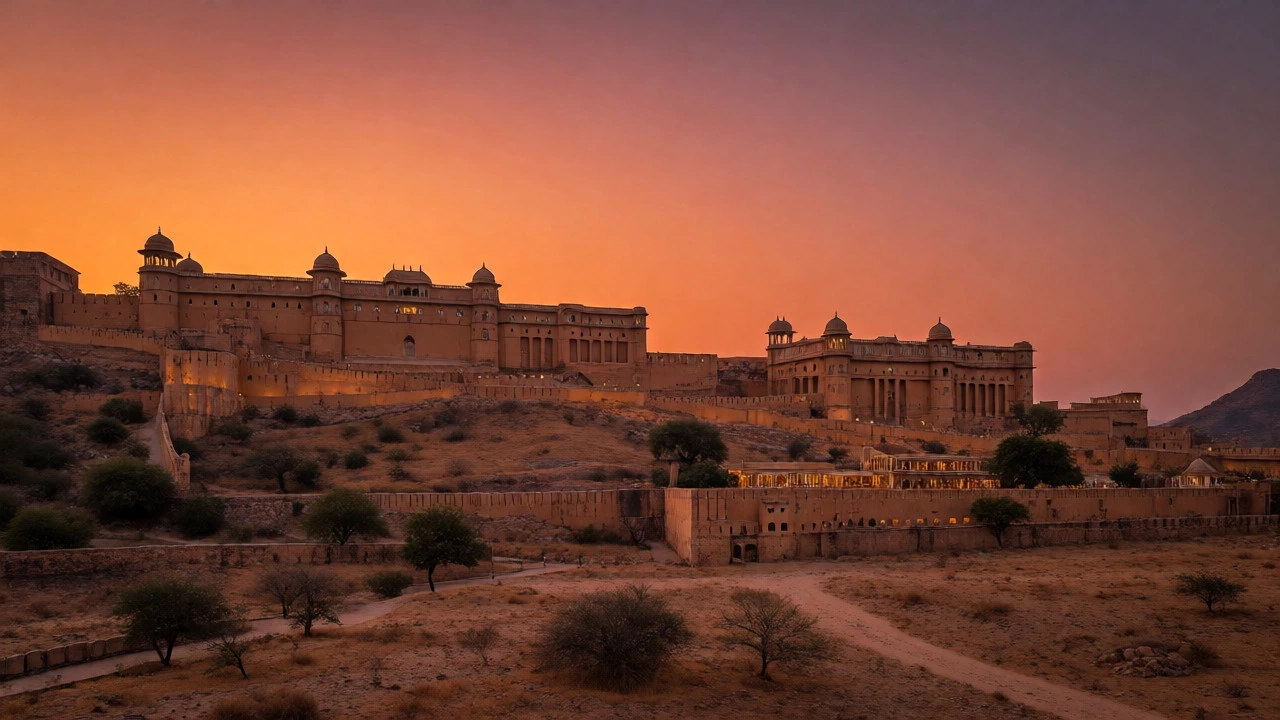
We can’t talk about top tourist states without mentioning Rajasthan. It’s arguably the most visually iconic state in India. The forts of Jaipur, the lakes of Udaipur, and the dunes of Jaisalmer create a narrative that appeals deeply to Western audiences interested in history and architecture.
Rajasthan strikes a balance between domestic and international appeal. Domestic tourists flock to Jaipur for shopping and weddings, while foreigners come for the heritage hotels-palaces converted into luxury accommodations. This dual demand has created a robust hospitality sector. You’ll find everything from ₹2,000 guesthouses to ₹50,000-per-night palace suites.
The challenge in Rajasthan is the heat. Summer temperatures regularly exceed 40°C (104°F), making outdoor exploration difficult. Most serious travelers plan their trips between October and March. If you visit in May, you’re fighting the elements more than the crowds. But if you time it right, Rajasthan offers an immersive cultural experience that few other states can match.
Comparing the Top Contenders
To help you decide where to go based on your preferences, here’s a breakdown of how these top states stack up against each other. Remember, "best" is subjective. What works for a solo backpacker won’t work for a family with toddlers.
| State | Primary Draw | Best Time to Visit | Crowd Level | Ideal For |
|---|---|---|---|---|
| Uttar Pradesh | Pilgrimage & History (Taj Mahal, Varanasi) | Oct - Mar | Extremely High | Culture buffs, Pilgrims, First-timers |
| Kerala | Nature, Backwaters, Wellness | Sep - Mar | Moderate | Honeymooners, Eco-travelers, Foodies |
| Rajasthan | Forts, Palaces, Desert Safaris | Nov - Feb | High (Seasonal) | Photographers, History Enthusiasts, Luxury Seekers |
| Goa | Beaches, Nightlife, Relaxation | Nov - Feb | Very High (Dec-Jan) | Party-goers, Beach lovers, Short breaks |
| Tamil Nadu | Temples, Hill Stations, Cuisine | Oct - Feb | Moderate-High | Architecture fans, Spiritual seekers |
Why South India Often Wins on Satisfaction
You mentioned interest in South India travel, and there’s a reason why. While North India gets the volume, South India often gets higher satisfaction ratings from international tourists. Why? Cleanliness, safety, and food consistency.
States like Karnataka and Tamil Nadu offer diverse experiences within short distances. You can visit the tech hub of Bangalore, drive to the hill station of Coorg, and end up at the temples of Madurai-all in two weeks. The roads in the south are generally better maintained, and the public transport network is reliable.
Plus, the food culture in the south is incredibly consistent. Whether you’re eating dosa in Chennai or filter coffee in Mysore, the quality standards are high. This predictability reduces travel stress. You know what you’re getting, and it’s usually delicious. For travelers who prioritize comfort and hygiene, South India frequently edges out the North.
How to Choose Your Destination Based on Stats
Don’t let the title fool you. There is no single "best" state. Instead, use the data to align with your goals:
- Choose Uttar Pradesh if: You want to see the Taj Mahal, experience intense spiritual energy, and don’t mind chaos. It’s the heartland of Indian culture.
- Choose Kerala if: You want to relax. You’re interested in Ayurveda, wildlife sanctuaries like Periyar, and scenic drives through tea plantations.
- Choose Rajasthan if: You love architecture and luxury. You want to stay in heritage properties and enjoy vibrant festivals like Pushkar Camel Fair.
- Choose Goa if: You want a quick escape. You’re looking for sun, sand, and social interaction. It’s less about deep cultural immersion and more about unwinding.
Keep in mind that seasonality plays a huge role. Visiting Rajasthan in July means monsoon floods and extreme humidity. Visiting Kerala in June means heavy rains that might disrupt houseboat trips. Always check the weather forecast before booking flights.
Beyond the Big Three: Emerging Hotspots
While UP, Kerala, and Rajasthan dominate the headlines, other states are gaining traction. Ladakh has exploded in popularity due to social media and improved road access. It’s no longer just for hardcore bikers; families and photographers are visiting in record numbers. However, the infrastructure struggles to keep up, leading to altitude sickness issues and waste management challenges.
Similarly, Assam and the Northeast are becoming viable options for offbeat travelers. Kaziranga National Park offers rhino sightings that rival Africa, and the culture is distinct from mainland India. If you’re tired of the typical tourist trail, heading east might give you the authentic experience you’re craving.
Practical Tips for Navigating Crowds
No matter which state you choose, managing crowd expectations is key. Here are some proven strategies:
- Book Early: Popular spots like the Taj Mahal require advance tickets online to skip long queues. Same goes for train journeys during peak seasons.
- Travel Off-Peak: Avoid December and January if you dislike crowds. Try February or September instead. Prices drop, and attractions are quieter.
- Hire Local Guides: They know the best times to visit specific monuments to avoid tour bus influxes. Plus, they provide context you’d miss reading signs.
- Explore Secondary Cities: Instead of only staying in Jaipur, spend nights in nearby villages or smaller towns. You’ll get a more genuine interaction with locals.
Final Verdict: It Depends on Your Lens
So, which is the most tourist state in India? If you count heads, it’s Uttar Pradesh. If you count international arrivals and leisure spending, it’s a tie between Kerala and Rajasthan. If you count pure holiday vibes, it’s Goa.
Your choice should reflect what you value most. Do you seek spiritual depth? Go North. Do you seek natural beauty and wellness? Go South. Do you seek royal opulence? Go West. India is too diverse to be summed up by one statistic. Use these insights to craft a trip that matches your personal rhythm, not just the popular narrative.
Is Kerala really the most visited state in India?
No, not by total number of visitors. Uttar Pradesh receives significantly more domestic tourists due to religious sites like Varanasi and Agra. However, Kerala is often considered the most popular among international leisure travelers for its beaches, backwaters, and wellness tourism.
Which state is best for first-time visitors to India?
Rajasthan and Kerala are both excellent choices. Rajasthan offers iconic historical sights like the Taj Mahal (technically in UP but often combined with Rajasthan tours) and Jaipur. Kerala offers a gentler introduction with cleaner environments, easier navigation, and a strong focus on hospitality and food.
When is the best time to visit the top tourist states?
The general best time is October to March. During these months, the weather is pleasant across most of India. Avoid April to June due to extreme heat in North and Central India, and July to September due to heavy monsoons in coastal areas like Kerala and Goa, although some travelers enjoy the greenery and lower prices during the rains.
Is tourism in India safe for solo female travelers?
Yes, with precautions. Kerala and Goa are generally considered safer and more comfortable for solo women due to higher tourist presence and progressive local attitudes. In Uttar Pradesh and Rajasthan, dressing modestly and using reputable transport services are recommended. Always research specific city reputations before traveling.
Do I need a visa to visit these states?
If you are an international traveler, yes, you need an Indian Visa. The e-Visa system covers most countries and allows entry through major airports in Delhi, Mumbai, Chennai, Kochi, and Goa. Domestic tourists do not need visas but may need ID proof for hotel check-ins and monument entries.