Cultural Tourism India: Explore Heritage, Festivals, and True Indian Traditions
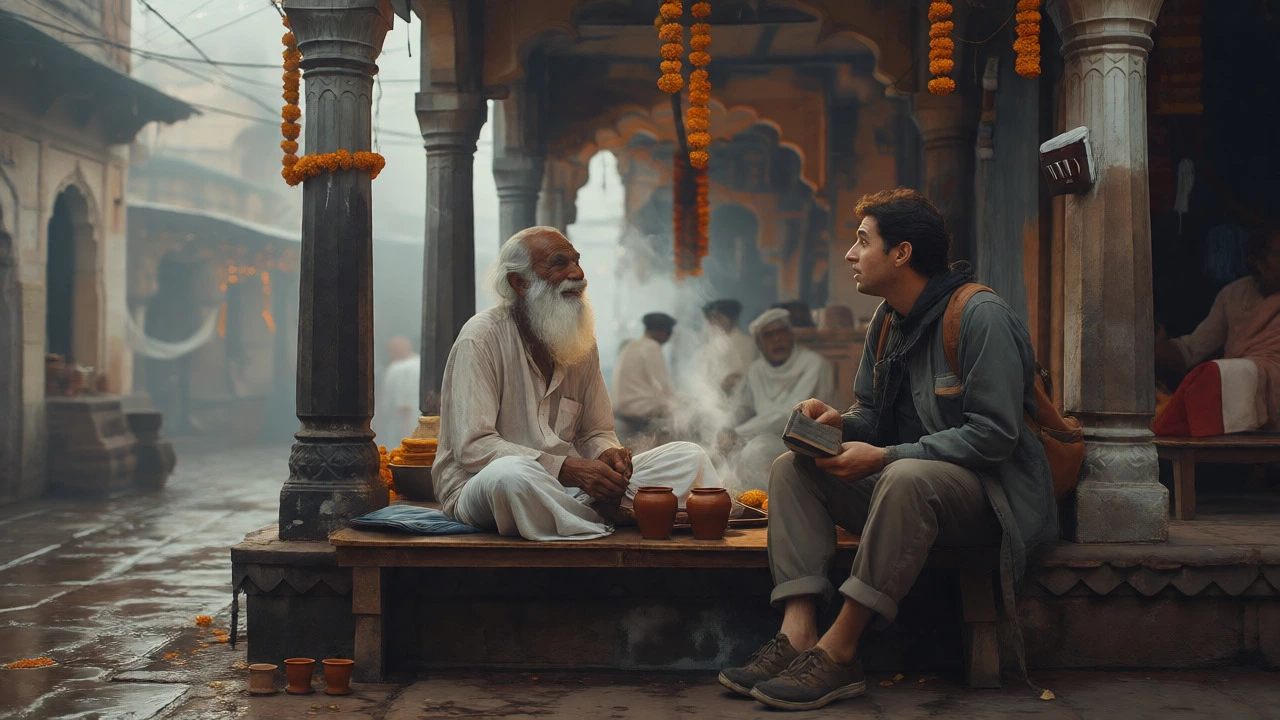
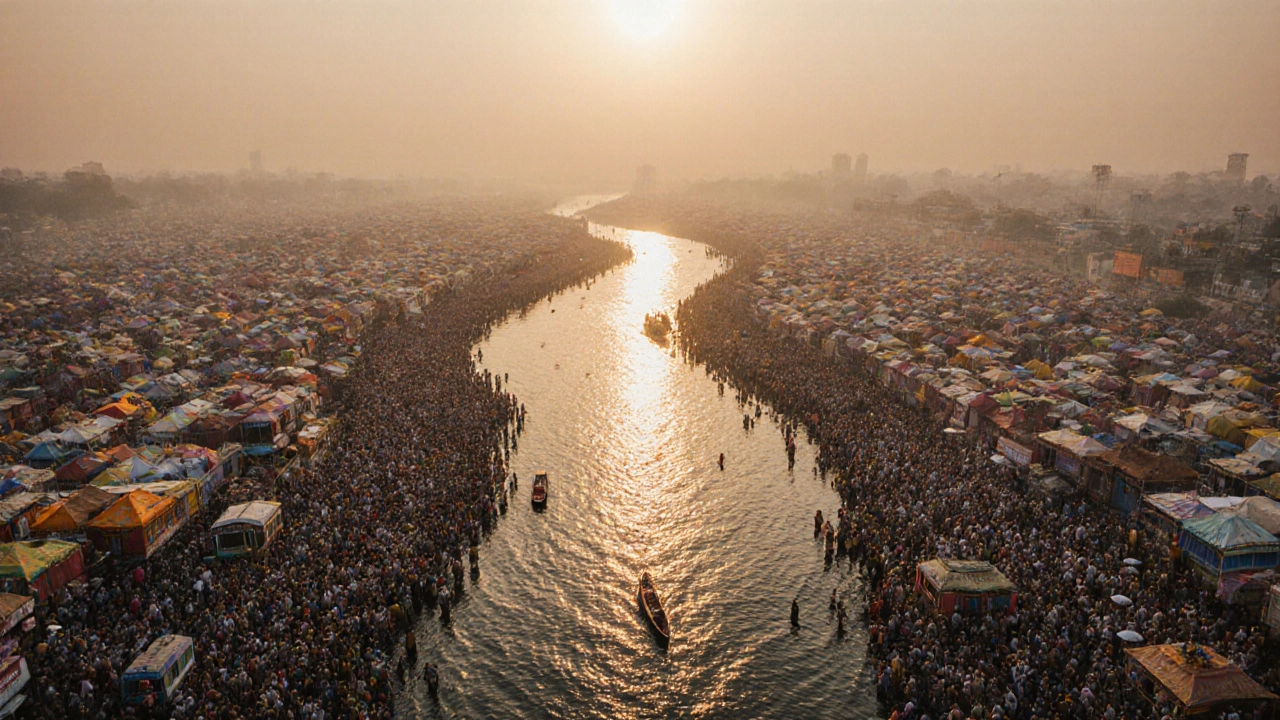
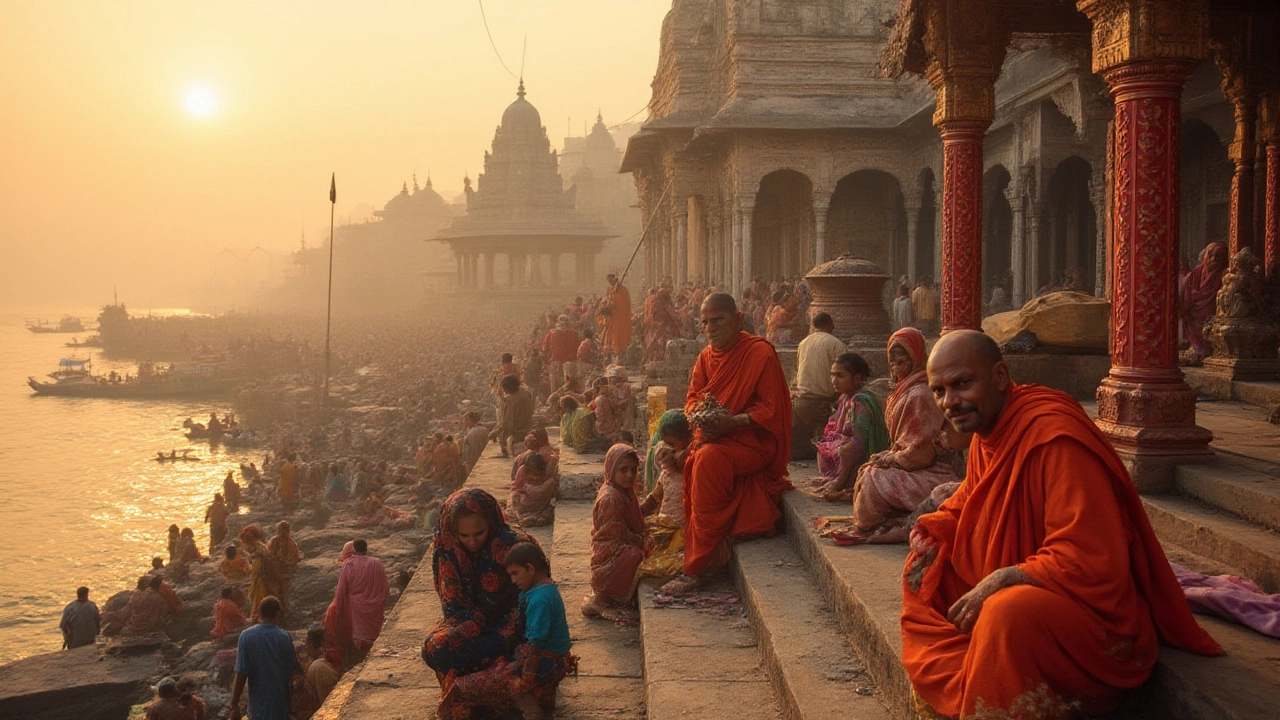
When you think of Cultural tourism India, travel that connects you to the living traditions, rituals, and daily life of a place. Also known as heritage tourism, it’s not about snapping photos at monuments—it’s about sitting with locals during a morning prayer, tasting food cooked the same way for 300 years, or standing in a crowd of millions at the Kumbh Mela, the world’s largest religious gathering, where tens of millions bathe in sacred rivers. This is India’s soul, not its souvenir shop.
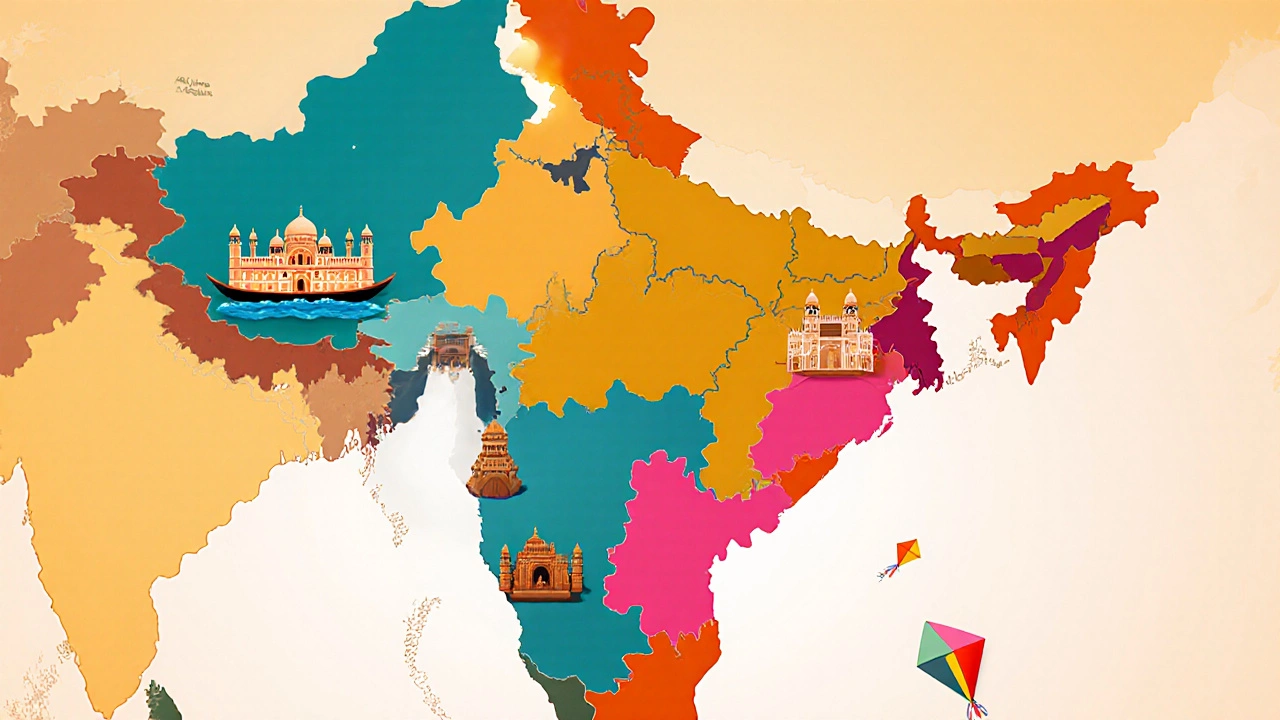
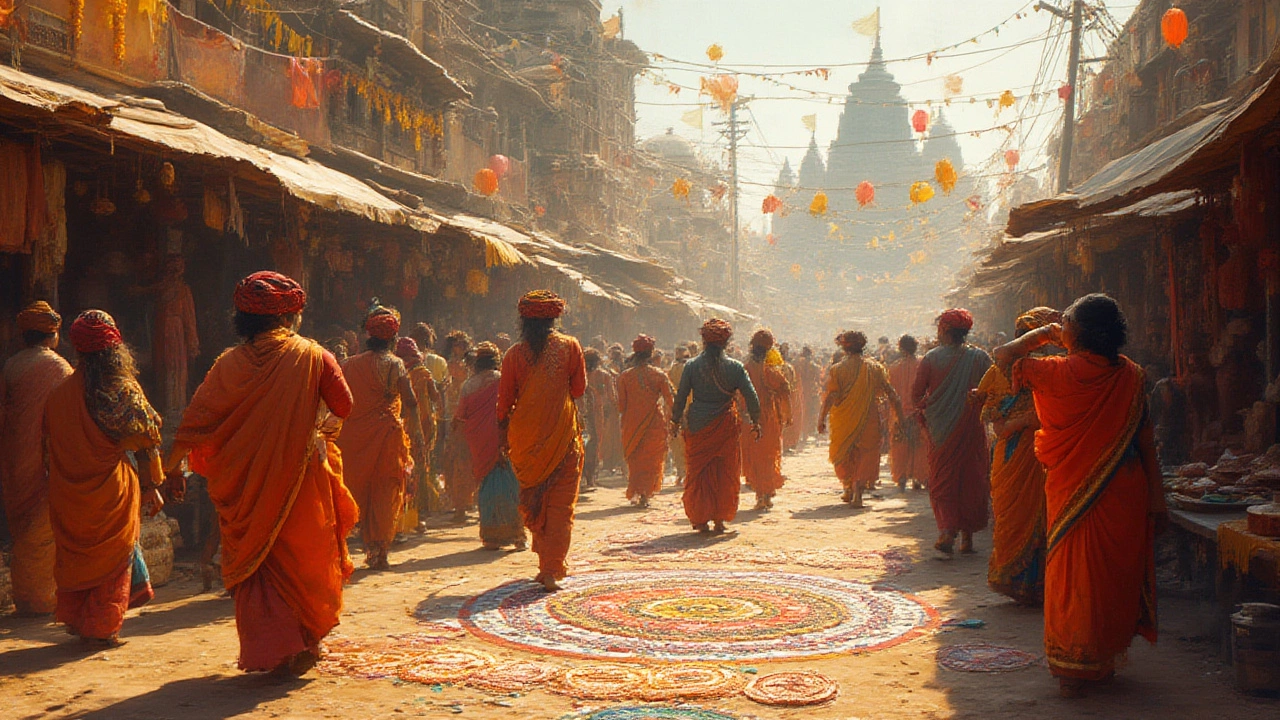
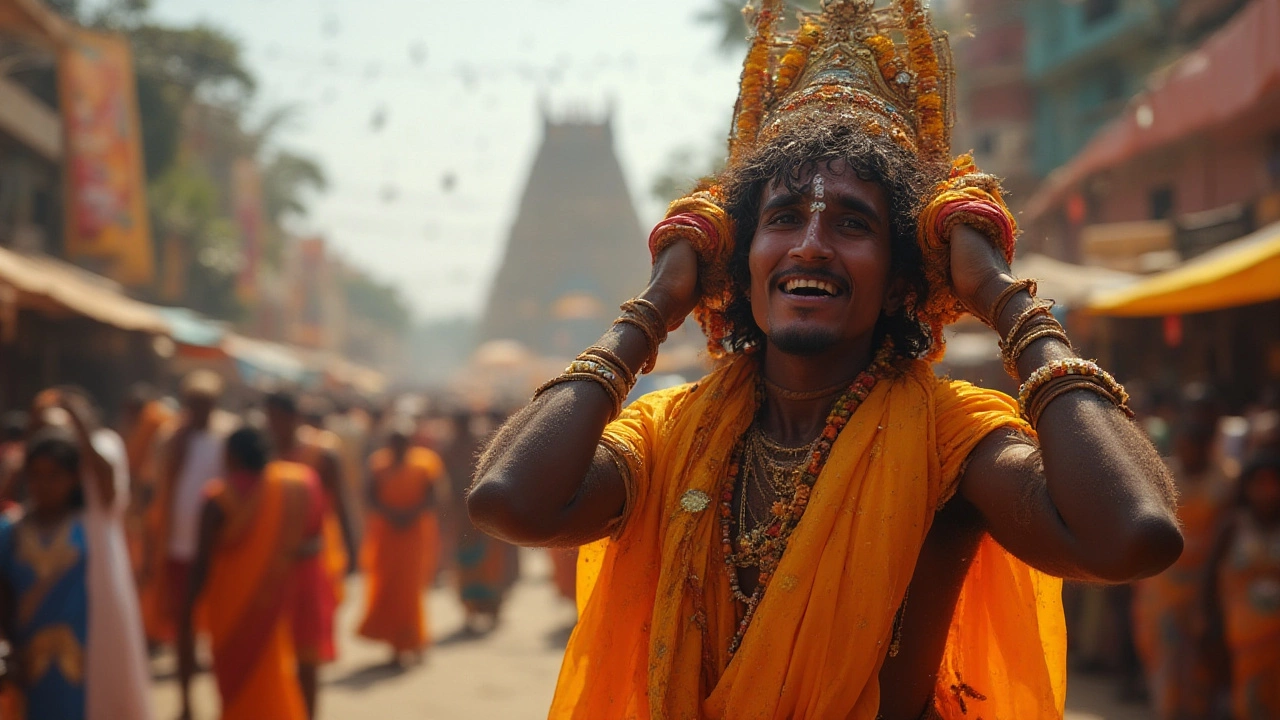
What makes cultural tourism here different? It’s not packaged. It’s not staged. You won’t find a single Indian state that doesn’t have its own language, dance, festival, and way of eating. In Rajasthan, a state famous for its desert forts, colorful textiles, and royal history, you’ll hear folk songs sung under starlit skies. In Kerala, a southern state where backwaters, temple rituals, and Ayurveda shape daily life, you’ll eat from banana leaves and watch Kathakali dancers paint their faces with natural pigments. And in UNESCO heritage sites, cities like Jaipur, Hampi, and Khajuraho recognized globally for their historical and architectural significance, history isn’t behind glass—it’s in the footsteps of pilgrims, the rhythm of temple bells, and the smell of incense in narrow alleys.
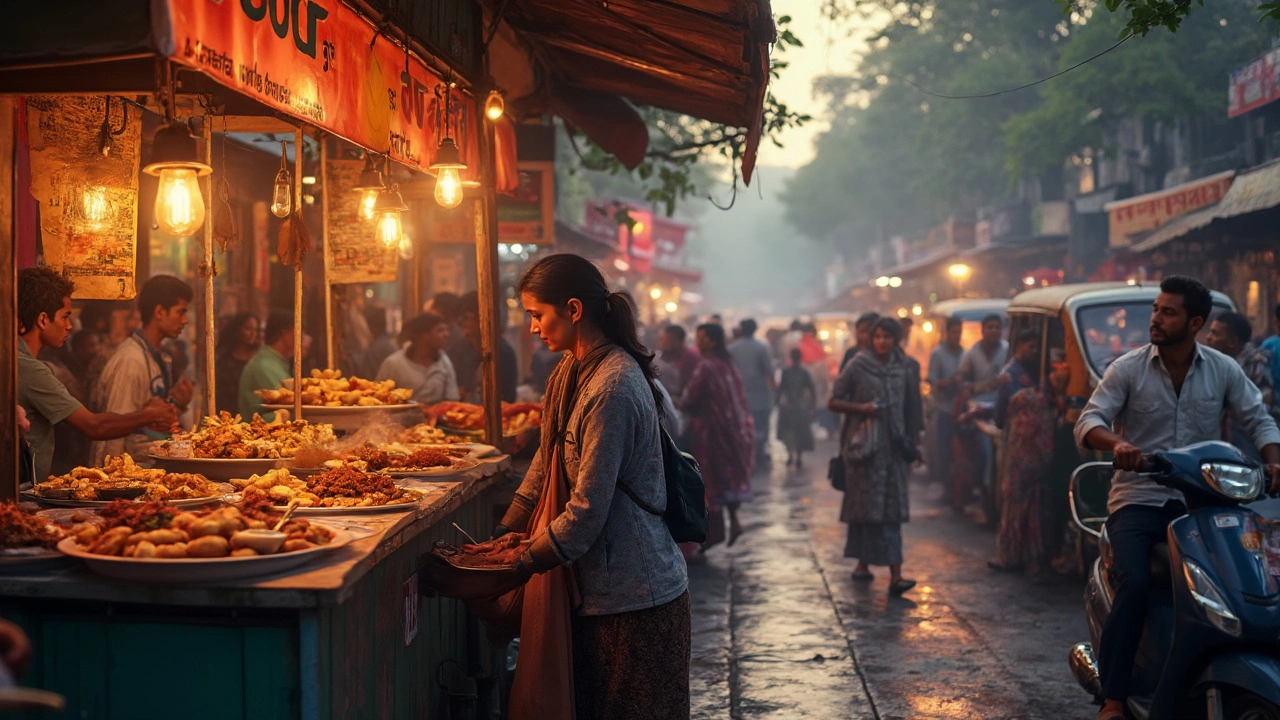
Food isn’t just a meal here—it’s a cultural act. The most eaten food in India? Roti and rice, yes—but how they’re made, who eats them, and when, tells you everything about caste, region, and family. Chicken is the most consumed meat, not because it’s trendy, but because it fits into religious beliefs and rural economies. Even something as simple as a banana has stories: where it’s grown, how it’s cleaned, who sells it. These aren’t trivia—they’re threads in the fabric of daily life.
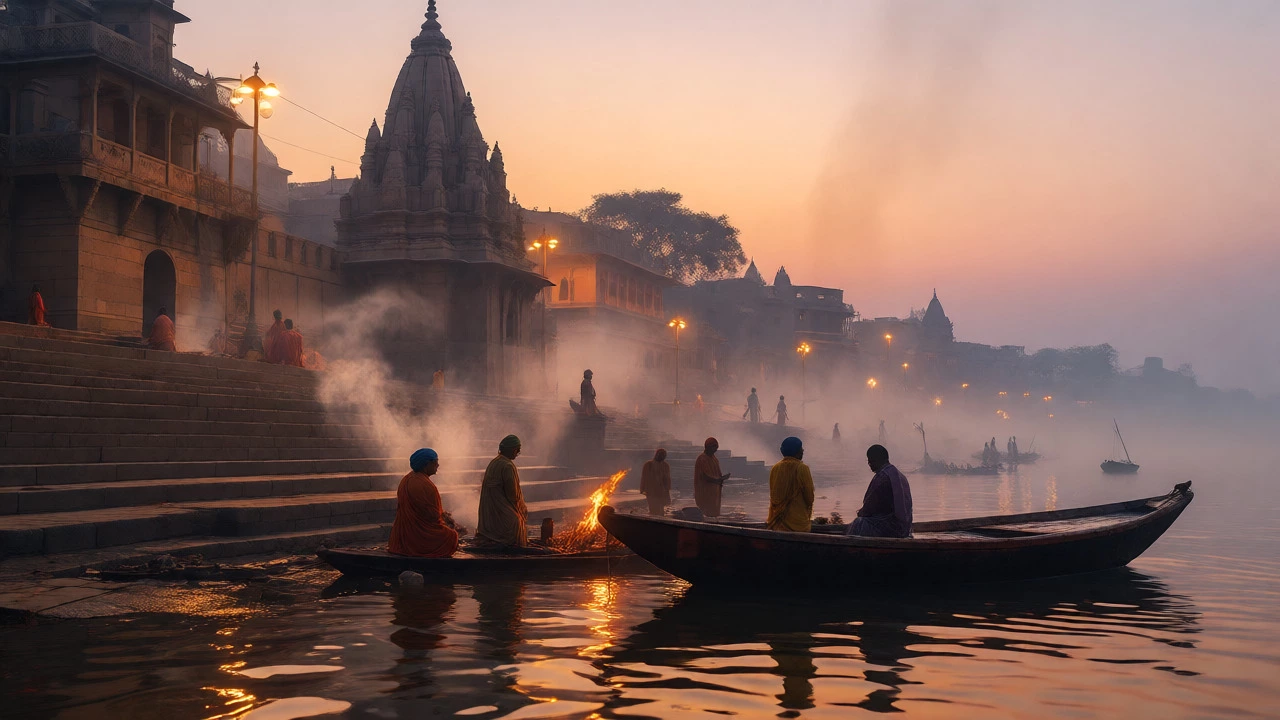
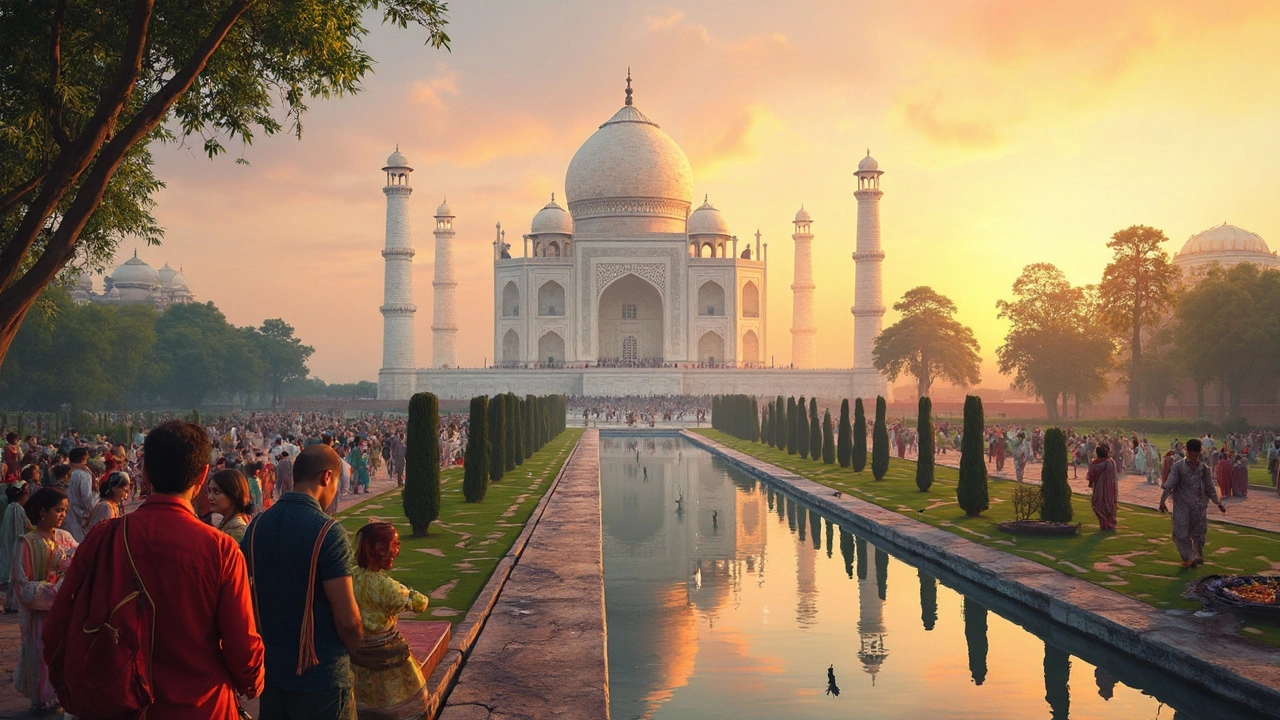
Some travelers come for the grandeur—the Taj Mahal, the forts, the temples. Others come for the quiet: a village festival in West Bengal, a monsoon ritual in Tamil Nadu, or a silent meditation by the Ganges at dawn. There’s also dark tourism—places tied to pain, resistance, and history. India doesn’t hide its past. It lives with it. And that’s what makes the experience real.
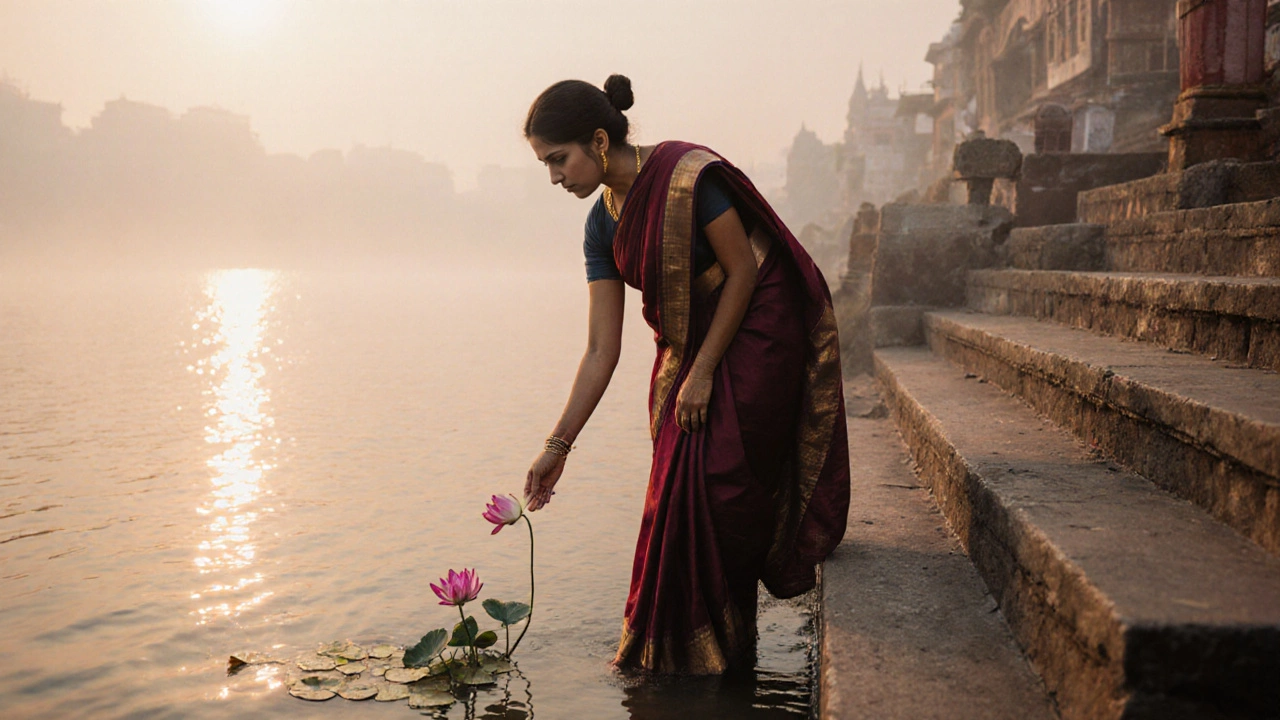
What you’ll find in these articles? No fluff. No generic lists. Just real stories: why Russians are talking about India, how a festival can be the hardest thing you’ll ever do, what meat Indians actually eat, and why the most beautiful woman in India isn’t on a billboard. These are the unfiltered truths of cultural tourism in India—what you need to know before you go, and what you’ll remember long after you leave.