When you think of a beach vacation in India, you’re not just looking for sand and sun. You want waves that don’t feel like a washing machine, water clear enough to see your toes, and a vibe that’s either chill or lively - not both at once. The truth? Not all beaches are made equal. Some are packed with selfie sticks and overpriced cocktails. Others feel like you’ve stumbled into a secret the rest of the world forgot about. So where’s the real best place? Let’s cut through the noise.
Goa: The Classic Choice - But Not Always the Best
Goa still draws the biggest crowds. It’s got the infrastructure, the clubs, the shacks, the Portuguese churches, and the cheap beer. North Goa, especially Baga and Calangute, is what most people picture: neon-lit bars, jet skis buzzing like hornets, and vendors selling coconut water from wheelbarrows. But if you’re after peace, you’ll hate it. By mid-February, the winter crowd is thinning, but the noise hasn’t left yet. The water? Often murky from monsoon runoff. The sand? Fine, but packed tight with umbrellas and towels.
South Goa, though? That’s different. Palolem, Colva, and Agonda offer wider shores, fewer vendors, and a slower rhythm. You can walk for miles without passing a single vendor. The beach shacks serve fresh catch grilled over coconut husks. The water is clearer, and the sunsets? Uninterrupted. But even here, you’re still in a tourist zone. If you want true isolation, keep reading.
Andaman and Nicobar Islands: The Real Hidden Gem
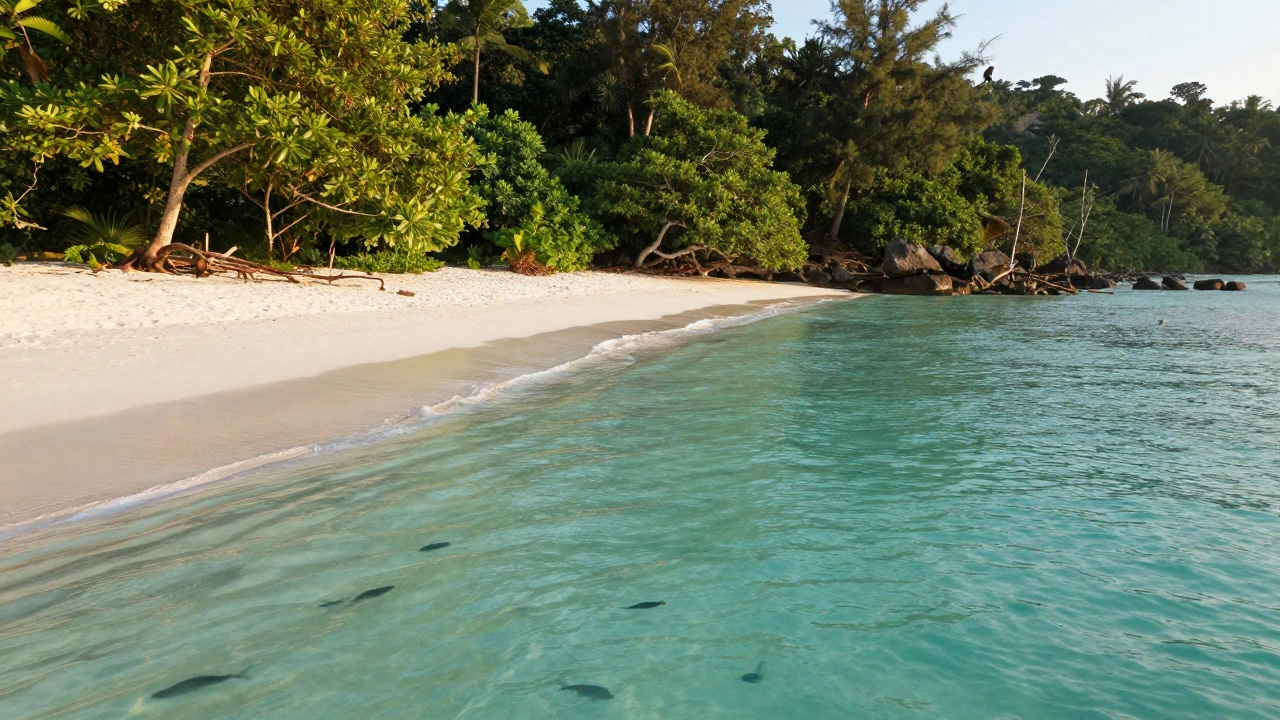
Here’s where you go if you’ve already been to Goa and you’re ready for something that feels like a different planet. Havelock Island - specifically Radhanagar Beach - is often called the best beach in Asia. And for good reason. The sand is powdery white, almost glowing under the sun. The water? Turquoise, so clear you can count fish at 10 feet down. No motorboats. No vendors. Just you, the tide, and the occasional monkey in the trees.
Access isn’t easy. You need a flight to Port Blair, then a ferry. It’s not cheap. But what you get is untouched. The coral reefs are alive. Snorkeling here isn’t a tour - it’s a daily ritual. You can swim with sea turtles, spot parrotfish in neon colors, and hear nothing but waves for hours. There are no chain hotels. Just a handful of eco-bungalows run by locals who know the tides better than their own names.
And it’s not just Havelock. Neil Island has quieter shores. Baratang Island has mud volcanoes and limestone caves you can kayak through. The whole chain feels like a protected secret. The government limits daily visitors to keep it that way. That’s why, in February 2026, you can still find a stretch of beach with no one else on it.
Kerala’s Backwater Beaches: Where the Sea Meets the Lagoon
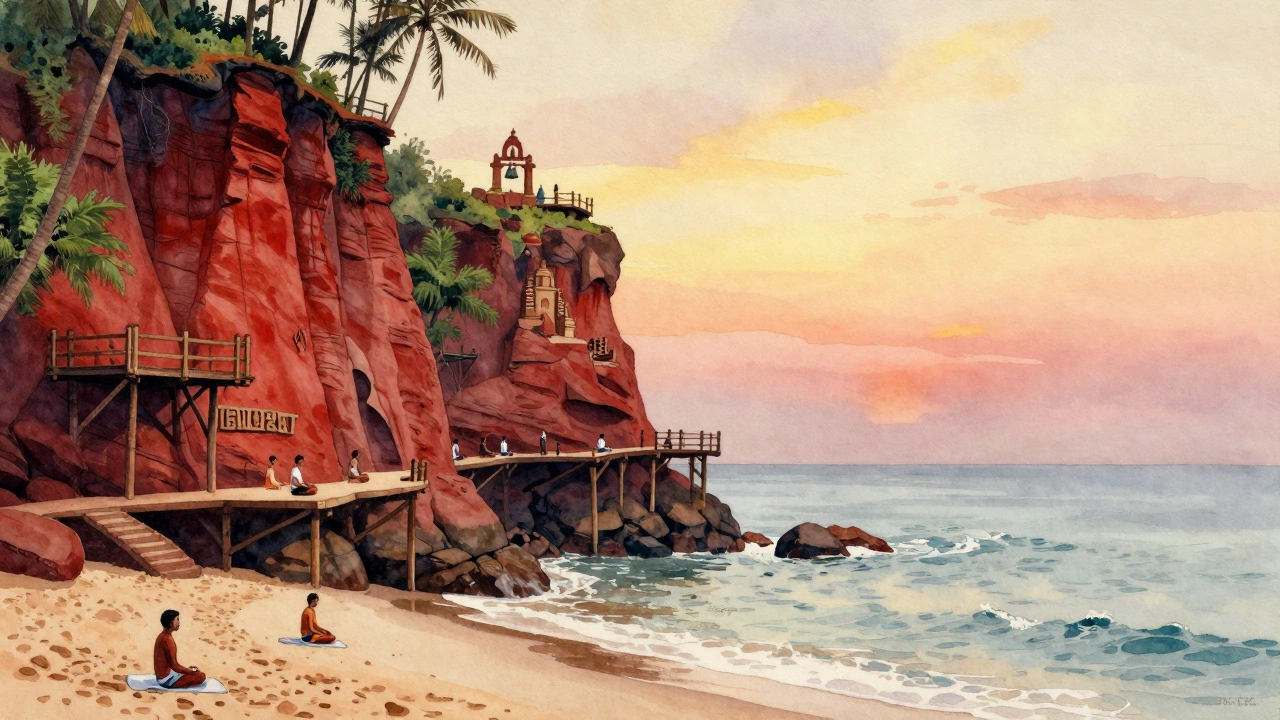
Most people think of Kerala for houseboats and spice markets. But its coastline? Underrated. Varkala Beach isn’t a typical sandy strip. It’s a cliffside beach with red laterite rock formations dropping straight into the Arabian Sea. The water is calm, perfect for swimming. The cliffs give you natural shade and yoga platforms carved into the stone.
Here, you’ll find Ayurvedic spas tucked between beach shacks. Locals sell fresh jackfruit and coconut water from bamboo carts. No loud music. No jet skis. Just the sound of temple bells from the nearby cliffside shrine. Kovalam is more developed, but even there, the southern end - Lighthouse Beach - stays quiet. The water is warmer than Goa’s. The vibe? Spiritual, not party.
If you’re looking for a beach that feels like a wellness retreat, Kerala’s coast is the answer. You don’t just relax here - you reset.
Odisha’s Unexplored Shores: The Quiet Contender
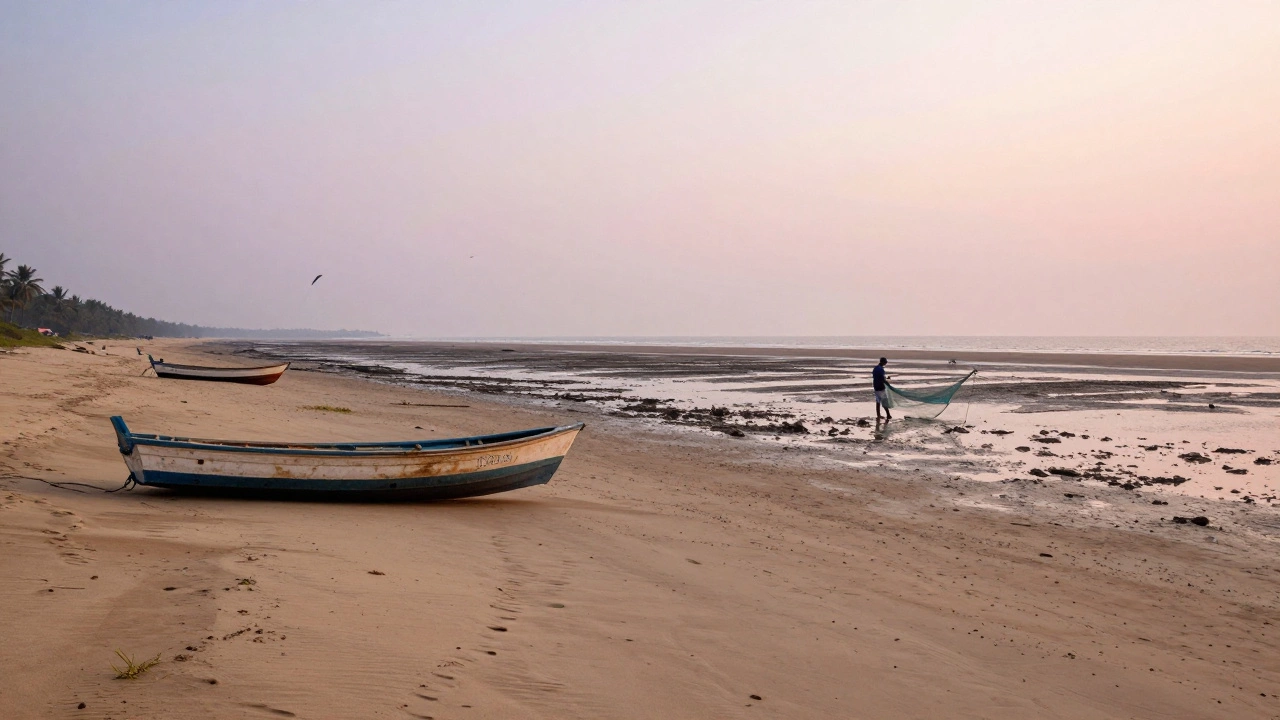
Most travelers skip Odisha. Big mistake. Puri’s beach is famous - but crowded. The real treasure? Chandipur. It’s a tidal beach. Twice a day, the sea pulls back nearly a kilometer. You can walk where boats float just hours before. The sand is hard-packed, perfect for running. No vendors. No crowds. Just fishermen mending nets and kids flying kites.
Further south, Gopalpur-on-Sea has a colonial-era lighthouse and a single stretch of beach that feels like it hasn’t changed since the 1970s. The water is clean. The seafood is cheap and fresh. You can stay in a homestay run by a retired schoolteacher who serves fish curry with rice on banana leaves. No Wi-Fi. No AC. Just sea breeze and stars.
It’s not Instagram-ready. But if you want to feel like you’ve found a place time forgot, this is it.
Andaman vs. Goa: The Real Choice
Let’s cut to the chase. If you want convenience, nightlife, and a mix of culture and beach - go to Goa. But if you want to feel like you’ve escaped the world - go to Andaman.
Here’s a quick breakdown:
| Feature | Andaman & Nicobar | Goa |
|---|---|---|
| Water Clarity | Excellent - coral reefs visible | Moderate - often cloudy after monsoon |
| Crowds | Low - limited daily access | High - especially in North Goa |
| Activities | Snorkeling, diving, kayaking, jungle trails | Partying, water sports, shopping, clubs |
| Accommodation | Eco-bungalows, small homestays | Resorts, hostels, luxury villas |
| Cost (per night) | $50-$150 | $20-$100 |
| Best for | Peace, nature, diving | Fun, convenience, social scene |
The truth? Andaman is the best place for a beach vacation in India - if you’re willing to put in the effort. It’s not the easiest. But it’s the most unforgettable.
What Most People Miss
Here’s the thing: the best beach isn’t the one with the most likes. It’s the one where you forget your phone. Where you wake up and realize you haven’t checked your email in three days. Where the only schedule is the tide.
Andaman gives you that. Kerala gives you calm. Odisha gives you surprise. Goa gives you comfort.
So ask yourself: Are you looking for a vacation - or an escape?
Is February a good time to visit Indian beaches?
Yes, February is one of the best months. The monsoon is long over, the humidity is low, and the water is crystal clear. It’s the tail end of peak season, so crowds are thinner than in December or January. Prices are dropping. You’ll get better deals on flights and stays. The only downside? A few spots like Andaman might have limited ferry schedules as the tourist season winds down.
Can I visit Andaman on a budget?
Absolutely. Flights to Port Blair can be pricey, but once you’re there, costs are low. Homestays on Havelock Island start at $25 a night. Local ferries cost under $5. Meals are $3-$7. You don’t need luxury. You need a hammock, a towel, and a willingness to walk. Skip the dive tours - just snorkel from the shore. You’ll see more that way.
Are Indian beaches safe for swimming?
Most are - if you stick to marked zones. Andaman’s beaches are calm and safe. Kerala’s are gentle, too. Goa’s North beaches have strong riptides - avoid swimming past the flags. Always ask locals. They’ll tell you which spots are safe today. Never assume calm water means safe. Tides change fast.
What’s the one thing I should pack for an Indian beach trip?
A reusable water bottle and a quick-dry towel. Tap water isn’t safe. Plastic bottles are everywhere - and expensive. A good quick-dry towel lets you go from beach to bus to homestay without dripping everywhere. Also, bring cash. Many places don’t take cards - not even in Andaman.
Do I need a permit to visit Andaman?
Foreign tourists need a Protected Area Permit (PAP), which is free and issued on arrival at Port Blair airport. Indian citizens need no permit for Havelock, Neil, or Port Blair. But if you want to visit restricted islands like North Sentinel or Long Island, you need special clearance - and most tour operators won’t take you there anyway. Stick to the main islands. You won’t miss anything.
Final Thought
The best beach in India isn’t the one with the most Instagram posts. It’s the one that makes you pause. That makes you put your phone down. That makes you realize you didn’t know you needed silence until you heard it. Andaman gives you that. Kerala gives you peace. Odisha gives you wonder. Goa gives you fun.
So pick your vibe. Then go. The sand is waiting.