South India Travel Budget Planner
Choose the option that best fits your comfort level and spending habits.
Hostels, street food, public transport
Guesthouses, local restaurants, taxis
Palace stays, fine dining, private car
There’s a persistent myth that South India is just about beaches and hot weather. But if you’ve ever scrolled through photos of the misty hills of Munnar or watched a classical dance performance in Chennai, you know the reality is far more layered. The question isn’t really whether it’s worth it; it’s whether you’re ready for a trip that demands a bit more patience than a standard city break but rewards you with experiences you won’t find anywhere else in the world.
For many travelers coming from Europe or North America, the decision hinges on three things: cost, comfort, and cultural depth. South India checks all three boxes, but in ways that might surprise you. It’s not the cheapest region in India-Kerala can rival European prices during peak season-but it offers a level of service and infrastructure that often outpaces other parts of the subcontinent. If you’re looking for a hassle-free first time in Asia, this is arguably the best place to start.
The Real Cost of Traveling in South India
Let’s talk money first, because that’s usually the biggest hesitation. Compared to Northern India, South India is pricier. A mid-range hotel in Kochi or Bengaluru will set you back significantly more than a similar spot in Jaipur or Delhi. However, when you factor in the quality of English spoken, the reliability of public transport, and the safety levels, the value proposition shifts.
You don’t need to spend a fortune to have an amazing time. Street food in Chennai is some of the best in the country, costing less than a dollar per plate. Local trains are cheap and efficient. If you stick to government-run heritage hotels or well-reviewed guesthouses, you can keep your daily budget under $50 while still sleeping comfortably and eating well. Luxury options exist too, from palace stays in Mysore to houseboats in Alleppey, but they come with a premium tag.
| Expense Category | Budget Option | Mid-Range Option | Luxury Option |
|---|---|---|---|
| Accommodation | $15 - $25 | $40 - $80 | $150+ |
| Meals (3x/day) | $5 - $10 | $15 - $25 | $50+ |
| Local Transport | $2 - $5 | $10 - $20 | $50+ (Private Car) |
| Activities | $5 - $15 | $30 - $60 | $100+ |
Kerala: The Green Heart of the Region
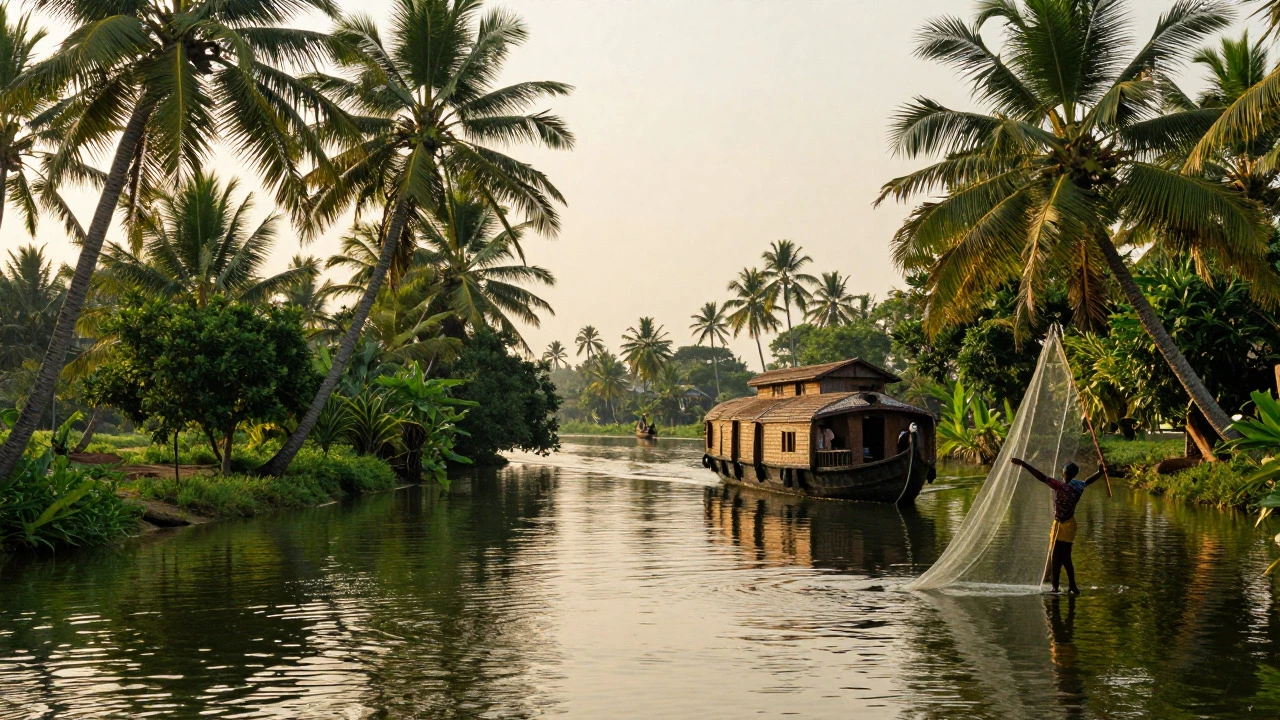
If you only visit one state, make it Kerala. Known as "God’s Own Country," it’s not just a marketing slogan; it’s a description of the landscape. The backwaters of Alleppey are iconic for a reason. Drifting along these slow-moving rivers on a houseboat feels like stepping into a different era. You wake up to fishermen casting nets, pass through coconut palms that lean over the water, and eat fresh seafood cooked by local chefs who have been doing it for generations.
But Kerala is more than water. Head inland to Munnar, and the temperature drops drastically. The tea plantations stretch as far as the eye can see, rolling in green waves against a backdrop of misty mountains. It’s a stark contrast to the humid coastal areas. Then there’s Kovalam, where the beach scene is vibrant but retains a certain charm that larger tourist hubs have lost. The state also has a rich history of Ayurveda, so if you want to combine sightseeing with wellness, this is the place to go.
Tamil Nadu: Where History Meets Modernity
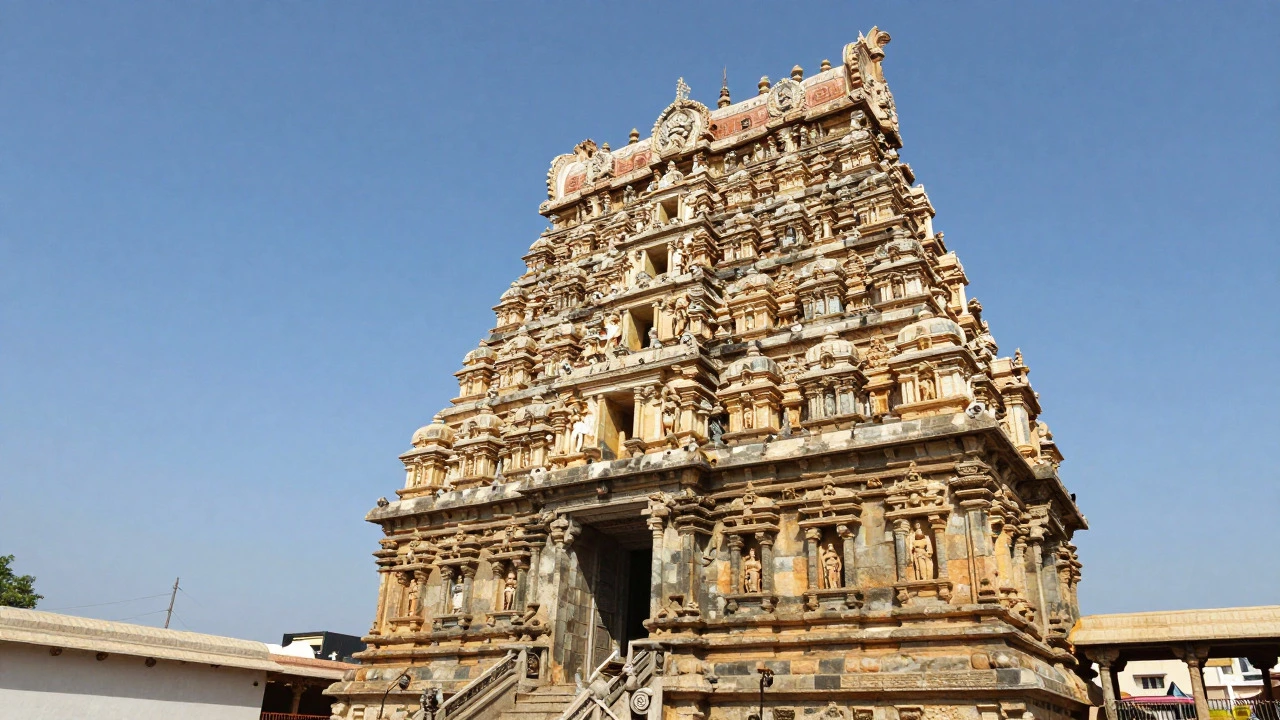
While Kerala offers nature, Tamil Nadu offers history. This state is home to some of the most intricate stone carvings in the world. The Brihadeeswarar Temple in Thanjavur is a UNESCO World Heritage site that dates back to the 11th century. Standing at its base, you get a sense of scale that few modern structures can match. The architecture here isn’t just old; it’s engineering marvels built without modern tools.
Madurai is another gem. The Meenakshi Amman Temple is a riot of color and activity. Unlike the quiet, meditative atmosphere of many northern temples, Madurai is alive with sound, smell, and movement. It’s overwhelming at first, but that’s part of the experience. You’re not just observing history; you’re participating in a living culture. And if you love food, Chennai’s filter coffee and idli-vada breakfasts are non-negotiable stops.
Why the Infrastructure Matters More Here
One of the underrated benefits of traveling in South India is the infrastructure. Cities like Bengaluru and Chennai have metro systems that function reliably. Roads are generally better maintained than in other regions, which makes driving or hiring a private driver much safer. English is widely spoken, especially among younger people and those working in tourism. This reduces the language barrier significantly, making it easier to navigate restaurants, shops, and transport networks.
This doesn’t mean you shouldn’t learn a few words in Tamil or Malayalam. Locals appreciate the effort, and it opens doors to more authentic interactions. But you won’t be stuck trying to figure out where the train station is. This ease of navigation is crucial for solo travelers or families with children who might feel overwhelmed by the chaos of other parts of India.
Best Time to Visit and Weather Considerations
Timing your trip can make or break your experience. The monsoon season, from June to September, brings heavy rains to the coast. While this can be beautiful in places like Munnar, where the rain enhances the greenery, it can wash out beach plans in Kovalam or Varkala. October and November are often considered the sweet spot. The rains have receded, the temperatures are mild, and the crowds haven’t yet peaked for the winter holiday season.
Winter, from December to February, is peak season. Prices are higher, and popular spots like Alleppey and Munnar can get crowded. If you’re sensitive to heat, this is the time to go. Summer, from March to May, is hot and humid, especially in the plains. However, if you’re heading to hill stations like Ooty or Coorg, summer can actually be quite pleasant. Just be prepared for higher humidity in the cities.
Cultural Nuances You Should Know
South India has a distinct cultural identity that differs from the north. Dress codes are slightly more relaxed, but modesty is still appreciated, especially when visiting temples. Men should remove their shoes before entering sacred areas, and women may need to cover their shoulders. Food is predominantly vegetarian, though seafood is huge in coastal areas. Be mindful of dietary restrictions if you’re dining out, as spices can be intense. Most restaurants offer a "mild" option, but it’s always good to ask.
Festivals play a big role in daily life. If you visit during Pongal in Tamil Nadu or Onam in Kerala, you’ll witness vibrant celebrations that give you a glimpse into local traditions. These events can add layers to your trip, but they also mean busier streets and harder-to-book accommodations. Planning around festivals can enhance your experience, provided you book early.
Common Mistakes Travelers Make
Even experienced travelers stumble in South India. One common mistake is underestimating the distance between attractions. What looks close on a map can take hours to drive due to winding roads or traffic. Always check travel times before planning your day. Another error is assuming all beaches are equal. Some are rocky, others are sandy, and some are heavily commercialized. Do your research on specific beaches like Varkala or Marari before you go.
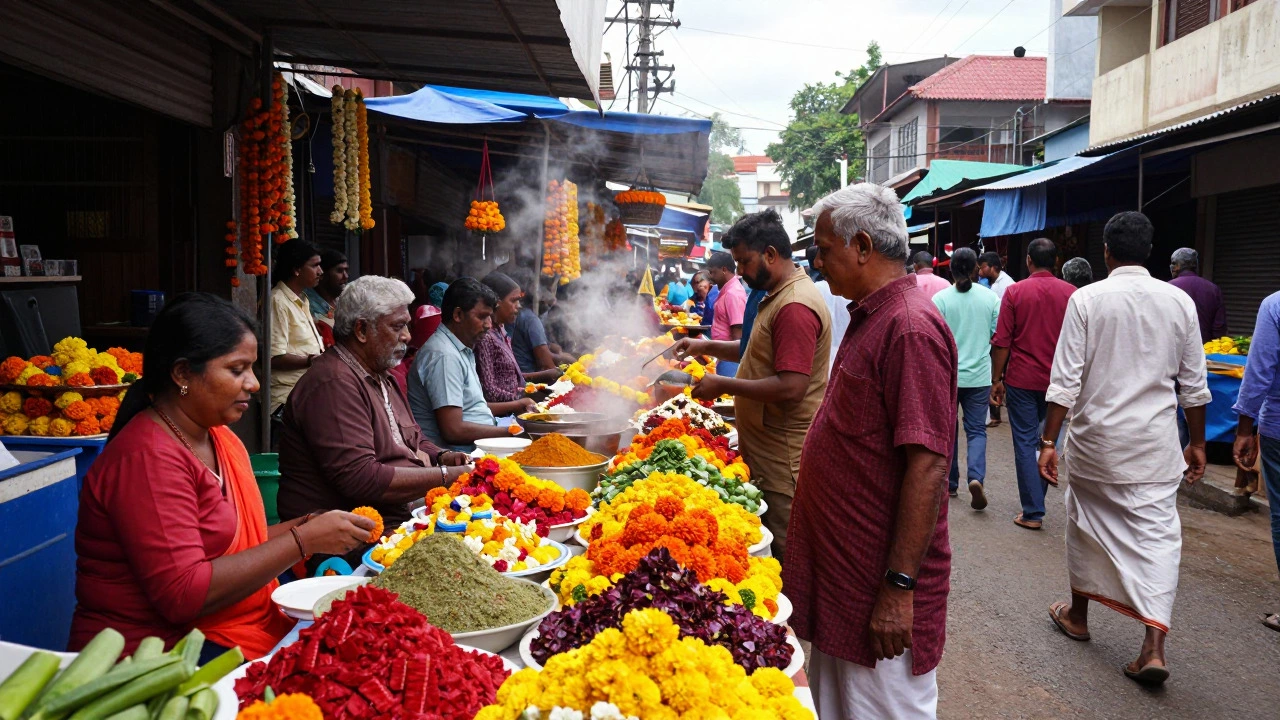
Also, don’t skip the local markets. They’re not just for shopping; they’re social hubs where you can sample fruits, spices, and snacks. Bargaining is expected, but keep it friendly. Finally, stay hydrated. The heat and humidity can catch you off guard, even in cooler months. Carry water with you at all times, and avoid ice in street stalls if you have a sensitive stomach.
Is South India safe for solo female travelers?
Yes, South India is generally considered one of the safest regions in India for solo female travelers. Major cities have good police presence, and locals are known for being helpful. Standard precautions apply: avoid isolated areas at night, use reputable taxis or ride-hailing apps, and dress modestly when visiting religious sites. Many women report feeling more comfortable here than in other parts of the country due to the lower crime rates and higher English proficiency.
How many days do I need for a South India itinerary?
A minimum of 7 to 10 days is recommended to cover the highlights without rushing. For example, you could spend 3 days in Kerala (backwaters and hills), 3 days in Tamil Nadu (temples and cities), and 2 days in a coastal area. If you want to include trekking or extensive wildlife safaris, extend your trip to 14 days. Less than 7 days will feel like a whirlwind, leaving little time to absorb the culture.
What is the best way to get around South India?
Trains are the backbone of travel in the region. Indian Railways operates frequent services between major cities like Chennai, Bangalore, and Kochi. For shorter distances, auto-rickshaws and metered taxis are convenient. For longer trips, consider hiring a private driver with a car. This offers flexibility and comfort, especially if you’re visiting rural areas or hill stations where public transport is limited. Flights are available for inter-state travel but can be expensive compared to overnight trains.
Is South India suitable for families with young children?
Absolutely. The clean air, safe environment, and family-friendly activities make it ideal for kids. Houseboats in Kerala are a hit with children, as are the zoo and botanical gardens in various cities. However, be prepared for long travel times between destinations. Keep itineraries flexible to allow for rest breaks. Medical facilities in major cities are excellent, so health concerns are minimal.
Do I need a visa to visit South India?
Yes, unless you are from a visa-exempt country. Most tourists will need to apply for an e-Visa, which is processed online and usually approved within 72 hours. Ensure your passport is valid for at least six months from your date of entry. The e-Visa allows for multiple entries and stays of up to 90 days, which is sufficient for most leisure trips. Check the latest requirements on the official Indian government website before booking flights.