First Class Rail Travel Value Calculator
Journey Details
Analysis Result
Enter your journey details to see if the upgrade is worth it.
Picture this: you are sitting in a plush armchair that actually reclines. There is a gentle hum of the wheels on the tracks, but it feels distant, muffled by thick carpets and double-glazed windows. A waiter approaches with a tray of freshly brewed chai or a glass of sparkling water. This isn't an airplane cabin, and it certainly isn't a standard bus ride. This is first class on a train. But what exactly does that label mean? Does it guarantee a bed? Is the food included? And why do prices vary so wildly between different operators?
If you have ever booked a long-distance train ticket, you know that "first class" can mean very different things depending on where you are in the world. In India, it might mean a private compartment for two with air conditioning. In Europe, it could mean extra legroom and free snacks. On a luxury expedition like the Ghan or the Orient Express, it means a fully serviced suite with champagne service. To help you navigate this without overpaying for features you don't need, let's break down exactly what you get when you pay for the top tier of rail travel.
The Core Promise: Space and Privacy
The single biggest difference between standard economy and first class is physical space. In almost every jurisdiction, paying for first class buys you square footage. Standard seats are designed to maximize capacity; first-class seats are designed to minimize fatigue.
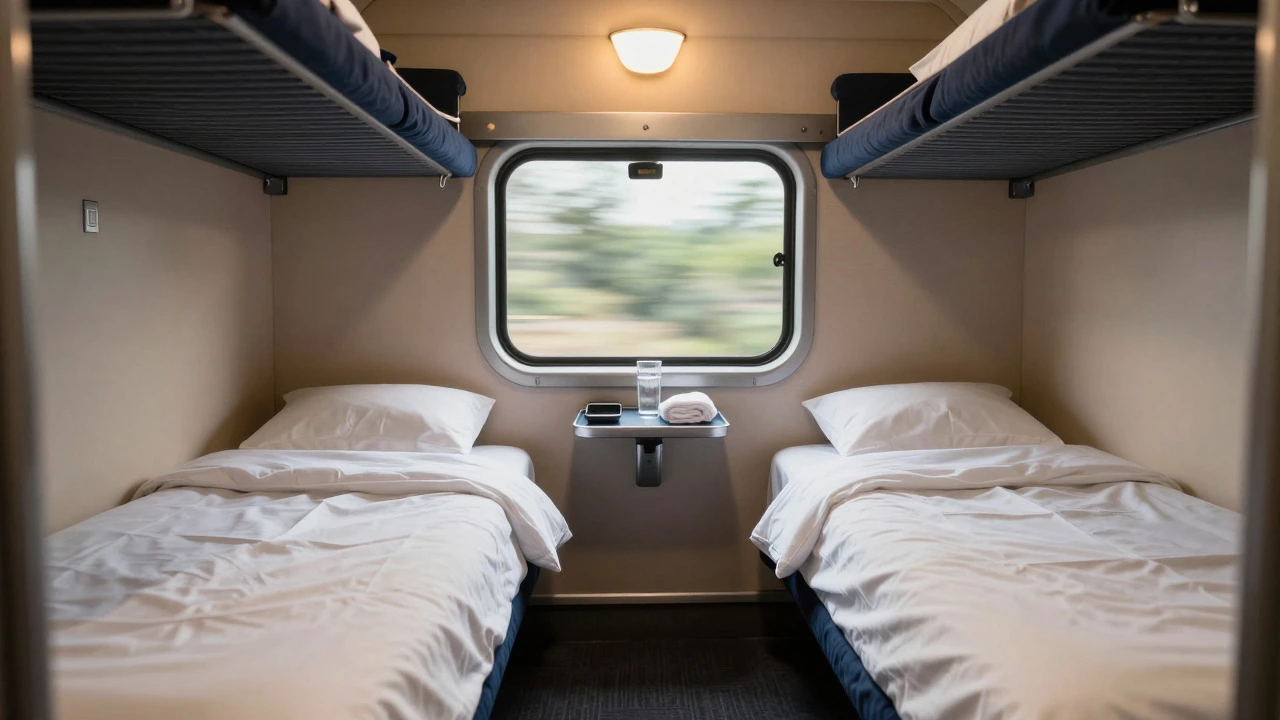
In most modern high-speed trains, such as the Eurostar in Europe or the Shinkansen in Japan, first class offers seats that are significantly wider-often by 4 to 6 inches-and provide more pitch (the distance from one seat back to the next). This allows you to stretch your legs or open a laptop without feeling cramped. However, the real game-changer is privacy. Many first-class configurations feature enclosed compartments rather than open-plan seating. For example, on many overnight trains in Europe and Asia, first class often guarantees a berth in a private coupe with two or four beds, locked doors, and blackout curtains.
AC First Class (1A) is a specific accommodation type on Indian Railways featuring non-AC or AC cabins with berths for two passengers, offering maximum privacy among standard rail options. It includes bedding, charging points, and dedicated attendant service. Unlike sleeper class, these cabins are smaller and more exclusive, catering to business travelers and families seeking security and quiet.
Bedding and Sleeping Arrangements
If your journey involves sleeping, the quality of the bedding is the primary value proposition of first class. In standard sleeper cars, you might get a thin sheet and a small pillow. In first class, especially on overnight routes, you should expect hotel-quality linens.
- Dedicated Berths: Most first-class overnight tickets include a reserved lower or upper berth. Lower berths are generally preferred as they offer easier access and less motion sensation.
- Linen Service: Expect crisp white sheets, a duvet or blanket suitable for the season, and at least one pillow. Some premium services provide slippers and eye masks.
- Cleaning Protocols: Reputable operators sanitize all bedding between uses. On ultra-luxury trains like the Palace on Wheels or the Maharajas' Express, housekeeping staff clean the cabin daily, replacing towels and refreshing the room while you are out sightseeing.
It is worth noting that not all "first class" tickets include a bed. On daytime high-speed trains, first class is still just a seat. Always check if the ticket is labeled "Sleeper," "Couchette," or "Suite" if sleep is required.
Dining: From Buffet Cars to Table Service
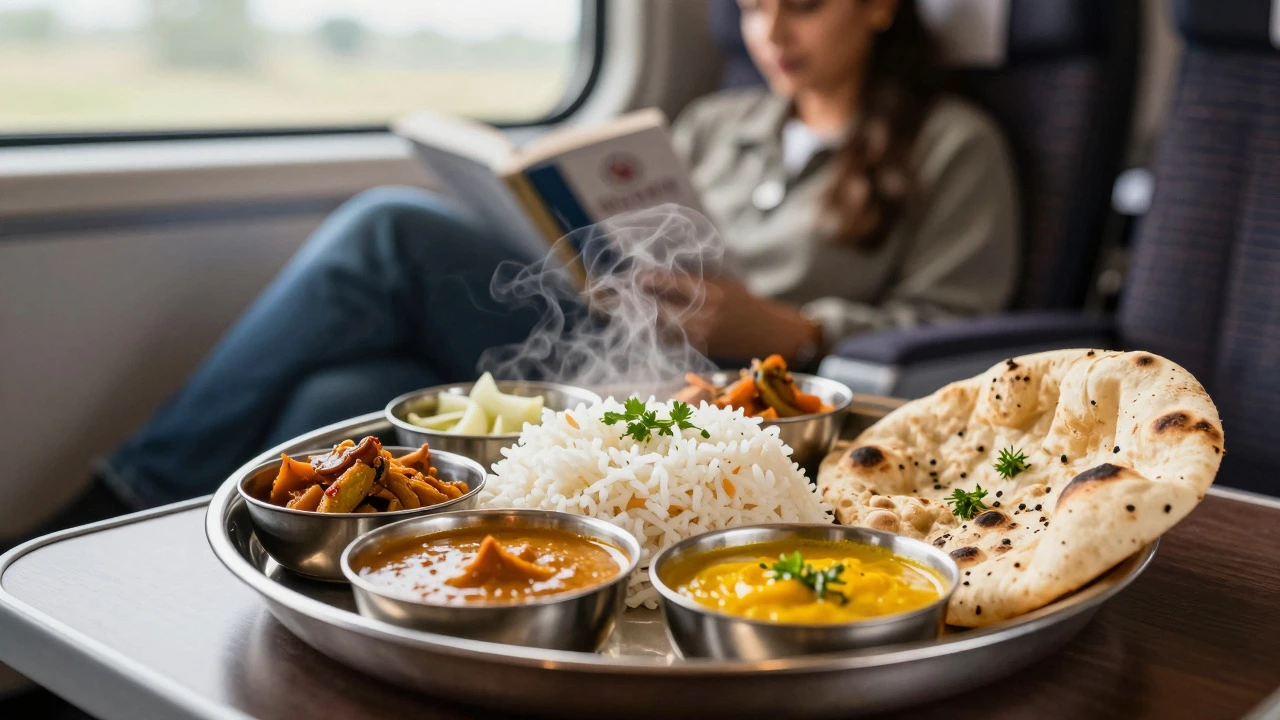
Food is where the gap between classes widens significantly. In standard class, you are usually expected to bring your own food or buy items from a buffet car, which can be crowded and inconsistent in quality. First class changes the dynamic entirely.
On many European and Asian high-speed networks, first-class passengers receive complimentary refreshments. This might range from a bottle of water and a baguette sandwich on shorter routes to a full multi-course meal served at your seat on longer journeys. For instance, on the TGV in France, first-class passengers often get a welcome drink and a hot meal during lunch and dinner hours, delivered directly to their table.
In the context of Indian Railways, the landscape has shifted dramatically in recent years. While traditional first-class coaches did not always include meals, the introduction of e-catering and premium trains like the Vande Bharat and Rajdhani has changed expectations. On Rajdhani and Shatabdi expresses, meals are included in the fare and served in the dining car or at your seat. The quality varies, but it is generally hygienic and standardized. On luxury tourist trains, dining is a theatrical experience, with chefs preparing local cuisine using ingredients sourced from stations along the route.
Amenities and Technology
Beyond space and food, first class is defined by convenience. Modern rail operators understand that business travelers and leisure tourists alike need to stay connected and comfortable.
| Feature | European High-Speed (e.g., Eurostar, TGV) | Indian Premium (e.g., Rajdhani, Duronto) | Ultra-Luxury (e.g., Orient Express, Belmond) |
|---|---|---|---|
| Wi-Fi | Free, high-speed | Available on select trains (Vande Bharat), limited speed | Complimentary, often satellite-based |
| Power Outlets | Every seat | At each berth/seat | Multiple outlets + USB ports |
| Luggage Allowance | Generous (30-40kg) | Standard (40-60kg depending on class) | Porter service included, no strict weight limit |
| Station Access | First-class lounges available | Premium boarding counters | Private terminal access, chauffeur service |
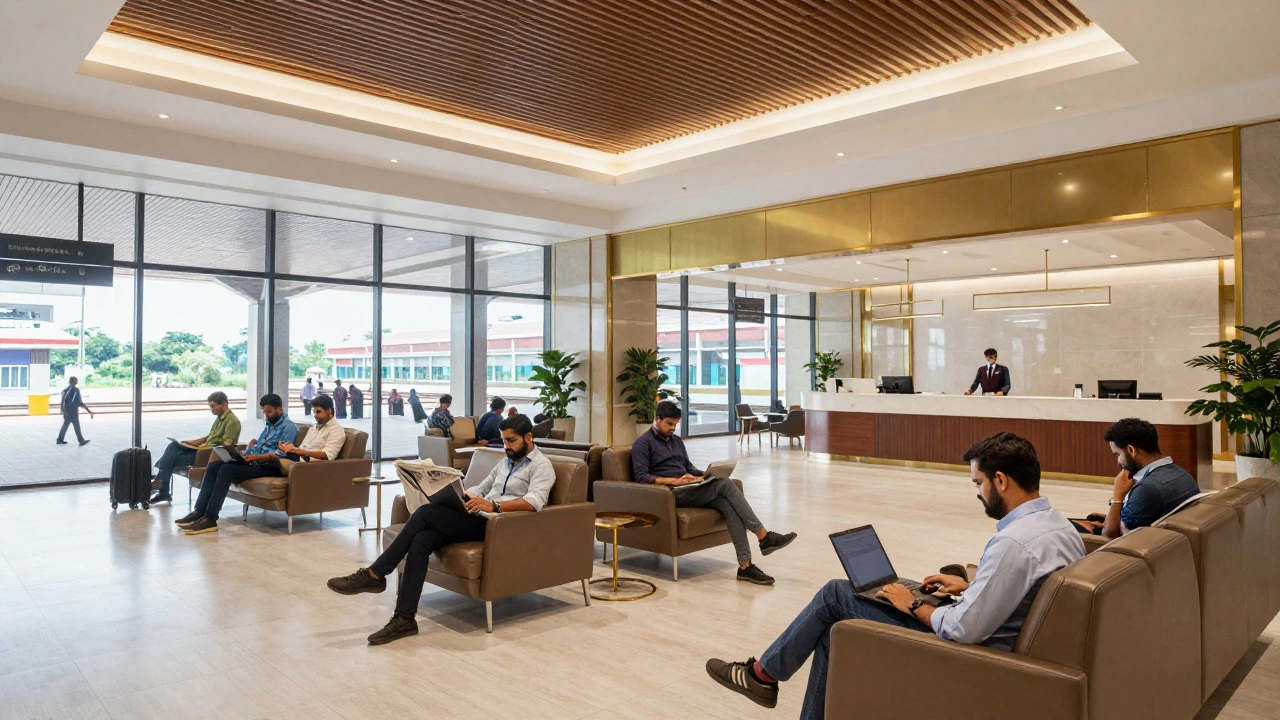
Access to first-class lounges at major stations is another hidden benefit. If you arrive early, you can escape the crowds in air-conditioned spaces with free Wi-Fi, newspapers, and sometimes complimentary drinks. This turns waiting time into relaxation time.
Service Levels: Attendants vs. Stewards
The human element is crucial. In standard class, you might see a conductor once or twice during the journey for ticket checks. In first class, service is proactive. On long-distance trains, a designated attendant or steward is responsible for a section of the train. They handle luggage assistance, wake-up calls, and ensure your cabin is tidy. On luxury tours, the ratio of staff to guests can be as high as 1:1, meaning you have a personal butler throughout the trip.
Is First Class Worth the Extra Cost?
This depends entirely on the duration and purpose of your trip. For a short commute of under three hours, the marginal gain in comfort may not justify the 50% to 100% price premium. However, for overnight journeys or trips exceeding six hours, first class transforms the travel experience from an endurance test into part of the vacation itself. The ability to sleep soundly, eat a proper meal, and work comfortably makes the arrival feel less exhausting and more rejuvenating.
Does first class on Indian trains include meals?
It depends on the specific train. On premium trains like Rajdhani, Shatabdi, and Duronto, meals are included in the fare. On standard AC First Class (1A) or Executive Class trains, meals are not automatically included, but you can order them via e-catering apps or purchase them from the pantry car. Always check the specific train's amenities before booking.
Can I book a private cabin in first class?
Yes, many first-class accommodations offer private cabins. In India, AC First Class (1A) consists of compartments with berths for two people, effectively creating a private space if you book both berths. In Europe, first-class couchettes often offer 2-bed or 4-bed private lockable compartments. Ensure you select the correct option during booking to guarantee privacy.
What is the difference between Executive Class and First Class?
Executive Class is typically found on day trains and offers spacious, reclining seats with extra legroom and power outlets, similar to airline business class. First Class (1A) is usually associated with overnight sleeper trains and provides berths for sleeping. Executive Class is for comfort during daylight hours, while First Class is for rest during nighttime travel.
Are there age restrictions for first class travel?
Generally, there are no age restrictions for first class. However, some luxury trains may have minimum age requirements for certain suites or alcohol-serving areas. Children often travel at a discounted rate in first class, but policies vary by operator. It is advisable to check with the specific railway company regarding child fares and supervision rules.
How much earlier should I arrive for first class boarding?
If you plan to use first-class lounges, arriving 90 minutes to two hours before departure is recommended. This gives you enough time to clear security, enjoy the lounge amenities, and board calmly. Without lounge access, arriving 45 minutes prior is sufficient, as first-class passengers often have priority boarding lanes at major stations.