Ancient India Timeline Verifier
Explore the difference between "Sacred Geography" and physical construction. Select a location to visualize the gap between traditional lore and scientific findings.
How Experts Determine Age
Carbon Dating
Used for organic materials like wood or bone. Cannot date pure stone directly.
Thermoluminescence
Measures trapped electrons in fired pottery or bricks to estimate last firing date.
Stratigraphy
Analyzes soil layers. Lower layers are older, but modern renovations complicate this.
Travelers often ask me about the 10,000-year-old temple in India. You've probably seen the posts on social media claiming a specific structure has stood since before recorded history. The short answer is complicated. While several sites hold deep spiritual significance dating back millennia, a physically existing brick-and-mortar structure verified by science at exactly 10,000 years does not exist in the way you might expect.
The claim usually points toward the Kashi Vishwanath Temple, located in Varanasi. This site is revered as the spiritual capital of Hindus. According to traditional texts, the city of Kashi is timeless. Believers argue the sanctity predates human architecture. However, when archaeologists talk about carbon dating or stratigraphy, the picture changes.
The Case for Kashi Vishwanath Temple
When discussing ancient sanctuaries in the Gangetic plain, this temple stands out. Local lore suggests the original shrine appeared during the Satya Yuga, which translates to thousands of years ago. Pilgrims consider it one of the twelve Jyotirlinga shrines dedicated to Lord Shiva. The location itself is arguably older than the building.
Visiting Varanasi feels like stepping through time. The ghats along the Ganges River bustle with rituals that haven't changed much in centuries. If you walk down the narrow lanes near the temple, you find remnants of older structures buried beneath newer constructions. Continuous worship is key here. Unlike ruined forts that sit silent for centuries, this site has remained active. That continuity fuels the belief in its extreme age.
Ancient Worship vs Physical Structures
We need to separate "sacred geography" from "built heritage." A spot can be holy for ten thousand years even if the current roof was put up three hundred years ago. The land itself acts as the vessel for tradition. Think of it like a tree. The roots go deep underground, representing the mythology. The trunk and branches represent the visible stone work we touch today.
Sanskrit Manuscripts often reference these timelines differently than carbon-dated soil layers. For instance, the Vedas were composed orally over periods spanning early centuries BCE. They mention sacrifices at Kashi, but they don't describe stone temples as we know them today. Early forms of worship involved simple lingams or natural stones rather than massive gopurams.
Archaeological Reality Check
Science requires physical evidence. When researchers excavate layers in places like Harappa or Mohenjo-Daro (Indus Valley Civilization), they find seals depicting proto-Shiva figures. These date back roughly 4,500 years. That is incredibly old, but still half of the 10,000-year claim. Stone construction techniques used in South India also have limits. Massive granite carvings required advanced tools likely developed after the first millennium BCE.
This isn't to diminish the history. It just sets realistic expectations for your trip. If you plan to visit expecting a ruin older than the pyramids, you might feel misled. The value lies in the living culture and the unbroken chain of ritual. The Archaeological Survey of India regularly publishes data on these sites. Their assessments confirm the cultural layer runs deep, even if the superstructure is younger.
Other Contenders for Ancient Status
Kashi isn't the only one mentioned in this debate. Several other locations have claims worth exploring.
- Prabhas Patanam (Somnath): Situated in Gujarat, this Jyotirlinga site has been destroyed and rebuilt multiple times. Its history spans the medieval period, though traditions trace origins further back.
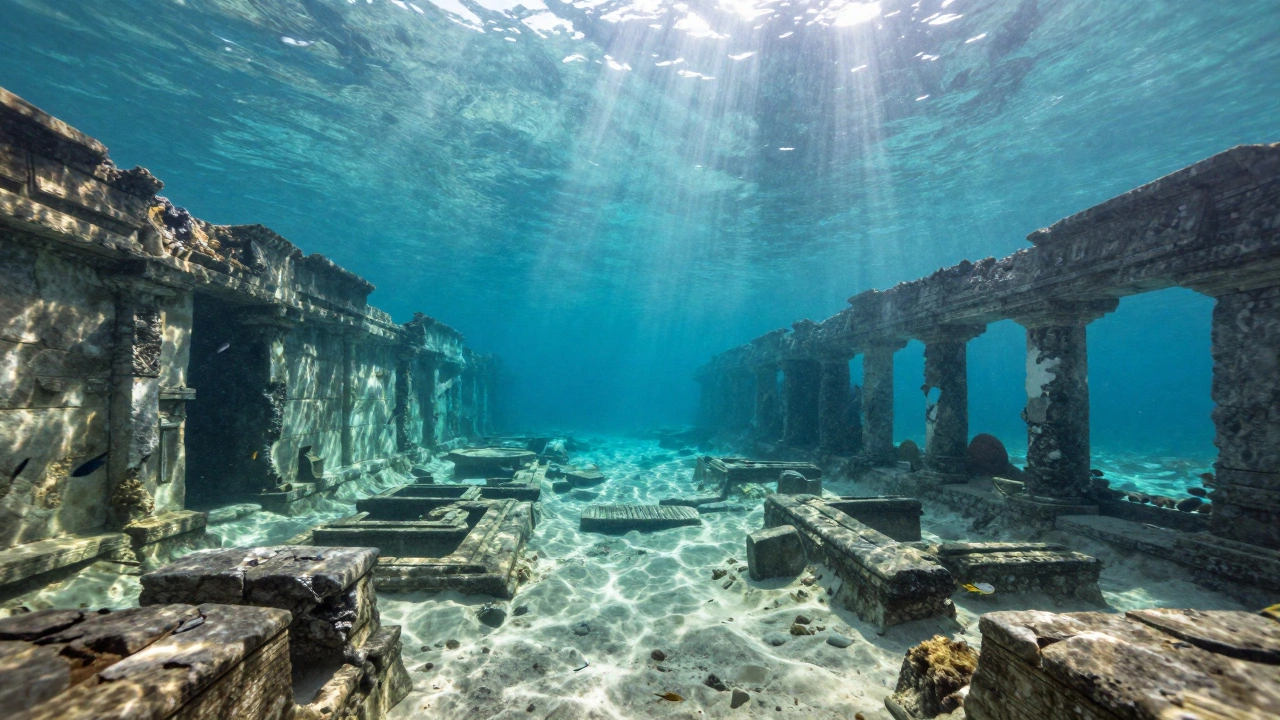
- Dwarka: Located in Gujarat, underwater exploration has revealed submerged structures. Some reports suggest these ruins align with a timeline of 9,000 years. However, verification remains ongoing among historians.
- Bhagalpur Shakti Peeth: Part of the tantric tradition, these sites hold immense antiquity claims in folklore.
If you are planning a heritage tour, adding Somnath or Dwarka to your itinerary gives you a broader perspective. These sites complement the narrative of how religion evolved alongside architecture. You get a mix of verified archaeology and enduring faith.
Understanding Dating Methods
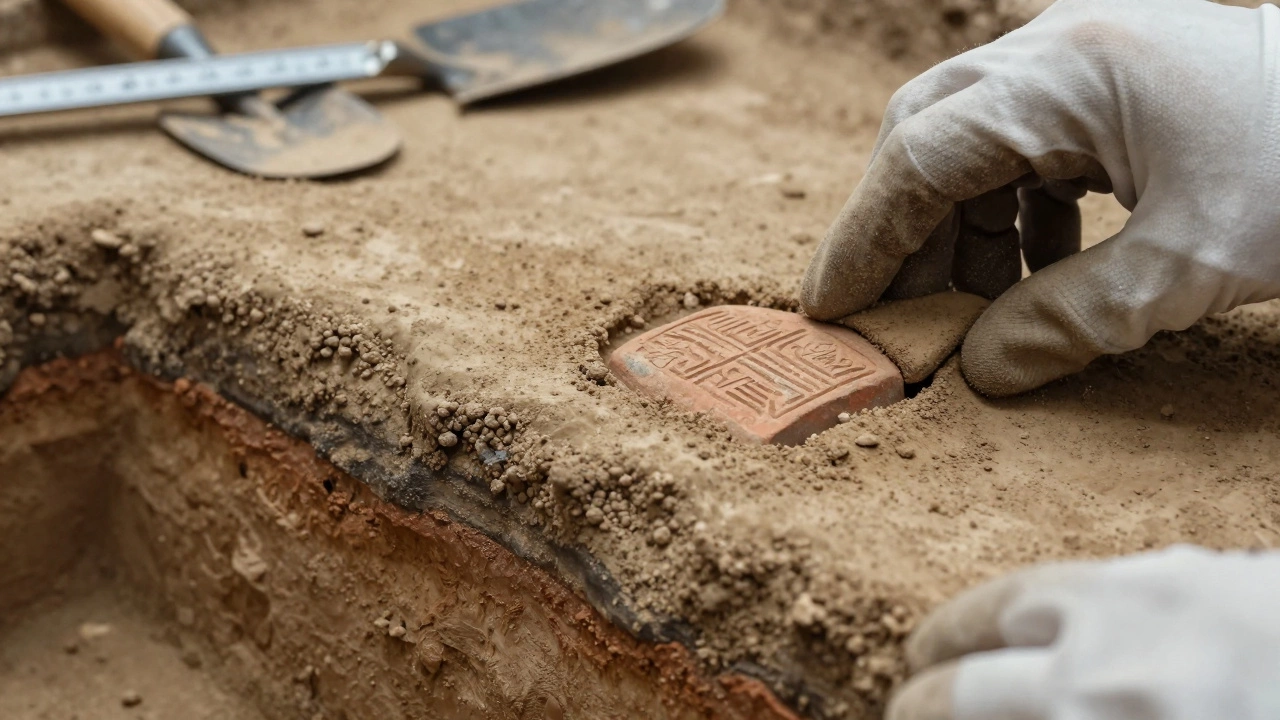
How do experts determine age? They use a few main methods. Carbon dating works on organic materials like wood or bone found within layers. Thermoluminescence tests fired pottery or bricks. Dendrochronology looks at tree rings if timber is available. Each method has limits.
A stone wall cannot be carbon dated directly. Archaeologists must find charcoal trapped in mortar. If the charcoal is fresh from a renovation, the date reflects the repair, not the original build. This is where confusion arises. News headlines often simplify complex findings into catchy numbers like "10,000 years old." Always read the full report if you care about precision.
Visitor Experience at Historic Sites
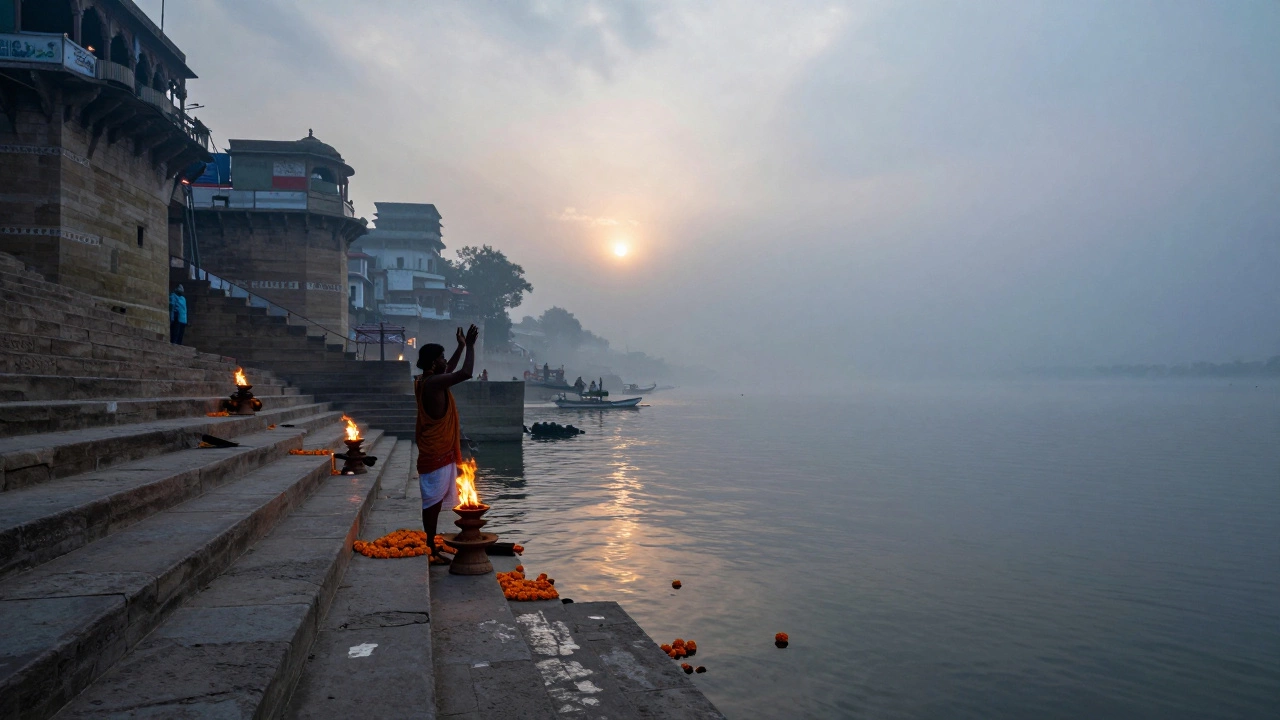
Even without the exact number, visiting these places offers unique insights. In Varanasi, mornings are magical. Fog hangs over the river. Fire rituals happen every hour. The sensory experience creates a connection to the past regardless of structural age. You witness the same prayers your ancestors might have offered centuries ago.
Tourism infrastructure is generally good in major hubs. In smaller towns like Dwarka or Somnath, facilities vary. Booking accommodation near the main gate saves time. Guides are essential. They know the local nuances better than guidebooks ever could.
| Temple Name | Location | Cultural Claim | Archaeological Consensus |
|---|---|---|---|
| Kashi Vishwanath | Varanasi, UP | Timeless/Sacred Geography | Continuous worship site |
| Somnath | Gujarat | First Jyotirlinga | Medieval structure on older site |
| Dwarkadhish | Dwarka, Gujarat | Vedic Era | Submerged ruins detected |
| Meenakshi Amman | Madurai | Puranic Age | Chola/Pallava origins (approx. 1000 AD) |
Planning Your Journey
If you want to explore this theme thoroughly, start with a plan. You cannot see the whole country in one trip. Group destinations by region. North India (Uttar Pradesh, Haryana) focuses on Shiva and Rama traditions. South India (Tamil Nadu, Kerala) features Dravidian architecture and distinct chronologies.
Avoid the tourist trap scams. In crowded temple areas, touts may sell fake relics claiming great age. Stick to official museum shops. Respect dress codes. Cover your shoulders and head. Photography rules change daily depending on management policies. Check official websites before heading out.
Is there proof of a 10,000-year-old temple in India?
There is no scientifically verified standing temple structure proven to be 10,000 years old. While spiritual traditions claim ages far exceeding archaeological records, physical evidence supports dates closer to 3,000 to 4,000 years for the earliest surviving stonework.
Where is the Kashi Vishwanath Temple located?
It is located in Varanasi (also known as Banaras or Kashi) in the state of Uttar Pradesh, India. It sits on the western bank of the River Ganges.
Can tourists enter the inner sanctum?
General tourists usually view the exterior and participate in darshan lines. Access to the main Garbhagriha depends on ticket availability and specific donation protocols managed by the trust.
Which site has the oldest verified artifacts?
The Indus Valley sites like Lothal contain seals dating back roughly 4,500 years, but active worship temples are generally attributed to the Vedic or post-Vedic periods.
Are underwater ruins in Dwarka real?
Marine archeologists have identified underwater structures off the coast of Dwarka. Interpretations of their purpose and age remain subjects of active academic debate and research.