India Travel Safety Estimator
Not sure whether to visit the chaotic charm of North India or the calm hospitality of South India? Answer a few questions about your travel style and comfort levels to get a personalized recommendation.
Recommended Region:
Key Safety Tips for Your Choice:
General Reminder
Safety in India is a spectrum. Always trust your instincts, keep digital backups of important documents, and stay aware of your surroundings regardless of region.
You’ve probably heard the horror stories. The taxi driver who won’t use the meter in Delhi. The aggressive touts at the Taj Mahal. The chaotic traffic in Mumbai that feels like a video game gone wrong. But then you talk to your friend who just got back from Kerala or Tamil Nadu, and she says it was the most relaxing trip of her life. So, what’s the truth? Is one half of India actually safer than the other?
Here is the blunt reality: safety in India isn’t a binary switch between "safe" and "unsafe." It’s a spectrum that shifts based on gender, time of day, location, and how well you read the room. However, if we look at data, traveler reports, and ground-level experiences, there are distinct patterns separating the north from the south. Let’s break down which region might fit your comfort zone better.
The Data Doesn't Lie (But It Needs Context)
When you check official crime statistics, the numbers can be misleading. Why? Because reporting rates vary wildly. In many southern states, people are more likely to report petty crimes because local police stations are often seen as more accessible or responsive. In some northern states, underreporting is common due to social stigma or distrust in law enforcement. So, a higher crime number doesn’t always mean a higher danger level-it sometimes means a higher transparency level.
However, when we look at violent crime rates per capita over the last decade, southern states like Kerala, Tamil Nadu, and Karnataka consistently rank lower than many northern states like Uttar Pradesh, Rajasthan, and even parts of Maharashtra. This isn’t just luck. It correlates with higher literacy rates, better urban planning in major hubs like Bangalore and Chennai, and different cultural norms regarding personal space and public behavior.
| Metric | North India (Delhi, Jaipur, Varanasi) | South India (Chennai, Bangalore, Kochi) |
|---|---|---|
| Petty Theft Risk | High in crowded markets; pickpocketing common | Moderate; less aggressive snatching |
| Harassment Level | Frequent staring/comments; higher for solo females | Lower frequency; more respectful distance |
| Traffic Chaos | Extreme; chaotic lane discipline | Chaotic but slightly more predictable flow |
| Police Responsiveness | Variable; depends heavily on station/city | Generally higher trust in urban centers |
| Night Safety | Risky alone after dark in non-tourist areas | Generally safe in city centers; rural varies |
Why Southern States Feel Calmer
If you’ve ever walked through Chennai or Bangalore, you’ll notice a difference in the vibe. It’s not that these cities are quiet-Bangalore has a tech-driven nightlife that goes until 3 AM-but the aggression levels feel lower. There is a cultural emphasis on education and civic sense in many southern states that translates into public spaces. People queue. They respect personal boundaries. And while they will definitely stare at you if you’re foreign, it rarely escalates into harassment.
Kerala, often called "God’s Own Country," takes this further. With the highest Human Development Index (HDI) in India, Kerala boasts near-universal literacy and strong community policing networks. For a traveler, this means help is usually nearby, and locals are generally helpful without being pushy. If you get lost in Fort Kochi, someone will walk you to the right street rather than trying to sell you a tour package first.
Tamil Nadu offers another layer of safety: temple culture. Temples are central to daily life, and they are strictly regulated zones. You enter clean, behave respectfully, and leave. This structure creates pockets of extreme safety and order within bustling cities. Even in Madurai, a chaotic city by any standard, the area around the Meenakshi Temple is patrolled and orderly.
The Northern Reality: Intensity and Opportunity
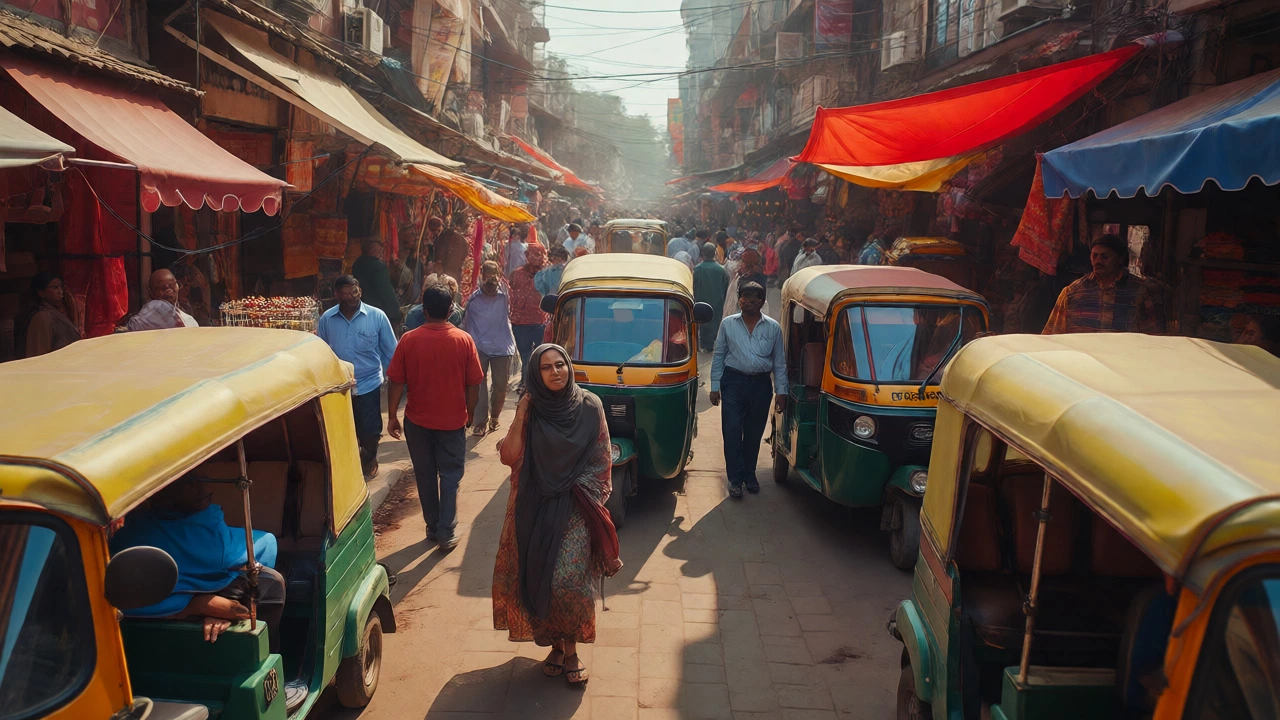
Does this mean North India is dangerous? No. Millions of tourists visit the Golden Triangle (Delhi, Agra, Jaipur) every year without incident. But the margin for error is smaller. The sheer volume of people, the heat, and the hustle create an environment where opportunistic crimes thrive. Pickpocketing in crowded bazaars in Old Delhi is almost expected if you aren’t vigilant. Auto-rickshaw drivers may take longer routes if you don’t negotiate firmly or insist on the meter.
For solo female travelers, the experience in the north can be more draining emotionally. You might face more unsolicited attention, stares, or comments. It’s not always malicious, but it requires constant mental energy to manage. In contrast, while you still need to be aware in the south, the baseline level of intrusion is lower. You can often walk in public parks or sit in cafes without feeling like you’re performing for an audience.
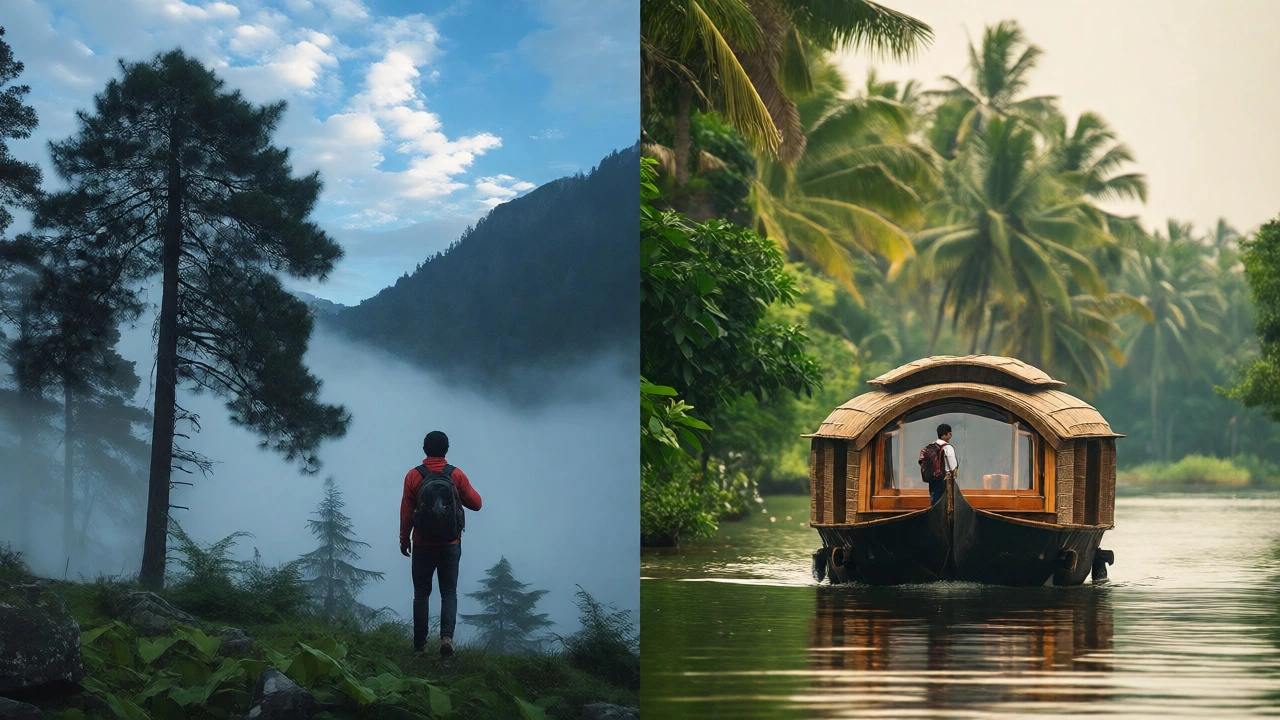
That said, northern states like Himachal Pradesh and Uttarakhand offer a different kind of safety. These hill stations attract families and backpackers alike. Places like Manali, Shimla, and Rishikesh have established tourist infrastructures. The crime rates here drop significantly compared to the plains. If you want the "North" experience without the chaos of Delhi, head up the mountains.

Solo Female Travelers: The Deciding Factor
Let’s address the elephant in the room. For women traveling alone, safety is the primary concern. Statistics and anecdotal evidence both point to the south being easier to navigate. In cities like Hyderabad and Pune (which bridges the gap between north and south), women report feeling more comfortable using public transport and walking alone in the evenings compared to their counterparts in Lucknow or Kanpur.
This isn’t about men being "better" in the south. It’s about systemic differences. Southern states have invested more in women’s safety initiatives, such as dedicated women’s police cells and better-lit public spaces. Additionally, the social fabric in many southern communities tends to view guests with a protective hospitality instinct, particularly toward women traveling independently.
In the north, you need to be sharper. Dress modestly to avoid unwanted attention. Avoid isolated areas after sunset. Use app-based cabs (Uber/Ola) exclusively at night. In the south, you can relax those guardrails slightly, though never completely. Always trust your gut. If a situation feels off in Chennai, it’s off. Just like anywhere else.
Health and Environmental Safety
Safety isn’t just about crime. It’s also about health. Here, the north faces a significant challenge: air quality. During winter months, Delhi and surrounding regions often hit hazardous AQI levels. This affects respiratory health and can ruin a trip if you have asthma or allergies. The smog can linger for weeks, reducing visibility and making outdoor activities unpleasant.
The south, particularly coastal Kerala and Goa, enjoys cleaner air due to sea breezes and lower industrial density in tourist zones. However, beware of water-borne illnesses during monsoon season in all parts of India. Stick to bottled water, eat hot cooked food, and carry a basic medical kit. The risk of getting sick from street food exists everywhere, but hygiene standards in established restaurants are comparable across both regions.
Which Region Should You Choose?
So, which is safer? If you define safety as low crime, ease of movement, and less social friction, South India wins hands down. It is smoother, calmer, and more forgiving for first-time visitors or solo travelers.
But if you define safety as having robust tourist infrastructure, English proficiency among service providers, and well-established emergency protocols, major northern cities like New Delhi and Jaipur hold their own. The key is preparation. Know your route, book reputable hotels, and stay alert in crowds.
Consider your travel style:
- Choose South India if: You want relaxation, beach vibes, temple tours, and a low-stress environment. Ideal for families, seniors, and solo female travelers seeking peace.
- Choose North India if: You crave historical grandeur, vibrant chaos, spiritual intensity, and don’t mind negotiating hard. Ideal for seasoned travelers, history buffs, and those who thrive on energy.
- Compromise: Visit the Himalayas in the north for nature and calm, or explore Goa in the south for parties and beaches.
Practical Tips for Staying Safe Anywhere in India
No matter which region you pick, these rules apply universally:
- Digital Backup: Save local emergency numbers (112 is the national emergency number). Share your live location with a trusted contact via WhatsApp.
- Cash Management: Carry small denominations. Don’t flash large amounts of cash. Use UPI (Unified Payments Interface) apps like PhonePe or GPay wherever possible-they reduce theft risk and are widely accepted now.
- Transport: Pre-book airport transfers. Avoid unmarked taxis. If you must hire a private car, verify the driver’s ID and license plate before getting in.
- Communication: Learn a few phrases in Hindi (north) or Tamil/Malayalam (south). Locals appreciate the effort, and it builds instant rapport.
- Accommodation: Read recent reviews specifically mentioning safety. Look for comments about neighborhood lighting and noise levels.
Ultimately, India rewards awareness. It doesn’t punish curiosity. Whether you’re watching the sunrise over the Ganges in Varanasi or sipping filter coffee in a Chennai cafe, staying safe comes down to respecting local norms and keeping your eyes open. The south might give you a softer landing, but the north gives you unforgettable intensity. Both are worth experiencing, provided you go in with the right expectations.
Is it safe to travel alone in North India?
Yes, but it requires more vigilance. Solo travelers should stick to well-known tourist areas, use app-based cabs at night, dress modestly, and avoid isolated streets after dark. Major cities like Delhi and Jaipur have heavy tourist presence, which adds a layer of security, but petty crime and harassment are more common than in the south.
Which state in India has the lowest crime rate?
Kerala consistently ranks among the safest states in India for tourists. Its high literacy rate, strong community policing, and developed tourism infrastructure contribute to lower incidents of violent crime and harassment compared to many northern states.
Are taxis safe in India?
App-based taxis (Uber, Ola) are generally safer than street-hailed autos because rides are tracked and payments are digital. Street-hailed auto-rickshaws require negotiation and vigilance. Always agree on the fare or insist on the meter before starting the ride to avoid disputes.
What is the biggest safety risk for tourists in India?
For most tourists, the biggest risks are not violent crime but health issues (food/waterborne illness) and road accidents. Traffic conditions are chaotic nationwide. Always wear seatbelts, avoid night bus travel on poorly lit highways, and drink only sealed bottled water.
Is South India suitable for elderly travelers?
Yes, South India is often recommended for elderly travelers due to its slower pace, cleaner air in coastal areas, and generally more polite social interactions. Cities like Mysore and Trivandrum offer manageable sightseeing options with good medical facilities.