Agra: India's Taj Mahal City and Golden Triangle Heart
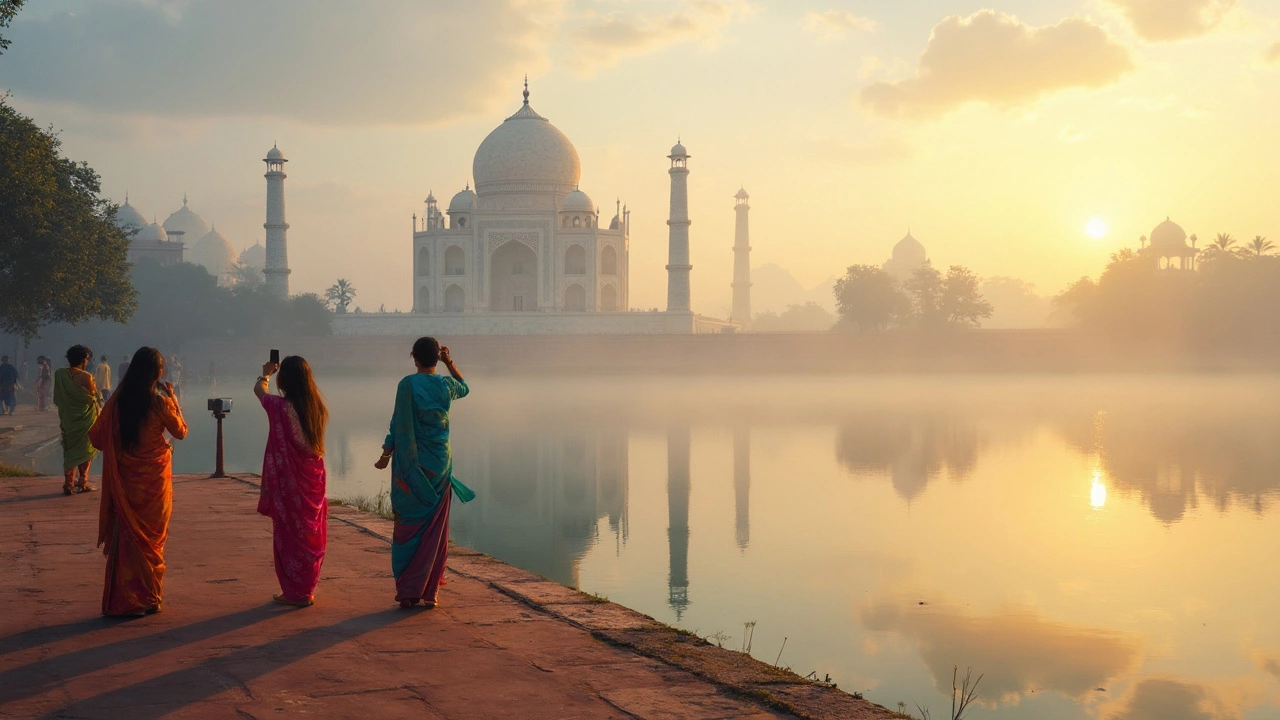
When you think of Agra, a historic city in northern India known for its Mughal-era monuments and the world-famous Taj Mahal. Also known as the City of the Taj, it’s where love, power, and artistry came together in marble and minarets. Agra isn’t just a stop on a map—it’s a living museum. The Taj Mahal, a white marble mausoleum built by Emperor Shah Jahan for his wife Mumtaz Mahal, and one of the New Seven Wonders of the World draws over 7 million visitors a year. But here’s the truth: most people rush through it in an hour and miss everything else. Agra has more than one monument. It has stories.
The Agra Fort, a massive red sandstone fortress that once housed Mughal emperors and served as a palace and prison sits just a few kilometers from the Taj. Walk its courtyards, climb its towers, and you’ll feel the weight of history—not just in the stones, but in the whispers of emperors, queens, and rebels who lived and died inside. Then there’s Fatehpur Sikri, a ghost city built by Akbar, abandoned after just 14 years, now preserved as a UNESCO World Heritage site, just 40 minutes away. It’s quieter, emptier, and somehow more powerful than the Taj. These places aren’t just tourist spots—they’re the bones of India’s imperial past.
Agra is also the anchor of the Golden Triangle, India’s most popular tourist circuit linking Delhi, Agra, and Jaipur. If you’ve ever wondered why so many travelers start their India trip here, it’s because this triangle gives you the perfect snapshot: Delhi’s chaos, Agra’s grandeur, Jaipur’s color. But Agra? It’s the emotional core. You don’t just see the Taj—you feel it. The way the light changes at sunrise, the silence between the crowds, the way locals still leave flowers at the gates. That’s why even after visiting dozens of places, people come back to Agra.
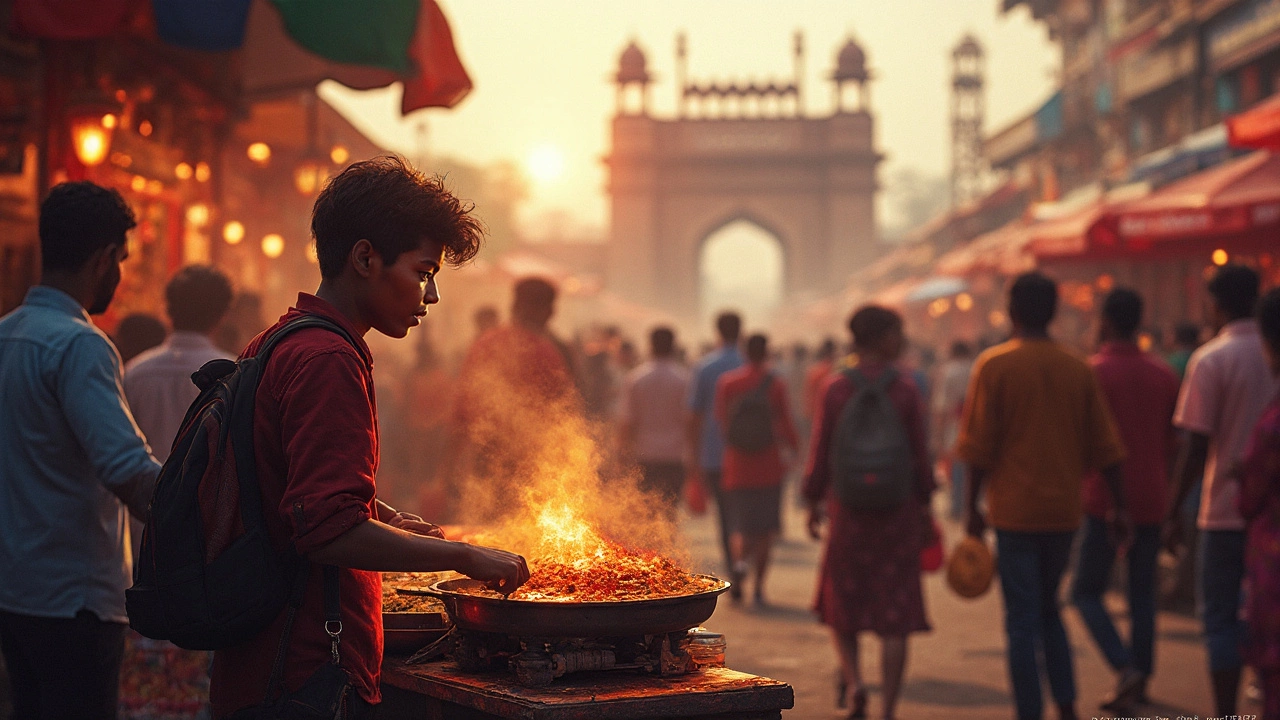
What you’ll find below are real stories from people who’ve been here—not just the postcard views, but the hidden alleys, the street food near the Taj, the best time to avoid the lines, and why a two-day trip here can be more meaningful than a week elsewhere. Whether you’re planning your first visit or your fifth, these posts cut through the noise and show you what Agra really is.