Stok Kangri Trek: Everything You Need to Know About India’s Highest Trek
When you think of trekking in India, most people picture the Himalayas—but few realize that Stok Kangri, a 6,153-meter peak in Ladakh, is the highest trekking peak in the country. Also known as Stok Kangri Mountain, it’s not just a climb—it’s a rite of passage for serious trekkers who want to stand higher than almost any other hiker in India. Unlike guided climbs on Everest or K2, Stok Kangri is a non-technical summit, meaning you don’t need ropes or ice axes. But don’t let that fool you. At over 20,000 feet, the thin air, freezing nights, and steep final push make this one of the toughest day hikes you’ll ever do.
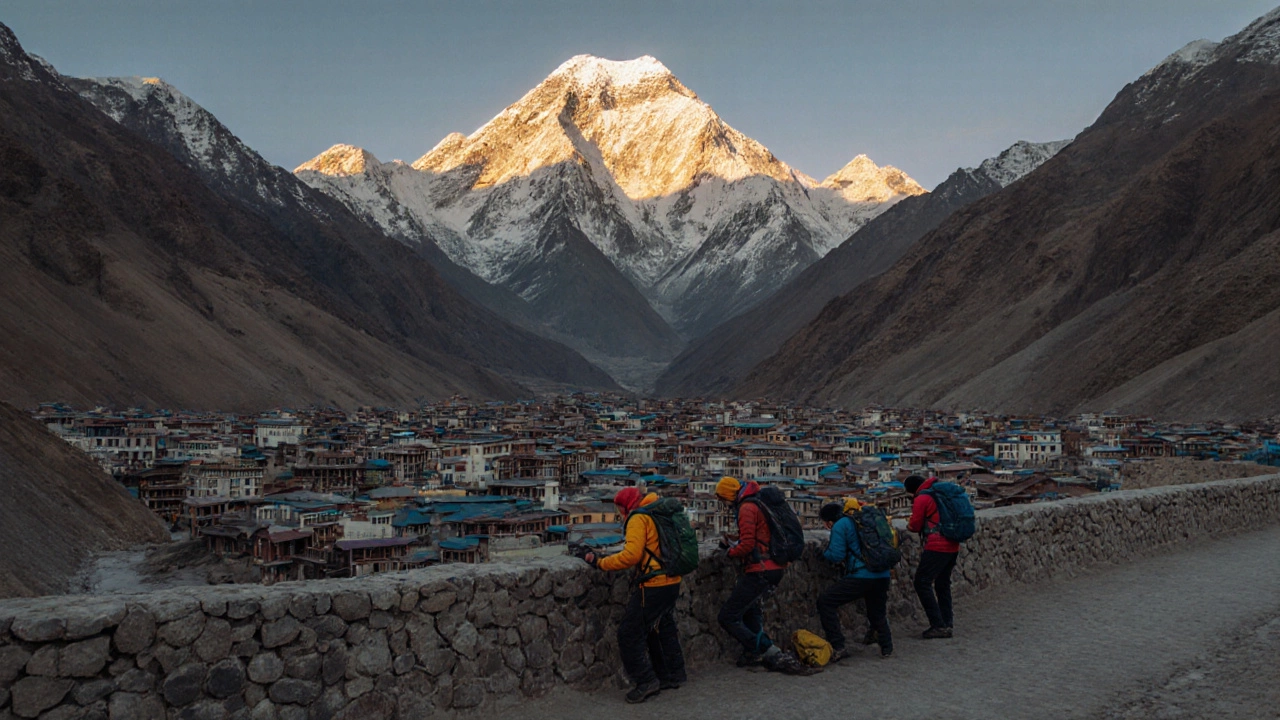
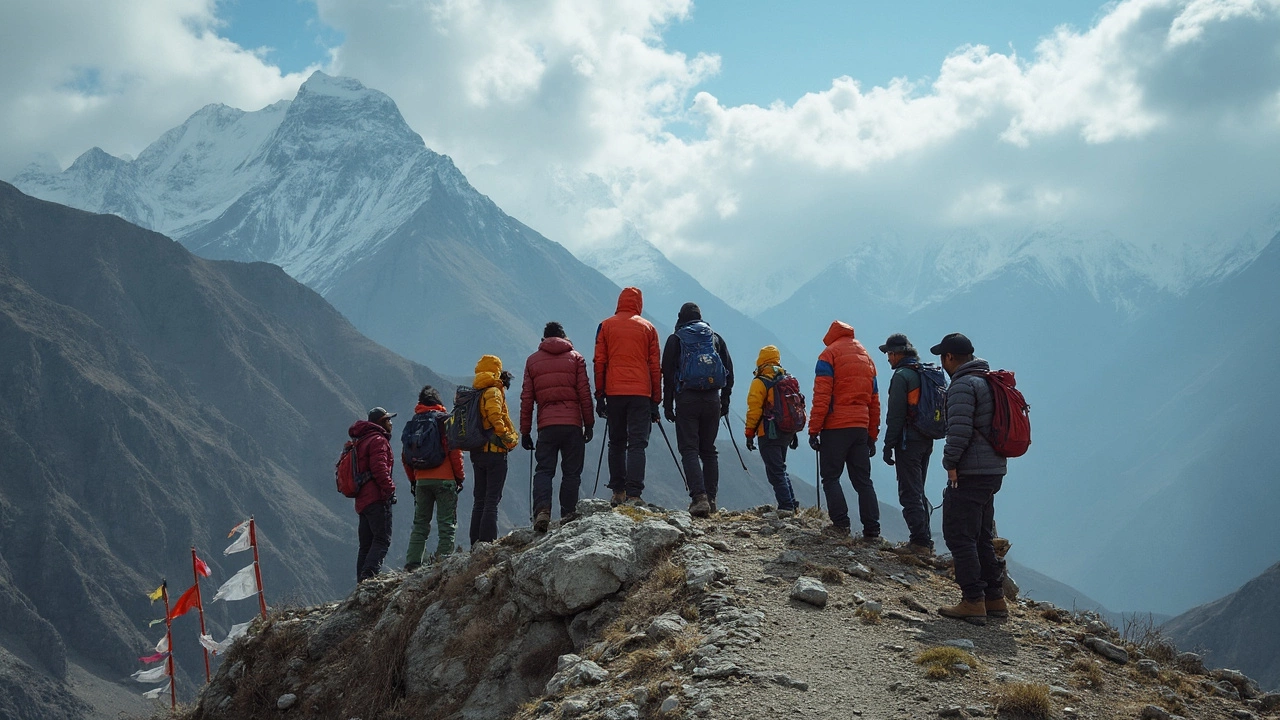
This trek isn’t just about height. It’s about the landscape: jagged snow-capped ridges, ancient Buddhist monasteries tucked into valleys, and the silence that only the high Himalayas can offer. The route starts near Leh, passes through the village of Stok, and winds through moraines and glacial fields before the final 400-meter scramble to the summit. Most people take two to three days, with a night spent camping at 5,000 meters to acclimatize. The climb to the top usually begins at 2 a.m., so you reach the summit by sunrise and catch the sun hitting the entire Zanskar range. It’s the kind of moment that stays with you—not because it’s easy, but because it’s hard.
What makes Stok Kangri different from other treks in India? For one, it’s the only peak in the country that lets you stand on the roof of the Indian Himalayas without technical climbing gear. Compare it to the Roopkund trek, which is more about mystery and ancient skeletons, or the Valley of Flowers, which is all about wildflowers and gentle slopes. Stok Kangri is raw, physical, and real. It’s the kind of challenge that separates people who say they’ve trekked in India from those who’ve actually pushed their limits. And it’s not for everyone. If you’ve never been above 4,000 meters, you’ll need at least a week in Leh to adjust. Altitude sickness doesn’t care how fit you are.
Many of the posts in this collection touch on the same themes: adventure sports in India, budget travel in the Himalayas, and what it really takes to survive in extreme conditions. You’ll find guides on how to prepare, what gear to pack, and why this trek is still worth it even when your legs are screaming. You’ll also see how it fits into the bigger picture of India’s outdoor culture—where local guides, not big companies, make the difference between a safe climb and a dangerous one.
Whether you’re planning your first high-altitude trek or you’ve already done the Annapurna Circuit, Stok Kangri is the one peak in India that demands respect. It doesn’t offer luxury, shortcuts, or Instagram backdrops—it offers something better: the quiet truth of standing where few have been.