India Travel Budget Estimator
Daily Accommodation:
$8 / day
Daily Food & Drink:
$7 / day
Daily Transport:
$5 / day
Daily Activities:
$5 / day
Key Takeaways for Your Wallet
- The Shoestring Route: $1,000 can last 60+ days if you stick to hostels and street food.
- The Flashpacker Route: Expect 30 to 45 days with private rooms and occasional flights.
- The Comfort Route: 14 to 21 days focusing on boutique hotels and guided tours.
- Biggest Expenses: Internal flights and alcohol (which is taxed heavily in some states).
- Biggest Wins: Local transport and authentic regional meals.
Breaking Down the Daily Spend
To understand how budget travel india is actually priced, we need to look at the daily burn rate. In 2026, the exchange rate fluctuates, but generally, $1,000 gives you a massive psychological advantage. If you spend $30 a day, you're set for over a month. But what does $30 actually buy you?
A typical "budget" day involves staying in a Hostel (roughly $7-$12 for a decent dorm bed), eating three street-side meals (about $5-$10 total), and using a mix of rickshaws and metros ($5). This leaves you with a few dollars for a museum entry or a chai. If you upgrade to a budget guesthouse, your room cost jumps to $15-$25, which eats into your activity budget quickly.
Let's look at the numbers. If you're visiting the "Golden Triangle" (Delhi, Agra, Jaipur), prices are slightly higher due to tourist demand. In contrast, heading to the mountains of Himachal Pradesh or the backwaters of Kerala can actually be cheaper if you avoid the luxury resorts.
| Expense | Shoestring (Daily) | Mid-Range (Daily) | Comfort (Daily) |
|---|---|---|---|
| Accommodation | $8 (Dorm) | $25 (Boutique/B&B) | $60+ (4-Star) |
| Food & Drink | $7 (Street/Thali) | $20 (Cafes/Bistros) | $40 (Fine Dining) |
| Transport | $5 (Bus/Metro) | $15 (Uber/Auto) | $30 (Private Driver) |
| Activities | $5 (Walking/Free) | $15 (Paid Tours) | $30 (Private Guide) |
| Total | $25 | $75 | $160+ |
Accommodation: From Dorms to Havelis
Your bed is usually your biggest variable. If you want that $1,000 to stretch, Zostel or similar backpacker chains are your best bet. They are clean, social, and incredibly cheap. For $1,000, you could spend nearly two months in dorms across the country without breaking a sweat.
If you prefer privacy, look for Havelis in Rajasthan. These are traditional mansions converted into guesthouses. You can often find a private room for $20-$30 that feels like a palace. However, if you start booking international hotel chains through apps, your budget will vanish. A mid-range hotel in a city like Mumbai can easily eat $80 a night, meaning your $1,000 only covers 12 nights, leaving nothing for food or travel.
Pro tip: Use local apps for booking. Sometimes a direct call to a guesthouse owner results in a price 20% lower than what you see on global booking platforms.
Eating Your Way Through India on a Budget
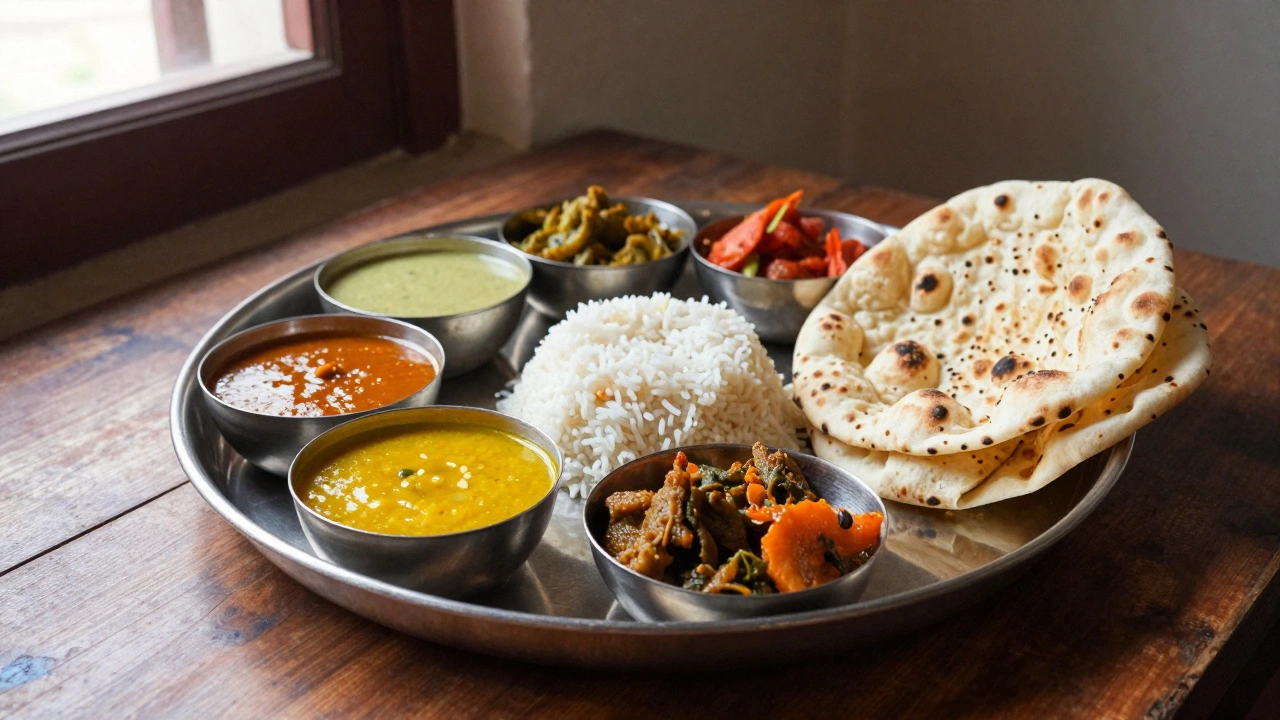
Food is where you can truly win. You can eat a Thali-a platter with rice, lentils, vegetables, and bread-for about $1.50 to $3 at a local eatery. It's filling, nutritious, and authentic. If you stick to these "hole-in-the-wall" spots, you can eat like a king for under $10 a day.
The danger zone for your budget is "Tourist Cafes." These spots in places like Manali or Rishikesh cater to Western tastes and price their menus accordingly. A burger and a shake might cost $8, which is the equivalent of five or six local meals. Also, keep an eye on alcohol. India taxes spirits heavily, especially in "dry" states like Gujarat where alcohol is banned. In other states, a beer at a fancy bar might cost $5-$8, while a local brand at a small shop is far cheaper.
Transport: The Great Budget Trade-off
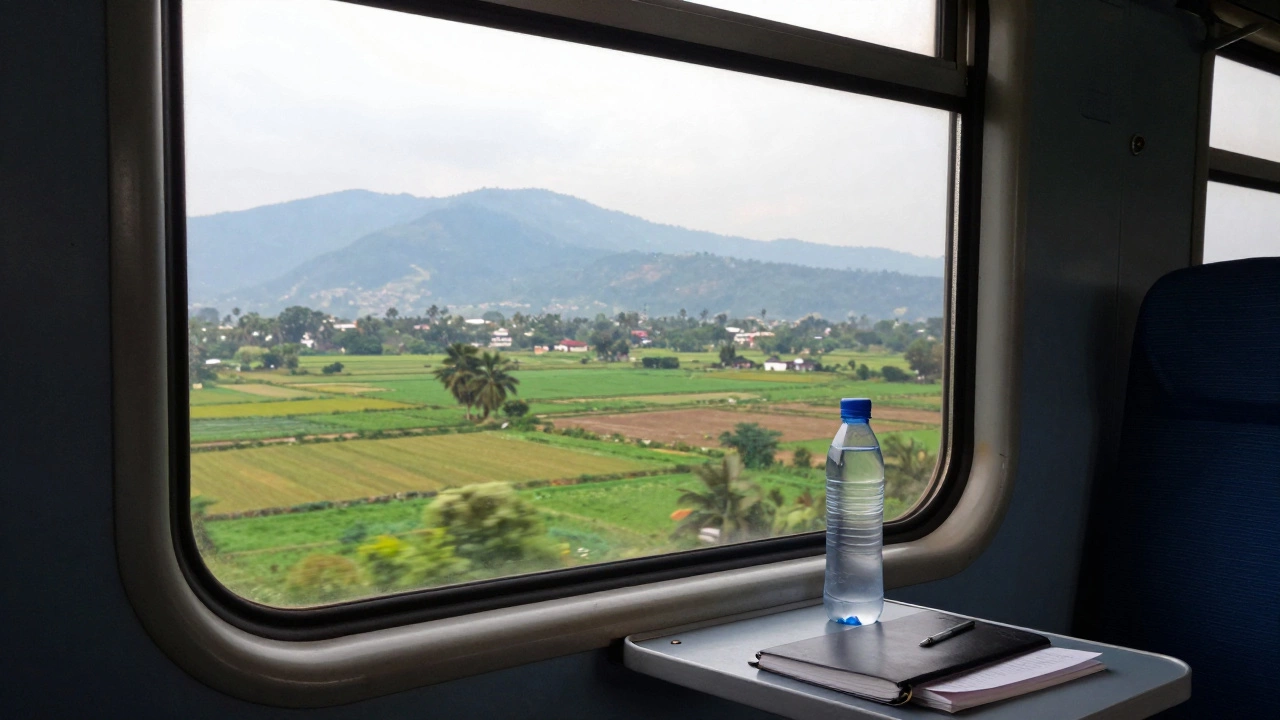
How you move determines how long your money lasts. The most authentic and cheapest way to travel is via Indian Railways. A second-class sleeper ticket from Delhi to Varanasi might cost you less than $15 and cover hundreds of miles. It's a rite of passage for any budget traveler.
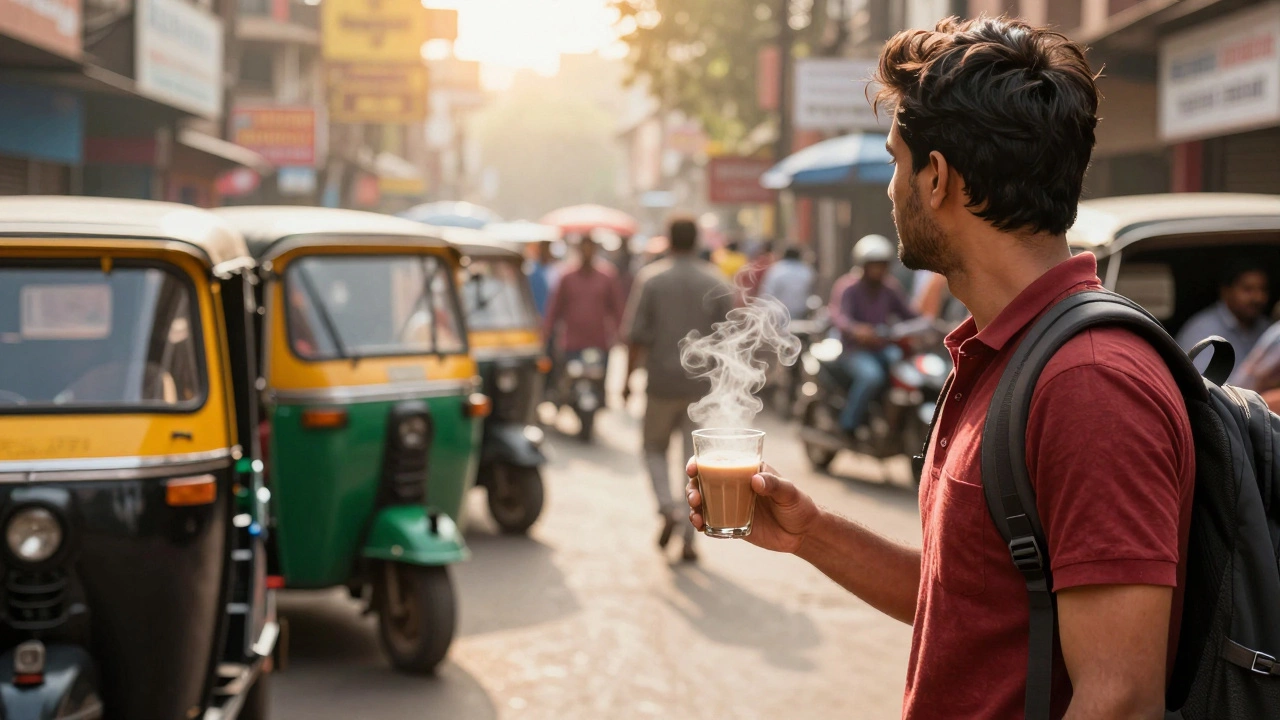
Then there's the Auto Rickshaw. These three-wheeled vehicles are the veins of Indian cities. Always negotiate the price before getting in, or use an app like Uber or Ola to get a fair market price. A 20-minute ride usually costs between $2 and $5.
If you're tempted by domestic flights, be careful. While a flight from Delhi to Kochi might look cheap ($50), once you add the airport taxis and baggage fees, you've spent a significant chunk of your daily budget. If you have $1,000, limit yourself to one or two flights and rely on trains for the rest. It saves money and lets you see the landscape change from the desert to the rainforest.
Hidden Costs That Eat Your Budget
It's rarely the big things that kill a budget; it's the "leaks." Sim cards, bottled water, and tipping can add up. A local Airtel or Jio SIM is cheap, but don't forget to buy a large data pack upfront to avoid expensive top-ups.
Water is another one. You cannot drink tap water. Buying small plastic bottles every hour adds up and creates a mountain of waste. Spend $10 on a filtered water bottle (like a LifeStraw) or use the filtered water dispensers found in most hostels. This small move can save you $3-$5 a day, which over a month is $150-enough for a few extra nights of accommodation.
Tipping is common but not mandatory. In small cafes, rounding up your bill to the nearest 10 or 20 rupees is fine. For a driver who helps you with your bags for three days, $5-$10 is a generous and appreciated tip that won't break your $1,000 limit.
Sample Itineraries for ,000
Depending on your pace, here is how you can carve up that thousand dollars:
- The 60-Day Nomad: Stick to the coast of Goa and the hills of Himachal. Sleep in dorms, eat street food, and travel exclusively by bus and train. You'll spend about $16 a day. You'll miss the luxury hotels, but you'll experience the raw heart of the country.
- The 30-Day Explorer: This is the sweet spot. You can afford a mix of dorms and cheap private rooms. You can visit 4-5 major cities, take a few rickshaws, and eat at mid-range cafes. You'll spend about $33 a day.
- The 14-Day Deep Dive: Go for the experience. Hire a private car for a week in Rajasthan, stay in boutique heritage hotels, and eat at the best restaurants in Delhi. You'll spend about $70 a day.
Is $1,000 enough for a month in India?
Yes, absolutely. For a solo traveler, $1,000 is more than enough for 30 days. You can live comfortably in hostels and guesthouses, eat plenty of local and some restaurant food, and travel between cities via train. In fact, many budget travelers find they spend closer to $600-$800 for a month if they avoid alcohol and expensive tours.
What are the most expensive cities in India?
Mumbai and Delhi are the most expensive, primarily due to accommodation and transport costs. In Mumbai, a decent hotel room in a central area can be double the price of one in Jaipur or Varanasi. However, street food remains cheap regardless of the city.
Should I carry $1,000 in cash?
No. Carrying that much cash is a safety risk. Use a travel-friendly debit card (like Wise or Revolut) to withdraw Indian Rupees (INR) from ATMs. Most hotels and larger cafes accept UPI or credit cards, but you will need cash for rickshaws, street food, and small village shops.
How much does a typical meal cost?
A street-side snack or a basic tea costs cents. A full meal (Thali) at a local dhaba costs between $1.50 and $4. A meal at a tourist-centric cafe will likely cost between $6 and $12.
Does $1,000 include flights from my home country?
No. This budget is for on-the-ground expenses. International flights to India can vary wildly depending on your origin, often costing between $600 and $1,500. This guide assumes you have already arrived in India and the $1,000 is specifically for your daily spending.
Next Steps for Your Trip
If you're planning to make $1,000 last, your first move should be downloading the IRCTC app for train bookings and Uber/Ola for fair-priced rides. If you find your budget slipping, pivot your destination to the Northeast or rural South India, where prices are often lower than in the tourist hubs of the North.
For those who want to push their budget even further, consider volunteering through platforms like Workaway. By trading a few hours of work for a free bed and meal, your $1,000 could potentially last you three or four months, turning a short trip into a true life adventure.