India Adventure Destination Finder
Recommended Destinations
There is a common question among thrill-seekers planning a trip to the subcontinent: What is the adventure capital of India? The answer isn't a single city on a map. It is a title shared by two distinct destinations that offer completely different flavors of adrenaline. If you are looking for high-altitude thrills, snow-capped peaks, and rugged mountain trails, the crown goes to Manali, located in Himachal Pradesh. However, if your idea of adventure involves white-water rapids, skydiving, and spiritual yoga amidst lush greenery, then Rishikesh, in Uttarakhand, is your destination. This guide breaks down why these cities hold this prestigious title, explores other emerging hubs like Leh and Goa, and helps you decide which "capital" fits your specific type of adventure. Whether you want to trek through frozen valleys or kayak down turbulent rivers, understanding the landscape of Indian adventure tourism is key to a safe and exhilarating experience.
The Mountain Hub: Why Manali is the Adventure Capital
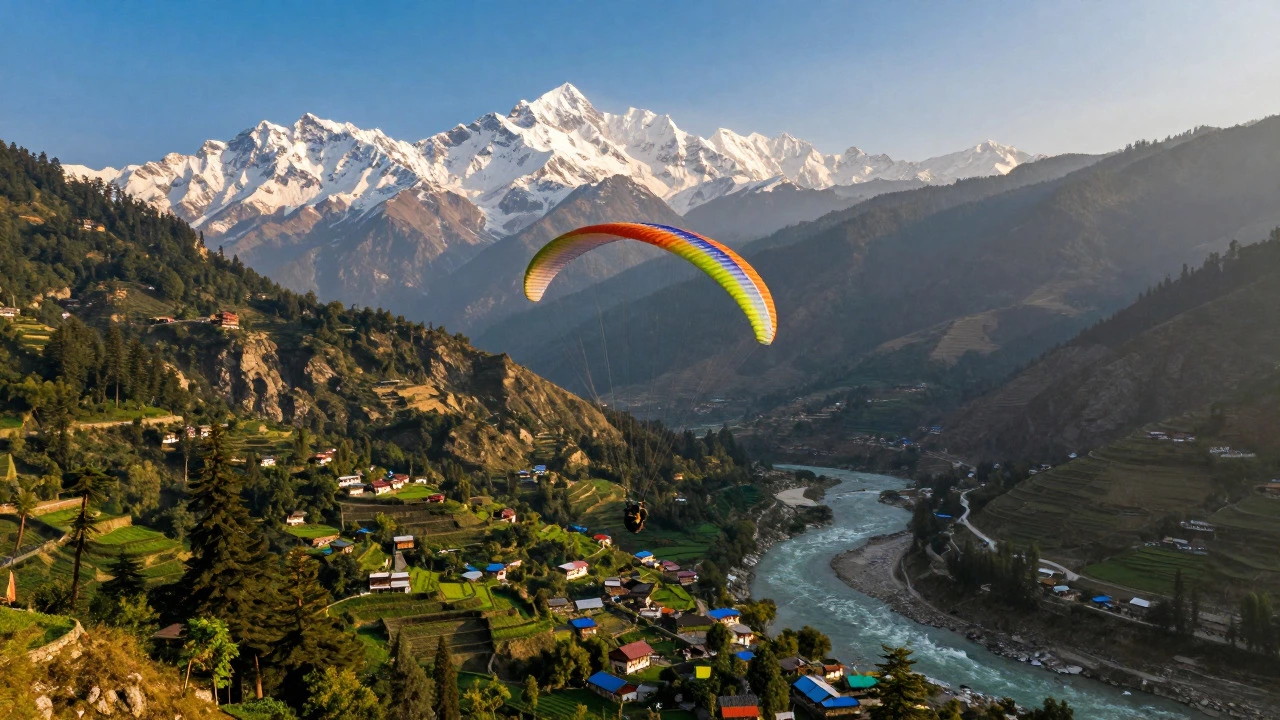
Manali has earned its reputation as the primary adventure hub due to its unique geography. Nestled in the Kullu Valley at an altitude of approximately 2,050 meters (6,725 feet), it serves as the gateway to some of the most challenging and scenic treks in the Himalayas. The town itself is vibrant, but the real draw is what lies just beyond its borders. The core appeal of Manali is its accessibility combined with extreme terrain. You can fly into Bhuntar Airport, just 50 kilometers away, and within hours be standing on a glacier. This convenience has made it the starting point for thousands of expeditions every year. From parasailing over the Beas River to skiing on the slopes of Solang Valley, the variety of activities available here is unmatched in northern India.
| Activity | Best Time | Difficulty Level | Key Location |
|---|---|---|---|
| Skiing & Snowboarding | December - February | Beginner to Advanced | Solang Valley |
| Trekking (Hampta Pass) | June - September | Moderate | Manali to Chakrata route |
| Paragliding | March - June, Sept - Nov | Easy (Tandem) | Khadar Village |
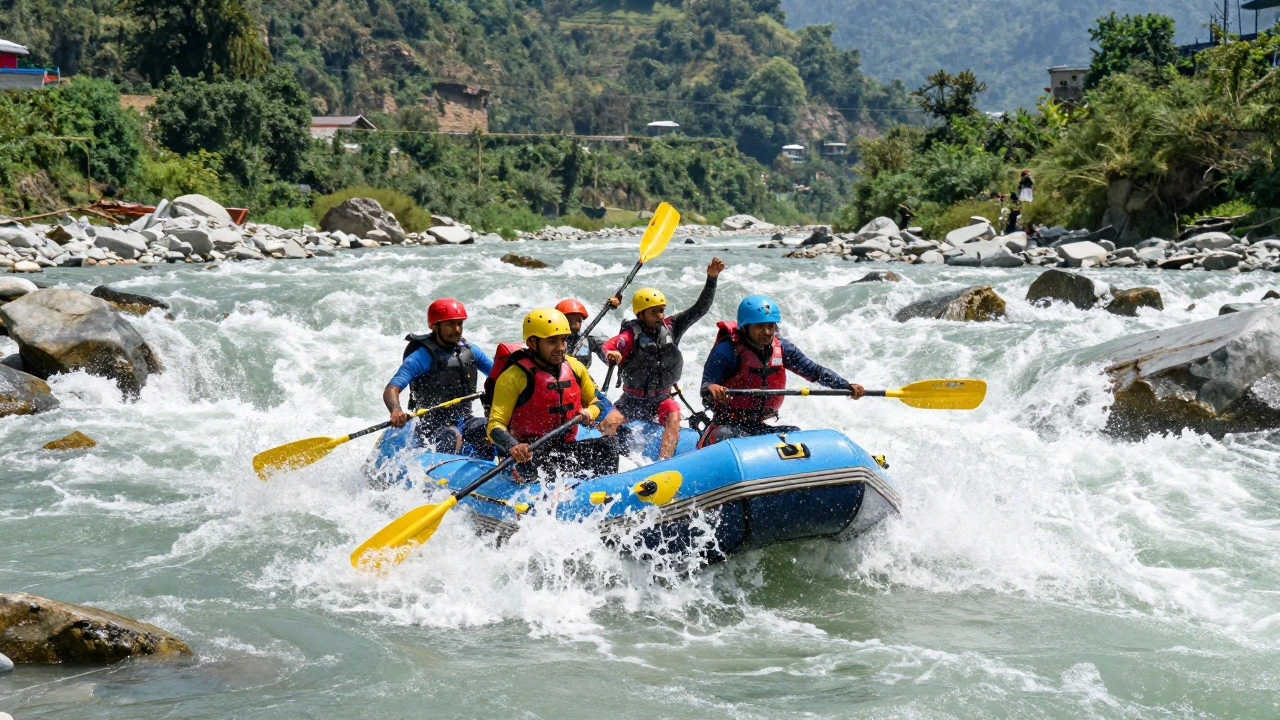
| Rafting | May - September | Moderate | Beas River |
The Spiritual Thrill-Seeker: Rishikesh as the Alternative Capital
While Manali dominates the winter and mountain scene, Rishikesh is the global center for white-water rafting and yoga-based adventure. Known as the "Yoga Capital of the World," Rishikesh blends physical exertion with mental calmness. Located in the foothills of the Garhwal Himalayas, it sits right on the banks of the Ganges River, which powers many of its key attractions. Rishikesh is often cited as the adventure capital for summer travelers. The monsoon season makes river activities dangerous, so the peak window is from March to June. During these months, the water levels in the Ganges are perfect for Grade III and IV rapids. The stretch between Laxman Jhula and Shivpuri is particularly famous, offering about 10 kilometers of thrilling downstream navigation. Beyond rafting, Rishikesh has become a hotspot for bungee jumping. The Jumpin Heights facility near Laxman Jhula offers one of the highest commercial bungee jumps in Asia, dropping participants nearly 84 meters (275 feet). There is also a zipline that spans 330 meters, allowing you to soar over the river valley. These activities attract international tourists who might not otherwise visit the region. Unlike Manali, where the focus is often on conquering heights, Rishikesh emphasizes flow and rhythm. Many visitors combine a morning session of intense rafting with an evening meditation under the stars. This duality makes it a unique destination for those who want to balance their adrenaline rush with inner peace.
Other Emerging Adventure Hubs in India
If you look beyond the two main contenders, several other regions are rapidly building reputations as serious adventure destinations. Each offers a specialized niche that appeals to specific types of explorers.
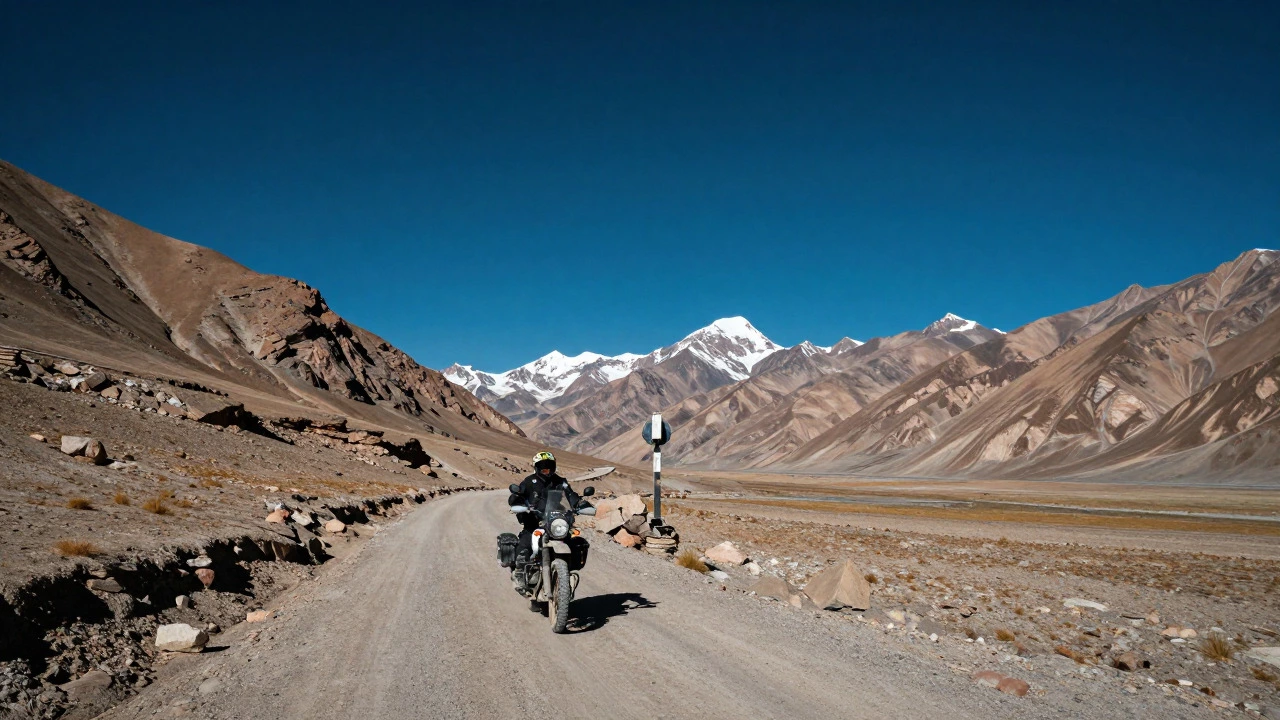
Leh-Ladakh is a high-altitude desert paradise for motorcyclists and mountaineers. The roads here, such as the Srinagar-Leh highway, are engineering marvels that pass through passes exceeding 5,000 meters. Riding a motorcycle through Ladakh is considered a bucket-list item for many adventurers. The terrain is harsh, dry, and breathtakingly beautiful. Treks like the Markha Valley Trek offer isolation and views of snow-capped peaks that rival any in the world. However, the thin air requires careful health management, making it less accessible for casual tourists compared to Manali.
In the south, Goa has evolved from a beach party destination to a water sports hub. While it may not have mountains, it excels in marine adventures. Activities include scuba diving in the Arabian Sea, kite surfing in North Goa, and deep-sea fishing. The warm climate allows for year-round water activities, making it a viable option when the Himalayas are buried in snow.
Another rising star is Coorg in Karnataka. Often called the "Scotland of India," Coorg offers moderate trekking, rock climbing, and zip-lining through coffee plantations. It is less extreme than the north but provides a lush, green alternative for those who prefer forest environments over rocky peaks.
Trekking Places in India: A Regional Breakdown
Since trekking is a major component of adventure tourism, it is worth detailing the best trekking places in India based on difficulty and location. This helps you match your fitness level with the right terrain.
- Easy Treks: Ideal for beginners. Examples include the Triund Trek in Dharamshala (Himachal Pradesh) and the Agumbe Rainforest Trek in Karnataka. These routes usually take one day and do not require technical gear.
- Moderate Treks: Require good cardiovascular fitness. The Roopkund Trek in Uttarakhand and the Kolika Lake Trek in Kerala fall into this category. You will face higher altitudes and potentially unpredictable weather.
- Difficult Treks: For experienced hikers only. The Stok Kangri Climb in Ladakh and the Reo Purgyil Trek in Zanskar involve high-altitude camping, ice climbing, and long days on the move. Proper acclimatization is non-negotiable here.
Safety and Logistics: Planning Your Adventure
Adventure in India comes with inherent risks, but proper planning mitigates most of them. One critical aspect is hiring certified guides. In places like Manali and Rishikesh, there are both licensed operators and informal locals. Always check for certifications from recognized bodies like the National Institute of Mountaineering and Allied Sports (NIMAS).
Weather is another major factor. The Himalayas are notorious for sudden changes. A sunny morning can turn into a blizzard by afternoon. Pack layers, waterproof gear, and always carry a basic first-aid kit. For high-altitude treks above 3,000 meters, be aware of Acute Mountain Sickness (AMS). Symptoms include headache, nausea, and dizziness. Descending immediately is the only cure, so never ignore early signs.
Transportation logistics can also be challenging. Roads in remote areas are often narrow and prone to landslides during the monsoon. If you are driving yourself, ensure your vehicle is suitable for rough terrain. Alternatively, local taxis and shared jeeps are widely available but may operate on irregular schedules.
Choosing Between Manali and Rishikesh
So, which one should you pick? The decision depends entirely on your preferred environment and activity type. Choose Manali if:
- You love snow, cold weather, and mountain vistas.
- You want to try skiing, paragliding, or high-altitude trekking.
- You are traveling between November and April.
- You enjoy a bustling tourist town with easy access to amenities.
- You prefer warmer weather and river-based activities.
- Your main interests are rafting, bungee jumping, or kayaking.
- You want to combine adventure with yoga and meditation.
- You are traveling between March and June.
Final Thoughts on India's Adventure Landscape
India is not just a destination for cultural heritage or beach holidays; it is a powerhouse for adventure tourism. The title of "adventure capital" is fluid, shifting between Manali's snowy peaks and Rishikesh's rushing waters depending on the season and the seeker's desire. By understanding what each region offers, you can tailor your trip to maximize excitement while minimizing risk. Whether you are scaling a mountain or floating down a river, the memories you create in these landscapes will last a lifetime.