Find Your Perfect Indian Trek
Select your preferences below to discover which of India's top trekking regions matches your adventure style.
You might think you know where the world capital of trekking is. Maybe it’s the Swiss Alps, with their polished ski resorts and pristine trails. Or perhaps it’s the rugged peaks of Nepal, home to Everest Base Camp. But if you ask seasoned hikers who have actually spent nights in freezing tents and crossed rivers that turn into rapids overnight, they’ll point you somewhere else entirely. They will point you to India.
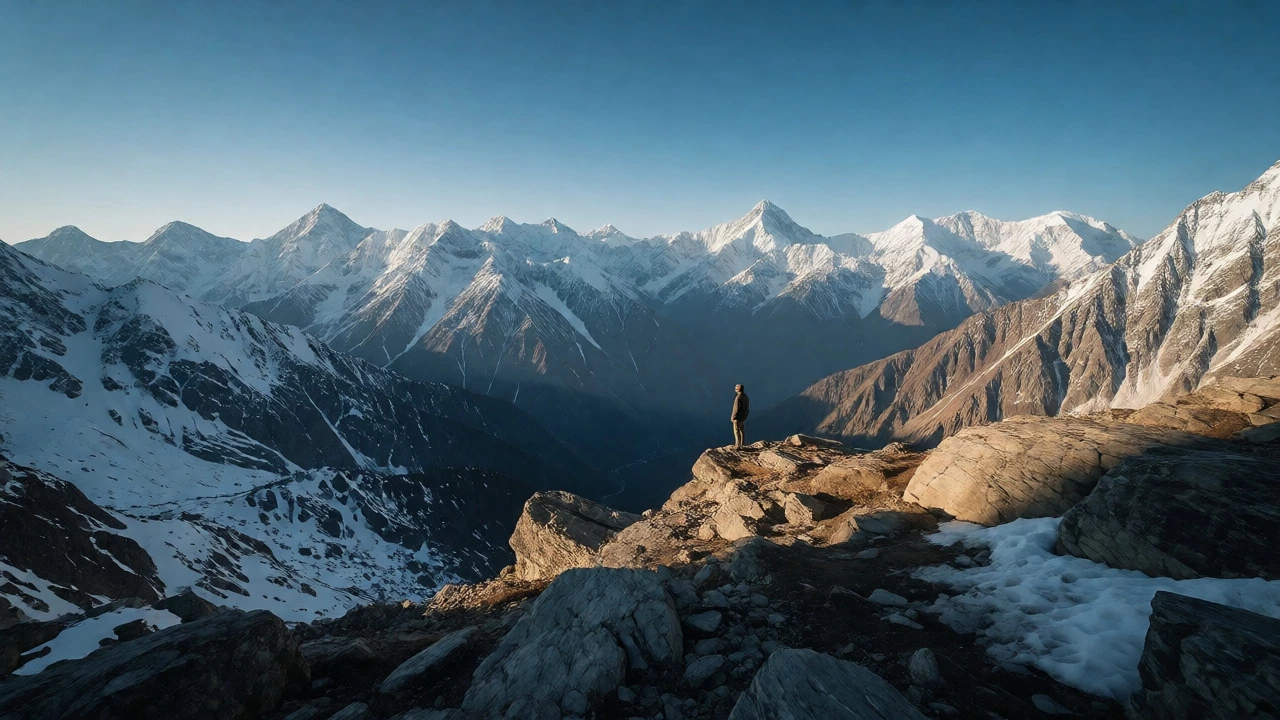
Specifically, they will point you to the Himalayas in the north and the Western Ghats in the south. Why? Because India offers something no other country can: a sheer density of diverse terrain packed into one geographic zone. You don’t just get mountains; you get deserts, rainforests, high-altitude plateaus, and volcanic craters all within a few thousand kilometers. This article breaks down why India claims this title, which specific regions deserve the crown, and how you can plan your own expedition without getting lost in the hype.
Why India Claims the Title
Let’s be real for a second. "Capital" is a strong word. It implies a single city or town. In trekking, there isn’t one city. There are regions. However, if we define "capital" as the place with the highest concentration of accessible, challenging, and scenic routes, India wins on volume and variety. The Indian Himalayas stretch across five states-Jammu & Kashmir, Himachal Pradesh, Uttarakhand, Sikkim, and Arunachal Pradesh. That’s over 2,500 kilometers of mountain range.
Compare this to Europe. To hike different styles of terrain, you often need to cross borders, change currencies, and navigate complex visa rules. In India, you can start at sea level in Kerala’s tea plantations and end up at 14,000 feet in Ladakh’s cold desert, all within the same country. The logistical ease of staying within one national framework makes it a hub for international trekkers. Plus, the cost factor is undeniable. A ten-day trek in Switzerland can cost more than a month of accommodation and food in India. For many global adventurers, accessibility defines the "capital." If you can’t afford to go, it’s not really your capital, is it?
The Contenders: Which Region Takes the Crown?
If we had to pick a single location to call the heart of Indian trekking, two names come up repeatedly: Manali and Darjeeling. But let’s look closer. Manali, in Himachal Pradesh, is often cited because it serves as the gateway to the Parvati Valley and Rohtang Pass. It’s accessible by road from Delhi, making it a weekend warrior’s dream. But is it the capital? Maybe not alone.
Then there’s Darjeeling in West Bengal. Known for its view of Kanchenjunga, the world’s third-highest peak, Darjeeling has a colonial history intertwined with mountaineering. Early British explorers used it as a base camp. Today, it’s the starting point for the Singalila Ridge trek. It feels like a capital because of its heritage. But again, it’s just one piece of the puzzle.
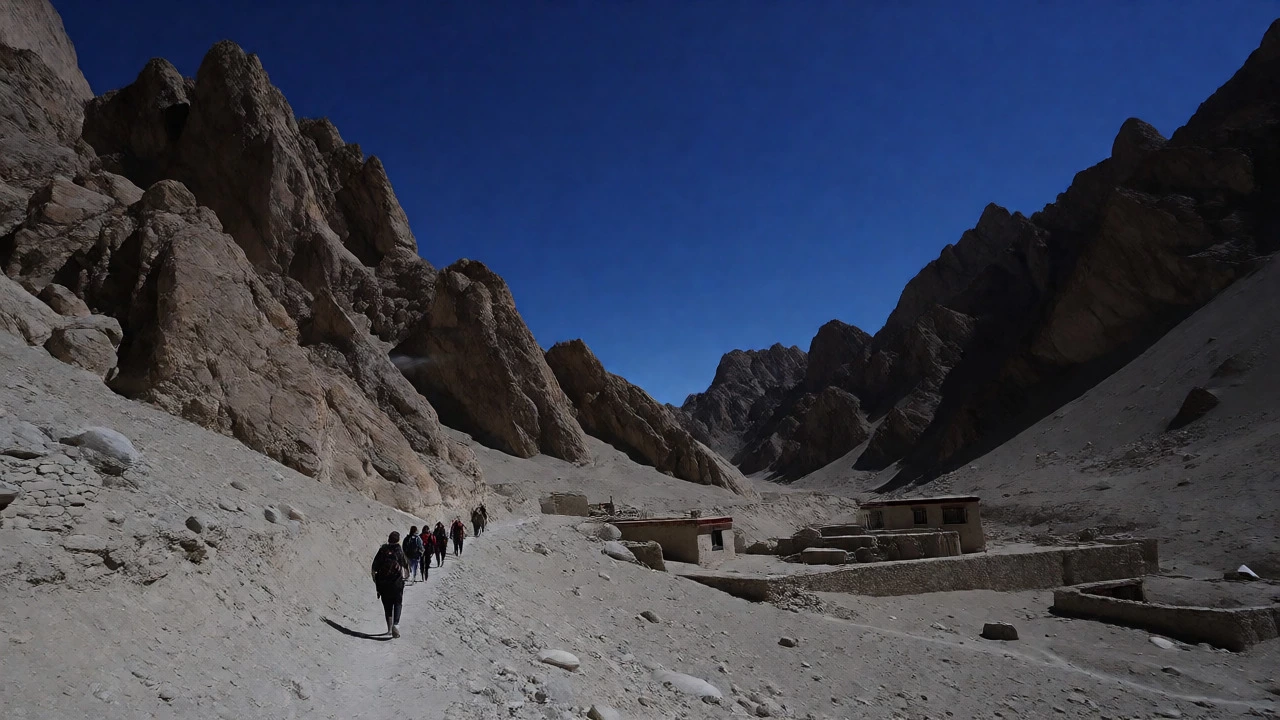
Here is the truth: The true "capital" is fragmented. It’s a network. However, if you want the most iconic, high-altitude experience that draws thousands of foreigners every year, the Ladakh region is arguably the modern capital of serious trekking. Its landscape is lunar, stark, and utterly unique. Treks like Markha Valley offer cultural immersion with Buddhist monasteries and homestays, blending adventure with spirituality in a way few places do.
Top Trekking Places in India You Must Know
You’re probably wondering, "Okay, I’m sold on India. Where do I actually go?" Here are the top spots that define the current trekking map. These aren’t just pretty pictures; these are routes with infrastructure, guides, and safety protocols established over decades.
- Kedarkantha, Uttarakhand: This is the beginner’s favorite. It’s a winter trek that takes you through pine forests and snow-covered meadows. The summit offers a 360-degree view of Himalayan giants like Swargarohini and Bandarpoonch. It’s safe, well-marked, and affordable.
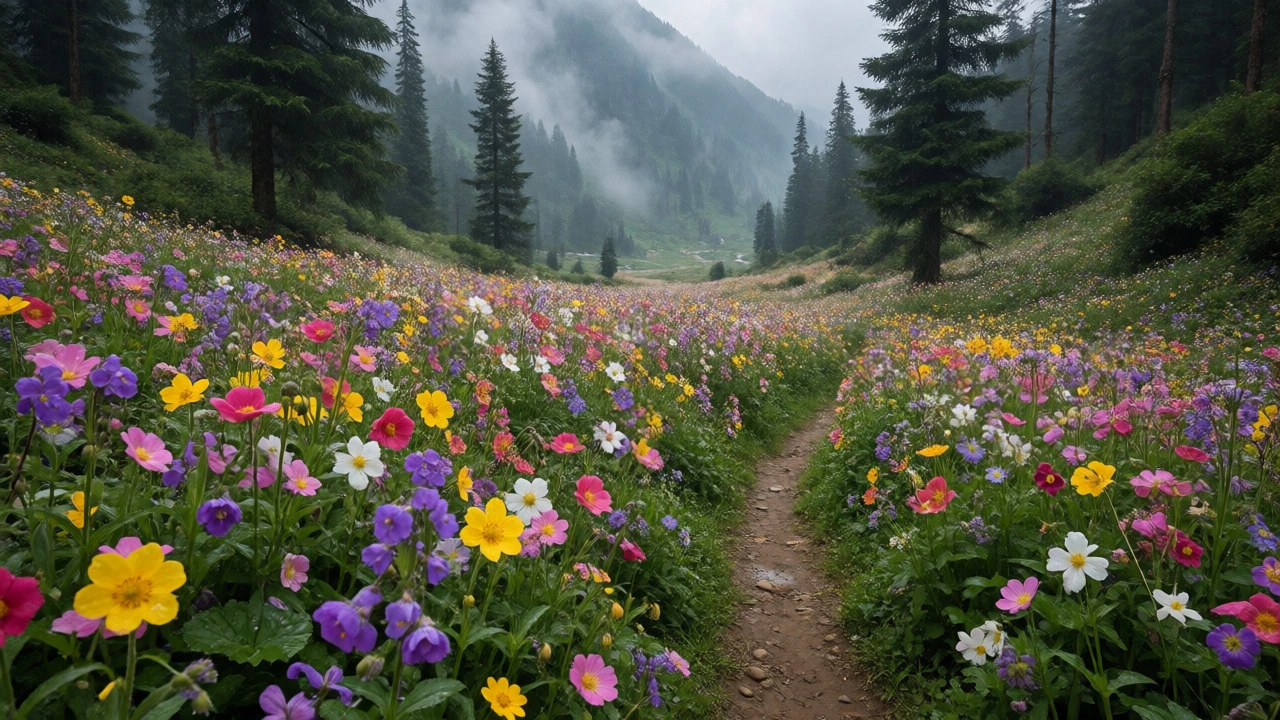
- Valley of Flowers, Uttarakhand: Best visited in August when the blooms are at their peak. It’s a UNESCO World Heritage Site. The trek is moderate, but the altitude gain requires acclimatization. It’s less about extreme challenge and more about visual spectacle.
- Rupin Pass, Himachal Pradesh: This is for those who want drama. The trail starts in green valleys and ends in the dry, rocky landscapes of Spiti. Crossing the actual pass involves navigating narrow ledges and steep drops. It’s physically demanding but mentally rewarding.
- Hampta Pass, Himachal Pradesh: Another crossover trek. You start in lush Kullu and end in barren Lahaul. The contrast is jarring and beautiful. It’s popular because it can be done in six days, fitting into a standard vacation window.
- Goecha La, Sikkim: If you want to see Kanchenjunga up close, this is the trek. It’s long (9-10 days) and high (reaching nearly 15,000 feet). The final climb to the viewpoint is brutal, but seeing the massive wall of ice and rock is unforgettable.
Comparison of Major Trekking Regions
To help you decide which "capital" fits your style, here’s a breakdown of the main regions. Notice how the difficulty and scenery vary drastically.
| Region | Best Season | Terrain Type | Difficulty Level | Key Attraction |
|---|---|---|---|---|
| Uttarakhand | Apr-Jun, Sep-Nov | Forests, Meadows, Snow | Beginner to Moderate | Sacred Pilgrimage Sites |
| Himachal Pradesh | May-Oct | Green Valleys, High Passes | Moderate to Difficult | Crossover Landscapes |
| Ladakh | Jun-Sep | Cold Desert, Glaciers | Difficult (High Altitude) | Stark, Moon-like Views |
| Sikkim | Mar-May, Oct-Nov | Dense Forests, Rhododendrons | Moderate to Hard | Kanchenjunga Views |
| Western Ghats | Oct-Feb | Monsoon Rainforests, Forts | Easy to Moderate | Biodiversity & Waterfalls |
Practical Tips for Your First Big Trek
Knowing the destination is half the battle. Preparing for it is the other half. Many people fail not because they lack fitness, but because they underestimate the logistics. Here is what you need to do before you book that flight to Delhi or Kolkata.
First, check the permit requirements. Some areas, especially near the China border in Ladakh or parts of Sikkim, require Inner Line Permits (ILP). You cannot just walk in. Apply online or through a registered tour operator at least two weeks in advance. Second, insurance is non-negotiable. Standard health insurance often excludes rescue operations above 10,000 feet. Buy a policy specifically covering high-altitude trekking and helicopter evacuation. It costs little but saves your life-or your bank account.
Third, pack light but smart. Weight kills morale. Aim for a backpack under 12 kg including water. Use layers. Temperatures in the Himalayas can swing from 25°C during the day to -10°C at night. Cotton is your enemy; it stays wet and chills you. Stick to wool and synthetic fabrics. Finally, respect the local culture. In many villages, you’ll stay in homestays. Eating what locals eat (often dal-bhat) keeps energy levels stable and supports the community economy.
The Rise of Sustainable Trekking
With great popularity comes great responsibility. The "capital" metaphor also brings traffic. Popular trails like Kedarkantha suffer from litter issues. Plastic bottles and food wrappers mar the pristine views. As a responsible traveler, you need to adopt the "Leave No Trace" principle strictly.
Carry out everything you carry in. Yes, even biodegradable apple cores-they take months to decompose in cold climates. Choose operators who employ local guides and porters fairly. The money should stay in the valley, not leak out to foreign agencies. Look for certifications like the Adventure Tour Operators Association of India (ATOAI) membership. These groups push for cleaner trails and better safety standards. By choosing ethical providers, you help ensure that these trekking capitals remain beautiful for the next generation.
Frequently Asked Questions
Is India really safer for solo female trekkers compared to other countries?
Yes, generally speaking. India has a robust ecosystem of group treks organized by reputable companies. Solo female travelers often join these groups for safety and camaraderie. Local guides are trained to handle emergencies, and the communities along the trails are accustomed to tourists. However, always research specific routes and avoid isolated camping spots without a guide.
Do I need previous hiking experience to start trekking in India?
Not necessarily. There are plenty of beginner-friendly treks like Triund or Kudremukh that require only basic fitness. Start with easy trails to build confidence and stamina. Once you’re comfortable, you can graduate to moderate hikes like Hampta Pass. Never attempt high-altitude treks like Goecha La without prior conditioning.
What is the best time of year to visit the Himalayan trekking capitals?
It depends on the region. For Uttarakhand and Himachal, May to June and September to November are ideal. Winter treks happen in December to February but require cold-weather gear. Ladakh is accessible only from June to September due to snow blocking the roads. Always check weather forecasts closer to your date.
How much does a typical week-long trek cost in India?
Costs vary widely. A budget trek with shared accommodation might cost $200-$300 USD per person. Premium experiences with private guides, good food, and luxury camps can range from $500 to $1,000+ USD. This usually includes permits, meals, and equipment rental, but excludes flights to the base city.
Can I rent gear locally or should I bring my own?
You can rent essential gear like sleeping bags, tents, and poles in major hubs like Manali, Rishikesh, and Leh. However, fit matters. Renting boots is risky if they don’t break in properly. Bring your own footwear and base layers. Rent bulky items like tents and large backpacks to save luggage space.
Next Steps for Your Adventure
You’ve got the map, you know the contenders, and you understand the risks. Now, pick a season. If you love snow, book Kedarkantha for January. If you prefer wildflowers, aim for August in Uttarakhand. Check your fitness level honestly. If you haven’t run in six months, start walking now. Book your flights early, secure your permits, and pack your bag. The mountains are waiting, and they don’t care about your excuses. Go find your own capital.