Jodhpur Weather Planner
Find Your Perfect Visit
Pro Tip: Jodhpur's best months are October-March when temperatures are between 15-30°C. Avoid April-June when it's over 35°C.
Your Recommended Months
For temperatures between °C
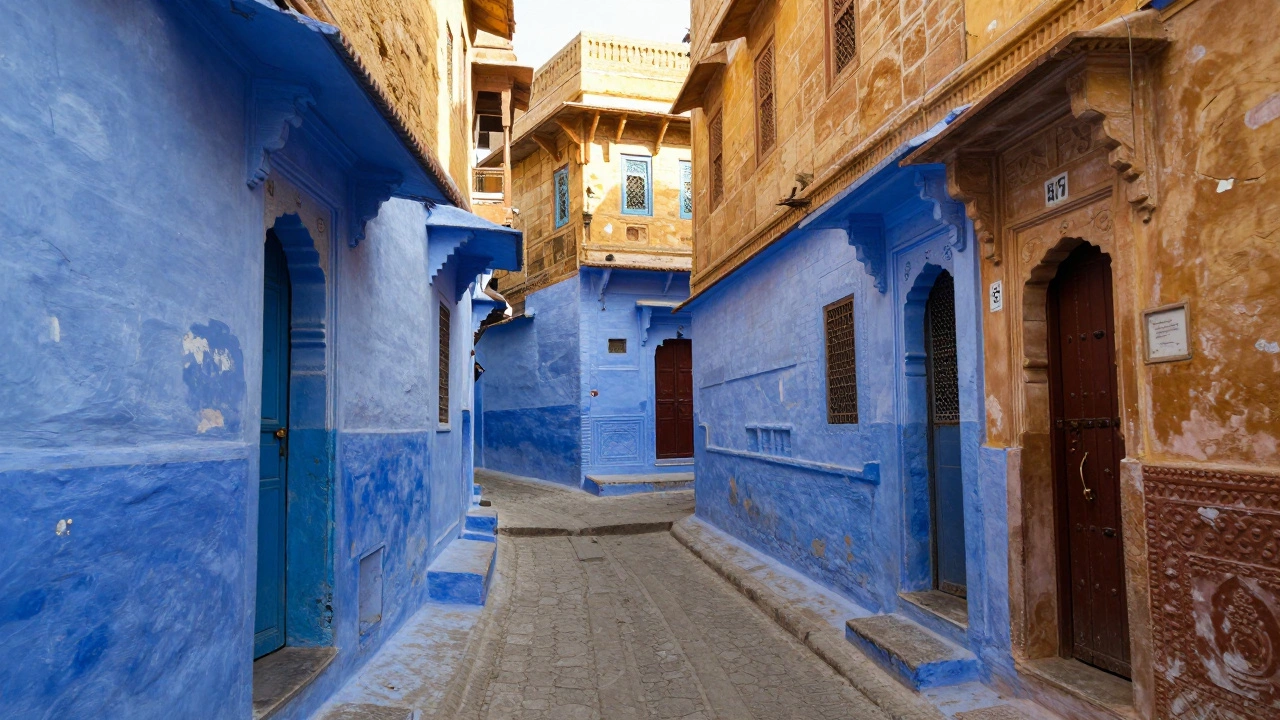
If you have been wondering which city is called the Blue City of India, the answer is straightforward. Jodhpur is the historic city in Rajasthan known globally as the Blue City. Located in the northwest of India, this place stands out because entire neighborhoods are painted in shades of azure and cobalt. Walking through the old streets feels like stepping into a watercolor painting where the walls glow under the desert sun. While many places in India have nicknames based on color, Jodhpur’s blue hue is the most visually striking and culturally significant.
The Origin of the Blue Color
Understanding why the city is blue requires looking at history and practicality. The most common explanation involves the Brahmin community. Traditionally, Brahmins in Jodhpur painted their homes blue to signify their caste and social status. This practice started centuries ago and eventually spread to other residents who wanted to align with the prestigious community. Over time, the blue pigment became a unifying feature of the old city.
There is also a scientific reason behind the choice of color. The blue paint contains copper sulfate, which has insect-repellent properties. In a hot, dry climate like Rajasthan, keeping mosquitoes and other pests away is crucial for health. Additionally, the light color reflects sunlight better than dark tones, helping to keep the interiors of the houses cooler during the scorching summer months. This blend of tradition and utility created the iconic landscape you see today.
Exploring the Old City Streets
When you visit the old city, the blue walls are everywhere. The narrow lanes of the Blue Quarter are a network of winding streets where traditional havelis stand close together. You will notice that the intensity of the blue varies from house to house. Some are faded and weathered, showing the passage of time, while others are freshly painted for the tourist season. The contrast between the blue walls and the yellow sandstone of the surrounding buildings creates a unique visual rhythm.
Photographers love this area because the light changes throughout the day. In the morning, the blue looks soft and misty. By midday, it becomes vivid and electric against the bright sky. If you plan to capture the best images, walking through the markets near the Clock Tower offers the most concentrated view of the blue houses. Just remember to ask permission before taking close-up portraits of residents to respect their privacy.
Major Landmarks in Jodhpur
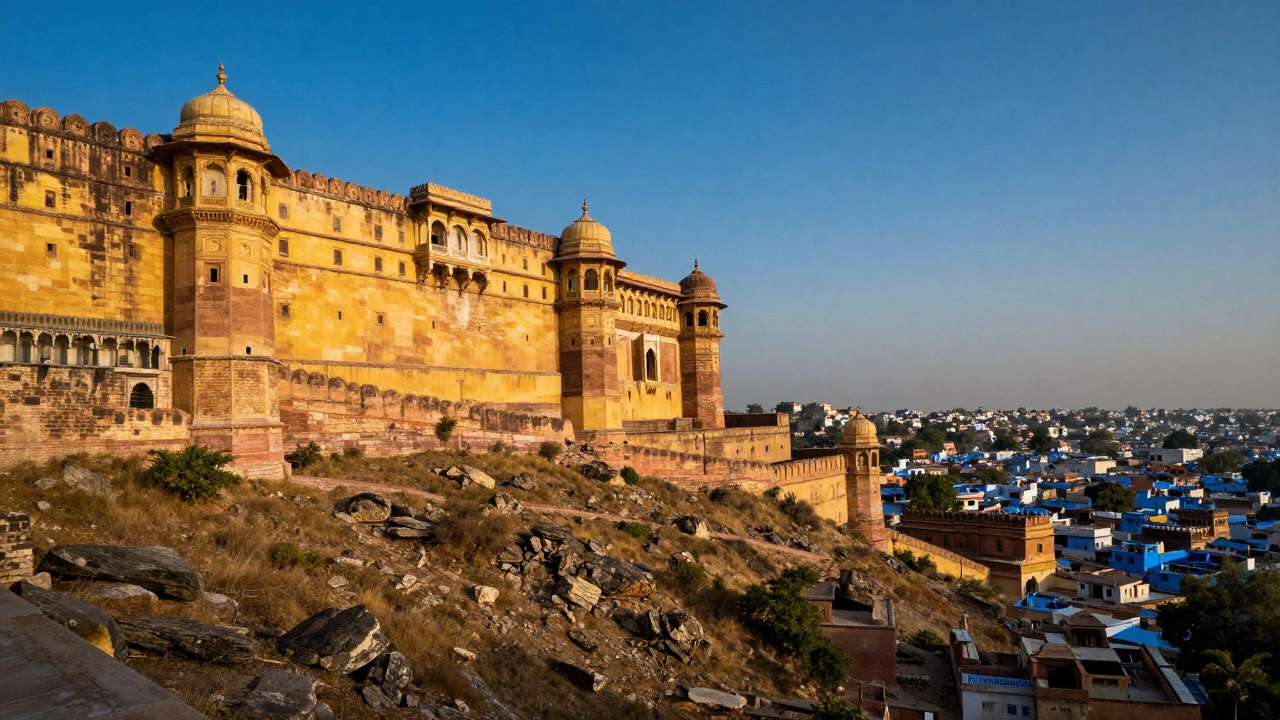
The city is not just about the color; it is packed with monumental architecture. The crown jewel is the Mehrangarh Fort, which overlooks the city from a rocky ridge and serves as a symbol of Rajput power. Built in the 15th century, this fort is one of the largest in India. Inside, you will find palaces, courtyards, and museums that house royal artifacts. The view from the fort walls looking down at the blue city below is one of the most famous perspectives in Rajasthan.
Another significant site is Jaswant Thada, a marble cenotaph built in memory of Maharaja Jaswant Singh II. Located just outside the city walls, this structure features intricate latticework and gardens. It provides a peaceful contrast to the bustling markets of the old city. Visitors often come here during the cooler parts of the day to enjoy the shade of the marble arches and the quiet atmosphere.
| City | Nickname | Key Feature | Primary Color |
|---|---|---|---|
| Jodhpur | Blue City | Mehrangarh Fort | Azure/Cobalt |
| Jaipur | Pink City | Hawa Mahal | Pink |
| Udaipur | White City | Lake Palace | White |
| Jaisalmer | Golden City | Fortress City | Yellow/Sandstone |
Culinary Experiences and Local Markets
Traveling to Jodhpur is incomplete without tasting the local food. The cuisine here is robust and spicy, reflecting the desert environment. A must-try dish is Mirchi Vada, which are large green chilies stuffed with potato filling and deep-fried. You can find these at street stalls near the Sardar Market. Another specialty is Gatte ki Sabzi, where gram flour dumplings are cooked in a yogurt-based curry. These dishes are hearty and provide the energy needed for long days of sightseeing.
The markets themselves are vibrant extensions of the city’s culture. Sardar Market and Sojat Bazaar are the main hubs for shopping. Here, you will find textiles, jewelry, and handicrafts. The blue pottery of Jodhpur is particularly famous. Unlike traditional clay pottery, this craft uses quartz and glass powder to create a distinct blue and white finish. Buying a piece of this pottery makes for a tangible memory of the Blue City.
Adventure Opportunities Near Jodhpur
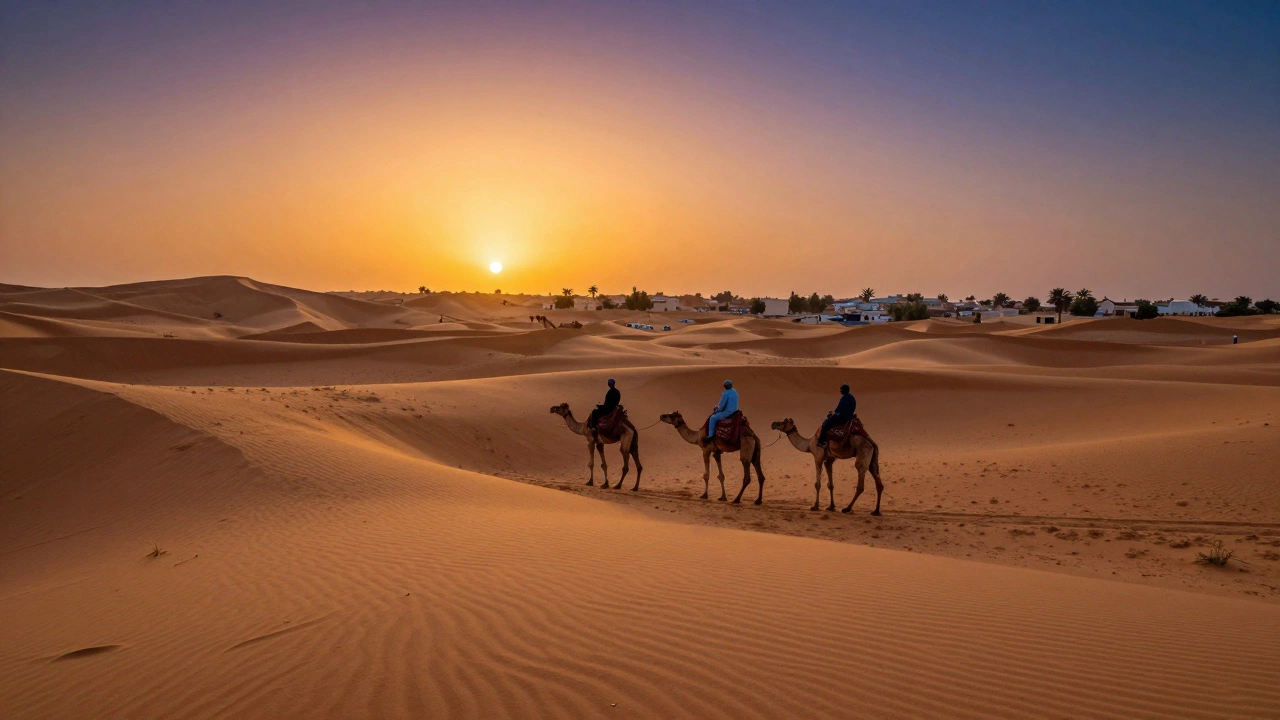
While Jodhpur is known for history, it also serves as a gateway for adventure sports in India. The Thar Desert is a vast sandy landscape bordering Pakistan that offers unique outdoor activities. Just a short drive from the city, you will find the Sam Sand Dunes. This is a popular spot for camel safaris where you can ride camels into the sunset. The experience gives you a taste of traditional desert travel that has been used for centuries.
For more active pursuits, the desert landscape supports activities like sandboarding and off-roading. Several tour operators in Jodhpur organize jeep safaris that take you through rugged terrain. If you prefer the sky, paragliding is available in certain seasons. These activities allow you to experience the raw beauty of the region beyond the city walls. The proximity of the desert to the urban center makes Jodhpur a versatile destination for both culture and adventure.
Best Time to Visit
Timing your trip is essential for comfort. The climate in Rajasthan is extreme, with very hot summers and cool winters. The best time to visit Jodhpur is between October and March. During these months, the temperature is moderate, making it pleasant to walk around the old city and explore the forts. Summer months, from April to June, can see temperatures soar above 40 degrees Celsius, which can be exhausting for tourists.
Monsoon season brings some relief but also unpredictable rain. If you visit in March, as is the case now, you will find the weather quite agreeable. The skies are clear, and the flowers in the gardens around Jaswant Thada are often in bloom. Planning your trip during the cooler months ensures you can enjoy outdoor activities without the risk of heatstroke or discomfort.
Getting to Jodhpur
Reaching the Blue City is relatively easy due to good connectivity. Jodhpur has its own international airport, which receives flights from major Indian cities like Delhi and Mumbai. The train network is also extensive, with the city connected to the national rail grid. If you are traveling from other parts of Rajasthan, buses are a frequent and affordable option. Road conditions have improved significantly, making self-driving a viable choice for those comfortable with Indian traffic.
Once you arrive, local transport includes auto-rickshaws and cycle rickshaws. For exploring the narrow lanes of the old city, walking is often the best option. Some areas are too narrow for vehicles, and walking allows you to notice the details of the architecture. Taxis are available for longer distances, such as trips to the desert dunes. Negotiating fares beforehand is a common practice to avoid misunderstandings.
Preservation and Future Challenges
As tourism grows, preserving the original character of the Blue City becomes a challenge. There is a concern that modernization might lead to the loss of the traditional blue paint. Local authorities and heritage groups work to encourage residents to maintain the color. Some programs offer subsidies for blue paint to keep the aesthetic intact. This effort ensures that future generations can still see the city as it has appeared for centuries.
Overcrowding during peak tourist seasons can also impact the experience. Visiting during weekdays or off-peak times can help avoid the rush. Respecting local customs and maintaining cleanliness are ways travelers can contribute to preservation. Sustainable tourism practices are becoming more important as the city balances economic benefits with cultural integrity.
Frequently Asked Questions
Why is Jodhpur called the Blue City?
Jodhpur is called the Blue City because many houses in the old city are painted blue. Historically, Brahmins painted their homes blue to signify status. The color also helps repel insects and keep houses cool in the desert heat.
Is Jodhpur safe for solo travelers?
Yes, Jodhpur is generally safe for solo travelers. The locals are accustomed to tourists. However, standard precautions like avoiding isolated areas at night and securing valuables are recommended.
How many days are needed to visit Jodhpur?
Two to three days are sufficient to cover the main attractions like Mehrangarh Fort, the Blue Quarter, and a day trip to the Sam Sand Dunes.
Can I see the blue houses at night?
The blue houses are best seen during daylight. At night, the streets are darker, and the color is less visible. However, the city has a lively evening atmosphere with markets and food stalls.
What is the best way to see Mehrangarh Fort?
You can walk up the steep ramparts or take a camel ride to the entrance. Hiring a guide inside the fort provides detailed historical context about the royal family and architecture.