Sanctuary Success Scorecard
Check the boxes that apply to the sanctuary you are evaluating or visiting.
Conservation & Management
Community & Conflict
Economic Impact
Impact Analysis
Select criteria on the left to see how well a sanctuary balances nature and human needs.
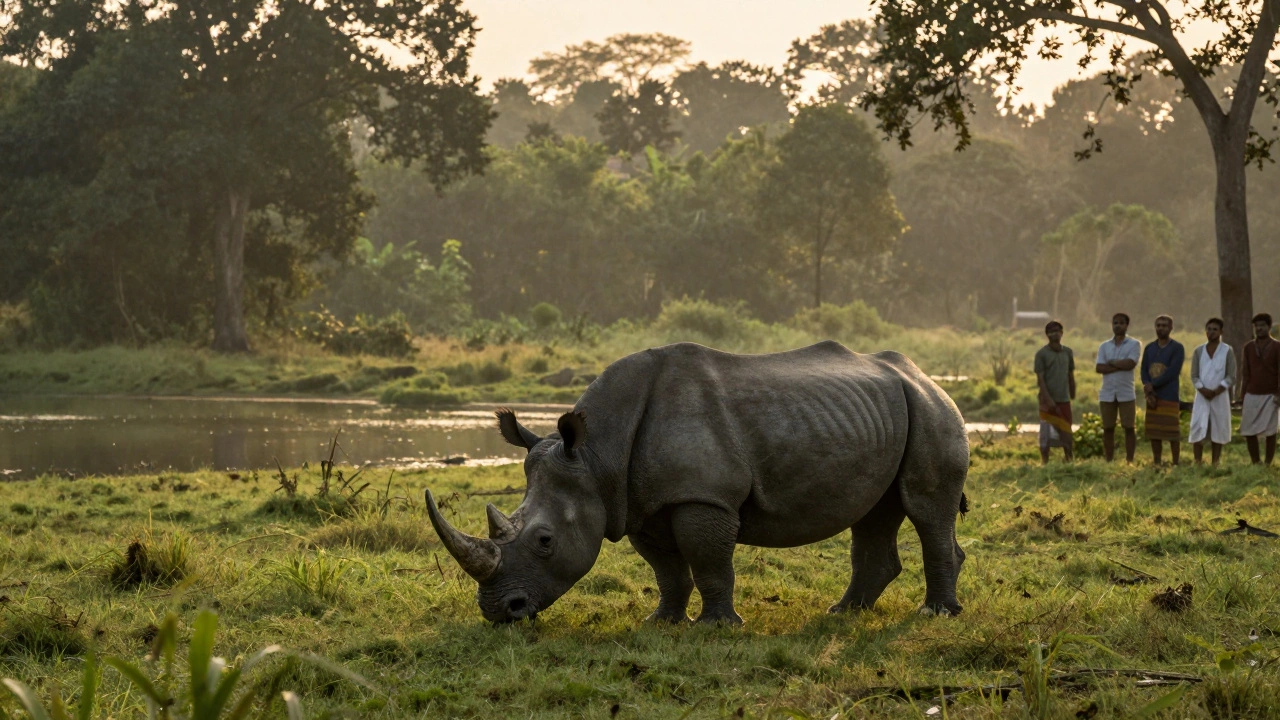
You stand at the edge of a jeep safari in Kaziranga National Park, watching a one-horned rhinoceros graze peacefully. It’s a magical moment, one that feels like pure victory for nature. But then you hear the murmurs from the local villagers nearby-talk of lost crops, restricted land rights, and safety concerns. This tension is the heart of the question: Are wildlife sanctuaries actually good? The answer isn’t a simple yes or no. It’s a complex balance between saving species from extinction and managing the human costs of conservation.
Wildlife sanctuaries are protected areas where animals live with minimal human interference. Unlike national parks, which often have stricter boundaries and higher funding, sanctuaries can allow limited activities like grazing or fuelwood collection by locals, depending on the country's laws. In places like India, these zones act as critical buffers and habitats for endangered species. But do they work? And who pays the price?
The Conservation Success Story
Let’s start with the undeniable wins. Without designated protected areas, many iconic species would already be gone. The recovery of the Bengal Tiger in India is perhaps the most famous example. Decades ago, tigers were pushed to the brink by poaching and habitat loss. The creation of tiger reserves and surrounding sanctuaries provided a safe haven for breeding populations. Today, thanks to rigorous monitoring and anti-poaching units, the wild tiger population has doubled since 2006. That is not just a statistic; it is a biological miracle.
Similarly, the Great Indian Bustard, a critically endangered bird, survives largely because specific sanctuaries in Rajasthan protect its arid grassland habitat. These zones stop commercial farming and infrastructure projects from destroying the delicate ecosystems these birds need. When we talk about biodiversity, sanctuaries are the lifeboats. They preserve genetic diversity, maintain food chains, and ensure that pollinators, seed dispersers, and predators continue their essential roles in the environment.
But success here depends heavily on enforcement. A sanctuary on paper means nothing if fences aren’t maintained and rangers aren’t paid. In well-managed areas, the data shows clear population rebounds. In neglected ones, illegal logging and poaching still thrive. So, are they good? Yes, but only when they are actively managed and funded.
The Human Cost of Protection
Now, let’s look at the other side of the coin. For every animal saved, there is often a community displaced or restricted. This is known as the "fortress conservation" model, where people are removed from nature to save it. While modern approaches try to involve locals, the friction remains real.
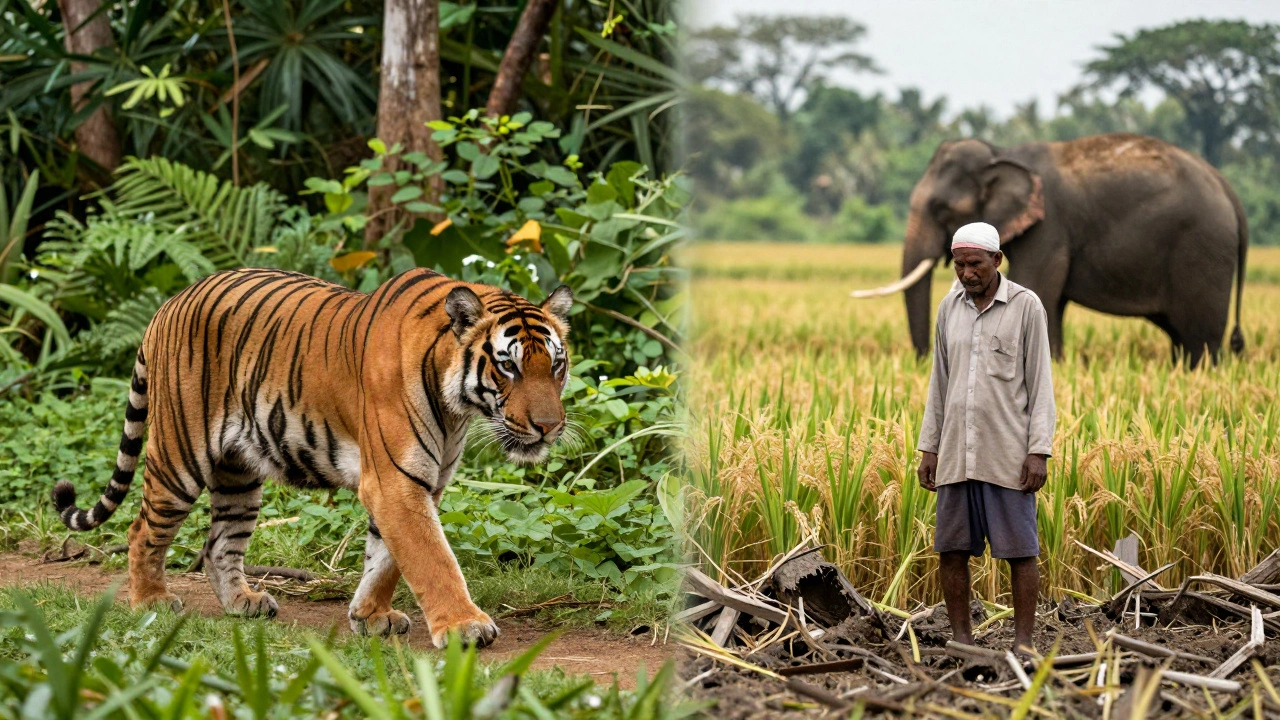
Consider the villages bordering Periyar Tiger Reserve in Kerala. Farmers here deal with elephants wandering into fields, destroying rice crops worth thousands of dollars. When an elephant kills a person, the grief is profound. These communities bear the direct risk of living next to powerful predators, yet they often receive little compensation or support. Instead, they face restrictions on using forest resources they’ve relied on for generations.
This creates resentment. If locals feel that conservation hurts their livelihoods more than it helps, they may turn against the very animals meant to be protected. Poaching often spikes in areas where poverty is high and alternative incomes are scarce. Therefore, a sanctuary is only "good" if it includes robust programs for human-wildlife conflict mitigation. This could mean better crop insurance, electric fencing, or community-led patrols that pay locals to protect the forest rather than exploit it.
Economic Benefits vs. Leakage
Proponents argue that wildlife tourism brings money to the region. Safari fees, hotel bookings, and guide services create jobs. In theory, this economic benefit should outweigh the costs for local communities. In practice, however, the money doesn’t always stay local. This is called "economic leakage."
In many popular destinations, large international tour operators book the safaris. The profits flow back to cities abroad or to capital cities, leaving only low-wage jobs for the locals. A villager might get a job as a cleaner or a driver, but the owner of the luxury lodge lives elsewhere. For a sanctuary to truly benefit its surroundings, the tourism model must be community-based. Local cooperatives owning lodges, hiring local guides, and sourcing food locally ensures that the revenue stays in the village. When this happens, conservation becomes an economic asset rather than a burden.
Ecological Integrity and Climate Resilience
Beyond individual species, sanctuaries play a massive role in climate regulation. Forests within these protected areas act as carbon sinks, absorbing CO2 from the atmosphere. Wetlands, like those in the Sundarbans, protect coastlines from storm surges and erosion. By preserving these natural structures, sanctuaries provide free ecosystem services that would cost billions to replicate with engineering.
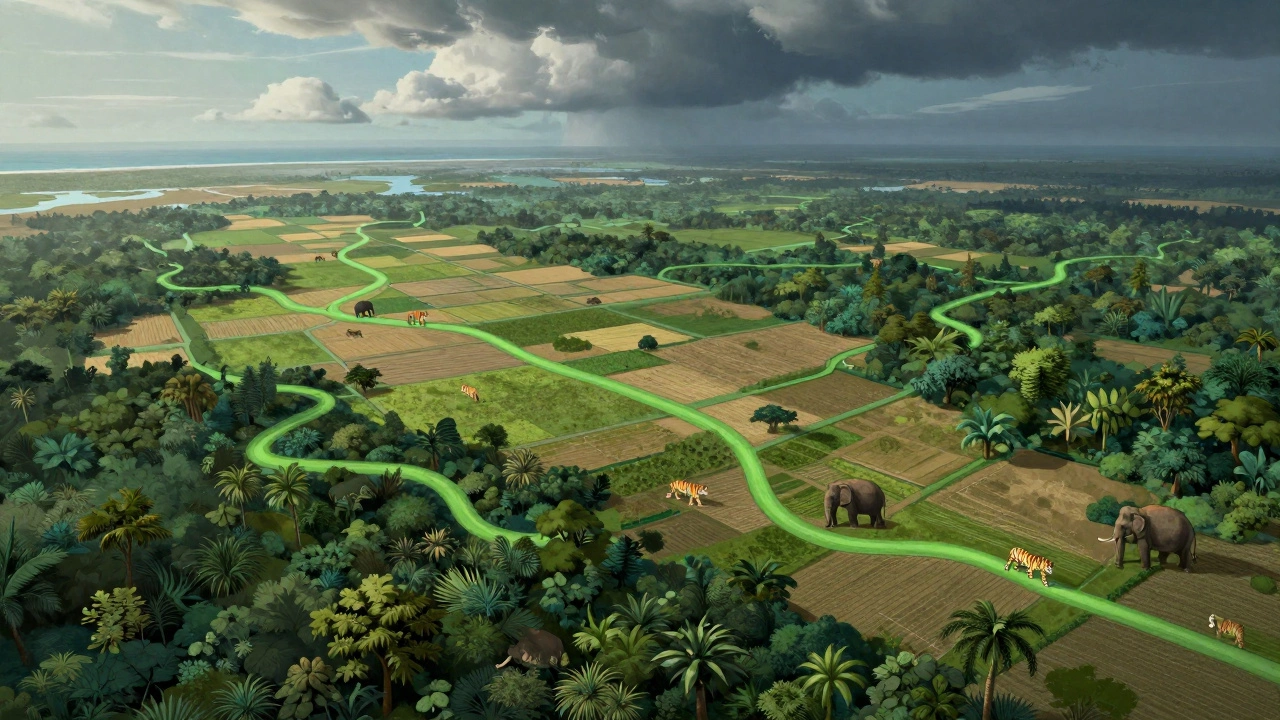
However, climate change itself poses a threat to sanctuaries. As temperatures rise, species may need to migrate to cooler areas. If a sanctuary is isolated-a green island surrounded by farmland or cities-animals cannot move. This is why connectivity corridors are vital. Sanctuaries shouldn’t be standalone boxes; they need to be part of a larger network. Recent initiatives in India focus on linking fragmented habitats so tigers and elephants can roam safely between reserves. Without this connectivity, even well-managed sanctuaries become dead ends for migrating wildlife.
How to Tell if a Sanctuary Is Working
Not all sanctuaries are created equal. Some are poorly managed, underfunded, or overrun by invasive species. How can you tell if a sanctuary is genuinely contributing to conservation? Look for these signs:
- Transparent Data: Do they publish annual reports on population counts? Reputable sanctuaries share both successes and challenges.
- Community Engagement: Are locals involved in decision-making? Look for joint forest management committees or community-owned tourism ventures.
- Anti-Poaching Measures: Is there visible technology (like camera traps or drones) and trained personnel? Passive protection rarely works against organized crime.
- Carrying Capacity Limits: Do they limit the number of jeeps per day? Over-tourism stresses animals and degrades habitats. A good sanctuary prioritizes animal welfare over ticket sales.
The Verdict: Are They Worth It?
So, are wildlife sanctuaries good? Absolutely, but with caveats. They are indispensable tools for preventing mass extinction. Without them, the rate of species loss would be catastrophic. However, they are not a silver bullet. A sanctuary that ignores human needs will eventually fail due to conflict. A sanctuary that focuses only on economics without ecological science will degrade its own habitat.
The future of conservation lies in integrated models. We need sanctuaries that are scientifically managed, economically inclusive, and socially equitable. This means paying fair compensation for crop damage, investing in local education and healthcare funded by tourism revenues, and enforcing strict anti-poaching laws. When done right, a wildlife sanctuary is not just a zoo for animals; it’s a thriving ecosystem that supports both biodiversity and human well-being.
What is the difference between a wildlife sanctuary and a national park?
While both are protected areas, national parks generally have stricter regulations. In many countries, including India, certain traditional activities like grazing or collecting minor forest produce may be allowed in wildlife sanctuaries but are prohibited in national parks. National parks also tend to have clearer boundaries and higher levels of government funding and protection status.
Do wildlife sanctuaries help reduce poverty?
They can, but only if the benefits are distributed fairly. If tourism revenue leaks out to external corporations, locals see little gain. However, when sanctuaries employ local guides, run community homestays, and provide compensation for crop damage, they can significantly improve local incomes and reduce poverty.
Why do some people oppose wildlife sanctuaries?
Opposition usually stems from displacement and human-wildlife conflict. Communities may lose access to ancestral lands for farming or gathering resources. Additionally, the risk of attacks by large predators like tigers or elephants, along with crop destruction, creates significant hardship for those living near sanctuary borders.
How can tourists visit sanctuaries responsibly?
Responsible tourism involves choosing local operators, keeping noise levels low inside vehicles, never feeding animals, and respecting distance guidelines. Avoid buying souvenirs made from wildlife products. Supporting sanctuaries that prioritize animal welfare over tourist convenience helps ensure the long-term health of the ecosystem.
Are wildlife sanctuaries effective against climate change?
Yes, they play a crucial role. Forests and wetlands within sanctuaries store large amounts of carbon. By preventing deforestation and degradation, these areas mitigate climate change. Additionally, healthy ecosystems are more resilient to extreme weather events, protecting both wildlife and nearby human settlements.