Kerala Travel Safety Estimator
Preparation Checklist:
*Based on weather conditions, terrain hazards, and preparedness.
It is July 2026. You are staring at a map of South India, cursor hovering over the lush green state of Kerala is a coastal state in southwestern India known for its backwaters, hills, and high monsoon rainfall. The internet is full of conflicting advice. Some posts from three years ago scream about floods; others show pristine beaches with zero context. You want to know one thing: will I be safe if I book that flight today?
The short answer is yes. Kerala remains one of the safest destinations in India for tourists. However, "safe" does not mean "carefree." In mid-2026, the primary challenge isn't crime or political unrest-it's the monsoon. If you visit during the peak rainy season without preparation, your trip can turn into a logistical nightmare. This guide cuts through the noise to give you a realistic picture of what to expect, where to go, and how to stay secure.
The Monsoon Reality Check
You cannot talk about safety in Kerala without talking about water. By July, the Southwest Monsoon is in full swing. For locals, this rain brings life to the tea plantations and fills the reservoirs. For travelers, it means slippery roads, delayed trains, and occasional flooding in low-lying areas like Kochi and Kottayam.
Safety here is less about personal danger and more about infrastructure resilience. The Kerala government has significantly upgraded drainage systems since the devastating floods of 2018 and 2019. Most tourist hubs have robust emergency protocols. However, flash floods can still occur in hill stations like Munnar or Wayanad after heavy downpours. Landslides remain a risk in these elevated regions. If you plan to trek or drive on mountain roads, check local alerts daily. The Kerala State Disaster Management Authority provides real-time updates that every traveler should bookmark before departure.
Personal Safety and Crime Rates
If your concern is theft, assault, or scams, you can breathe easier than you might in other major Indian cities. Kerala consistently reports some of the lowest crime rates against tourists in the country. Violent crime targeting visitors is extremely rare. Pickpocketing happens, but it is far less aggressive than in Delhi or Mumbai.
That said, complacency is your enemy. Petty theft can occur in crowded markets like Fort Kochi or Shantiniketan in Thiruvananthapuram. Keep your phone secured and avoid flashing expensive jewelry. Scams are usually limited to overcharging by auto-rickshaw drivers who refuse to use meters. Insist on metered fares or use ride-hailing apps like Uber and Ola, which are widely available in urban centers and provide price transparency.
For solo female travelers, Kerala is generally welcoming. Women walk freely in public spaces, and harassment is uncommon compared to global standards. Still, basic precautions apply: dress modestly outside beach resorts, avoid walking alone in isolated areas at night, and trust your instincts. Local women often offer helpful guidance, making it easy to blend in and ask questions.
Health and Hygiene Precautions
Physical safety also includes health. Kerala’s tropical climate fosters mosquitoes, which carry dengue and malaria. In 2025 and early 2026, there were sporadic dengue outbreaks in districts like Ernakulam and Thrissur. While not an epidemic, it requires vigilance. Use DEET-based repellents, wear long sleeves in the evening, and sleep under mosquito nets if your accommodation lacks air conditioning.
Waterborne illnesses are another concern. Never drink tap water, even in five-star hotels. Stick to sealed bottled water or purified dispensers. Street food is delicious-try the banana chips, appam, and puttu-but eat only at busy stalls where food is cooked fresh and hot. Avoid raw salads or cut fruits unless you peel them yourself. Carry oral rehydration salts and anti-diarrheal medication just in case.
Medical care in Kerala is excellent. The state boasts some of India’s best hospitals, including Amrita Institute of Medical Sciences in Kochi and Little Flower Hospital in Thrissur. These facilities meet international standards and have English-speaking staff. Travel insurance that covers medical evacuation is highly recommended, though serious emergencies requiring evacuation are rare.
Regional Safety Differences
Kerala is diverse, and safety conditions vary by region. Understanding these nuances helps you plan smarter.
| Region | Primary Risks | Safety Tips |
|---|---|---|
| Munnar | Landslides, leeches, cold snaps | Avoid trekking during heavy rain; carry salt for leeches |
| Alleppey | Flooding, boat traffic accidents | Choose reputable houseboat operators with life jackets |
| Wayanad | Wildlife encounters, road accidents | Do not feed animals; hire experienced drivers for winding roads |
| Kochi | Petty theft, traffic chaos | Use ride-hailing apps; keep bags zipped in markets |
| Thiruvananthapuram | Low risk, minor scams | Standard urban caution; enjoy beaches safely |
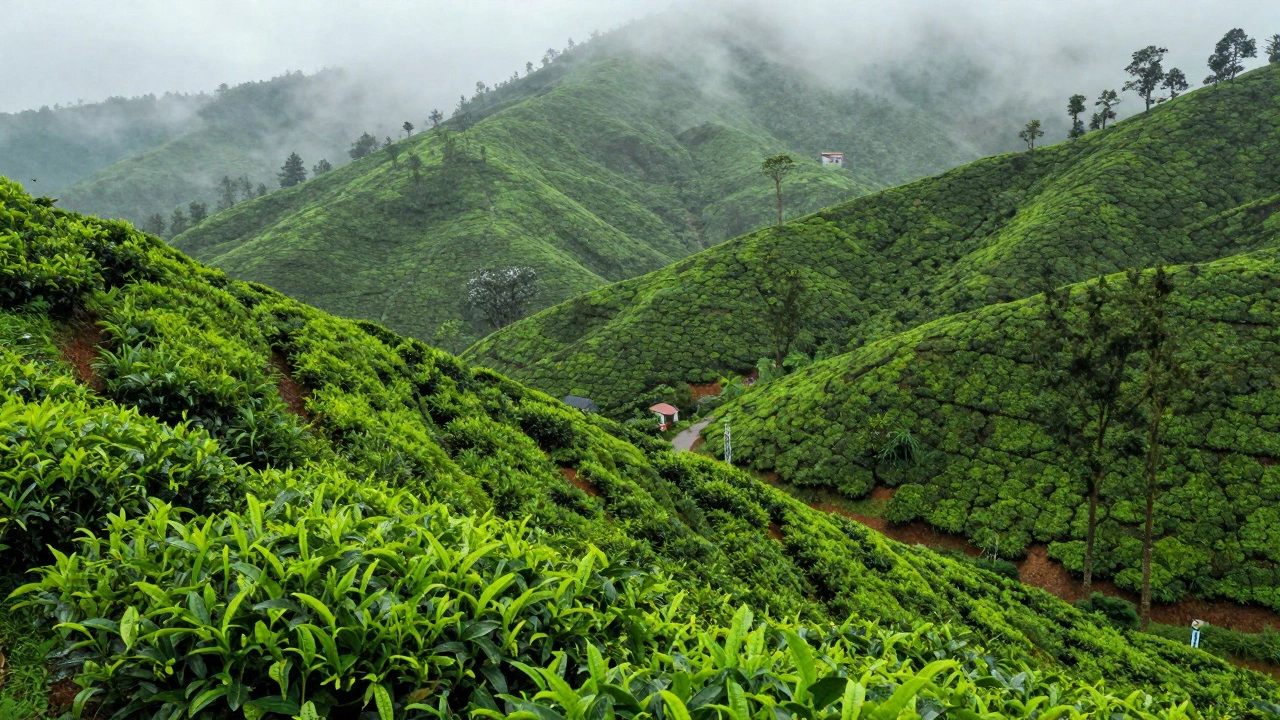
In Munnar, the mist-covered tea gardens are beautiful but treacherous during rains. Roads become slick, and visibility drops. Leeches are common in forests, so wear gaiters or apply salt. In Alleppey, houseboats are iconic, but ensure your operator follows safety guidelines. Life jackets must be provided and worn. In Wayanad, wildlife sanctuaries attract elephants and tigers. Stay on marked trails and never approach animals. Traffic in Kochi can be chaotic, so prioritize organized transport over self-driving.
Cultural Sensitivity and Social Norms
Safety extends beyond physical harm. Respecting local customs prevents misunderstandings and ensures a smoother experience. Kerala is progressive yet deeply traditional. Hindu temples require removing shoes and sometimes covering shoulders and knees. Dress conservatively when visiting religious sites. Photography inside temples is often prohibited, so ask permission first.
Public displays of affection are frowned upon. Holding hands is acceptable, but kissing or hugging in public may draw unwanted attention. Alcohol consumption is legal but regulated. Many districts are dry zones, meaning alcohol sales are restricted or banned. Check local laws before purchasing drinks. Drinking in public places is illegal and can lead to fines or arrest.
Keralites are hospitable and curious. They appreciate tourists who show interest in their culture. Learn a few Malayalam phrases like "Namaskaram" (hello) and "Nanni" (thank you). It goes a long way in building rapport. Avoid discussing politics or caste issues, as these topics can be sensitive. Focus on food, art, and nature instead.
Practical Tips for a Secure Trip
To maximize safety, follow these actionable steps:
- Book through verified agencies: Use platforms like MakeMyTrip or Cleartrip for flights and hotels. For houseboats and tours, choose operators with positive reviews on TripAdvisor or Google.
- Keep digital copies: Scan your passport, visa, and insurance documents. Store them in cloud storage and share with a trusted contact back home.
- Stay connected: Buy a local SIM card from Airtel or Jio upon arrival. Internet access is crucial for navigation and emergency calls.
- Monitor weather forecasts: Download apps like AccuWeather or IMD (India Meteorological Department) for real-time updates. Cancel outdoor plans if red alerts are issued.
- Register with your embassy: If you’re from a Western country, consider registering with your embassy’s smart traveler program for updates on security incidents.
Emergency numbers in India include 112 for police and ambulance services. Save this number in your phone. Hotel concierges can also assist with medical or legal issues, so maintain good communication with your accommodation staff.
Why Visit Kerala Despite the Rain?
If safety is your main concern, you might wonder why bother visiting during the monsoon. The answer lies in the unique experiences this season offers. Fewer crowds mean lower prices and more intimate interactions with locals. The landscape turns emerald green, and waterfalls swell to impressive heights. Ayurvedic treatments are particularly effective during this time due to increased body permeability.
Many tourists miss out on the magic of Kerala because they fear the rain. But with proper planning, the monsoon enhances rather than hinders your journey. Embrace the rhythm of the seasons, pack waterproof gear, and stay flexible. Your trip will be memorable not despite the weather, but because of it.
Is it safe to travel to Kerala in July 2026?
Yes, it is safe. While July is peak monsoon season, causing potential travel delays and flooding risks, personal safety remains high. Take precautions against landslides in hill stations and use reliable transport.
Are there any areas in Kerala to avoid?
No specific areas are off-limits, but avoid remote hill roads during heavy rain due to landslide risks. Always check local disaster management alerts before traveling to Munnar or Wayanad.
Is Kerala safe for solo female travelers?
Generally, yes. Kerala has low crime rates against tourists. Practice standard precautions like dressing modestly, avoiding isolated areas at night, and using registered transport services.
What health precautions should I take?
Use mosquito repellent to prevent dengue and malaria. Drink only bottled or purified water. Eat street food only from busy stalls with freshly cooked items. Carry basic medication for stomach issues.
How do I handle transportation safety?
Use ride-hailing apps like Uber or Ola for transparent pricing. Avoid negotiating with auto-rickshaws without meters. For intercity travel, prefer trains or buses operated by KSRTC, which are well-maintained.
Can I still enjoy houseboats during the monsoon?
Yes, but choose reputable operators with safety certifications. Ensure life jackets are provided. Be aware that rough waters may limit navigation in some backwater channels.
What should I do in case of an emergency?
Call 112 for police or ambulance. Contact your hotel manager for immediate assistance. Keep digital copies of your passport and insurance details accessible offline.
Is it safe to drink tap water in Kerala?
No. Tap water is not potable. Always consume sealed bottled water or water purified by your accommodation. Avoid ice cubes unless confirmed to be made from purified water.