Find Your Perfect Adventure in India
Adventure Selector
Select your preferences below to discover the ideal destination for your next thrill-seeking trip.
Water Sports
Rafting, Diving, KayakingSky High
Paragliding, Bungee, Zip-liningMountains & Treks
Hiking, Climbing, SnowWild Frontier
Caves, Jungles, Off-beatRecommended Destination
Perfect MatchDestination Name
Description goes here.
Quick Facts
- Best Time: -
- Skill Req: -
- Key Feature: -
India is not just a land of temples and beaches; it is a playground for adrenaline junkies. From the snow-capped peaks of the Himalayas to the winding rivers of the Northeast, the country offers some of the most diverse adventure landscapes on Earth. But if you are asking which single place is the "best," the answer depends entirely on what kind of rush you are looking for. Are you chasing the silence of high-altitude treks, the roar of whitewater rapids, or the wind beneath your wings?
Finding the right spot requires matching your skill level with the terrain. A beginner might find joy in a gentle river raft, while an expert climber seeks out technical rock faces. This guide breaks down the top adventure hubs in India, helping you decide where to go based on the specific thrill you crave.
The White Water Capital: Rishikesh
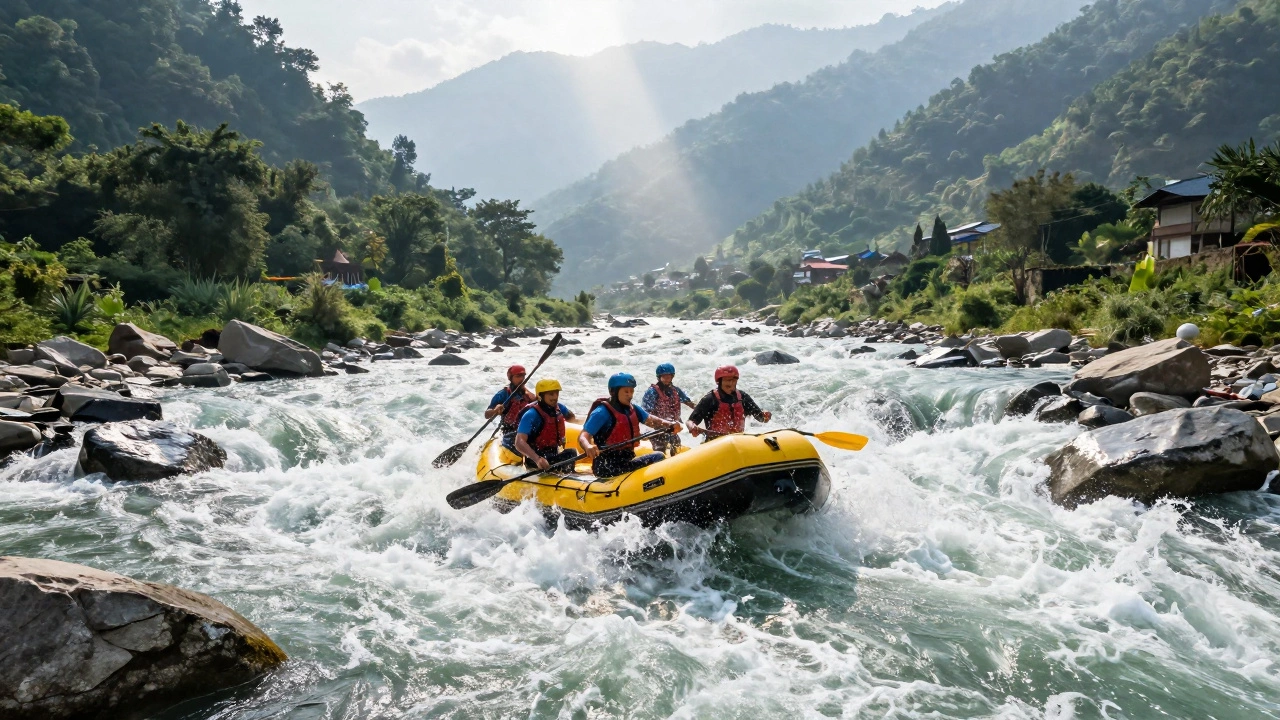
If your idea of adventure involves battling rushing water, Rishikesh is the undisputed capital. Nestled in the foothills of the Himalayas in Uttarakhand, this town sits on the banks of the Ganges River. It is widely recognized as one of the best places for white water rafting in the world.
| Section | Distance (km) | Difficulty Level | Best For |
|---|---|---|---|
| Landi to Shivpuri | 16 | Grade II-III | Beginners & Families |
| Shivpuri to Rishikesh | 10 | Grade III-IV | Intermediate Paddlers |
| Bheemshala to Laxman Jhula | 8 | Grade IV-V | Experts Only |
The season for rafting runs from late September to mid-June. During the monsoon, the waters become too dangerous due to unpredictable currents and debris. Beyond rafting, Rishikesh is also a hub for bungee jumping at Jumpin Heights and zip-lining across the river valley. The combination of spiritual calm and physical intensity makes it a unique destination. You can spend the morning conquering rapids and the evening meditating by the fire.
The Sky High Thrill: Bir Billing
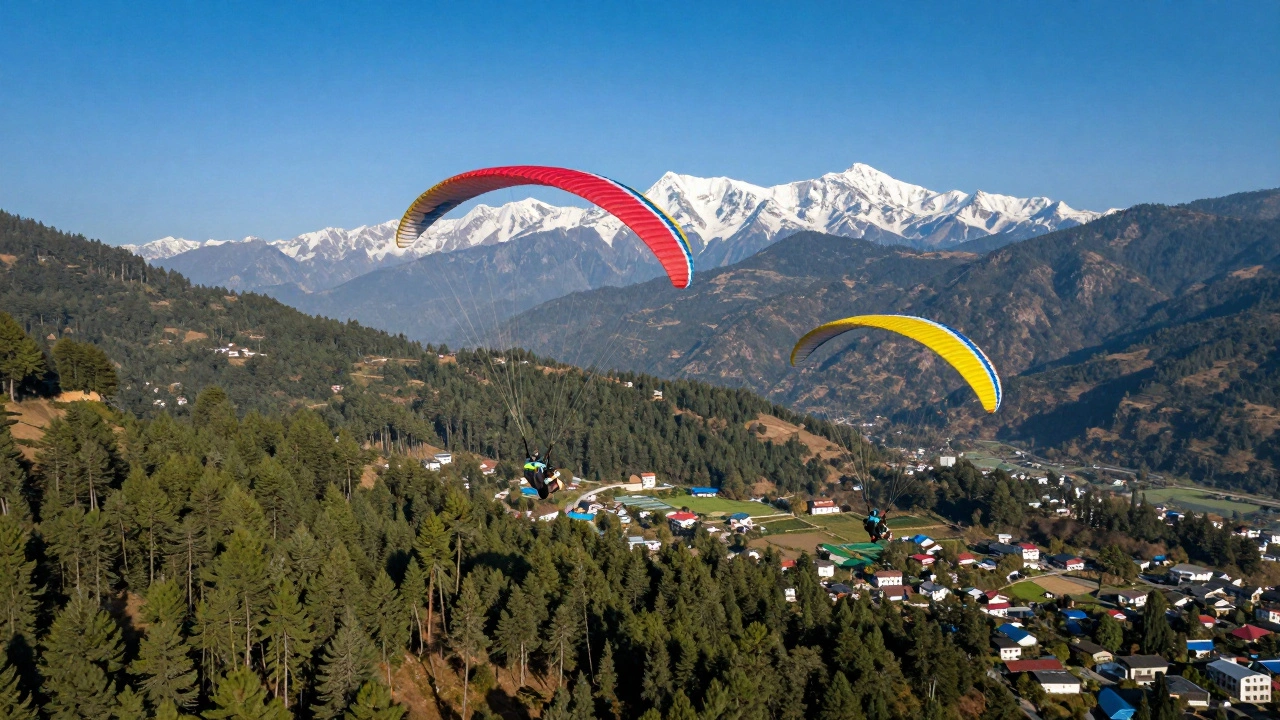
For those who prefer the sky over the water, Bir Billing in Himachal Pradesh is the place to be. Recognized by the World Air Sports Federation (FAI) as one of the top ten paragliding sites globally, this hill station offers tandem flights that soar above pine forests and village rooftops.
The altitude here ranges from 7,500 to 8,000 feet, providing perfect thermal conditions for gliding. Tandem flights typically last between 15 to 30 minutes, depending on wind patterns. You launch from Billing Hill and land in Bir Village. It is safe enough for first-timers but thrilling enough for veterans. In recent years, Bir has also developed into a base for mountain biking trails and rock climbing, making it a multi-sport adventure hub.
The Trekker’s Paradise: Manali and Spiti Valley
When we talk about hiking in India, Manali often comes up first. While the town itself is touristy, the surrounding areas offer world-class trekking routes. The Hampta Pass trek connects the lush Kullu Valley with the arid landscape of Lahaul and Spiti. It is a moderate trek suitable for beginners with good fitness levels.
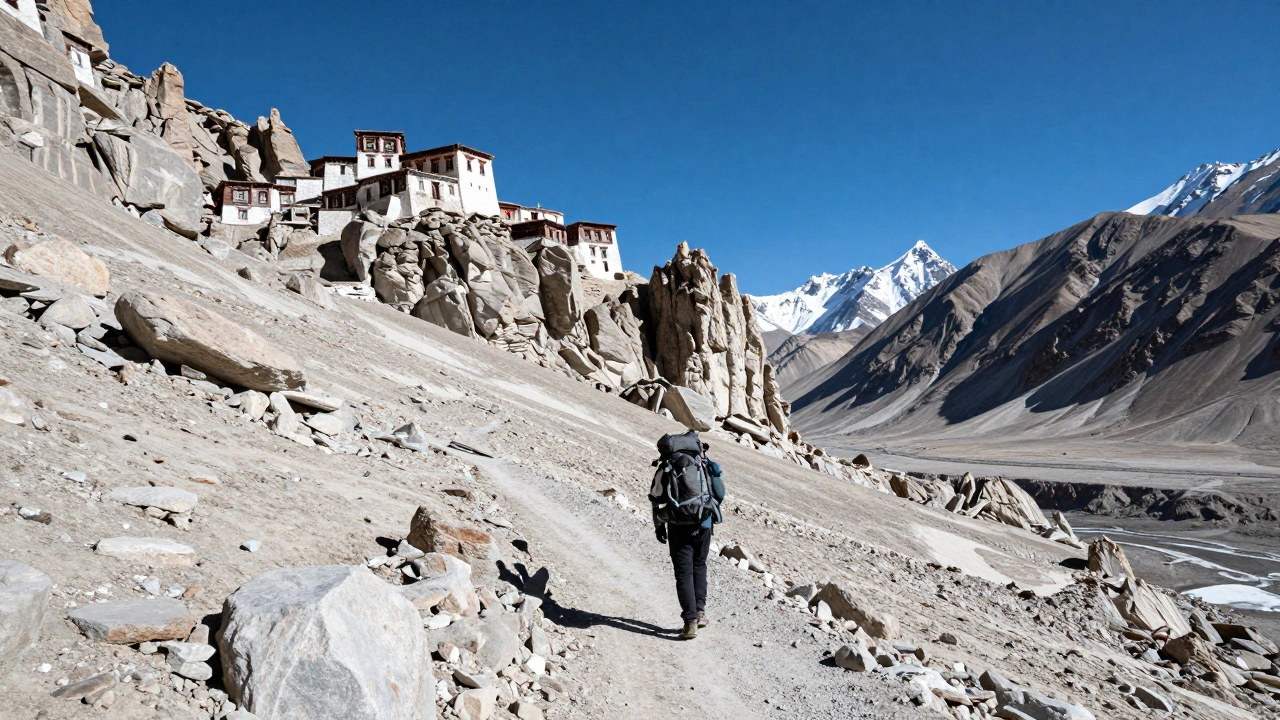
However, for more serious adventurers, the nearby Spiti Valley is the real gem. Known as the "Middle Land," Spiti offers high-altitude desert treks like the Key Monastery trail and the challenging Pin Parvati Pass. These treks require acclimatization and experience with cold weather gear. The roads to Spiti are open only from May to October, so timing is crucial. The isolation and stark beauty of the landscape provide a mental challenge as much as a physical one.
The Island Escape: Andaman and Nicobar Islands
Not all adventure happens on mountains. The Andaman and Nicobar Islands offer underwater thrills that rival any Himalayan peak. Havelock Island (Swaraj Dweep) and Neil Island (Shaheed Dweep) are famous for scuba diving and snorkeling. The visibility here can exceed 30 meters, allowing you to see coral reefs teeming with tropical fish.
Sea walking is another popular activity where you walk on the ocean floor wearing a helmet supplied with air. For kayaking enthusiasts, the bioluminescent plankton sightings during certain months add a magical element to night paddles. The islands are accessible year-round, though the best weather for marine activities is from November to April. Remember that permits are required for indigenous tribal areas, so stick to the designated tourist zones.
The Wild Frontier: Northeast India
If you want to avoid crowds, look east. States like Sikkim, Meghalaya, and Arunachal Pradesh offer raw, uncommercialized adventure. Sikkim is home to Kanchenjunga, the third-highest peak in the world. While summiting it is for elite mountaineers, the Goecha La trek provides breathtaking views of the peak without requiring technical climbing skills.
In Meghalaya, the living root bridges of Cherrapunji offer a unique jungle trekking experience. The Mawsmai Cave tour involves squeezing through narrow limestone passages, testing your claustrophobia limits. Arunachal Pradesh remains largely off the beaten path, offering river rafting on the Brahmaputra and dense forest treks that feel like stepping back in time. Permits are mandatory for foreign nationals and sometimes for Indian citizens from other states, so plan your documentation well in advance.
Choosing Your Destination: A Decision Guide
Selecting the best place depends on three factors: season, skill level, and interest type. Here is a quick breakdown to help you decide:
- Winter (Dec-Feb): Head to the North. Manali, Leh, and Rishikesh offer snow sports and clear skies. Avoid the Northeast due to heavy rains and landslides.
- Summer (Mar-May): Ideal for Himalayan treks and island hopping. The heat in the plains makes desert adventures less appealing unless you are prepared for extreme temperatures.
- Monsoon (Jun-Sep): Stick to the South or East Coast for surfing and water sports. Mountain regions are risky due to leeches, landslides, and poor visibility.
- Autumn (Oct-Nov): The best time for almost everything. Clear skies, pleasant temperatures, and full rivers make this the peak adventure season.
Skill level matters just as much. If you are a complete beginner, start with Rishikesh rafting or Bir Billing paragliding. These activities have professional instructors who handle the technical aspects. If you have prior experience, consider the Zanskar River rafting in winter or the Stok Kangri climb in Ladakh. Never underestimate the altitude; even fit individuals can suffer from Acute Mountain Sickness (AMS) above 3,000 meters.
Safety and Logistics Tips
Adventure travel in India requires careful planning. Infrastructure varies wildly between developed hubs like Goa and remote areas like Spiti. Always hire certified guides for treks and water sports. Check if operators have valid licenses from local tourism boards. Carry a basic first-aid kit including blister plasters, antiseptics, and altitude sickness medication like Diamox (consult a doctor before use).
Connectivity can be spotty in remote regions. Download offline maps before you go. Inform someone reliable about your itinerary and expected return time. Respect local customs and environmental rules-carry out all trash, especially plastic, from trekking routes. Many beautiful spots are fragile ecosystems that degrade quickly under foot traffic.
What is the best time for adventure sports in India?
The best overall window is October to March. Winter sports like skiing and snow trekking are available from December to February. Summer months (March-May) are ideal for island adventures and lower-altitude treks. Avoid the monsoon season (June-September) for mountain activities due to landslide risks.
Is Rishikesh safe for beginners?
Yes, Rishikesh is very beginner-friendly. Most rafting operators offer Grade II-III trips specifically designed for novices. They provide life jackets, helmets, and safety briefings. Bungee jumping and zip-lining also have strict safety protocols with trained staff overseeing every jump.
Do I need a permit for trekking in Spiti Valley?
Indian citizens do not need special permits for most of Spiti Valley, but foreign nationals require an Inner Line Permit (ILP). Some restricted areas near border towns may need additional documentation. It is advisable to check current regulations with the local district administration before traveling.
Where is the best place for scuba diving in India?
Havelock Island in the Andaman and Nicobar Islands is the premier destination for scuba diving. The coral reefs around Elephant Beach and Radhanagar Beach offer excellent visibility and diverse marine life. Pochampadu in Andhra Pradesh is another emerging spot for freshwater diving.
Can I do adventure sports solo in India?
While you can book activities solo, it is highly recommended to join group tours or hire local guides for safety. Remote areas lack emergency services, and having a knowledgeable companion can prevent accidents. Solo travelers should always share their location updates with friends or family back home.