Ooty Trip Budget Estimator
Estimated Trip Cost
₹0 Approximate per person: ₹0
Breakdown:
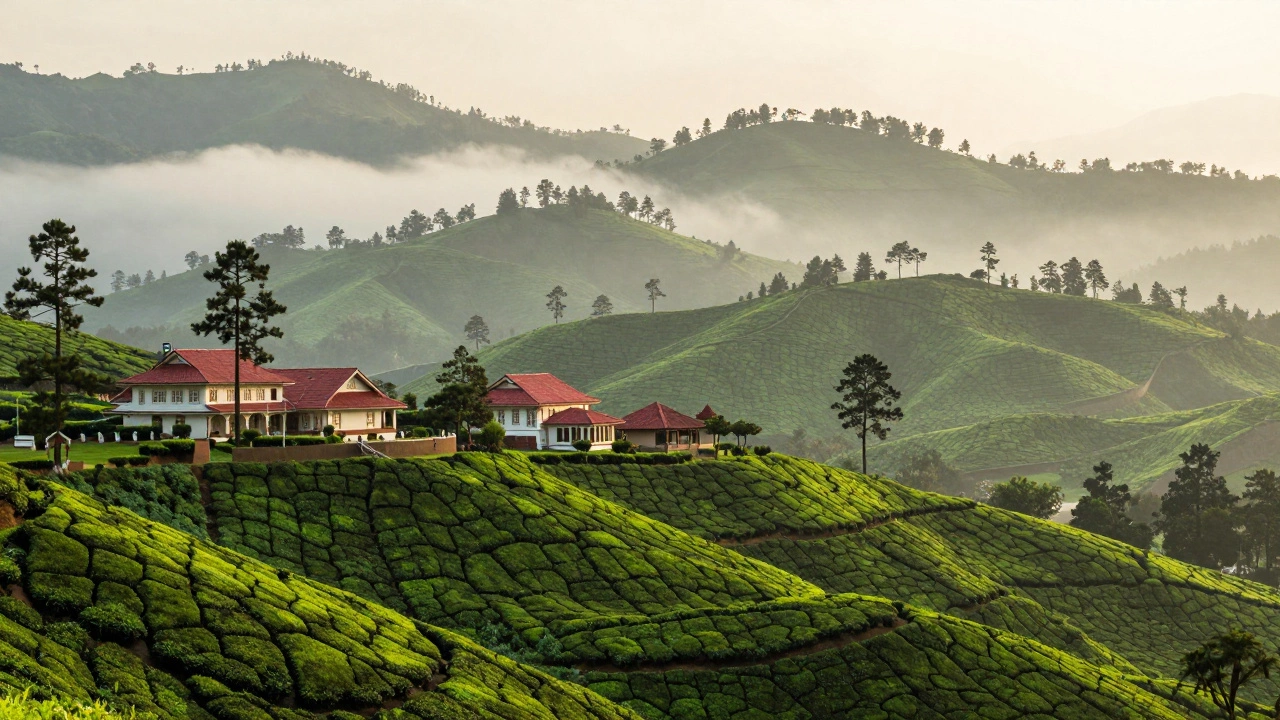
Picture this: rolling green hills that stretch endlessly into the mist, colonial-era bungalows with red-tiled roofs, and a cool breeze that makes you forget it’s summer. You might think you’re in Tuscany or the Swiss Alps. But you aren’t. You are in Ooty, a hill station nestled in the Nilgiri Mountains of Tamil Nadu, widely known as the "Italy of India."
This nickname isn't just marketing fluff. It comes from the striking resemblance between Ooty’s landscape and the Italian countryside-specifically the regions of Tuscany and Lombardy. The undulating tea plantations, the temperate climate, and the European-style architecture create an atmosphere that feels distinctly Mediterranean, yet it sits at an altitude of 2,240 meters (7,350 feet) above sea level in South India.
Why Is Ooty Called the Italy of India?
The comparison stems from three main factors: geography, history, and agriculture. When the British established Ooty as their summer capital in the 19th century to escape the scorching heat of Chennai (then Madras), they built structures that mirrored home. They planted gardens, laid out wide roads, and introduced crops that thrived in the cool climate.
Today, the visual similarity is undeniable. If you drive through the winding ghat sections, you’ll see vast expanses of tea bushes covering the slopes, much like the vineyards of Italy. The presence of the Nilgiri Mountain Railway, a UNESCO World Heritage Site, adds to the old-world charm. This narrow-gauge train, often called the "Toy Train," chugs up the mountain with steam engines that haven’t changed much since the 1890s, offering a nostalgic journey through tunnels and viaducts.
Moreover, the flora plays a huge role. Ooty is famous for its botanical gardens and natural meadows where wildflowers bloom in vibrant colors during spring. This floral abundance, combined with the pine forests, creates a sensory experience that visitors often associate with European hill stations.
Best Time to Visit Ooty
Timing your trip correctly is crucial because the weather in the Nilgiris can be unpredictable. Unlike the plains below, where temperatures soar past 40°C (104°F), Ooty stays pleasantly cool year-round. However, there are distinct seasons that affect your experience.
- Summer (March to June): This is the peak tourist season. Temperatures range from 15°C to 25°C (59°F to 77°F). It’s ideal for sightseeing and outdoor activities. Expect crowds, so book accommodations well in advance.
- Monsoon (July to September): The rains bring lush greenery and misty views. While some trails may become slippery, the scenery is breathtaking. Rain gear is essential. Note that landslides can occasionally disrupt road connectivity.
- Winter (October to February): Winters are crisp and cold, with temperatures dropping to around 5°C (41°F) in December and January. Fog is common, adding to the mystical ambiance. This is a great time for cozy retreats and photography.
If you want to avoid the holiday rush, aim for late October or early November. The post-monsoon clarity offers stunning visibility of the surrounding peaks, including Doddabetta, the highest point in the Nilgiris.
Top Things to Do in Ooty
Ooty is more than just a place to sit and watch the clouds. It offers a mix of relaxation, culture, and adventure. Here are the key experiences you shouldn’t miss.
Ride the Nilgiri Mountain Railway
No visit to Ooty is complete without riding the Toy Train. Starting from Mettupalayam in the plains, the train climbs to Ooty over a distance of 46 kilometers. The journey takes about four hours and passes through 16 tunnels and 250 bridges. The engineering marvel of the rack-and-pinion system allows the train to navigate steep gradients. For the best experience, opt for the vintage carriages with wooden interiors and large windows.
Explore Ooty Lake
Built by Sir Arthur Cotton in 1824, Ooty Lake is a man-made reservoir shaped like a lotus. You can rent paddle boats to row across the calm waters. The lake is surrounded by walking paths lined with trees, making it perfect for an evening stroll. In the evenings, the area comes alive with local vendors selling snacks and souvenirs.
Visit the Botanical Gardens
The Government Botanical Garden spans 55 acres and houses over 2,500 species of plants. Highlights include the orchid house, which displays rare varieties native to the region, and the rose garden with thousands of blooms. There’s also a small zoo within the premises featuring exotic birds and animals. Entry fees are nominal, and guided tours are available.
Trek to Doddabetta Peak
For those seeking adventure, Doddabetta Peak offers a rewarding trek. Standing at 2,637 meters (8,652 feet), it provides panoramic views of the Western Ghats on clear days. The trail is moderately difficult and takes about two hours round trip. Start early in the morning to avoid fog and ensure safe descent. Wear sturdy hiking shoes and carry water.

Adventure Sports in Ooty
While Ooty is traditionally seen as a leisure destination, it has emerged as a hub for adventure sports in recent years. The rugged terrain and high altitude make it suitable for various adrenaline-pumping activities.
Paragliding: With takeoff points near Pykara and other open fields, paragliding offers aerial views of the valleys and lakes. Tandem flights are available for beginners, lasting around 15-20 minutes. Always choose certified operators who follow safety protocols.
Zip Lining: Several resorts and adventure parks offer zip line courses through the forest canopy. These ranges vary in length and height, catering to different skill levels. It’s a thrilling way to experience the density of the Shola forests.
Camping: Camping under the stars is a popular activity. Locations like Mudumalai National Park border and Coonoor provide scenic campsites. You can camp independently or join organized tours that include meals and equipment. Night sky viewing is exceptional due to low light pollution.
Rafting: Although not directly in Ooty town, rafting on the Kabini River near Mettupalayam is accessible within a few hours’ drive. The rapids are rated Grade II and III, suitable for families and intermediate rafters.
| Activity | Location | Difficulty Level | Approximate Cost (INR) |
|---|---|---|---|
| Paragliding | Pykara Valley | Beginner-Friendly | ₹1,500 - ₹2,500 |
| Zip Lining | Various Resorts | Easy to Moderate | ₹500 - ₹1,000 |
| Doddabetta Trek | Doddabetta Peak | Moderate | Free (Entry Fee ~₹50) |
| Rafting | Kabini River (Mettupalayam) | Intermediate | ₹800 - ₹1,200 |
Where to Stay in Ooty
Accommodation options in Ooty range from budget hostels to luxury heritage hotels. Since Ooty is a major tourist destination, prices fluctuate significantly based on seasonality.
Luxury Stays: Hotels like The Savoy and Windflower Hotel offer premium amenities, spa services, and fine dining. These properties often feature colonial architecture and expansive lawns. Prices can exceed ₹10,000 per night during peak season.
Mid-Range Options: Numerous guesthouses and boutique hotels provide comfortable rooms with mountain views. Look for places in the Udhagamandalam area for easy access to markets and transport hubs. Budgets here typically range from ₹2,000 to ₹5,000 per night.
Budget Travel: Hostels and dormitories are available for backpackers. Organizations like YHA (Youth Hostel Association) run facilities that prioritize community and affordability. Expect to pay between ₹500 and ₹1,500 per night.
Tip: Book at least two months in advance if traveling during school holidays (April-May) or Christmas/New Year. Last-minute bookings often result in inflated prices or limited availability.
Local Cuisine and Shopping
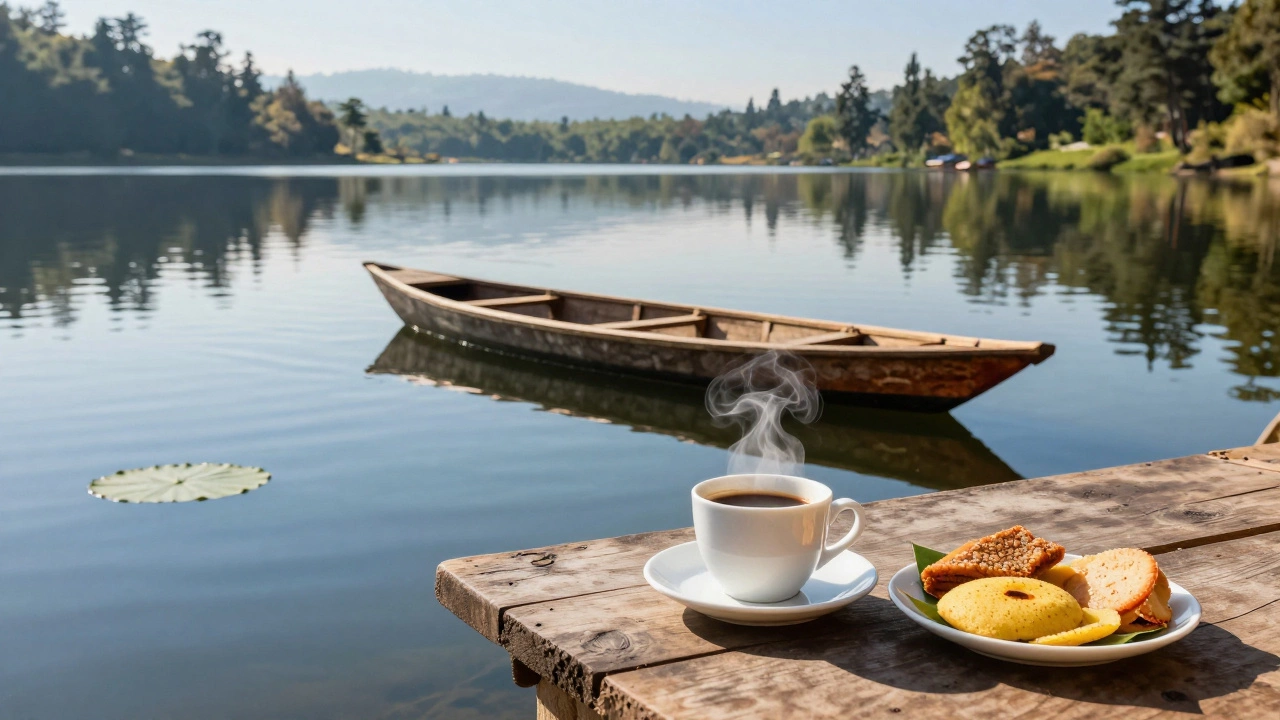
Food in Ooty reflects its diverse cultural influences. You’ll find traditional Tamil dishes alongside North Indian fare and continental options. Don’t miss trying Nilgiri coffee, grown locally in the foothills. It’s robust and aromatic, best enjoyed fresh from a roadside stall.
Another must-try is Pongal, a rice and lentil dish tempered with pepper and cumin, served with sambar and coconut chutney. For sweets, look for Coconut Laddoo and Jackfruit Halwa.
Shopping in Ooty centers around handloom products and handicrafts. The Nilgiri Handicraft Emporium sells authentic tribal artifacts, including baskets, jewelry, and textiles made by the Toda and Badaga communities. Tea leaves from local estates make excellent gifts. Bargaining is expected in local markets but not in government-run emporiums.
How to Reach Ooty
Ooty is well-connected by road and rail, but there is no airport in the town itself.
By Air: The nearest airports are Coimbatore International Airport (150 km away) and Bengaluru Kempegowda International Airport (280 km away). From either airport, you can hire a taxi or take a bus to Ooty. The drive from Coimbatore takes approximately 4-5 hours via the ghats.
By Train: As mentioned, the Nilgiri Mountain Railway terminates in Ooty. Trains depart daily from Mettupalayam. Alternatively, you can take a regular train to Mettupalayam or Coimbatore and then switch to road transport.
By Road: State-run buses operate frequent services from Chennai, Bangalore, Coimbatore, and Mysore. Private taxis and self-drive rentals are also popular. The road conditions are generally good, but the ghat sections require careful driving due to sharp turns and potential fog.
Sustainable Tourism Practices
As a fragile ecosystem, the Nilgiris face challenges from overtourism and waste management. Visitors can contribute to sustainability by following simple guidelines.
- Avoid single-use plastics. Carry reusable water bottles and bags.
- Stick to marked trails while trekking to prevent soil erosion and protect native vegetation.
- Support local businesses by buying handmade goods and eating at locally owned restaurants.
- Respect wildlife. Do not feed monkeys or stray animals, as this alters their natural behavior and diet.
- Use eco-friendly transportation options like shared jeeps or bicycles within the town.
Many hotels now participate in green initiatives, such as solar heating and rainwater harvesting. Choosing such establishments helps reduce your environmental footprint.
Is Ooty safe for solo female travelers?
Yes, Ooty is generally considered safe for solo female travelers. The town has a low crime rate, and locals are hospitable. However, standard precautions apply: avoid isolated areas at night, inform someone of your itinerary, and use registered taxis. Accommodations usually have security measures in place.
Can I visit Ooty with young children?
Absolutely. Ooty is family-friendly with attractions like the Botanical Gardens, Ooty Lake, and the Toy Train being particularly appealing to kids. Many hotels offer child-sized amenities and menus. Just ensure you dress warmly for infants, as the temperature can drop significantly.
What should I pack for a trip to Ooty?
Pack layers! Even in summer, evenings can be chilly. Include jackets, sweaters, comfortable walking shoes, sunscreen, sunglasses, and a hat. If visiting during monsoon, add a waterproof jacket and umbrella. For winter, thermal wear is recommended.
Are there any medical facilities in Ooty?
Yes, Ooty has several hospitals and clinics, including the District Hospital and private nursing homes. Pharmacies are widespread. However, for specialized care, you may need to travel to Coimbatore or Bangalore. Carry any necessary prescription medications with you.
Is mobile network coverage reliable in Ooty?
Network coverage varies depending on your provider and location. Major operators like Jio, Airtel, and Vi generally provide decent 4G coverage in the town center and along main roads. Signal strength may weaken in remote trekking areas or deep valleys. Inform contacts about potential connectivity gaps.