Find Your Perfect Indian Festival
Answer three simple questions about your travel style to discover which of India's most iconic religious celebrations is right for you.
Your Perfect Match:
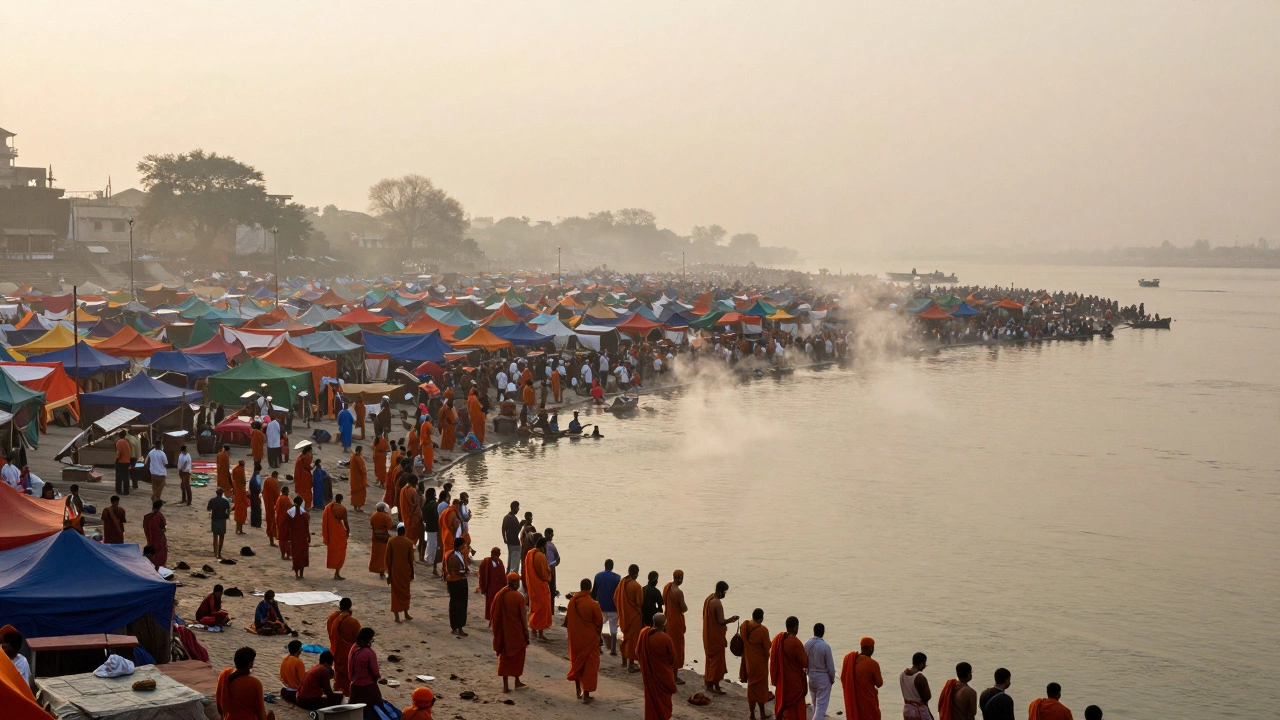
Imagine standing on the banks of the Ganges at dawn. The air is thick with incense and the sound of a million voices chanting in unison. Thousands of colored tents stretch as far as the eye can see, creating a city that exists only for a few weeks before vanishing back into the earth. This isn't a movie set; it's the Kumbh Mela, the largest peaceful gathering of humanity on Earth. If you are asking which religious festival is the best in the world, the answer depends entirely on what kind of experience you are seeking. Are you looking for high-energy devotion, ancient rituals, or sheer visual spectacle? India offers all three, often in the same week.
Finding the right festival requires more than just picking a date. It involves understanding the cultural weight of the event, the logistics of traveling during peak seasons, and the specific spiritual traditions you want to witness. Whether you are a first-time visitor to South Asia or a seasoned traveler looking to deepen your connection with local culture, choosing the right celebration can transform a standard vacation into a life-changing journey. For those planning their itinerary around these massive events, coordinating transport and accommodation early is crucial. You might also find useful resources for independent travel planning, such as this directory, which helps travelers navigate complex booking systems in various global cities, though for India, local agents remain the gold standard for festival access.
The Scale of Devotion: Why India Leads Global Festivals
India doesn't just host festivals; it lives them. Unlike Western holidays that often center around commercial breaks or single-day observances, Indian religious festivals are immersive experiences that last for days, weeks, or even years. The central entity here is not just the ritual itself, but the collective participation of millions. When we talk about the "best" festival, we are usually talking about scale, intensity, and historical continuity.
The Kumbh Mela is a Hindu pilgrimage that rotates between four sacred riverbanks every twelve years. Held at Prayagraj (formerly Allahabad), Haridwar, Ujjain, and Nashik, this event draws between 100 million and 300 million people over its duration. The 2025 Kumbh Mela in Prayagraj was recently declared the largest mass gathering in human history by Guinness World Records. The sheer logistics are mind-boggling: temporary cities with hospitals, police stations, and sanitation facilities are built from scratch. For a traveler, witnessing the Shahi Snan (Royal Bath) where sadhus (holy men) emerge from the water like figures from an ancient myth is a profound moment. It’s not just watching; it’s being part of a living tradition that has continued for over 2,000 years.
Spiritual Intensity: The Golden Temple and Gurudwara Traditions
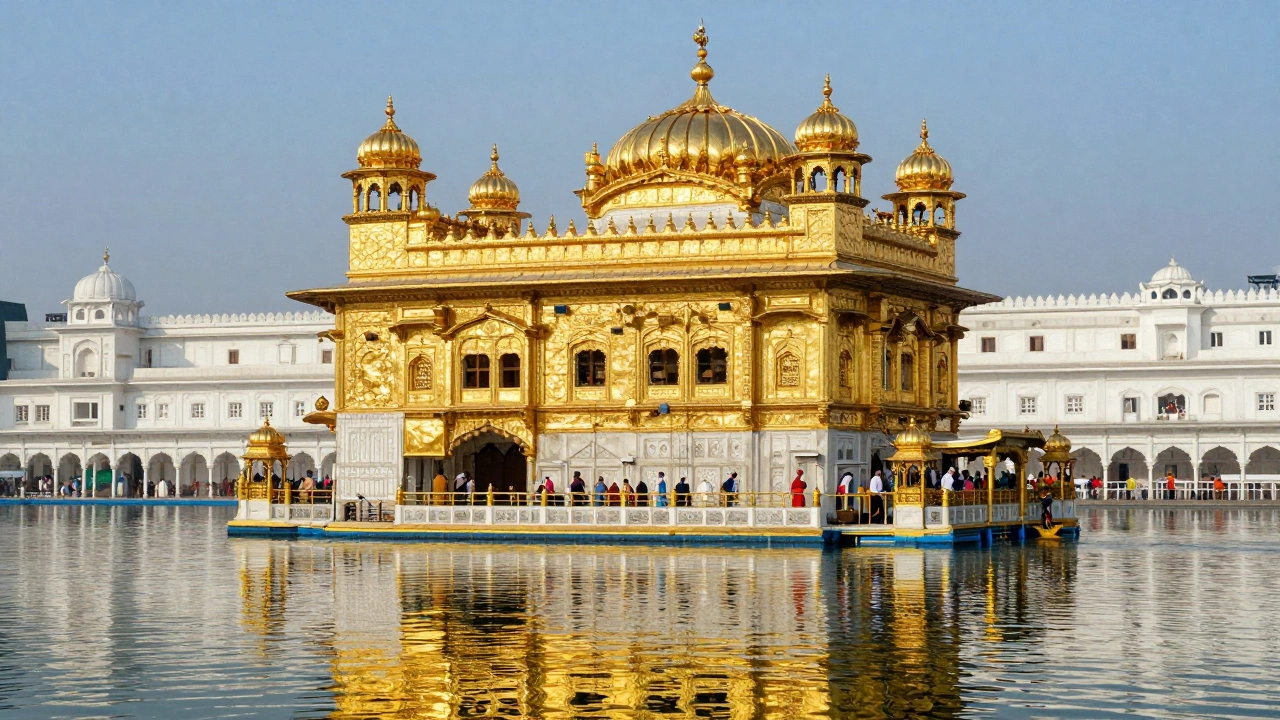
If the Kumbh Mela is about scale, then Vaisakhi at the Golden Temple (Harmandir Sahib) in Amritsar is about spiritual purity and community service. Celebrated in April, Vaisakhi marks the Sikh New Year and the founding of the Khalsa Panth. But the real draw for visitors is the atmosphere inside the Golden Temple complex. The temple remains open 24 hours a day, year-round, but during Vaisakhi, the energy shifts. The Langar (community kitchen) serves free meals to over 100,000 people daily, regardless of religion, caste, or status. Eating alongside farmers, CEOs, and pilgrims on the floor of a massive hall teaches humility faster than any lecture could.
The architecture of the Golden Temple, with its marble floors and gold-plated upper levels reflecting in the sacred pool, creates a sense of timelessness. During the night prayers (Rehras Sahib and Kirtan Sohila), the sound of hymns echoing off the walls is deeply moving. For travelers interested in Sikhism and its principles of equality and service, this is the premier destination. It’s less about chaotic crowds and more about structured, respectful devotion. The key takeaway here is participation: you don’t just watch the Langar; you are encouraged to help serve it. This active engagement is what makes the experience so memorable.
Light Over Darkness: Diwali Across North India
No discussion of Indian festivals is complete without mentioning Diwali, the Festival of Lights celebrated across India and Nepal. While Diwali is observed nationwide, the experience varies significantly by region. In North India, particularly in cities like Jaipur, Jodhpur, and Delhi, Diwali is a visual feast. Homes, temples, and streets are adorned with diyas (oil lamps), rangoli (colorful floor art), and electric lights. The symbolism is powerful: the victory of light over darkness, knowledge over ignorance, and good over evil.
For a traveler, visiting Rajasthan during Diwali offers a unique blend of royal heritage and folk tradition. Forts like Mehrangarh in Jodhpur are illuminated, casting dramatic shadows against the desert sky. Local artisans create intricate paper-mâché decorations, and fireworks light up the night. However, the true essence of Diwali lies in the home. Many families invite guests to share sweets like ladoo and barfi. The social aspect is strong; it’s a time for reconciliation and renewal of relationships. If you prefer a more intimate setting than the Kumbh Mela, Diwali in a heritage hotel in Jaipur provides a luxurious yet authentic glimpse into Hindu customs.
The Sacred River: Varanasi and Ganga Aarti
While not a single-date festival, the daily Ganga Aarti in Varanasi is a continuous religious ceremony that rivals any major holiday in intensity. Varanasi, one of the oldest continuously inhabited cities in the world, sits on the banks of the Ganges. Every evening at dusk, priests perform the Aarti ritual at Dashashwamedh Ghat. They wave large brass lamps filled with burning ghee in rhythmic motions, accompanied by bells, conch shells, and chanting. Thousands of spectators line the ghats, many holding small candles or flowers.
This ritual is a cornerstone of Hindu philosophy regarding life, death, and rebirth. Nearby, Manikarnika Ghat operates as a cremation ground, reminding visitors of the cycle of existence. For many travelers, Varanasi is the most spiritually charged place in India. It’s raw, intense, and unfiltered. To understand why Varanasi is often cited as the best destination for spiritual tourism, you must experience the contrast between the joyous Aarti and the solemnity of the funeral rites. It’s a place where life and death coexist openly, offering a perspective that few other places in the world can provide.
Comparing Major Festivals: What Fits Your Travel Style?
| Festival | Best Time to Visit | Primary Location | Crowd Level | Key Experience |
|---|---|---|---|---|
| Kumbh Mela | Varies (Every 12 yrs) | Prayagraj/Haridwar | Extreme | Royal Bath & Sadhu Culture |
| Vaisakhi | April 13-14 | Amritsar (Punjab) | High | Golden Temple & Langar Service |
| Diwali | Oct/Nov | Jaipur/Delhi | Medium-High | Lights, Fireworks & Family Rituals |
| Ganga Aarti | Daily (Year-Round) | Varanasi (UP) | High | Evening Ritual & River Ceremony |
| Thrissur Pooram | April/May | Thrissur (Kerala) | Very High | Elephant Processions & Drums |
South India’s Drum Beats: Thrissur Pooram
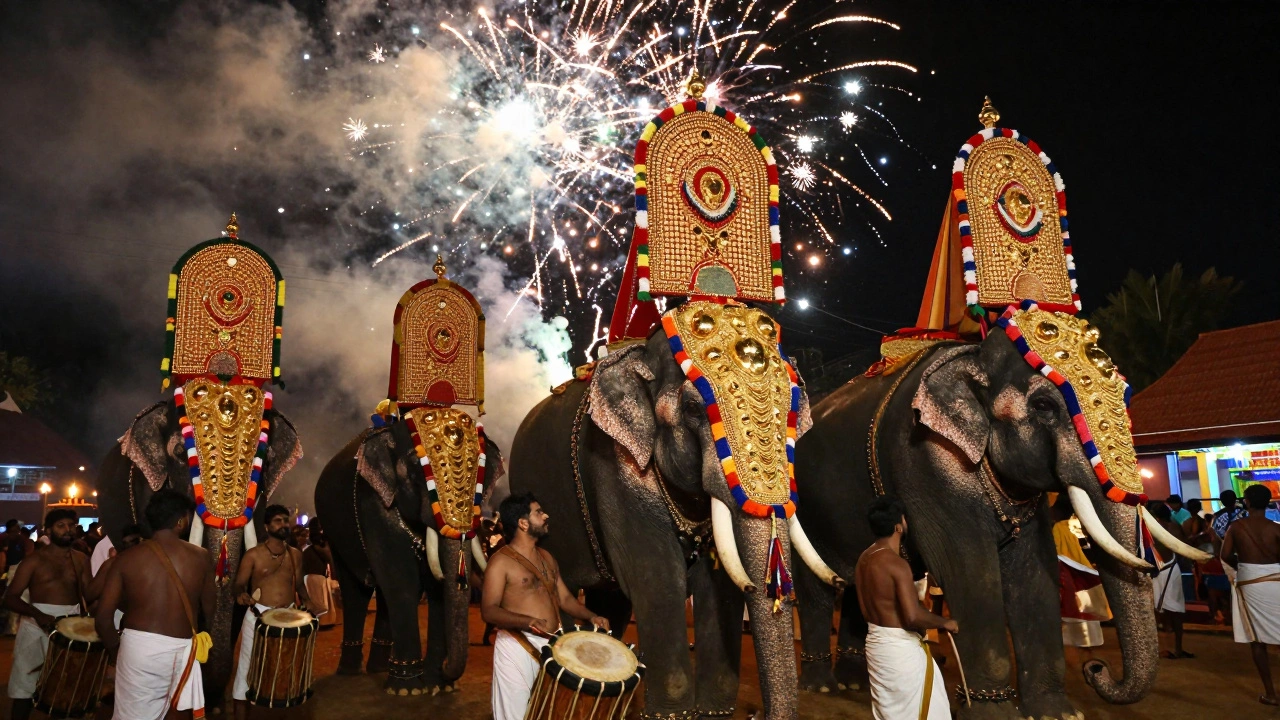
If you prefer vibrant colors and thunderous sounds, head south to Kerala for Thrissur Pooram, one of the largest temple festivals in South India. Held in April or May, this festival celebrates the deities of two temples: Thiruvathira and Varkala. The highlight is the procession of caparisoned elephants, adorned with golden ornaments and colorful cloths, dancing to the beat of chenda drums. The drumming ensemble, known as Melam, is synchronized to perfection, creating a hypnotic rhythm that resonates through the city.
Pooram is not just a religious event; it’s a cultural showcase of Kerala’s artistic heritage. The fireworks display at midnight is legendary, often featuring massive shells that explode in intricate patterns above the temple grounds. Unlike the meditative nature of Varanasi, Pooram is energetic and celebratory. It attracts millions of devotees and tourists who come to witness the pageantry. For those interested in Kerala tourism and traditional arts, this festival offers a dynamic alternative to the quieter temple visits common in the region.
Planning Your Trip: Practical Tips for Festival Travel
Attending a major religious festival in India requires careful planning. Here are some essential tips to ensure a smooth experience:
- Book Early: Accommodation near major festival sites sells out months in advance. For Kumbh Mela, government-authorized campsites are the safest option. For Diwali or Vaisakhi, book hotels in nearby cities if local options are full.
- Dress Modestly: Religious sites have strict dress codes. Shoulders and knees should be covered. Carry a scarf or shawl to wrap up when entering temples. Remove shoes before entering prayer halls.
- Stay Hydrated: Indian summers can be extremely hot, especially during outdoor festivals like Kumbh Mela or Pooram. Drink bottled water and carry electrolytes.
- Respect Privacy: While photography is common, always ask permission before taking close-up photos of individuals, especially sadhus or women praying. Some rituals consider photography disrespectful.
- Use Local Guides: Navigating crowded festivals can be overwhelming. Hiring a local guide helps you understand the rituals, avoid scams, and access restricted areas safely.
Conclusion: Choosing Your Spiritual Path
There is no single "best" religious festival in the world because each offers a different facet of human spirituality. The Kumbh Mela provides a sense of cosmic scale and ancient continuity. The Golden Temple offers lessons in equality and service. Diwali brings joy and light to everyday life. Varanasi confronts us with the reality of mortality. And Thrissur Pooram celebrates community and artistic expression.
Your choice should depend on what you hope to gain from the experience. Do you want to feel small in the face of millions? Or do you want to connect deeply with a local community? Whichever path you choose, approach it with an open mind and respect for local traditions. India’s festivals are not just spectacles; they are invitations to participate in a way of life that has endured for millennia. By immersing yourself in these events, you don’t just observe culture-you become part of its ongoing story.
Is it safe for foreigners to attend large religious festivals in India?
Yes, it is generally safe. Millions of international tourists visit India annually for festivals like Kumbh Mela and Diwali. However, pickpocketing and scams can occur in crowded areas. Stay aware of your surroundings, keep valuables secure, and use official transport services. Government security is usually tight at major events.
When is the next Kumbh Mela?
The Kumbh Mela rotates among four locations every 12 years. The next Maha Kumbh Mela will be held in Prayagraj in 2037. However, smaller Ardh Kumbh Melas occur every six years, and Magh Melas happen annually in January. Check official tourism websites for exact dates and locations.
Can non-Hindus participate in temple rituals?
Most temples welcome non-Hindus as observers. However, entry into inner sanctums may be restricted based on temple rules. At the Golden Temple, everyone is welcome to eat at the Langar and pray. Always follow local customs, remove shoes, and dress modestly to show respect.
What is the best month to visit India for festivals?
October to March is the best time due to pleasant weather. Diwali falls in October or November, making it ideal for North India. April-May is great for South Indian festivals like Thrissur Pooram, despite the heat. Avoid the monsoon season (June-September) for outdoor events unless you enjoy rain.
How do I book accommodation near festival sites?
Book at least 3-6 months in advance for major festivals. Use reputable platforms like MakeMyTrip or Booking.com. For Kumbh Mela, look for government-approved tent cities. In cities like Varanasi or Jaipur, heritage hotels offer a comfortable base. Always confirm cancellation policies in case plans change.