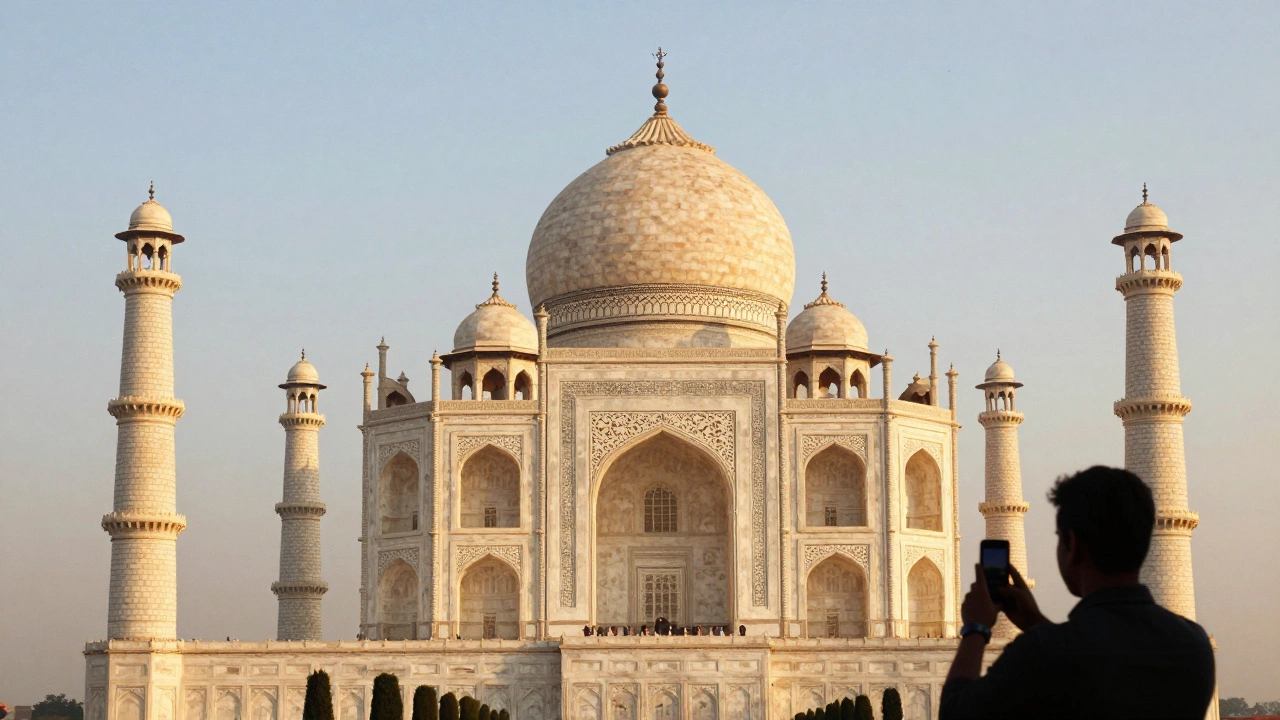
India Travel Cost Calculator (2026)
Estimate your daily and total trip costs based on comfort level, duration, and activities.
You’ve seen the photos. You’ve read the blogs. Everyone tells you that India is one of the cheapest places on Earth to travel. And technically, they aren’t wrong. A meal can cost less than a dollar. A night’s stay might be cheaper than your morning coffee back home. But then you book your flight, pay for your visa, and arrive in Delhi or Mumbai, only to feel a strange pinch in your wallet. Why does everything suddenly feel so expensive?
If you are planning a trip to India in 2026, this confusion is common. The gap between the "cheap India" myth and the actual spending experience can be jarring. It isn’t just about the price tags; it’s about hidden costs, currency dynamics, and the specific way tourism operates in different parts of the country. Let’s strip away the stereotypes and look at the real numbers.
The Myth of the "Cheap" Destination
First, we need to reset expectations. When people say India is cheap, they are usually comparing it to Western standards of living, not tourist standards. Local wages in India are low, which keeps local prices down. However, as a foreign traveler, you are entering a parallel economy. Hotels, guided tours, and airport transfers are priced for international visitors, not locals buying chai from a street cart.
In major hubs like Mumbai, Delhi, and Goa, prices have risen sharply over the last decade. Inflation in India hit double digits recently, affecting food and fuel costs. While a local might spend $5 on dinner, a mid-range restaurant serving tourists will charge $15-$25 per person. If you stick to local eateries, yes, it’s cheap. But if you want air-conditioned comfort and English menus, the "cheap" label starts to fade.
The Hidden Entry Costs: Visas and Flights
Before you even step onto Indian soil, you’ve already spent a significant amount. This is often where the shock begins. Unlike many Southeast Asian countries that offer visa-on-arrival or free entry for short stays, India requires an e-Visa or traditional visa for most nationalities.
In 2026, the e-Visa fee for many Western travelers sits around $80-$100 depending on duration and nationality. Add to that the cost of flights, which remain high due to limited direct routes from Europe and North America to smaller Indian cities. Most travelers fly into Delhi or Mumbai, but getting to the Taj Mahal in Agra or the beaches of Kerala requires internal travel.
| Item | Estimated Cost (USD) | Notes |
|---|---|---|
| e-Visa Fee | $80 - $100 | Non-refundable processing fee |
| Round-trip Flight (from London/NY) | $700 - $1,200 | Varies by season and booking time |
| Travel Insurance | $50 - $100 | Essential for medical evacuation coverage |
These upfront costs don’t scale with how long you stay. Whether you visit for five days or thirty, the visa and flight costs remain fixed. This makes short trips disproportionately expensive per day compared to longer journeys.
Internal Transport: The Price of Convenience
India is huge. Covering distance here is not trivial. You have two main options: trains and domestic flights. Both come with trade-offs that affect your budget.
Indian Railways offers incredibly cheap tickets if you book months in advance. A sleeper class ticket between Delhi and Jaipur might cost $10. However, availability is scarce. If you book last minute, you’re forced into AC tiers (AC 3 or AC 2), which can cost $40-$80 for the same journey. For many travelers, the hassle of crowded non-AC coaches isn’t worth the savings, pushing them toward more expensive options.
Domestic flights in India have become surprisingly pricey. Carriers like IndiGo and Air India operate on a dynamic pricing model similar to global airlines. A flight from Delhi to Goa, which takes 1.5 hours, can range from $100 to $300 depending on demand. If you try to save money by taking a bus, you’re looking at 12+ hours of travel on poor roads, which eats into your vacation time and energy.
Then there’s the local transport tax. In cities like Delhi and Mumbai, auto-rickshaws and taxis often refuse to use meters for foreigners. They quote flat rates that are 3-5 times higher than what locals pay. Using ride-hailing apps like Uber or Ola helps, but surge pricing during peak hours or rain can make a simple 10-kilometer ride cost $10-$15.
Accommodation: The Comfort Premium
Here is where budgets blow up fast. Budget hostels in India start around $5-$10 per night. That sounds great. But these are often dorms with shared bathrooms, no AC, and questionable hygiene standards. If you value safety, cleanliness, and air conditioning (which you need in summer), you’re looking at mid-range hotels.
A decent 3-star hotel with private AC, breakfast, and secure Wi-Fi in cities like Bangalore, Pune, or Chandigarh costs $30-$60 per night. In tourist hotspots like Rajasthan or Kerala, heritage properties and boutique resorts charge $100-$200 per night. These places offer experiences-poolside dining, cultural performances-that justify the cost, but they remove India from the "backpacker cheap" category.
Don’t forget the service tax. Many hotels add a 18% GST (Goods and Services Tax) plus service charges on top of the listed rate. A room advertised at $50 might end up costing $65 at checkout.
Food and Dining: Eating Like a Tourist vs. Local
Street food in India is legendary and affordable. A plate of chaat or a bowl of dal chawal costs $1-$2. But eating exclusively on the street carries health risks, especially if you’re not accustomed to local water quality. Many travelers opt for mid-range restaurants with consistent hygiene standards.
In these places, a three-course meal with drinks can easily reach $15-$25 per person. Alcohol is heavily taxed in India. A bottle of beer in a bar in Delhi or Mumbai can cost $8-$12, comparable to prices in London or New York. If you enjoy wine or spirits, your daily budget will spike significantly.
Additionally, tipping culture is expected in sit-down restaurants. While not mandatory, leaving 10% is standard practice for good service. Over a week of dining out, these small percentages add up.
Activities and Guided Tours
India is rich in history, wildlife, and culture, but accessing it isn’t free. Entrance fees to monuments managed by the Archaeological Survey of India are higher for foreigners. For example, entering the Taj Mahal costs around $15 for Indians but over $25 for most foreign tourists. The Red Fort in Delhi has a similar disparity.
Hiring a guide is another cost. While you can wander alone, understanding the context of temples, palaces, and historical sites requires knowledge. Private guides charge $30-$50 per hour. Group tours are cheaper but less flexible. Wildlife safaris in Ranthambore or Kaziranga National Park involve jeep rentals, park fees, and guide charges, totaling $100-$150 per person per day.
Currency Exchange and Payment Friction
How you pay matters. Withdrawing cash from ATMs in India incurs fees from both your home bank and the local ATM operator. Additionally, dynamic currency conversion (DCC) scams are common. When paying by card, always choose to be charged in Indian Rupees (INR), not your home currency. Choosing your home currency gives the merchant’s bank a terrible exchange rate, effectively charging you an extra 5-10%.
Credit card acceptance is widespread in cities but rare in rural areas or small shops. Carrying cash is essential, but exchanging large amounts at airports yields poor rates. Local exchange bureaus in city centers offer better rates, but you still lose 2-3% on the spread.
How to Keep Costs Down Without Sacrificing Safety
So, is India expensive? Not if you manage it right. Here are practical steps to control your budget in 2026:
- Book trains early: Use the IRCTC app or authorized agents to book AC sleeper tickets weeks in advance. Avoid last-minute bookings.
- Mix accommodation types: Stay in budget hotels in cities and splurge on one heritage property for a special experience.
- Eat smart: Eat street food only from busy stalls with high turnover. Choose thali meals (fixed-price platters) in reputable restaurants for variety and value.
- Use ride-hailing apps: Always use Uber or Ola for transparent pricing. Negotiate fares only if using autos directly, and agree on the price before getting in.
- Avoid airport exchanges: Withdraw cash from ATMs inside banks or use exchange bureaus in city centers.
- Travel off-season: Prices for flights and hotels drop significantly during the monsoon (July-September) and peak summer (May-June), though weather conditions vary.
Final Thoughts on Value
India may not be the bargain-bin destination it was twenty years ago, but it still offers incredible value for money compared to Europe, Japan, or Australia. The key is recognizing where the costs lie: convenience, comfort, and speed. If you prioritize luxury and ease, India will feel expensive. If you embrace local rhythms, public transport, and modest accommodations, it remains one of the most affordable adventures on the planet.
Is India really cheaper than Thailand or Vietnam?
For basic needs like food and local transport, yes, India is often cheaper. However, for mid-range tourism-hotels, guided tours, and internal flights-Thailand and Vietnam have become more competitive due to established tourism infrastructure. India’s costs rise quickly when you seek comfort and reliability.
What is the best way to get money in India?
Use a debit card with no foreign transaction fees to withdraw cash from ATMs located inside bank branches. Avoid airport ATMs and exchange counters. Always decline dynamic currency conversion and choose to be charged in INR.
Are entrance fees to monuments really higher for foreigners?
Yes. The Archaeological Survey of India charges significantly higher fees for foreign nationals at major sites like the Taj Mahal, Red Fort, and Amber Fort. This is a policy to generate revenue for preservation and tourism promotion.
Can I travel India on $50 a day?
It is possible but challenging. You would need to stay in hostels or guesthouses, eat mostly street food, use non-AC trains, and avoid paid attractions. For a comfortable experience with AC, private rooms, and occasional tours, budget $80-$120 per day excluding flights.
Why are domestic flights in India so expensive?
High demand, limited competition on certain routes, and fuel costs drive prices up. Airlines use dynamic pricing, meaning fares increase as seats fill. Booking 4-6 weeks in advance and traveling mid-week can help secure lower fares.