Hiking Safety & Gear Estimator
Enter your trip details and click "Generate Plan" to see your safety requirements.
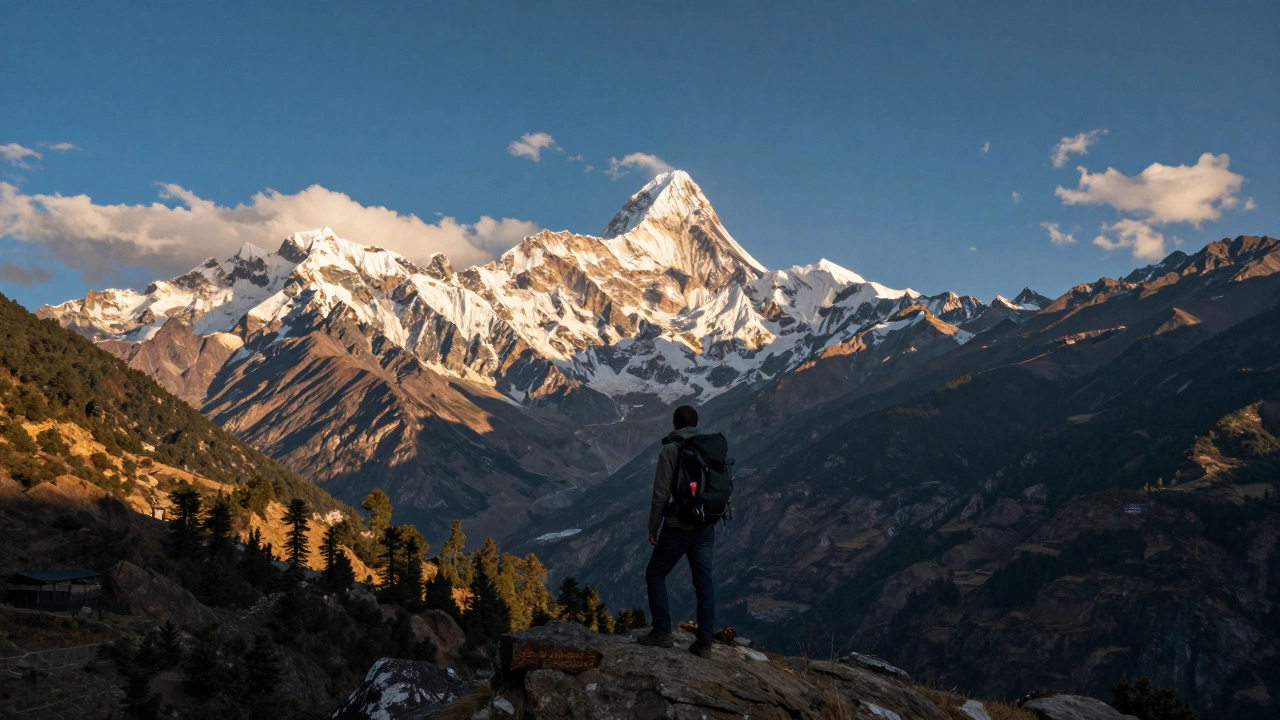
Picture this: You are standing at the base of a steep trail in the Himalayas. The air is crisp, the views are breathtaking, and your heart is racing with excitement. But before you take that first step, there is one rule that separates seasoned hikers from those who end up as rescue stories. That rule is simple but non-negotiable: Safety comes before everything else.
In the context of trekking in India, this isn't just a suggestion; it's a survival strategy. Whether you are planning a weekend hike to Munnar or an ambitious expedition to K2 Base Camp, ignoring safety protocols can turn a dream trip into a nightmare. This guide breaks down what "safety first" actually looks like in practice, why it matters more than reaching the summit, and how you can prepare effectively for Indian terrains.
Why "Safety First" Is the Only Rule That Matters
You might hear different advice from different sources. Some say "leave no trace," others say "stay on the path." While these are important, they are secondary to staying alive. If you are injured, lost, or dehydrated, being eco-friendly doesn't matter much. The number one rule dictates every other decision you make on the trail.
Think about it. If you push beyond your physical limits to reach a viewpoint because "everyone else is doing it," you risk a fall or exhaustion. If you ignore weather warnings because the forecast looked good yesterday, you risk getting caught in a sudden storm. In India's diverse landscapes-from the humid forests of Wayanad to the freezing heights of Ladakh-conditions change rapidly. Your primary job is not to conquer the mountain; it is to return home safely.
Understanding the Terrain: Specific Risks in India
India offers some of the most challenging and beautiful hiking trails in the world. However, each region presents unique dangers that require specific preparation. Ignoring these local nuances is a common mistake among beginners.
- The Himalayas: Altitude sickness is the silent killer here. Trails like Hampta Pass or Stok Kangri gain elevation quickly. Symptoms include headache, nausea, and dizziness. Recognizing these early and descending immediately can save your life.
- The Western Ghats: Monsoon season brings lush greenery but also slippery rocks and leeches. Trails in Mahabaleshwar or Agumbe become treacherous during heavy rains. Flash floods can occur without warning in river valleys.
- The Aravalli Range: While lower in altitude, areas like Mount Abu or Sariska have extreme heat. Dehydration and heatstroke are major risks during summer months.
Knowing where you are going is half the battle. A trail that is safe in December might be deadly in July due to seasonal changes.
Essential Gear: What You Actually Need
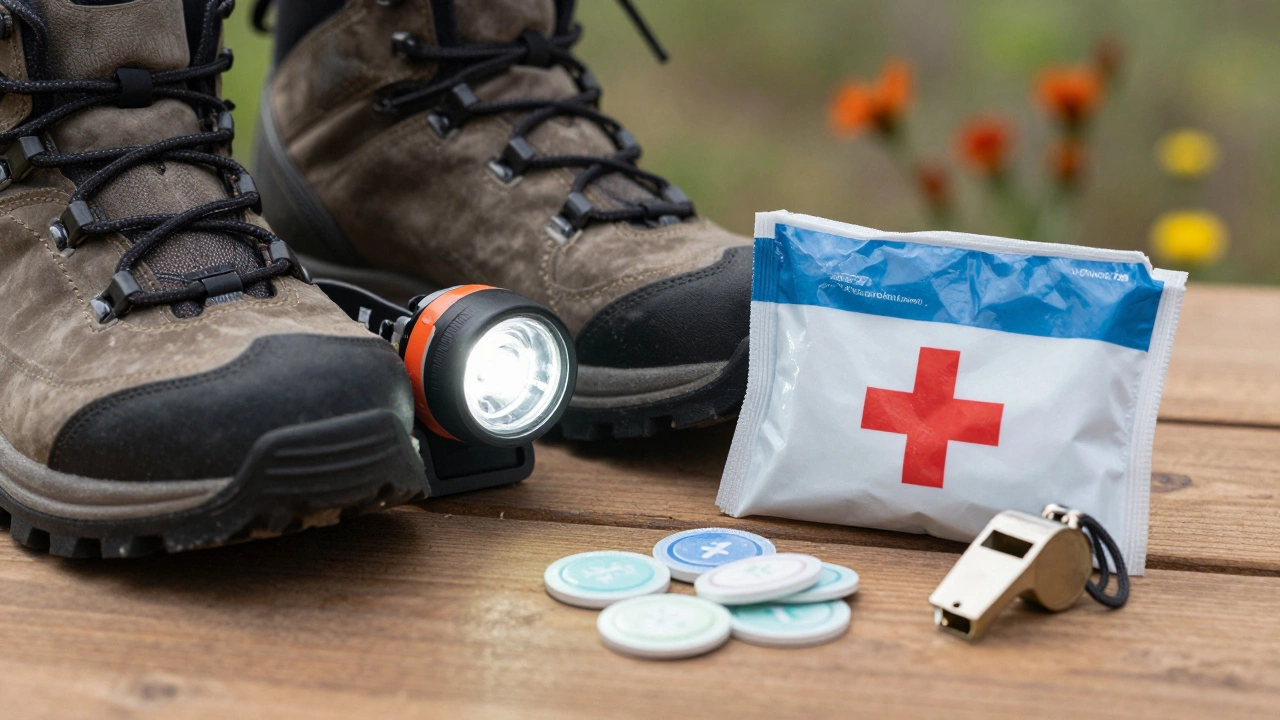
Many beginners overpack or underpack. The key is carrying the right tools for safety. Here is a breakdown of essential gear for hiking in India:
| Item | Why It's Critical | Specific Tip for India |
|---|---|---|
| Sturdy Trekking Shoes | Ankle support and grip | Choose waterproof shoes for Western Ghats; breathable mesh for Aravalis. |
| Headlamp + Extra Batteries | Night visibility | Always carry extra batteries. Trails often take longer than expected. |
| First Aid Kit | Treating injuries | Include antiseptic cream, bandages, and painkillers. Add anti-leech socks for monsoons. |
| Water Purification Tablets | Clean drinking water | Tap water in remote villages is rarely safe. Carry at least 3 liters per day. |
| Power Bank | Communication | Mobile networks drop frequently. Keep your phone charged for emergencies. |
Don't skimp on footwear. Blisters can end your hike within hours. Break in your new boots before attempting a long trek. Also, always carry a physical map. GPS signals can fail in deep valleys or dense forests.
Weather Awareness: Reading the Sky
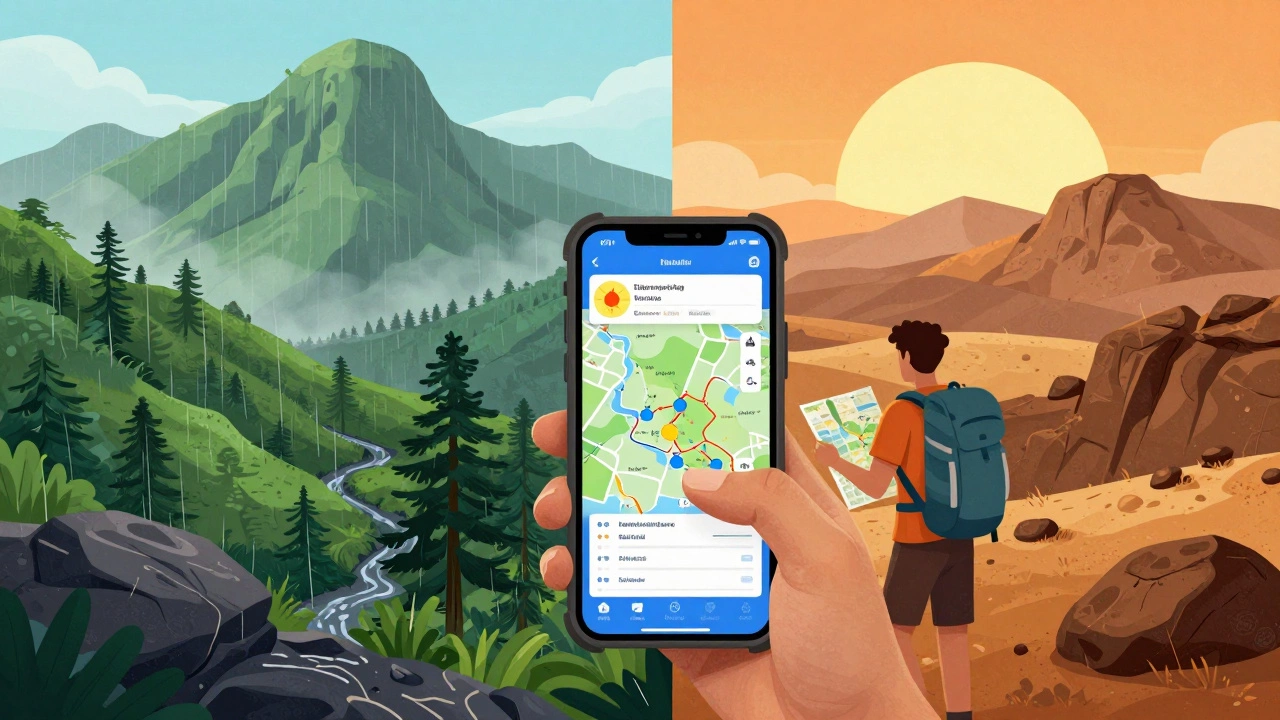
In India, weather forecasts can be surprisingly inaccurate, especially in mountainous regions. Learning to read natural signs is crucial. Darkening skies, dropping temperatures, and unusual animal behavior are all warning signs.
If you see dark clouds gathering over a peak, do not wait until rain starts. Start descending immediately. Wet rock surfaces lose their friction, making slips likely. In the Himalayas, afternoon thunderstorms are common. Aim to start your hikes early in the morning and finish by mid-afternoon.
For monsoon treks, check local news channels. They often provide real-time updates on landslides or road closures that affect trail access. Never assume a trail is open just because it was last week.
Physical Preparation: Training Before the Trail
Underestimating the physical demand of a hike is a leading cause of accidents. A "easy" 10km hike in the hills can feel like a marathon if you are not conditioned. Start training at least four weeks before your trip.
- Cardiovascular Endurance: Run, cycle, or swim regularly to build lung capacity. This helps combat altitude sickness.
- Leg Strength: Squats, lunges, and step-ups strengthen the muscles used for climbing and descending.
- Core Stability: A strong core helps maintain balance on uneven terrain, reducing the risk of falls.
Practice hiking with your fully loaded backpack. Most people forget the weight factor until they are halfway up a hill. Gradually increase the load to simulate actual conditions.
Respecting Local Guidelines and Guides
In many parts of India, hiring a local guide is mandatory or highly recommended. These guides know the terrain, weather patterns, and emergency contacts. Ignoring their advice is dangerous. They have walked these trails hundreds of times and can spot hazards you might miss.
Additionally, respect local customs and regulations. Some sacred sites restrict entry to certain groups or require specific attire. Violating these rules can lead to conflicts or legal issues. Always ask permission before taking photos of locals or religious ceremonies.
Emergency Protocols: What to Do When Things Go Wrong
Even with perfect planning, things can go wrong. Knowing how to react calmly is vital. Here is a basic emergency protocol:
- Stop and Assess: Don't panic. Sit down, breathe, and evaluate the situation.
- Call for Help: Use your phone to call local emergency numbers. In India, dial 112 for general emergencies. Save local forest department or police contact details beforehand.
- Stay Put: If you are lost, do not wander aimlessly. Stay near your last known location. Rescue teams will search along your planned route.
- Signal for Help: Use a whistle, mirror, or bright clothing to attract attention. Three blasts of a whistle is the universal distress signal.
Always inform someone reliable about your itinerary before starting a hike. Include expected return time, trail name, and emergency contacts. If you don't return on time, they should know when to alert authorities.
Beyond Safety: The Ethical Hiker
Once safety is secured, focus on minimizing your impact. The "Leave No Trace" principles are essential for preserving India's fragile ecosystems. Pack out all trash, including biodegradable waste like fruit peels. Avoid disturbing wildlife and stick to marked trails to prevent erosion.
Support local communities by buying food and supplies from village shops. This ensures that tourism benefits the people who live near these trails. Sustainable hiking keeps these destinations open for future generations.
Is it safe to hike alone in India?
Hiking alone is generally discouraged for beginners, especially in remote areas. Solo hikers lack immediate assistance in case of injury. If you must hike solo, choose well-populated trails, inform multiple people of your plans, and carry a satellite communicator. Popular spots like Nandi Hills are safer for solo day hikes compared to multi-day treks in the Himalayas.
What is the best time to hike in India?
The best time depends on the region. For the Himalayas, post-monsoon (September to November) and spring (April to June) offer clear skies and stable weather. The Western Ghats are best visited during winter (December to February) to avoid heavy rains. Desert trails in Rajasthan are ideal from October to March to escape extreme heat.
Do I need a permit for trekking in India?
Some areas require permits, particularly in restricted zones like Ladakh, Sikkim, and parts of Himachal Pradesh. National parks may also require entry fees. Always check the latest requirements with local tourism boards or forest departments before your trip. Failing to obtain necessary permits can result in fines or expulsion from the area.
How much water should I carry on a hike?
A general rule is 1 liter per hour of moderate activity. In hot climates like Rajasthan or during summer in the plains, you may need up to 4-5 liters per day. In cooler mountain regions, 2-3 liters might suffice. Always carry purification tablets or a filter to refill from natural sources safely.
What are the signs of altitude sickness?
Early signs include headache, fatigue, loss of appetite, and mild dizziness. Severe symptoms involve confusion, vomiting, and difficulty breathing. If you experience these, stop ascending immediately. Descend to a lower altitude if symptoms persist. Acclimatization days are crucial for high-altitude treks above 3,000 meters.
Remember, the mountain will always be there. Your life is precious. Prioritize safety, prepare thoroughly, and respect nature. By following these guidelines, you ensure that your hiking experiences in India remain joyful, memorable, and, most importantly, safe.