
UK Weekend Getaway Budget Calculator
Estimated Total Cost
Cost Breakdown
You just got three days off. The excitement is high, but the anxiety hits hard when you open your banking app. How much should a 3-day trip actually cost? There is no single number that fits everyone, but there are realistic ranges that will keep you from overspending or under-budgeting into misery.
The price tag depends heavily on where you go, how you sleep, and whether you treat food as fuel or an experience. A weekend in a nearby city can be shockingly cheap if you plan right, while a flight to Europe with a hotel stay will burn through cash fast. Let’s break down the real numbers so you can set expectations before you book anything.
What Drives the Total Price Tag?
Before we look at specific amounts, understand the four pillars of travel spending. These components make up roughly 90% of your total outlay.
- Accommodation: This is usually the biggest variable. A hostel bed costs a fraction of a private hotel room, but comfort levels differ significantly.
- Transport: Getting to the destination and moving around once you arrive. Trains in the UK can be expensive if booked last minute, whereas driving might save money if you split fuel and tolls.
- Food & Drink: Eating out every meal adds up quickly. Cooking some meals or grabbing street food can halve this expense.
- Activities: Museums, tours, entry fees, and entertainment. Many top attractions in the UK are free, which helps, but guided tours or theme parks charge premium prices.
If you control these four levers, you control the final bill. Ignoring them leads to surprise charges at the end of the trip.
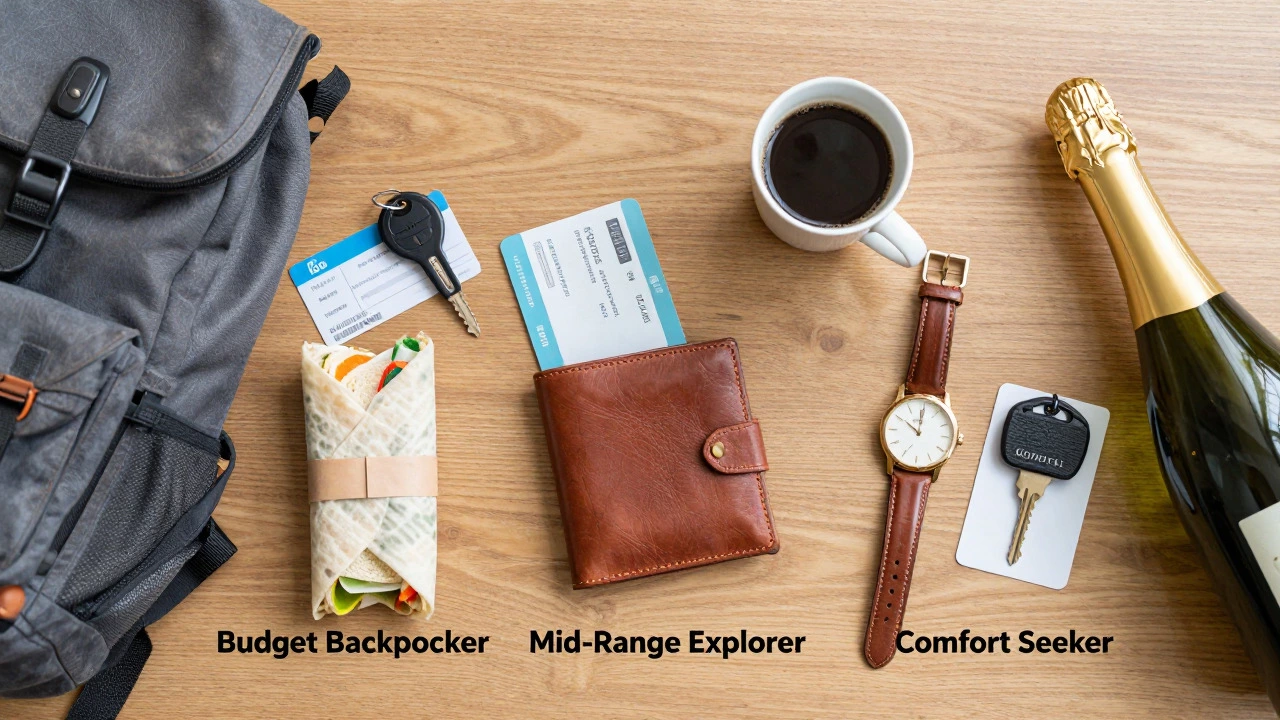
Budget Breakdown: Three Traveler Profiles
To give you concrete numbers, let’s look at three common scenarios for a three-day, two-night trip starting from a major UK city like Bristol or London. These estimates include all personal expenses but exclude pre-existing travel insurance.
| Category | Budget Backpacker | Mid-Range Explorer | Comfort Seeker |
|---|---|---|---|
| Accommodation | £40 - £60 (Hostel dorm) | £150 - £250 (3-star hotel/Airbnb) | £400 - £700+ (4/5-star hotel) |
| Local Transport | £15 - £25 (Buses/Walking) | £50 - £80 (Trains/Taxis mix) | £100 - £150 (Private transfers/Taxis) |
| Food & Drink | £30 - £50 (Supermarket/Cafes) | £90 - £150 (Mix of casual dining) | £200 - £300 (Fine dining/Bars) |
| Activities | £0 - £30 (Free sights/Museums) | £50 - £100 (Tours/Entry fees) | £150 - £300 (Premium experiences) |
| Total Estimated Cost | £85 - £165 | £340 - £580 | £850 - £1,450+ |
Notice the gap between the budget and mid-range options. That difference isn’t just about luxury; it’s about convenience and time savings. The mid-range traveler pays more to avoid long bus rides and to eat without checking calorie counts constantly.
Domestic vs. International: Where Does Your Money Go?
A huge factor is whether you stay within the UK or cross borders. Domestic trips offer significant savings on accommodation and transport compared to international flights.
UK Domestic Trips are short-haul journeys within the United Kingdom, typically involving train or car travel. For example, a trip from Bristol to Bath or Cardiff involves minimal transport costs. You can often find train tickets for under £30 if booked in advance. Accommodation in smaller cities is also cheaper than in London. A mid-range domestic trip can easily stay under £400 per person.
In contrast, an international trip to somewhere like Amsterdam or Barcelona changes the math entirely. Flight prices fluctuate wildly based on demand. Even with budget airlines, adding airport transfers, visa requirements (if applicable), and higher local prices for food, the baseline cost jumps. An international mid-range trip usually starts at £600-£800 per person before any extra splurges. If you want to fly to the US or Asia, expect to double or triple those figures.
Hidden Costs That Blow Up Your Budget
It’s easy to forget the small things until they add up. Here are the sneaky expenses that catch most travelers off guard.
- Tipping Culture: In the UK, tipping is optional but appreciated. In the US, it’s mandatory (18-20%). If you’re traveling abroad, adjust your food budget accordingly.
- Currency Exchange Fees: Using your debit card abroad often incurs a 3-5% fee. Check your bank’s rates or use a dedicated travel card to save money.
- Packaging Fees: Some hotels charge for late check-out or luggage storage. It seems minor, but over three days, it can hit £20-£30.
- Emergency Fund: Always keep 10-15% of your budget aside for unexpected issues like a broken phone case, lost ticket, or sudden illness.
Planning for these "what ifs" prevents panic when something goes wrong. It turns a stressful situation into a manageable one.
How to Cut Costs Without Sacrificing Fun
You don’t have to choose between being broke and being bored. Here are practical ways to stretch your money further.
- Book Flights/Trains Early: Prices for domestic trains and flights rise sharply as departure dates approach. Booking 4-8 weeks ahead can save 20-30%.
- Stay Central but Not Premier: You don’t need to be in the absolute center of town to be close to attractions. Look for neighborhoods slightly outside the main square or station. They are quieter and cheaper.
- Eat Like a Local: Tourist traps near landmarks are 30-50% more expensive. Walk five minutes away, and you’ll find better food for less money. Supermarkets are great for breakfast and snacks.
- Use Free Walking Tours: Most major cities offer free walking tours where you tip what you think is fair. It’s a great way to see highlights without paying fixed tour fees.
- Travel Off-Peak: If you can, try to leave on a Tuesday or Wednesday rather than Friday. Train and flight prices are lower, and crowds are thinner.
These small adjustments compound. Saving £10 on lunch and £20 on a train ticket adds up to £30, which could cover a nice dinner or a museum entry fee.
When Is It Worth Spending More?
Not every penny needs to be saved. Sometimes, spending more improves the experience significantly. Consider upgrading your budget if:
- You Value Sleep: A bad night’s sleep ruins the next day. If you’re sensitive to noise, pay for a private room or a higher-rated hotel.
- You Have Limited Time: With only three days, efficiency matters. Paying for a direct train instead of a connecting one saves hours. Paying for a skip-the-line ticket at a popular attraction saves waiting time.
- It’s a Special Occasion: If it’s an anniversary or birthday, splurging on one special dinner or activity makes the trip memorable. Balance it by keeping other days low-key.
The goal isn’t to spend the least amount possible; it’s to get the most value for your money. Know where your priorities lie and allocate funds accordingly.
Final Thoughts on Planning Your Trip
So, how much should a 3-day trip cost? For a typical UK-based traveler taking a domestic weekend break, aim for £350-£600 for a comfortable mid-range experience. If you’re tight on cash, you can do it for under £150 with hostels and careful planning. If you want luxury, prepare to spend £900 or more.
Start by setting a hard cap on your total budget. Then, work backwards to see where you can flex. Track your spending daily to ensure you stay on track. A little preparation now means a lot more enjoyment later. Pack light, book early, and enjoy your break.
Is it cheaper to drive or take the train for a 3-day trip in the UK?
It depends on distance and group size. For solo travelers under 100 miles, driving is often cheaper due to fuel costs versus train fares. However, if you’re traveling longer distances or in a group, splitting the cost of a car rental or using a railcard can make public transport more economical. Always compare prices on both platforms before booking.
Should I book my accommodation in advance for a weekend trip?
Yes, especially during peak seasons or holidays. Last-minute bookings can lead to higher prices or limited availability. Booking 2-4 weeks in advance usually offers the best balance of price flexibility and choice. If you’re flexible with dates, you might find deals closer to the date, but it’s risky.
How much cash should I carry for a 3-day trip?
Most places accept cards, but having £50-£100 in cash is wise for small vendors, tips, or emergencies. If traveling internationally, convert some currency before you go to avoid poor exchange rates at airports. Keep your cash secure in a money belt or hidden pocket.
Do I need travel insurance for a domestic 3-day trip?
While not strictly necessary for short domestic trips, it’s worth considering if you have pre-existing medical conditions or are renting a car. Check if your home insurance covers trip cancellations or lost luggage. For international trips, travel insurance is highly recommended to cover medical emergencies and flight disruptions.
What is the best time of year to take a 3-day trip to save money?
The shoulder seasons (April-May and September-October) offer the best balance of good weather and lower prices. Avoid school holidays and major festivals when prices spike. Mid-week departures are always cheaper than weekends, regardless of the season.