South India Travel Knowledge Quiz
How well do you know the wonders of South India? Test your knowledge on temples, backwaters, spices, and classical arts.
Loading question...
Quiz Complete!
Great job!
Most travelers picture the Taj Mahal when they think of India. But ask a local from Chennai or Kochi, and you’ll get a very different answer. South India isn’t just a geographical region; it’s a distinct cultural universe with its own languages, architecture, climate, and rhythms. If you’re planning a trip here, you need to know what actually defines this part of the country. It’s not just about beaches, though those are spectacular. It’s about ancient engineering, spicy cuisine that wakes up your soul, and traditions that have survived centuries of change.
This guide cuts through the noise. We aren’t listing every tourist spot. Instead, we’re focusing on what South India is genuinely famous for-the things that make it unique compared to North India or other global destinations. Whether you’re into history, food, nature, or spirituality, here is what you should expect.
The Architectural Marvels of Dravidian Temples
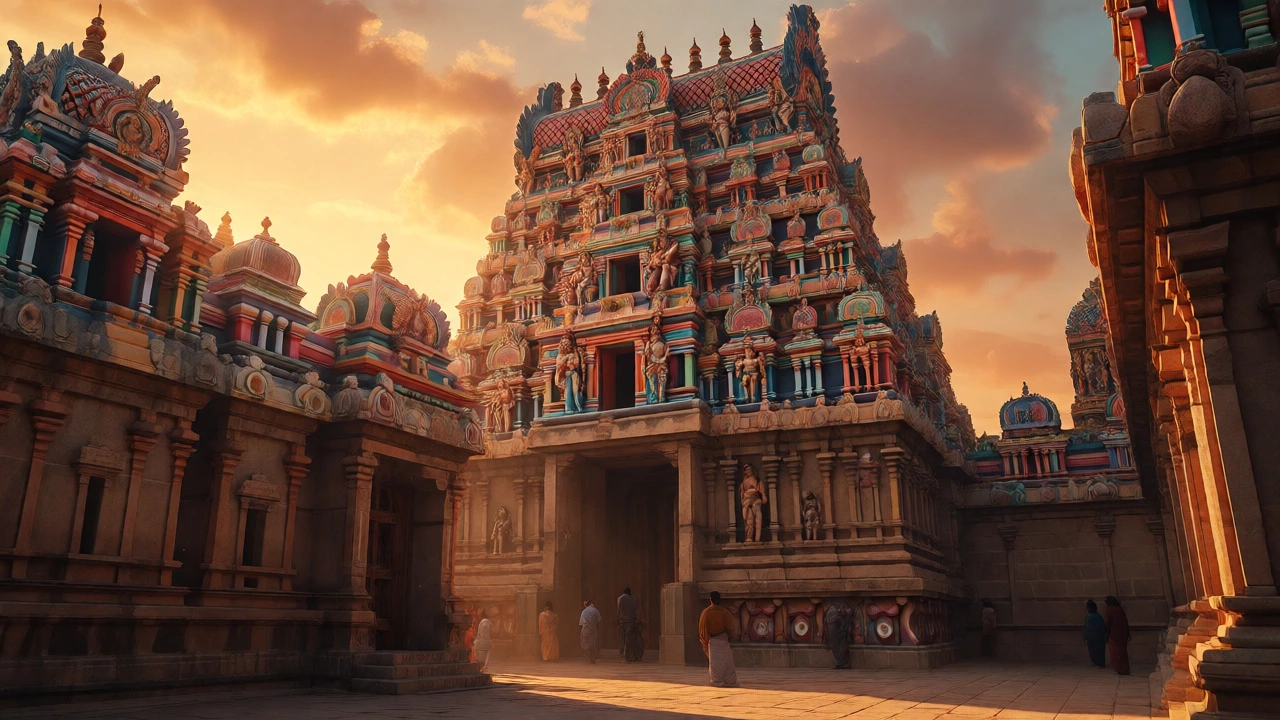
If you see one thing in South India, let it be a temple. But not just any temple. The Dravidian architecture found in Tamil Nadu and Karnataka is unlike anything else on earth. These structures aren’t just places of worship; they are massive stone cities built over thousands of years.
Take the Meenakshi Amman Temple in Madurai. It’s famous for its towering gopurams (gateway towers) covered in thousands of colorful sculptures. Each figure tells a mythological story. The precision is mind-blowing. These temples were often economic hubs, storing grain, funding education, and managing water resources. When you walk through the corridors of the Brihadeeswarar Temple in Thanjavur, you’re walking through an 11th-century UNESCO World Heritage site that still functions as a living religious center.
- Gopurams: Towering gateways that dominate the skyline, often taller than the main sanctum.
- Temple Tanks: Massive stepped water bodies used for rituals and cooling the surrounding area.
- Sculptural Detail: Intricate carvings depicting gods, demons, and daily life scenes.
Kerala’s Backwaters: A Unique Ecosystem
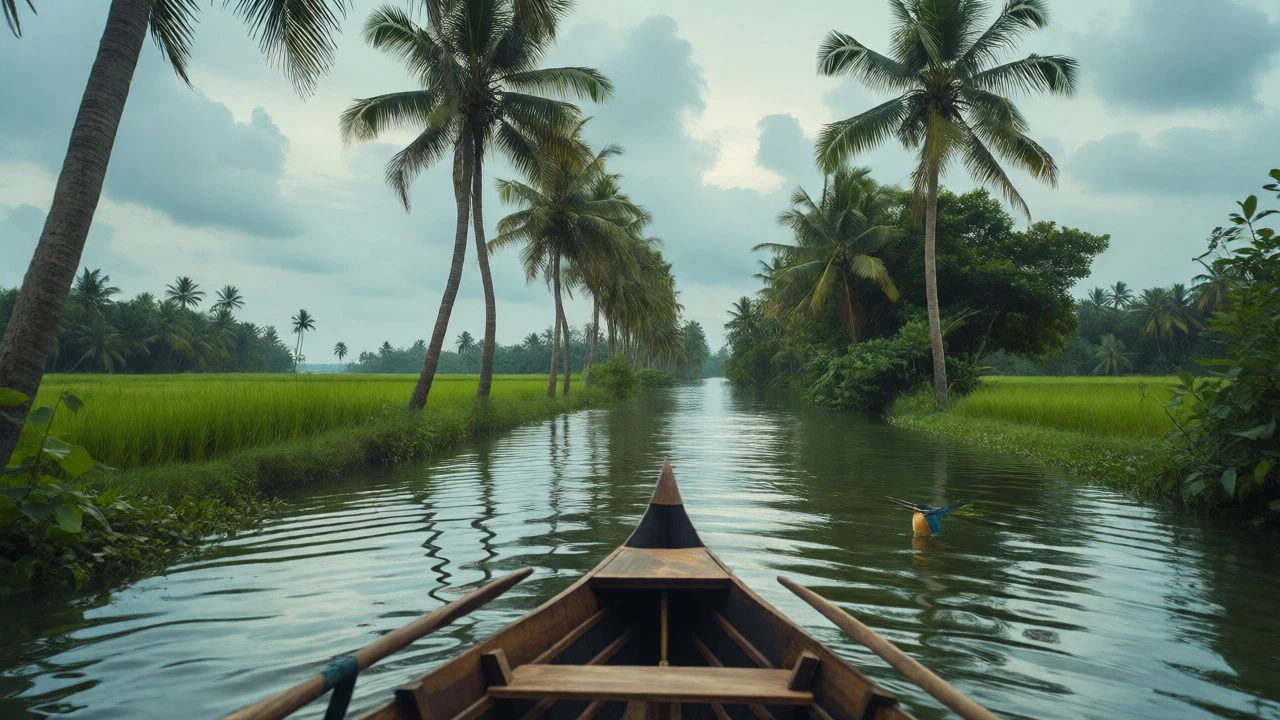
Move west to Kerala, and the landscape changes completely. Here, South India is famous for its network of brackish lagoons and lakes parallel to the Arabian Sea coast. Known as the Kerala Backwaters, this system spans over 900 kilometers of interconnected canals, rivers, and lakes.
You don’t just visit the backwaters; you float through them. Houseboats, locally called kettuvallams, are traditional rice barges converted into floating hotels. Staying on one is a slow-travel experience. You drift past paddy fields, coconut groves, and village life at a pace of five miles per hour. There’s no engine roar, just the splash of oars and the call of kingfishers. This ecosystem supports unique wildlife, including otters, cormorants, and mudskippers. It’s a masterclass in sustainable living, where communities have coexisted with water for generations.
The Spice Coast and Culinary Identity
Food is where South India really asserts its identity. While North Indian cuisine often features wheat-based breads like naan and roti, South Indian staples are rice and lentils. The flavor profile is bold, tangy, and heavily spiced. Think fermented batters, curry leaves, mustard seeds, and tamarind.
The region is historically known as the "Spice Coast" because of its role in the global spice trade. Pepper, cardamom, cinnamon, and cloves grew wild in the Western Ghats mountains. Today, you can still buy these spices fresh in markets like Mattancherry in Kochi. But beyond raw ingredients, the dishes themselves are iconic:
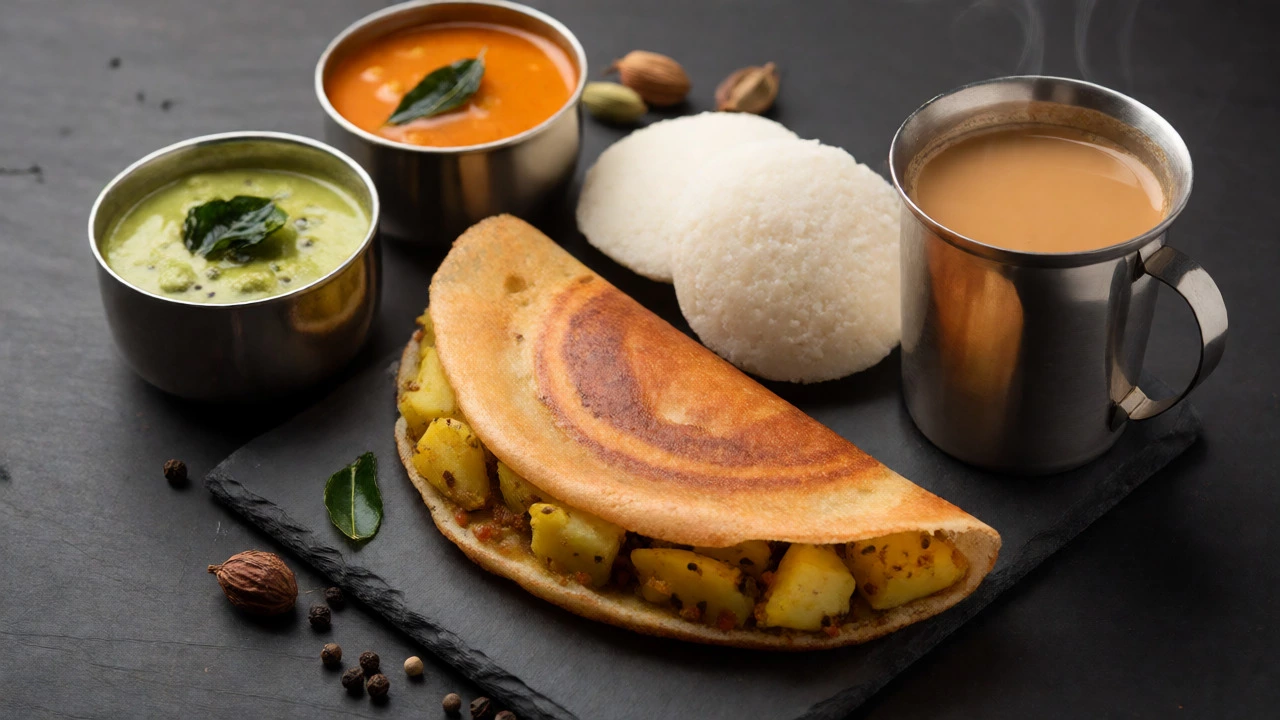
- Dosa: A thin, crispy crepe made from fermented rice and lentil batter. The Masala Dosa, stuffed with spiced potatoes, is a global favorite.
- Idli: Steamed cakes made from the same batter, soft and fluffy, usually eaten for breakfast.
- Sambar: A lentil-based vegetable stew flavored with tamarind and a specific spice mix, served alongside almost every meal.
- Filter Coffee: Strong, milky coffee brewed using a metal filter, famously served in a "davara-tumbler" set.
In Andhra Pradesh and Telangana, the food takes a fiery turn. Hyderabadi Biryani is renowned for its dum-cooking method, where meat and rice are cooked together in a sealed pot, trapping steam and aroma. It’s rich, aromatic, and definitely not for the faint-hearted if you dislike heat.
Classical Arts: Bharatanatyam and Carnatic Music
South India is the birthplace of two major classical art forms that define Indian high culture. First is Bharatanatyam, a classical dance form originating from Tamil Nadu. Once performed exclusively in temples by Devadasis, it is now a rigorous concert stage performance involving complex footwork, expressive hand gestures (mudras), and facial expressions.
Then there is Carnatic music, the classical tradition of South India. Unlike Hindustani music of the north, which is more improvisational, Carnatic music is highly structured around ragas (melodic frameworks) and talas (rhythmic cycles). The annual Madras Music Season in Chennai turns the city into a global hub for musicians. Thousands attend concerts in open-air stages called sabhas. It’s a deep dive into mathematical precision and emotional depth.
Nature’s Playground: Hill Stations and Wildlife
People often forget how green and mountainous South India is. The Western Ghats run along the western edge of the peninsula, creating a biodiversity hotspot older than the Himalayas. This range captures monsoon rains, resulting in lush rainforests and cool hill stations.
Ooty and Munnar are famous tea plantations. Rolling hills carpeted in emerald tea bushes stretch as far as the eye can see. The air is crisp, smelling of wet earth and blooming flowers. In Munnar, you might spot the Nilgiri Tahr, a rare mountain goat endemic to these hills.
For wildlife enthusiasts, Periyar National Park in Kerala and Bandipur National Park in Karnataka offer tiger and elephant safaris. Periyar is unique because you can take a boat safari across the lake, spotting elephants drinking water without disturbing their natural behavior. It’s a safer and more serene way to observe wildlife compared to jeep safaris in dense forests.
A Comparison: What Makes South India Different?
To understand why these things are famous, you have to compare them to the rest of the country. The differences are stark and fascinating.
| Feature | South India | North India |
|---|---|---|
| Primary Staple Food | Rice, Lentils, Coconut | Wheat (Roti/Naan), Dairy |
| Architecture Style | Dravidian (Stone Temples) | Indo-Islamic (Domes, Arches) |
| Languages | Tamil, Telugu, Kannada, Malayalam | Hindi, Punjabi, Rajasthani |
| Climate | Tropical, Humid, Monsoon-heavy | Varied, Cold Winters in Plains |
| Cultural Focus | Preservation of Ancient Traditions | Fusion of Persian and Indian Cultures |
Practical Tips for Your Trip
Knowing what South India is famous for is one thing; experiencing it is another. Here’s how to do it right.
- Respect Dress Codes: Temples enforce strict dress codes. Shoulders and knees must be covered. Carry a shawl or sarong if you’re wearing shorts or sleeveless tops.
- Embrace the Heat: The weather is hot year-round. Plan indoor activities (temples, museums) for midday and outdoor exploration (backwaters, parks) for early morning or evening.
- Try Local Transport: Auto-rickshaws are everywhere. Negotiate fares beforehand or insist on using the meter. Trains between cities like Chennai and Bangalore are efficient and scenic.
- Learn Basic Greetings: Saying "Vanakkam" (Tamil) or "Namaskaram" (Telugu/Kannada) goes a long way. Locals appreciate the effort.
South India rewards curiosity. It’s not a place to rush through. The fame comes from depth-from understanding why a temple was built that way, why the food tastes so distinct, and how the landscape shapes daily life. Start with one state, maybe Kerala for relaxation or Tamil Nadu for history, and expand from there.
Is South India safe for solo female travelers?
Yes, generally considered safer than many other parts of India. Cities like Chennai, Bangalore, and Hyderabad have robust public transport and active nightlife. However, standard precautions apply: avoid isolated areas late at night and dress modestly to respect local customs.
Which language should I learn for South India travel?
English is widely spoken in urban areas, hotels, and among younger people. Hindi is less common than in the north. Learning basic phrases in Tamil, Telugu, Kannada, or Malayalam depending on the state you visit will enhance interactions significantly.
What is the best time to visit South India?
October to March is ideal. The weather is cooler and drier. Avoid April to June due to extreme heat and humidity. July to September brings heavy monsoons, which can be beautiful but may disrupt travel plans, especially in coastal areas.
Are vegetarian options easily available?
Absolutely. South India has a strong vegetarian culture, particularly in Tamil Nadu and Karnataka. Many restaurants serve pure vegetarian menus. Even non-veg places offer extensive veg options. Look for 'Veg' signs outside eateries.
Do I need vaccinations before visiting?
Consult your doctor, but routine vaccines plus Hepatitis A and Typhoid are commonly recommended. Malaria prophylaxis might be suggested for rural or forest areas. Ensure your tetanus shot is up to date.