Maldives Travel Risk & Alternative Planner
--
Awaiting Input...
You’re packing your sunscreen, booking that overwater villa in the Maldives, and suddenly, social media explodes. "Boycott Maldives" trends worldwide. Your flight gets cancelled. The visa on arrival feels shaky. Why is a tiny island nation causing such a massive diplomatic headache for its giant neighbor? If you’re an Indian traveler or just curious about global geopolitics, this isn’t just news-it’s your vacation plan hanging in the balance.
The friction between India and the Maldives isn’t new, but it has shifted from quiet diplomatic notes to loud public outrage. At its core, this clash involves sovereignty, tourism economics, and regional power dynamics. For you, the reader, understanding this mess helps you decide whether to book those tickets now, wait it out, or look at alternatives like Sri Lanka or the Andamans.
What Actually Sparked the Recent Tension?
Let’s cut through the noise. While tensions have simmered for years due to security concerns and political shifts in Male, the recent flare-up was ignited by perceived disrespect toward Indian leadership and cultural insensitivity. In early 2024, statements made by Maldivian ministers regarding India were interpreted as derogatory. This wasn’t just a minor slip of the tongue; it triggered a wave of nationalism on both sides.
For Indians, who make up a huge chunk of tourist arrivals, this felt personal. You might remember the viral videos of Indian tourists being treated poorly or facing sudden regulatory hurdles. The Maldives government, under President Mohamed Muizzu, adopted a more assertive stance, moving away from the traditional "India First" policy. They wanted to be seen as independent players, not just backyard resorts for New Delhi. But independence came with a price tag: diplomatic chill.
The Economic Reality: Who Needs Whom More?
Here is the uncomfortable truth: the Maldives economy relies heavily on tourism, and India is one of its largest sources of visitors. Before the controversy peaked, Indian tourists accounted for nearly 15-20% of all arrivals in some peak seasons. When boycott calls went viral, hotel occupancy rates dropped visibly.
But does India need the Maldives? Yes, for luxury getaways and honeymoon packages. However, India has alternatives. The Andaman and Nicobar Islands offer similar coral reefs and white sands without the visa hassle or diplomatic drama. So, while the Maldives hurts financially from a drop in Indian spending, India can pivot. This asymmetry gives New Delhi leverage, which they’ve used by tightening visa norms and reviewing trade agreements.
| Metric | Pre-Controversy Baseline | Post-Tension Impact |
|---|---|---|
| Indian Tourist Arrivals | High Volume (Top 3 Source) | Significant Dip (30-40% drop in peak months) |
| Visa Processing Time | Instant/On-Arrival | Increased Scrutiny/Delays |
| Hotel Occupancy | Stable High Demand | Price Drops to Attract Non-Indian Markets |
| Air Connectivity | Daily Direct Flights | Reduced Frequencies/Cancellations |
Geopolitics: The China Factor
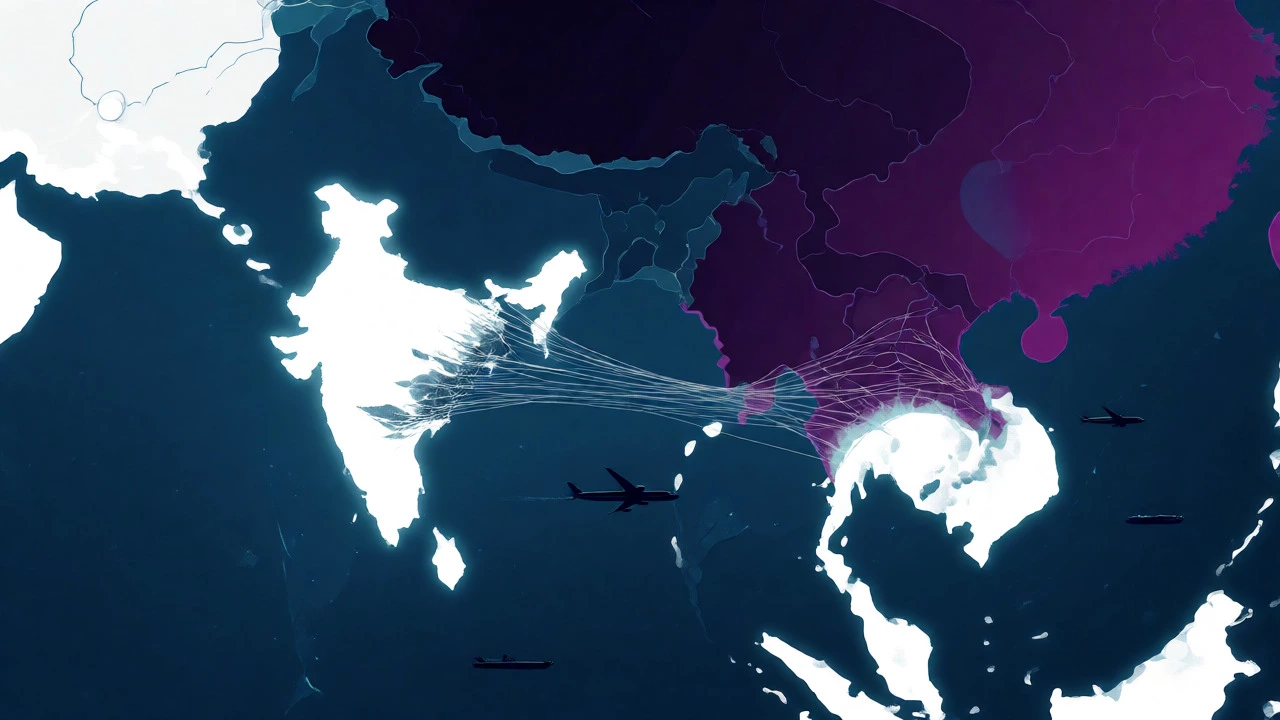
You can’t talk about the Maldives without mentioning China. Beijing has been expanding its influence in the Indian Ocean Region (IOR) for decades. The Maldives, sitting right on key shipping lanes, is strategically vital. India views the IOR as its natural sphere of influence, a concept rooted in post-independence foreign policy doctrine.
When the Maldivian government signaled closer ties with China-allowing Chinese surveillance vessels or signing infrastructure deals-India saw a security threat. It’s not just about tourism; it’s about military bases and radar systems. The removal of Indian military personnel from the Maldives in 2024 was a direct result of this geopolitical tug-of-war. For the average traveler, this means less Indian consular support on the ground and a colder diplomatic atmosphere.
How This Affects Your Trip Planning
If you are planning a trip soon, here is what you need to know. The "Boycott Maldives" campaign led by celebrities and influencers had real teeth. Many Indians switched their bookings to domestic beaches or other international spots like Bali or Dubai.
- Visa Status: Currently, visas are available, but expect stricter questioning. Ensure your return ticket and hotel bookings are printed and ready.
- Currency Exchange: The Maldivian Rufiyaa is pegged to the USD. With economic strain, exchange rates can fluctuate. Carry USD cash as backup.
- Service Quality: Some locals reported feeling pressured by anti-Indian sentiment. While hospitality remains professional, the warmth might feel different compared to previous years.
- Flight Costs: With reduced demand, airlines have adjusted prices. You might find better deals if you book during off-peak windows when tension cools down.
Alternatives to Consider
Why risk the diplomatic freeze when you have options? If you want the Maldives vibe without the politics, consider these swaps:
- Andaman and Nicobar Islands: Radhanagar Beach offers world-class sand. No visa needed for Indians. Security is tight and friendly.
- Sri Lanka: Geographically close, culturally rich, and currently trying to rebuild its tourism sector aggressively. Prices are competitive.
- Thailand: Koh Samui or Phuket offer similar luxury experiences with a well-established tourist infrastructure that is less politically volatile.
The Road Ahead: Will Relations Improve?
Diplomacy is rarely black and white. Both nations need each other. India needs stability in the IOR; the Maldives needs economic survival. Expect backchannel talks to continue behind the scenes. Publicly, leaders may keep trading barbs to satisfy domestic voters, but privately, trade deals and tourism quotas will likely normalize within 12-18 months.
For now, stay informed. Check official advisories from the Ministry of External Affairs before booking. Don’t let social media hype dictate your entire holiday experience, but do respect the local sentiment. Travel is about connection, and right now, that connection is strained.
Is it safe for Indian tourists to visit the Maldives now?
Yes, generally speaking, it remains safe for tourists. The tensions are primarily diplomatic and political rather than violent. Most resorts operate independently of local politics, ensuring high service standards. However, travelers should remain aware of local sentiments and avoid discussing sensitive political topics with locals unless invited.
Has India banned travel to the Maldives?
No, there is no official ban on travel. Flights continue to operate, and visas are issued. However, there have been instances of increased scrutiny at immigration and occasional flight cancellations due to lower demand or operational adjustments. Always check your airline's status before traveling.
Why did Indian tourists boycott the Maldives?
The boycott was driven by perceived insults from Maldivian officials towards Indian leadership and cultural figures. Social media campaigns amplified these incidents, leading many Indians to cancel trips as a form of protest and solidarity. It also reflected broader dissatisfaction with the Maldives' shifting geopolitical alignment towards China.
Are hotels in the Maldives offering discounts due to the controversy?
Many resorts have introduced special offers and flexible cancellation policies to attract tourists amid the dip in arrivals. Since Indian tourists represent a significant revenue stream, properties are keen to retain them by providing value-added services and competitive pricing during low-season periods.
What are the best alternatives to the Maldives for Indian travelers?
The Andaman and Nicobar Islands are the top domestic alternative, offering pristine beaches and water sports without visa requirements. Internationally, Sri Lanka, Thailand, and Bali are popular choices that offer similar tropical experiences with stable diplomatic relations and robust tourism infrastructure.