Bananas in India: What You Need to Know About This Common Fruit
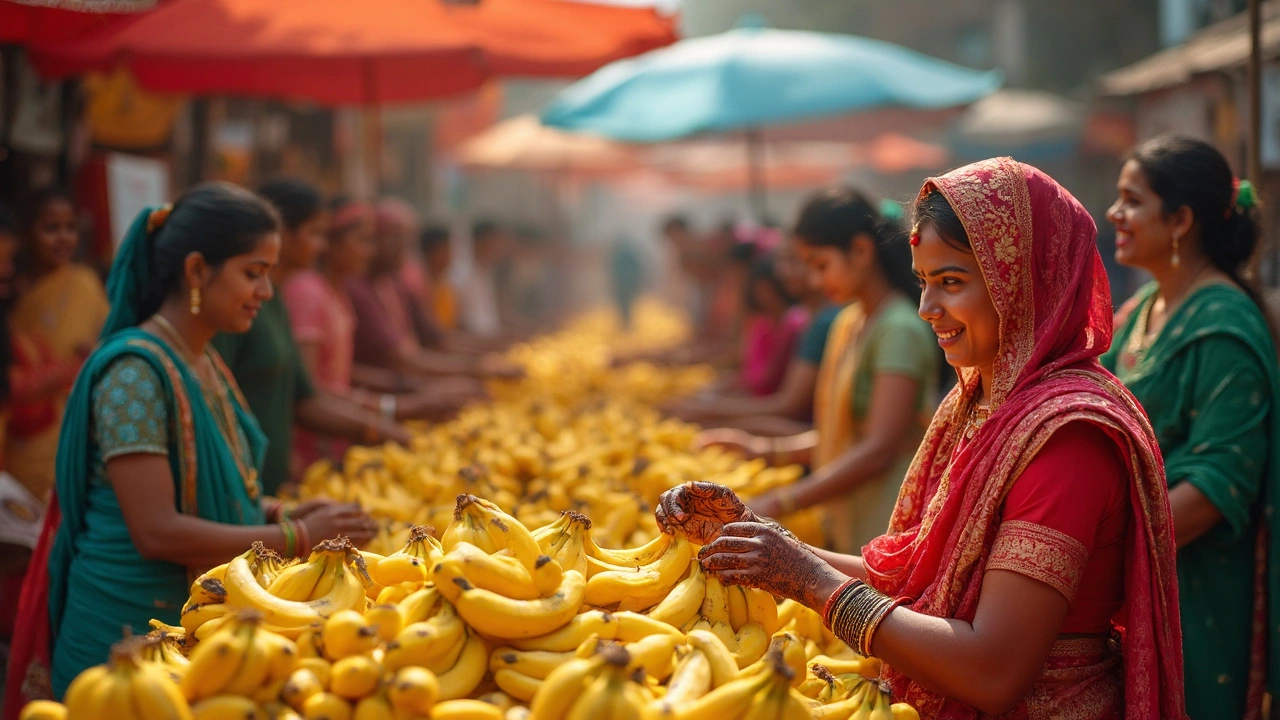
When you think of bananas, a tropical fruit that grows abundantly across India and is eaten daily by millions. Also known as plantains in some regions, this fruit isn’t just a snack—it’s woven into the rhythm of Indian life. You’ll find them in morning breakfasts, temple prasadam, roadside stalls, and even as offerings during festivals. Unlike in Western countries where bananas are mostly bought for their sweetness, in India they’re valued for their versatility, affordability, and cultural role.
Bananas in India aren’t just one type. There are over 100 varieties grown across the country, from the small, sweet Karpuravalli in Tamil Nadu to the starchy Nendran used for frying in Kerala. The Robusta variety dominates North India, while the Monthan banana is a favorite in Maharashtra for its texture and flavor. These aren’t just different tastes—they’re tied to local farming traditions, climate, and even religious rituals. In some villages, banana leaves are used as plates, and the fruit itself is offered to deities during pujas. You won’t find this kind of deep-rooted connection to bananas anywhere else.
What makes bananas so essential in India isn’t just their taste—it’s how they fit into daily survival. For millions of low-income families, a banana is a cheap, filling, and nutrient-rich meal. A single banana gives you potassium, fiber, and quick energy without costing more than a few rupees. In rural areas, banana plantations support entire communities. Even in cities, vendors sell them by the dozen outside metro stations, schools, and bus stops. And while tourists might think of bananas as a simple fruit, locals know them as a symbol of abundance, purity, and everyday resilience.
Behind every banana you see in India is a story—of farmers who harvest before sunrise, of women who wrap them in leaves to keep them fresh, of children who eat them on the way to school. The posts below explore how this humble fruit shows up in unexpected ways: from its role in budget travel meals to how it’s used in traditional medicine, festivals, and even as a natural remedy for digestion. You’ll read about how much a banana costs in different states, why it’s the go-to snack for trekkers in the Himalayas, and how it’s tied to local customs you won’t find in any guidebook. This isn’t just about fruit. It’s about how India eats, lives, and survives—with bananas right in the middle of it all.