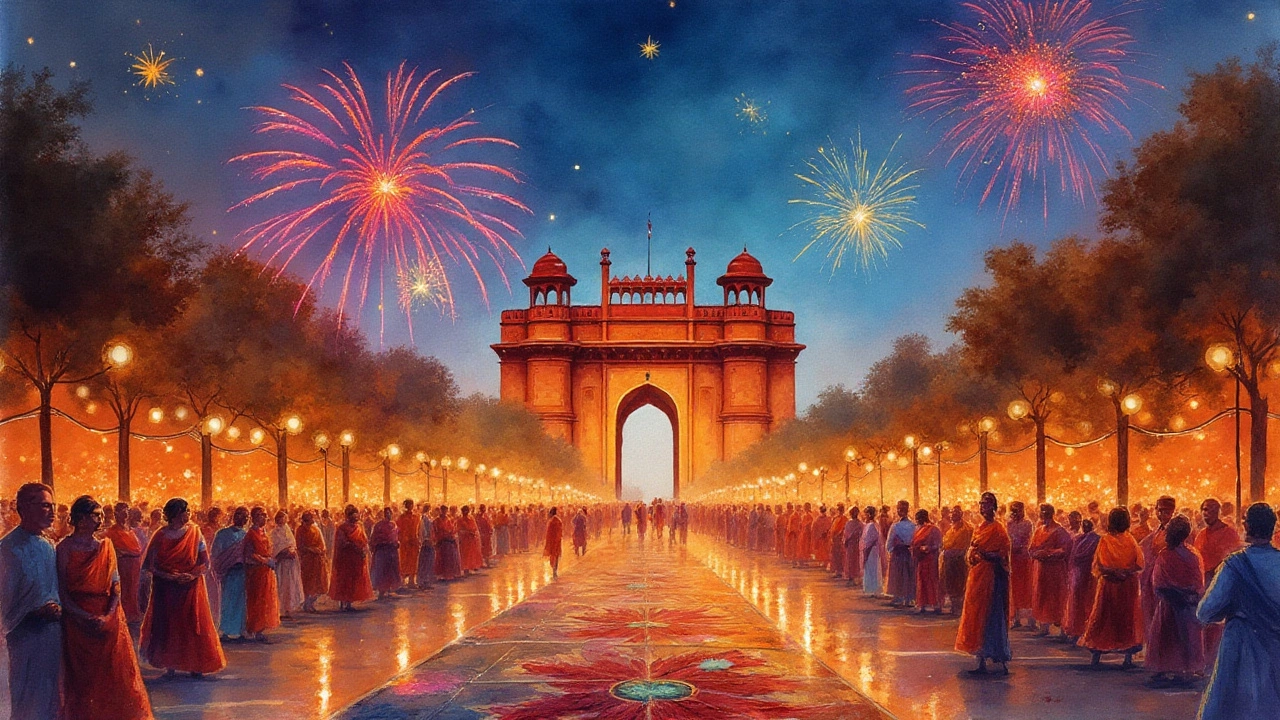
Best Time to Visit India: When to Go for Weather, Crowds, and Deals
When planning a trip to India, a country with extreme climate zones, ancient traditions, and wildly varying travel seasons. Also known as the Indian subcontinent, it’s not one destination—it’s dozens, each with its own ideal time to go. You can’t pick a single "best" month for the whole country. What’s perfect in Rajasthan might be deadly in Kerala, and what’s quiet in Delhi could be packed in Goa. The best time to visit India depends on where you’re going, what you want to do, and how much you’re willing to pay.
Most travelers aim for winter, the dry, cool season from October to March—especially November to February. That’s when the Himalayas are clear, the Golden Triangle feels comfortable, and beaches like Palolem in Goa stay peaceful. It’s also when luxury trains like the Palace on Wheels, a royal-era train journey across Rajasthan run at full capacity. But here’s the catch: this is peak season. Prices jump, hotels fill fast, and you’ll share temples with hundreds. If you want fewer people and lower rates, consider shoulder months like April or September. You’ll deal with heat or light rain, but you’ll also get local life without the tourist noise.
Monsoon season, from June to September, gets a bad rap—but it’s not all floods and delays. In places like Rishikesh or the Western Ghats, the rains turn landscapes emerald green and make temples feel sacred in a way dry weather never can. You’ll find deals on hotels, and locals are more relaxed. Just avoid coastal areas if you hate humidity, and skip high-altitude treks when trails turn slippery. And if you’re after quiet beaches, skip Goa’s party zones entirely—foreigners head to the quieter shores like Agonda or Colva when the crowds thin out.
Summer, from April to June, is brutal in North India—Delhi hits 45°C, and Jaipur feels like an oven. But if you’re heading to Ladakh or Sikkim, this is prime time. Roads open, skies stay clear, and you’ll have mountain trails almost to yourself. Meanwhile, South India stays relatively cooler, and places like Kerala offer indoor experiences—Ayurvedic retreats, spice markets, houseboat rides—perfect for escaping the heat.
There’s no universal rule, but there are smart patterns. If you want culture and history, go in winter. If you want solitude and savings, try the shoulder seasons. If you crave adventure in the mountains, summer is your window. And if you’re chasing beaches, aim for October to March—but skip the busiest weeks around Christmas and Diwali. The posts below break down exactly when to go for each region, what to pack, and how to avoid tourist traps that cost you time and money. You’ll find real stories from travelers who got it right—and those who didn’t.