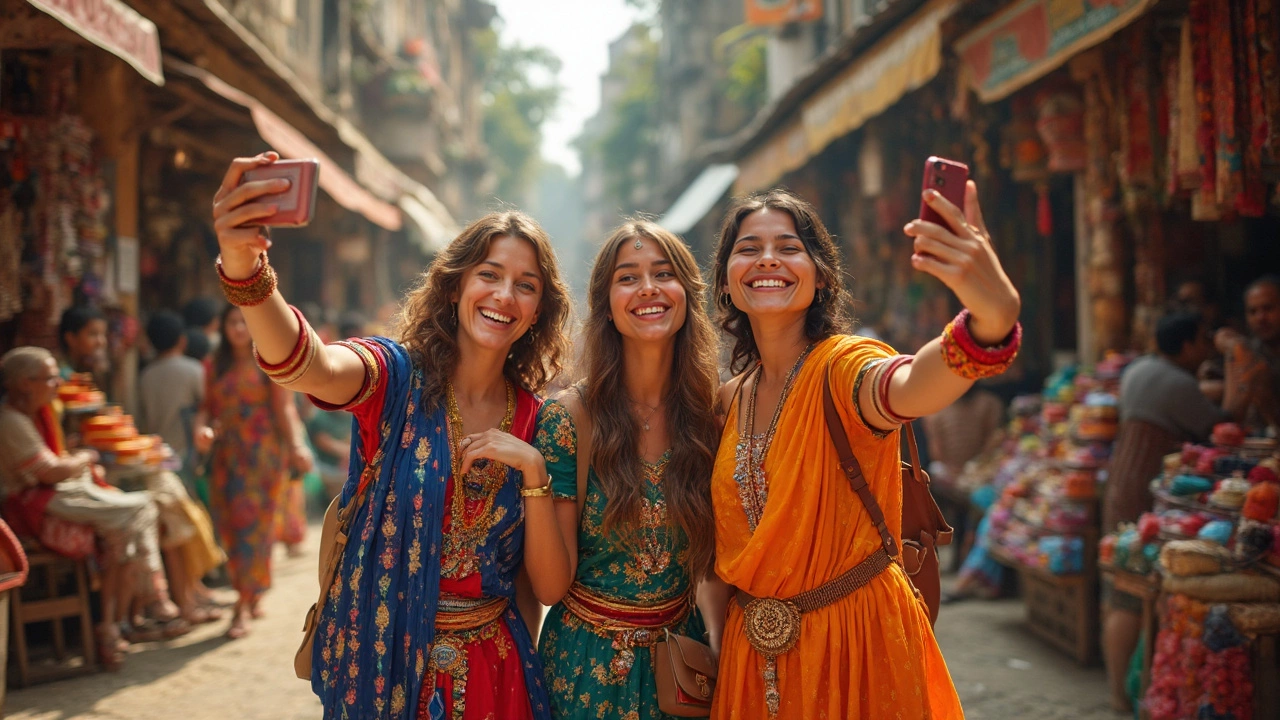
Cultural Exchange in India: Real Connections, Not Just Tourism
When we talk about cultural exchange, the genuine sharing of traditions, values, and daily life between visitors and local communities. Also known as meaningful travel, it’s what happens when you sit with a family in Varanasi eating dal-chawal, or learn to tie a sari from a grandmother in Rajasthan—not from a guidebook. This isn’t about checking off temples or snapping photos at festivals. It’s about being invited into someone’s rhythm—whether that’s helping stir a pot of masala in a Kerala home, joining a morning prayer in a small temple in Madurai, or riding a rickshaw while the driver tells you why his grandfather used to sell spices on the same street.
Indian traditions, the living practices passed down for generations, from Diwali rituals to monsoon harvest songs are the backbone of every real cultural exchange. You won’t find them in curated shows for tourists. You’ll find them in the quiet moments: a woman in Rishikesh offering you a cup of chai after yoga, a fisherman in Goa explaining why he doesn’t fish during certain moon phases, or a child in Jaipur teaching you how to play gilli-danda. These aren’t performances—they’re part of daily life, and they’re open to those who show up with respect, not just a camera.
Heritage sites, not just monuments, but living spaces where people still pray, work, and celebrate are where cultural exchange often begins. The Taj Mahal isn’t just marble—it’s where local guides tell you how their great-grandparents built the gardens. The forts of Rajasthan aren’t empty halls—they’re homes to families who still cook on hearths inside the same courtyards their ancestors did. And in places like Hampi or Khajuraho, you’ll meet elders who remember when these sites were just part of their backyard, not ticketed attractions.
Real cultural exchange doesn’t need fancy tours or five-star hotels. It needs your willingness to listen more than you speak, to eat what’s put in front of you, and to ask questions that start with "Why?" instead of "How much?" It’s what happens when you skip the group tour and let someone show you their version of India—maybe it’s a street vendor who teaches you how to pick the best mangoes, or a temple priest who lets you sit quietly after closing time because he sees you’re not just passing through.
What you’ll find in these posts isn’t a list of "must-do" cultural experiences. It’s the truth behind them. From why tears come to you in a temple to how the Palace on Wheels connects modern travelers to royal history, from why foreigners pick quiet beaches in Goa over the clubs, to how Mumbai’s "City of Dreams" identity is shaped by millions of quiet, daily acts of hope—each story is a thread in the larger fabric of cultural exchange. These aren’t travel tips. They’re invitations—to see India not as a destination, but as a conversation.