Currency Tips India: Save Money and Avoid Scams on Your Trip
When you're traveling in India, a country where cash still drives most daily transactions and prices vary wildly between cities. Also known as the Indian rupee, the INR is the only legal tender you’ll need for markets, rickshaws, and small hotels. Most travelers get caught off guard—not because the money is confusing, but because they don’t know how to use it wisely. You don’t need to be a finance expert. You just need to know where to swap cash, when to use cards, and which places will try to overcharge you with fake bills or bad rates.
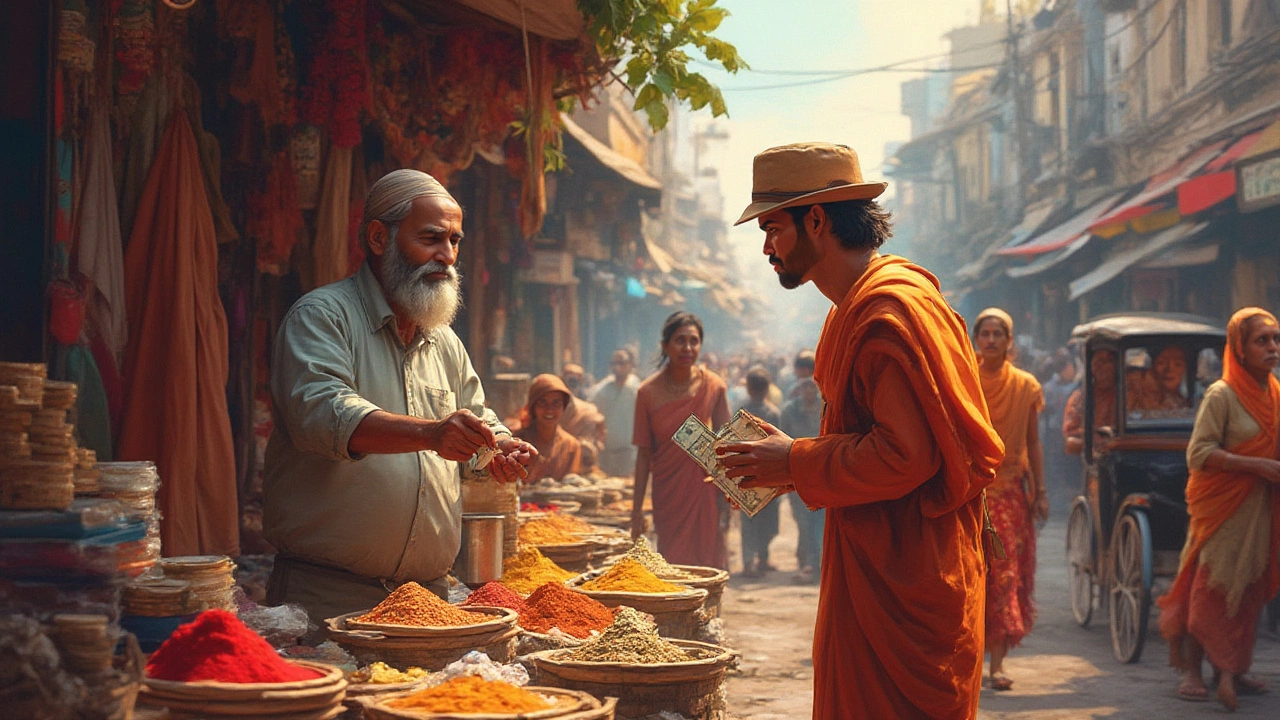
The Indian rupee, a currency with high denominations and low value compared to the dollar or euro can feel strange at first. A 500-rupee note buys you three meals and a local train ride, but a 2,000-rupee note looks like a fortune—and is often the target of counterfeiters. Always check the watermark and security thread. Vendors in tourist spots might try to slip you a bad note, so keep a small bill handy to test new cash before accepting it. ATMs are everywhere in cities like Delhi, Mumbai, and Jaipur, and they’re your safest bet for getting real rupees. Avoid street money changers, even if they offer "better rates." They’re often scams. Banks and airport kiosks are slower but reliable.
Many travelers think they need to carry tons of cash. You don’t. Most hotels, restaurants, and tour operators in major cities take cards. But in smaller towns, temples, or rural markets? Cash is king. Keep small bills—50s, 100s, 200s—for buses, chai, and temple donations. Big bills are hard to break. And never, ever flash cash in crowded places. Pickpockets know exactly what tourists carry. If you’re staying in Goa or Rishikesh, you’ll notice that many shops quote prices in rupees but accept dollars or euros anyway. That’s a red flag. Always ask for the local rate. If they say "no problem," they’re probably overcharging you by 20% or more.
What you spend in India depends on where you are. In Agra, 500 rupees can cover a full day of transport and snacks. In Mumbai, that same amount might just get you a decent lunch. The money exchange, the process of turning foreign currency into rupees matters more than you think. Don’t exchange everything at the airport. Rates there are terrible. Wait until you’re downtown and find a licensed bureau—look for the Reserve Bank of India sign. And always count your cash before you leave the counter. One mistake can cost you hundreds.
You’ll see a lot of talk about digital payments—UPI apps like PhonePe and Paytm are everywhere. But unless you have an Indian phone number and bank account, you won’t be able to use them. So stick with cash and cards. And always have a backup plan. Keep a little extra cash hidden in your shoe or bag. Just in case.
Below, you’ll find real stories from travelers who learned these lessons the hard way—how 500 rupees stretched further than they thought, why the Palace on Wheels doesn’t accept credit cards, and which beaches in Goa still demand cash. Whether you’re on a weekend trip or a month-long journey, these tips will keep your money safe, your transactions smooth, and your experience genuine.