Goa Travel: Best Beaches, Budget Tips, and What Foreigners Really Love
When people think of Goa travel, a coastal destination in western India known for its beaches, Portuguese heritage, and relaxed vibe. Also known as India’s party capital, it’s more than just loud clubs and neon lights—it’s a place where surfers, yogis, and retirees all find their rhythm. You don’t need to spend big to get the real Goa. Many travelers think it’s expensive because of the resorts in Baga or Anjuna, but head south and you’ll find quiet coves where a meal costs less than 200 rupees and a basic room runs under 1,000 rupees a night.
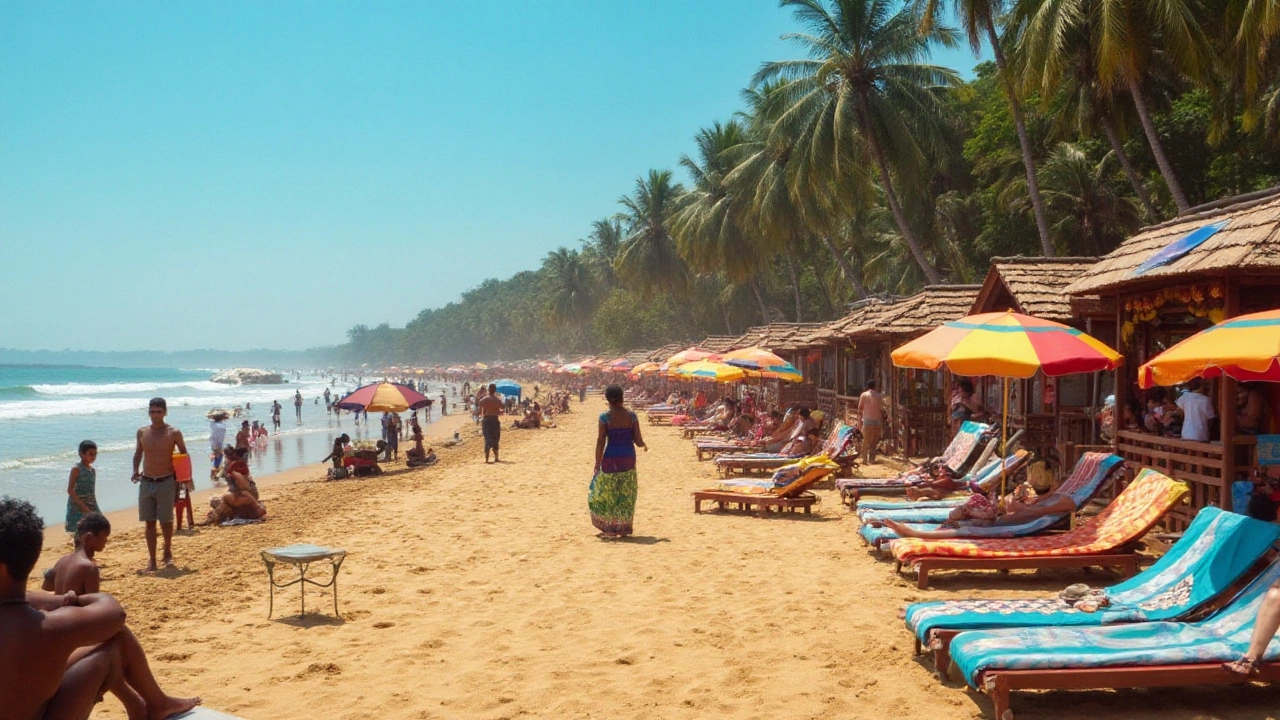
The Goa beaches, the main draw for over 90% of visitors, ranging from bustling shores to hidden coves. Also known as India’s most visited coastline, they’re not all the same. Foreigners from Europe, Australia, and North America don’t flock to the crowded strips—they go to Palolem, a crescent-shaped beach with calm waters, thatched shacks, and no loud music, or Agonda, a stretch of sand where you can walk for miles without seeing another person. Even Colva, often labeled "touristy," has quiet corners if you walk past the first few stalls. These spots aren’t on Instagram ads. They’re where people come back to every year. The real difference? You’ll find fewer drunk tourists and more people reading books, swimming, or just watching the sunset.
Goa travel isn’t just about sand and sea. It’s about the food—fresh seafood grilled on the beach, cashew feni in small family-run shops, and vegan thalis served by locals who’ve been cooking the same recipes for generations. It’s about the churches in Old Goa, the Portuguese arches, and the way the air smells like salt and incense at dusk. And it’s about the money. You can easily spend under $30 a day if you skip the fancy bars and eat where the locals do. A scooter rental? 300 rupees. A ferry to the islands? 150 rupees. A massage on the beach? 500 rupees. You don’t need luxury to feel like you’ve found something special.
What you won’t find in most travel blogs is how much of Goa is still untouched. The northern beaches get all the attention, but the south? That’s where the real Goa lives. You’ll meet backpackers who’ve been coming for 15 years. You’ll see grandmas selling coconut water from bamboo carts. You’ll hear Konkani songs playing from open windows. This isn’t a package tour. It’s a place that changes you if you let it.
Below, you’ll find real stories from travelers who’ve been there—not the polished ads, but the honest takes on where to sleep, what to avoid, and which beaches actually live up to the hype. Whether you’re on a tight budget, looking for peace, or just want to know where the foreigners really go, you’ll find what you need here.