Heritage Site of India: Where History Still Breathes
When you think of a heritage site of India, a place where centuries of culture, faith, and power are carved into stone, wood, and tradition. Also known as historical landmark, it’s not just a tourist stop—it’s where India’s identity is still alive in the echo of temple bells, the rustle of silk in palace corridors, and the smell of incense drifting through Mughal arches. These aren’t dusty relics locked behind ropes. They’re places where people still pray, dance, cook, and live just as their ancestors did.
Take the Golden Triangle India, the classic trio of Delhi, Agra, and Jaipur that connects three empires in one seamless journey. It’s not just a travel route—it’s a timeline. In Delhi, you walk past Mughal tombs and British colonial buildings side by side. In Agra, the Taj Mahal doesn’t just stand there—it tells a story of love that outlasted empires. And in Jaipur, the pink walls of the City Palace still hold royal family heirlooms, not just postcards. Then there’s the Palace on Wheels, a luxury train that rolls through Rajasthan like a moving palace, offering access to heritage sites most tourists only see from afar. It’s not just a ride—it’s a way to experience these sites the way royalty once did, with servants, silver service, and private access to hidden courtyards.
And don’t forget the quiet heroes: the heritage homes, century-old mansions in Mumbai, Udaipur, and Lucknow where India’s richest still live—not in glass towers, but in courtyards with frescoes and hand-carved jharokhas. These aren’t museums. They’re homes. Families still wake up in rooms where kings once slept. Grandmothers still serve chai on the same teak tables their great-grandparents used. These places survive because people still live in them—not because they were restored for photos.
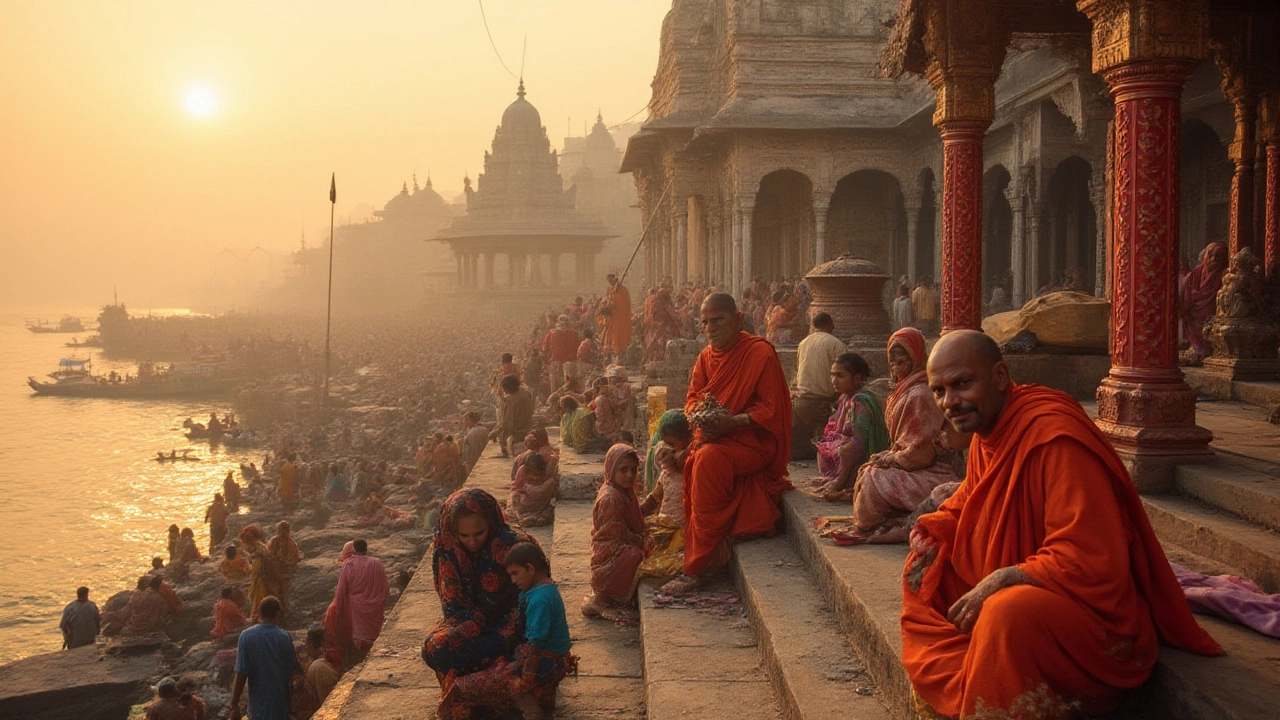
What makes a heritage site in India different from others? It’s not just age. It’s continuity. A temple in Varanasi doesn’t just survive—it thrives because thousands still come to bathe in the Ganges at dawn. A fort in Jodhpur isn’t empty—it’s full of musicians playing folk songs in its courtyards. Even the smallest village shrine carries centuries of rituals passed down without a single guidebook.
What you’ll find below isn’t a list of postcards. It’s a collection of real stories—why people cry in temples, how budget travelers squeeze the Golden Triangle into two days, why foreigners skip Goa’s party beaches for quiet shores near heritage ruins, and how a luxury train became the most talked-about way to see India’s past. These aren’t travel tips. They’re glimpses into how India’s heritage still shapes everyday life.