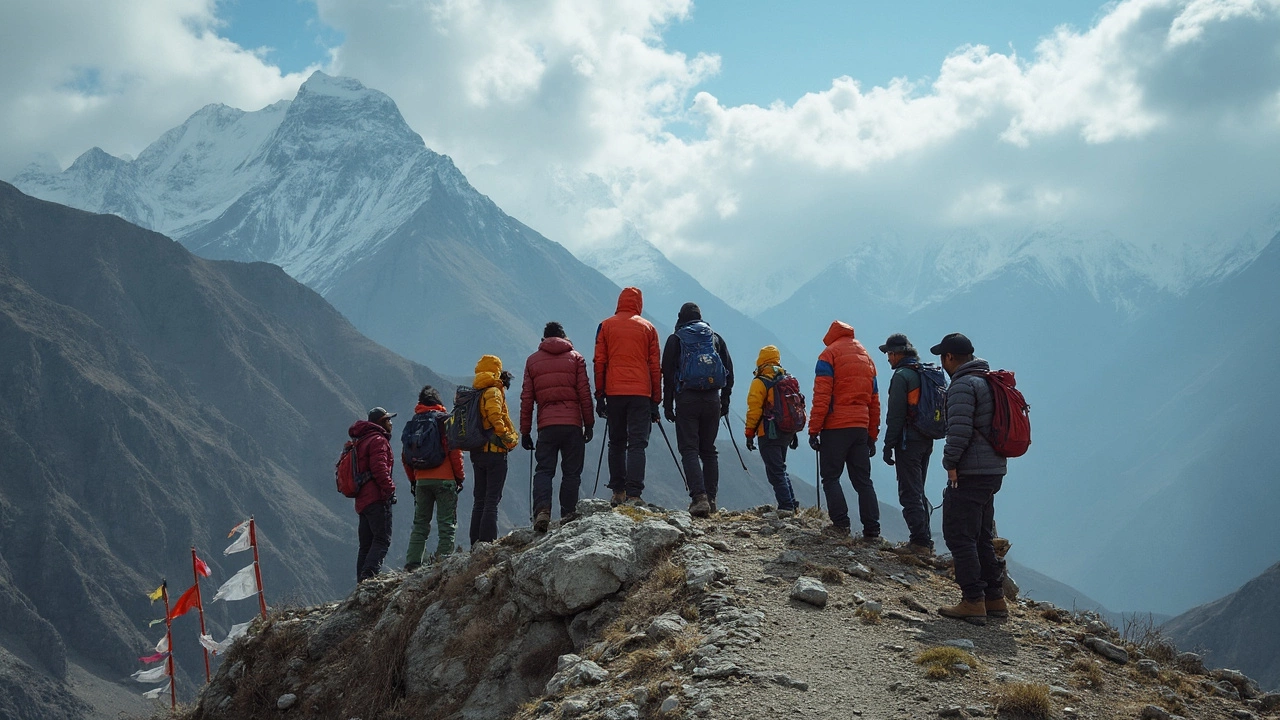
High Altitude Trekking in India
When you think of high altitude trekking, a demanding form of outdoor adventure that takes you above 3,000 meters into thin air and rugged terrain. Also known as mountain trekking, it’s not just about walking—it’s about surviving, adapting, and connecting with places few ever see. In India, this isn’t just a hobby. It’s a tradition. For centuries, traders, pilgrims, and herders have moved through these peaks, and today, you can follow their paths—on trails that climb past prayer flags, glacial rivers, and villages where life hasn’t changed in generations.
High altitude trekking in India mostly happens in the Himalayas, the world’s youngest and tallest mountain range, stretching across northern India. Also known as the Roof of the World, this region includes Ladakh, a cold desert where trekkers cross passes over 5,000 meters and sleep under stars so bright they feel close enough to touch, and Himachal Pradesh, home to trails like the Hampta Pass and Beas Kund, where wildflowers bloom beside snowfields. You won’t find crowded paths here. These routes demand respect. Altitude sickness is real. Temperatures drop below freezing at night. But the reward? Quiet valleys, monks chanting in distant monasteries, and views that make you forget your own name.
What makes India’s high altitude treks different from others? It’s the culture. You don’t just hike—you pass through villages where children wave with red cheeks, where tea is served in clay cups, and where every step feels like part of a story older than any map. You’ll find trekkers from all over the world here, but the real guides? They’re the locals who’ve carried supplies for decades, who know which streams are safe to drink from, and who’ll tell you to slow down—not because you’re weak, but because the mountains don’t rush.
Some of the most popular treks—like the Markha Valley, Roopkund, and Kuari Pass—are covered in the posts below. You’ll find real advice on gear, acclimatization, and how to avoid the common mistakes that turn a dream trip into a nightmare. Whether you’re planning your first high altitude trek or you’ve done three already, you’ll find something here that helps you go further, safer, and with more meaning.