Indian beauty standards: What really matters in culture, skin, and style
When people talk about Indian beauty standards, the cultural ideals of attractiveness shaped by centuries of tradition, regional diversity, and modern media. Also known as Indian aesthetic norms, it's not just about fair skin or big eyes—it's about how grace, confidence, and community values shape what’s seen as beautiful. You’ll hear it everywhere: from Bollywood posters to wedding ads to family advice. But if you’ve ever traveled across India, you know the truth is far more complex.
Take skin tone, a deeply personal and often politicized aspect of beauty in India, tied to caste, class, and colonial history. For decades, fair skin was pushed as the ideal—thanks to ads, movies, and social pressure. But today, more people are rejecting that myth. In Kerala, women wear traditional gold jewelry that highlights their natural skin tone. In Rajasthan, brides are adorned in heavy red and gold, where richness matters more than lightness. And in the Northeast, natural curls and darker complexions are celebrated without apology. Beauty here isn’t uniform—it’s rooted in local identity.
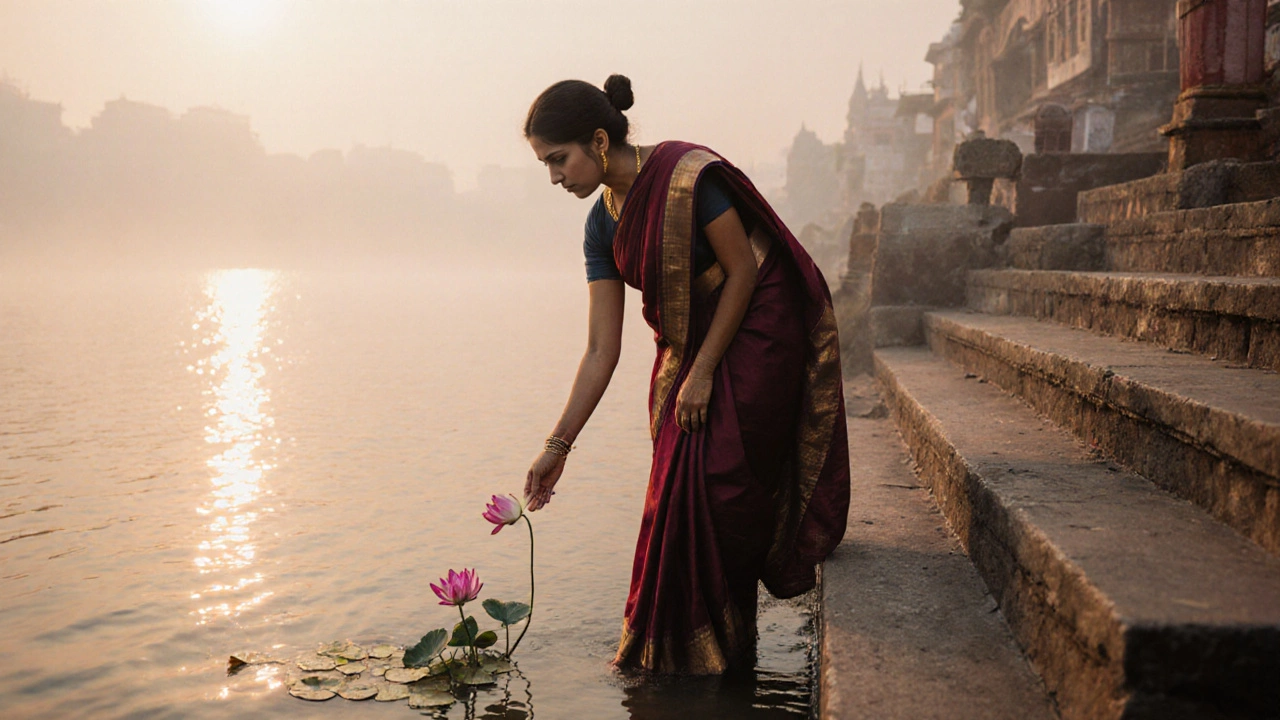
Traditional Indian aesthetics, the timeless visual language of adornment, from bindis and jhumkas to henna and silk saris tells another story. It’s not about looking like a model from a magazine. It’s about wearing your culture with pride. A woman in Varanasi might wear a Banarasi silk sari with a simple gold chain, not because it’s trendy, but because her grandmother did the same. In Pondicherry, a young artist might pair a cotton kurta with bold tattoos—blending old and new in a way that feels authentic. This isn’t fashion. It’s heritage.
And then there’s the quiet confidence that defines real beauty in India. It’s in the way a grandmother hums a lullaby while braiding her granddaughter’s hair. It’s in the way a street vendor in Delhi smiles after serving tea to five customers—no makeup, no filter, just presence. Beauty here isn’t something you buy. It’s something you live.
You won’t find these truths in glossy magazines. But you’ll find them in the posts below—real stories from travelers who noticed how women in Rishikesh wear their hair after yoga, how brides in Goa choose their jewelry, how young Indians are redefining beauty on their own terms. These aren’t idealized images. They’re real moments. And they’re what make Indian beauty standards something deeper than a trend.