Indian Heritage Cities: Explore India's Living History
When you think of Indian heritage cities, urban centers in India that preserve centuries-old architecture, traditions, and royal legacies. Also known as historical cities of India, they’re not museums—they’re alive with markets, rituals, and families who’ve lived there for generations. These aren’t just places you visit. They’re places that shaped how millions eat, pray, dress, and celebrate.
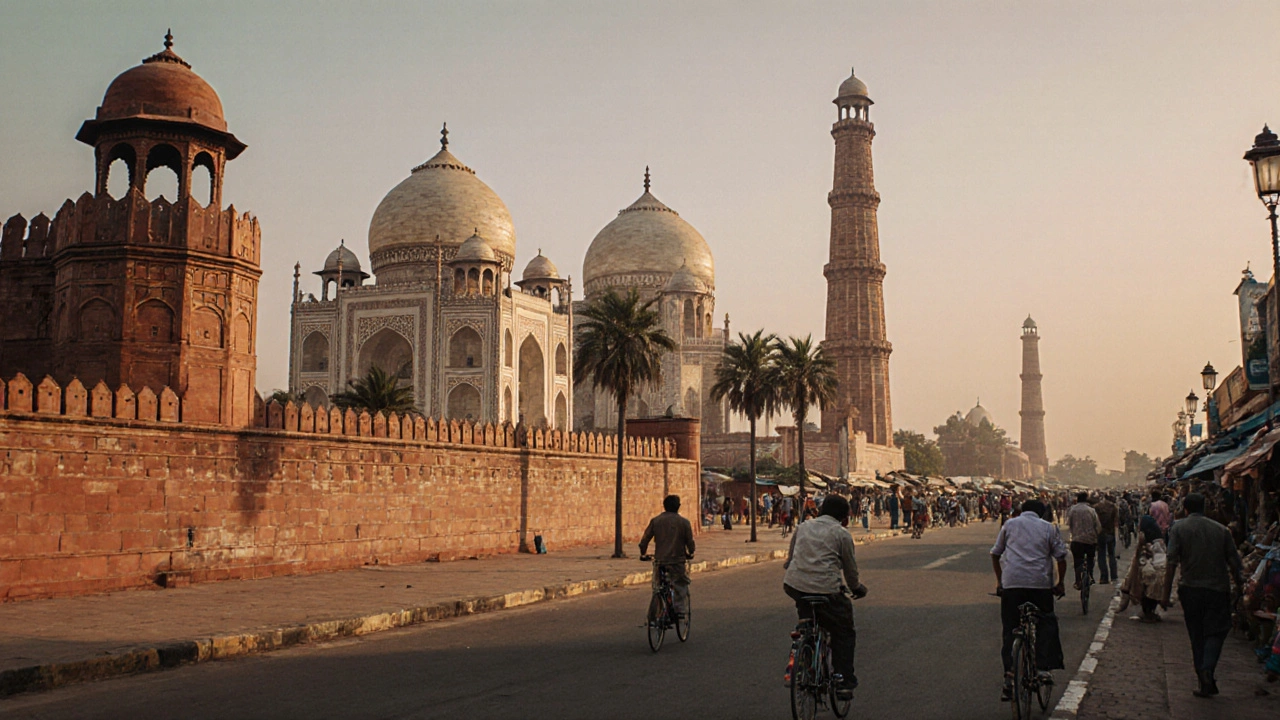
Take the Golden Triangle, the classic circuit of Delhi, Agra, and Jaipur that connects India’s most iconic heritage sites. It’s where the Taj Mahal stands in Agra, the Amber Fort rises in Jaipur, and Delhi’s Red Fort still echoes with Mughal court life. But heritage in India doesn’t stop there. It’s in the narrow alleys of Varanasi where chants rise before dawn, in the stepwells of Gujarat that once fed entire towns, and in the palace hotels of Rajasthan that still use the same marble carvings from 1700.
Some of India’s richest families still live in these heritage homes—not as tourists, but as heirs. You’ll find them in Mumbai’s Art Deco buildings, in the havelis of Jaisalmer, and in the colonial bungalows of Kolkata. These aren’t just houses. They’re family archives, where furniture, paintings, and even kitchen recipes have been passed down for generations. The Palace on Wheels, a luxury train that travels through Rajasthan’s heritage cities, offering stays in restored royal palaces lets you sleep where kings once walked, but the real magic is in the people who still tend the gardens, cook the old recipes, and sing the same folk songs.
Indian heritage cities don’t ask you to admire from afar. They invite you to walk the same stones, taste the same spices, and hear the same stories told by temple priests, street vendors, and grandmothers who remember when the city had no cars. This is cultural tourism not as a package deal, but as a quiet, daily rhythm. You’ll find this truth in the posts below—from why the Golden Triangle still works for first-time visitors, to how a single 500-rupee note can buy you a full day in a heritage town, to why the most beautiful moments in India happen not on Instagram, but in the quiet corners of a 300-year-old courtyard.