Madurai ancient: India’s Living Temple City
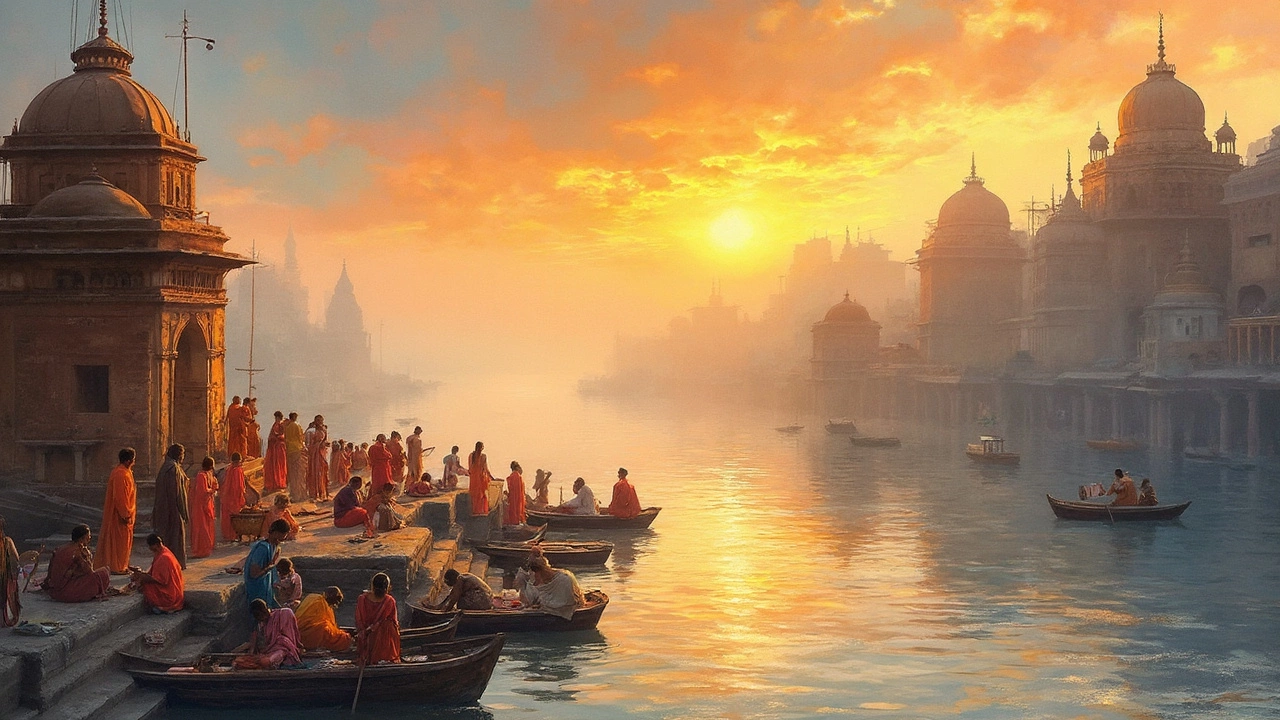
When you think of Madurai ancient, one of India’s oldest continuously inhabited cities, rooted in Sangam literature and home to the Meenakshi Temple. Also known as the Athens of the East, it’s not a relic behind glass—it’s a city where daily life still revolves around 2,500-year-old rituals, street vendors selling temple sweets, and the echo of temple bells at dawn. This isn’t just history you visit. It’s history you breathe.
The Meenakshi Temple, a sprawling complex of 14 towers, 33,000 sculptures, and a sacred pond that’s been used for rituals since the 6th century BCE is the heart of Madurai ancient. Pilgrims don’t just come to pray—they come to touch the stone, hear the chants, and walk the same corridors as kings and poets from millennia ago. Around it, the city unfolds in concentric circles, just like ancient texts describe. The streets follow the temple’s geometry, the markets still sell the same spices mentioned in Tamil poetry, and the annual Chithirai festival brings back the divine wedding of Meenakshi and Sundareswarar exactly as it was recorded centuries ago.
Dravidian architecture, the distinct style of temple building found in South India, characterized by towering gopurams, carved pillars, and intricate mythological scenes doesn’t just live in Madurai ancient—it defines it. Unlike the marble palaces of the north, Madurai’s temples rise in layers of limestone and stucco, painted in bold colors that haven’t faded because they’re constantly repainted by hand. You won’t find empty halls here. You’ll find women offering flowers, priests chanting in Sanskrit and Tamil, and children running through courtyards that have seen generations come and go.
What makes Madurai ancient different from other ancient sites in India? It never stopped being alive. While places like Mohenjo-Daro are ruins, Madurai still has markets, schools, and homes built around its temples. You can eat dosa near the same spot where a queen once walked. You can hear the same folk songs sung by grandmothers who learned them from their mothers. This isn’t curated for tourists. It’s lived.
And it’s not just about the temple. Walk a few blocks and you’ll find the Thirumalai Nayakkar Palace, a 17th-century marvel of Indo-Saracenic design. Or visit the Gandhi Museum, where the blood-stained cloth of Mahatma Gandhi is kept—not as a monument, but as a reminder of a moment that changed the world. Madurai ancient holds layers: ancient, medieval, colonial, modern—all stacked, not replaced.
What you’ll find below are real stories from people who’ve walked these streets—why the temple’s golden lotus tank glows at sunset, how locals still use the same water source for bathing and ritual, why the city’s streets smell like jasmine and incense even in the rain. These aren’t generic travel tips. They’re glimpses into a city that hasn’t just survived time—it’s shaped it.