North India Tourism: Best Destinations, Culture, and Travel Tips
When you think of North India tourism, the vibrant, historic region stretching from the Himalayas to the Thar Desert, known for its Mughal architecture, spiritual sites, and royal heritage. Also known as Northern India, it’s where India’s most iconic landmarks come alive—not as museum pieces, but as living, breathing parts of daily life. This isn’t just a list of places to check off. It’s a journey through empires, temples, and traditions that still shape how millions live today.
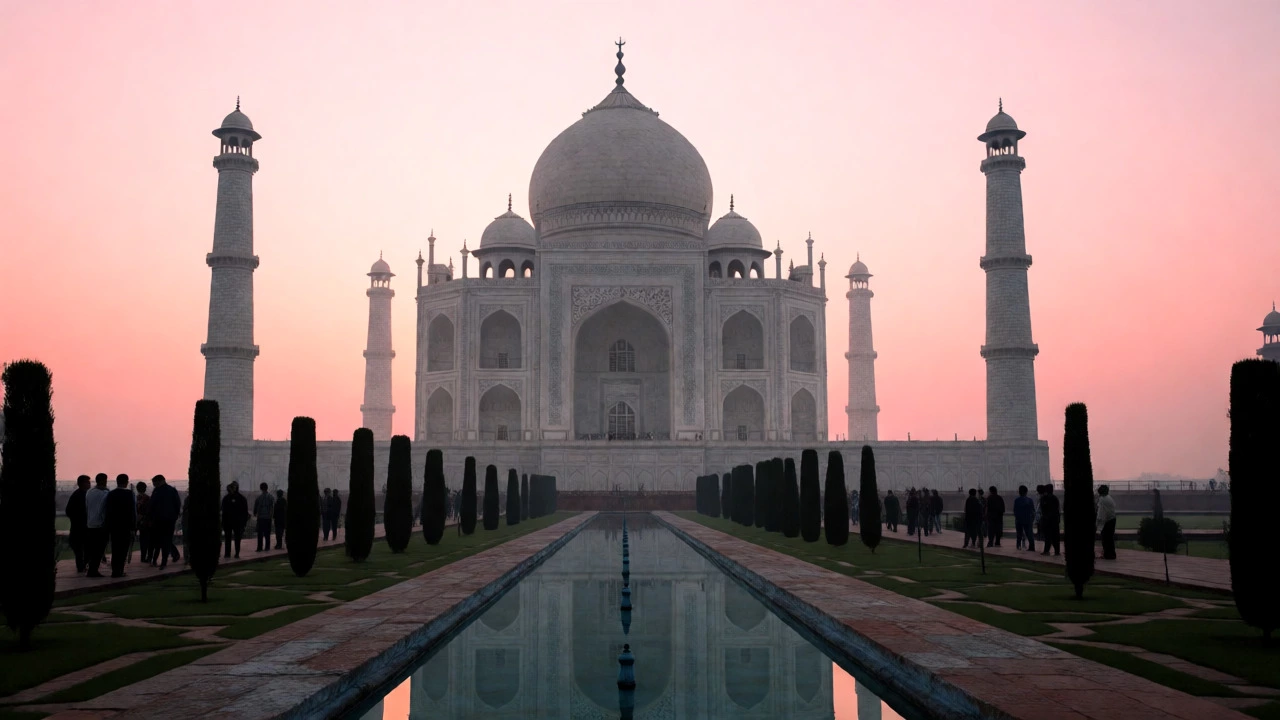
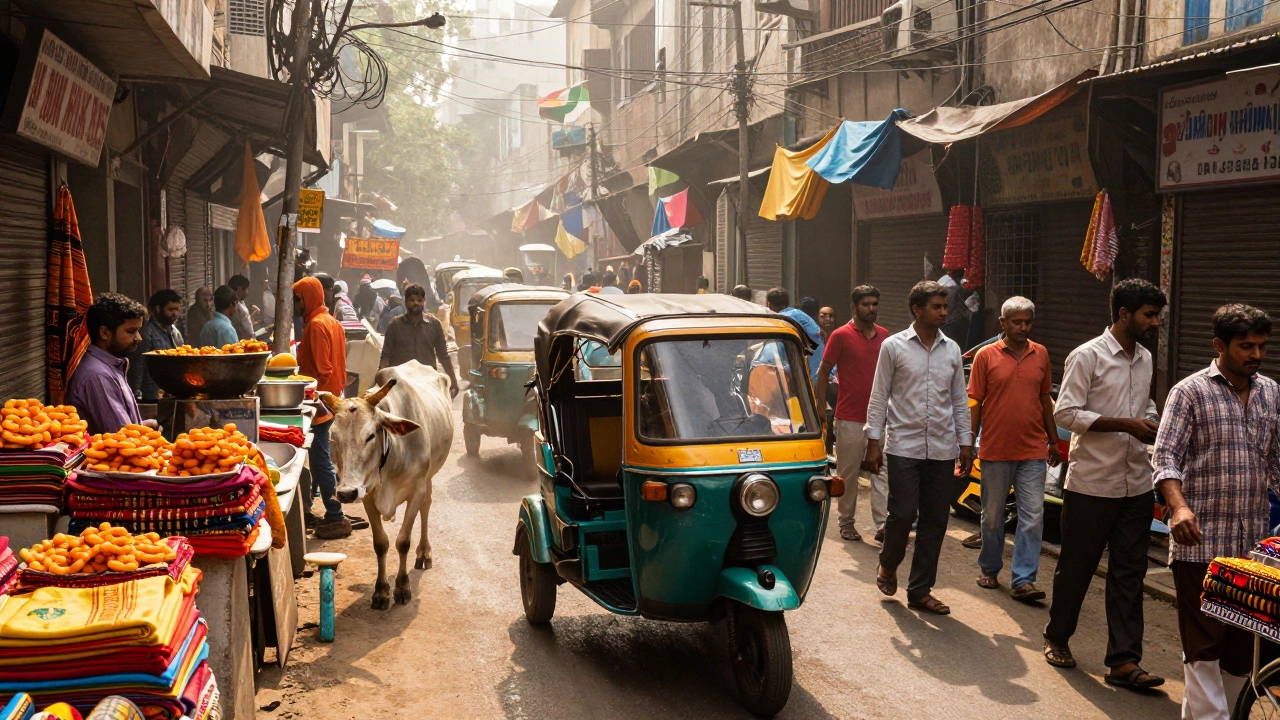
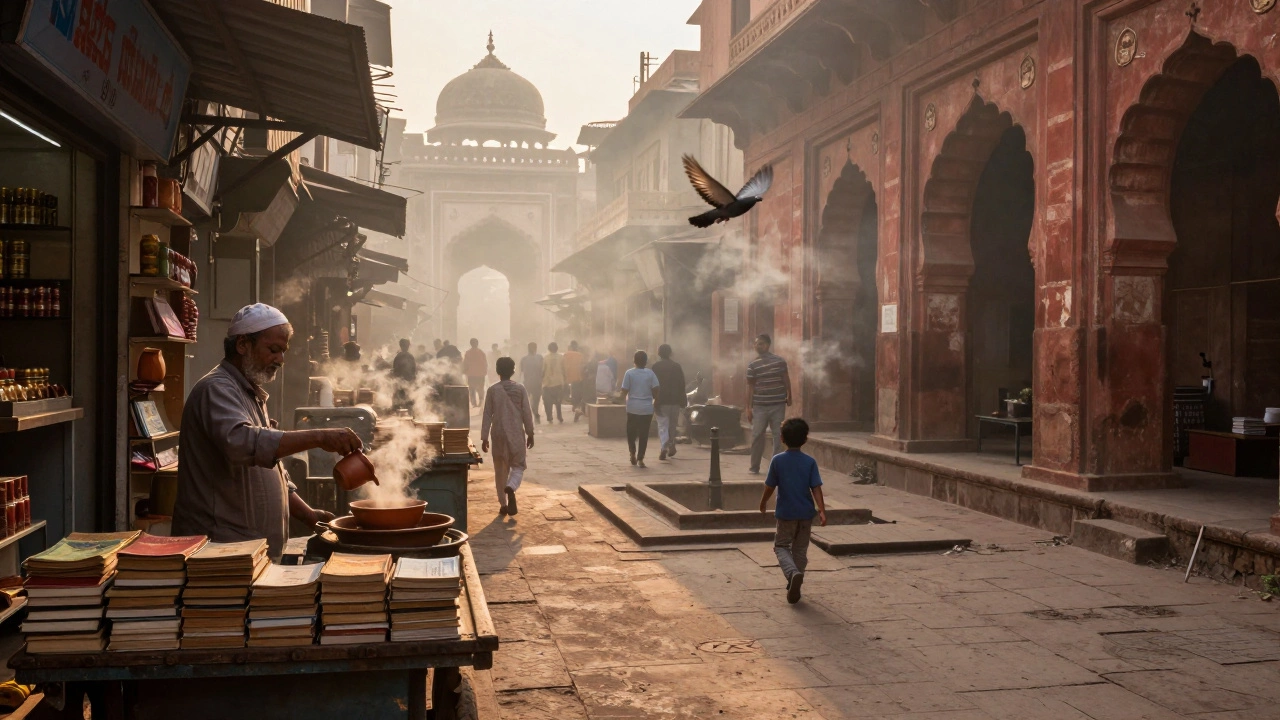
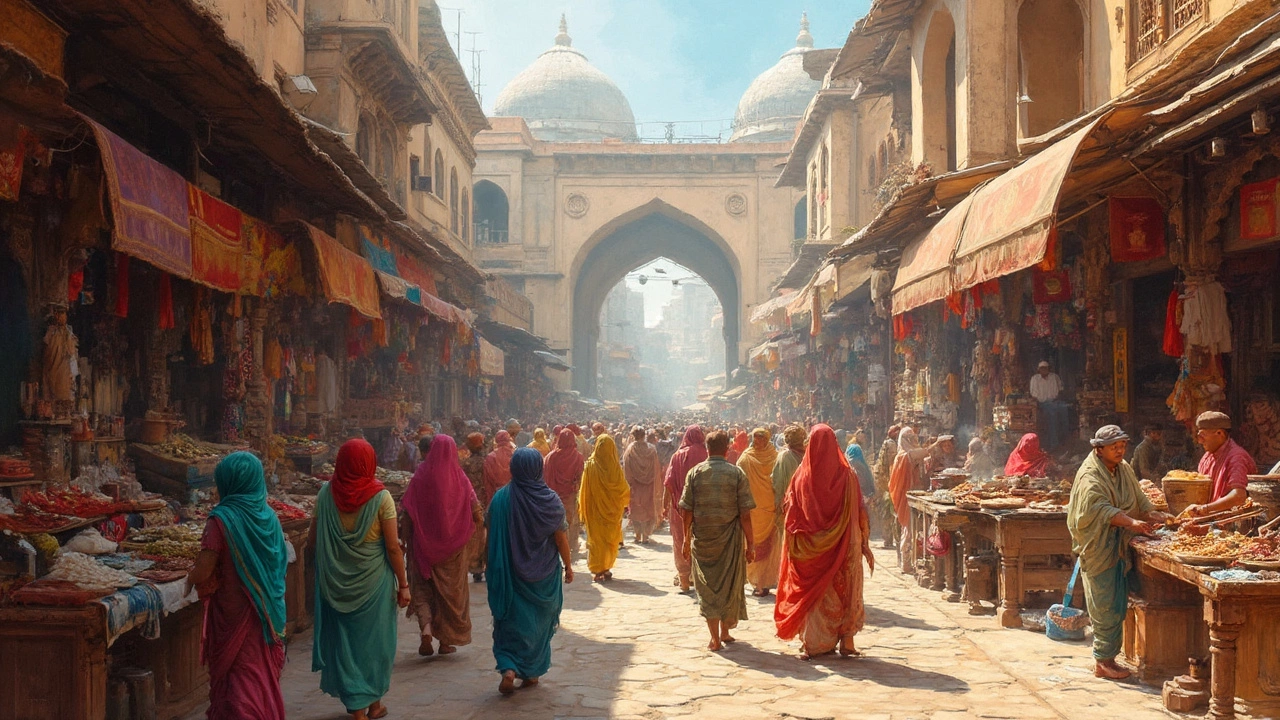
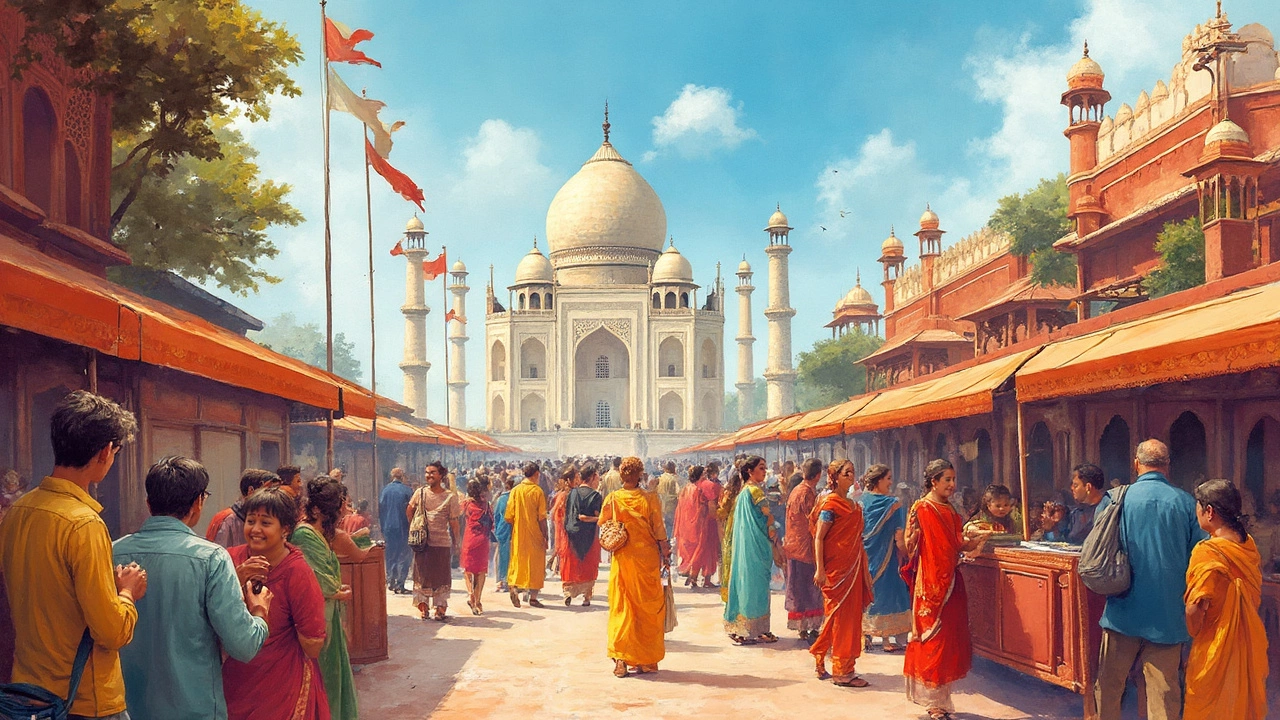
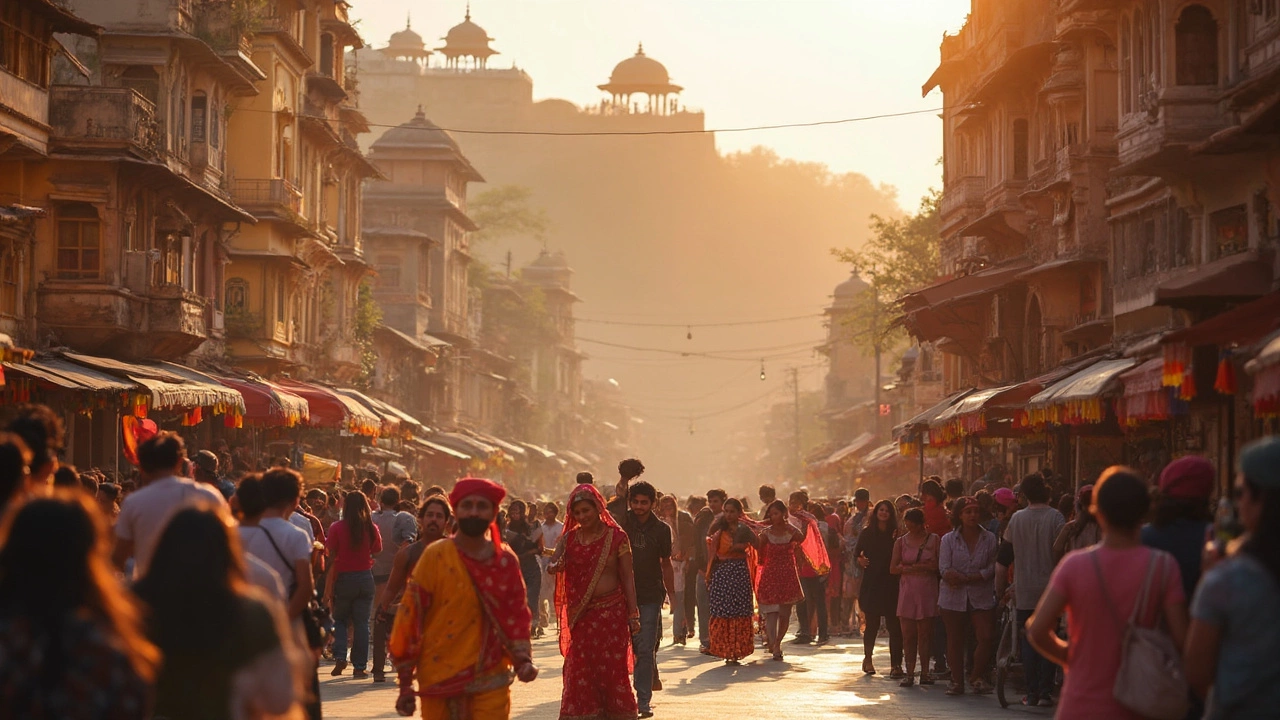
At the heart of North India tourism is the Golden Triangle, the classic circuit linking Delhi, Agra, and Jaipur, forming the most popular route for first-time visitors to India. Also known as India’s cultural triangle, it’s where you’ll see the Taj Mahal at sunrise, walk through pink-walled palaces in Jaipur, and get lost in the chaos of Delhi’s street markets. But it’s not just about sightseeing. The real magic happens in the quiet corners: the chai seller near Fatehpur Sikri, the temple priest chanting at dawn in Varanasi, the family running a centuries-old textile shop in Jaipur. These aren’t staged performances—they’re daily rituals. And if you want to experience North India in luxury, the Palace on Wheels, a royal train that travels through Rajasthan’s heritage cities, offering private suites, gourmet meals, and guided tours to hidden palaces. Also known as India’s floating palace, it’s not just a train ride—it’s a time machine back to the era of maharajas. Then there’s Rishikesh, the yoga and adventure capital of India, where the Ganges flows past ashrams, suspension bridges, and rafting rapids. Also known as India’s hippie hub, it draws seekers from all over the world—not because it’s easy, but because it’s real.
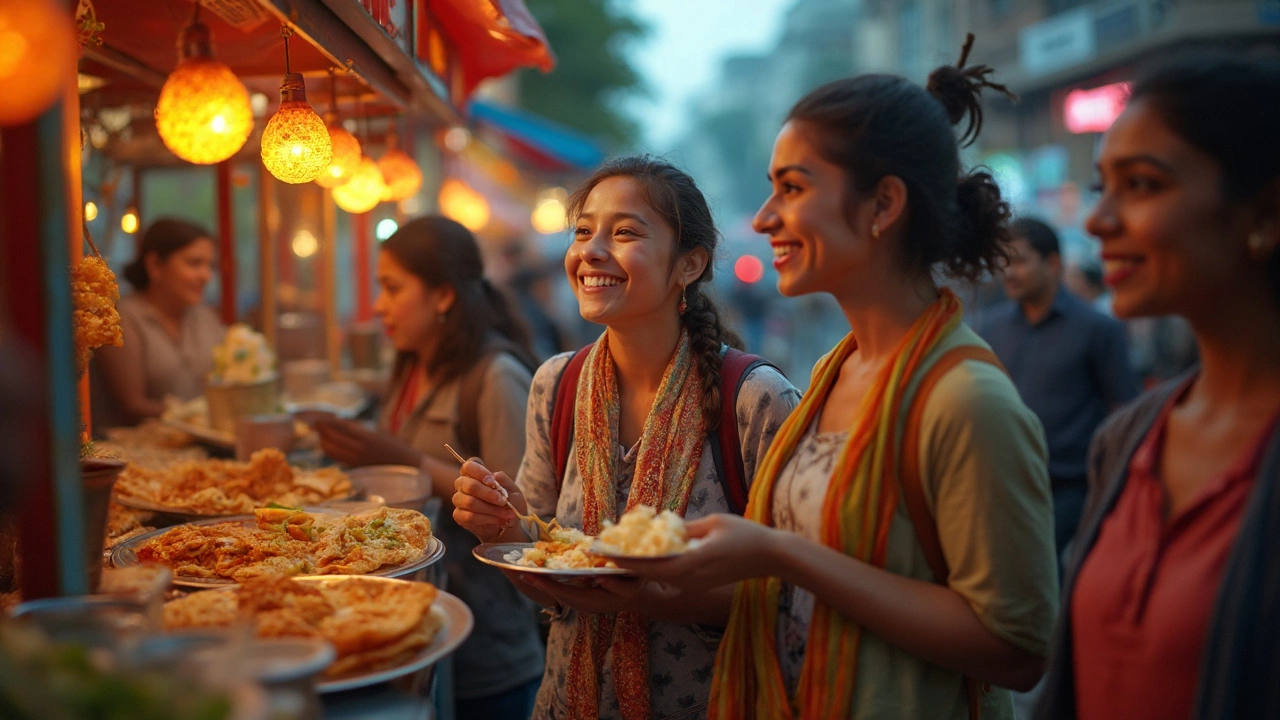
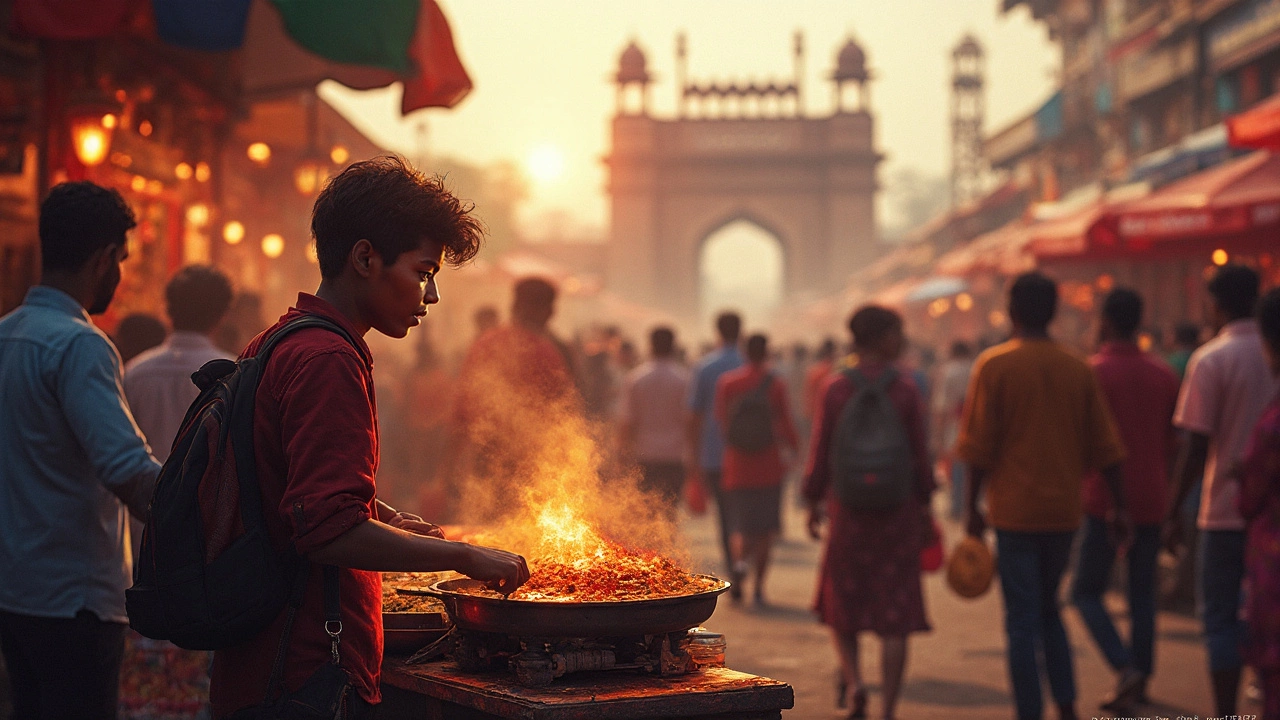
North India tourism isn’t one-size-fits-all. You can spend a weekend in Agra and still feel like you’ve touched history. You can skip the crowds in Jaipur and find peace in a small village outside Udaipur. You can eat street food for 50 rupees or book a night in a restored haveli for 5,000. What ties it all together? The people. The warmth. The way a stranger will stop to help you find a temple, even if you don’t speak the same language. The posts below give you real advice—how to pack smart, how to avoid tourist traps, how to stretch your rupees, and why some of the most powerful moments happen when you’re not looking at a guidebook. You’ll find tips on budget trips, luxury trains, what not to bring, and why Rishikesh isn’t just for yogis. This isn’t a brochure. It’s a guide from people who’ve been there, done it, and learned the hard way.