Prehistoric Temples in India: Ancient Sites, Sacred Secrets, and Why They Still Matter
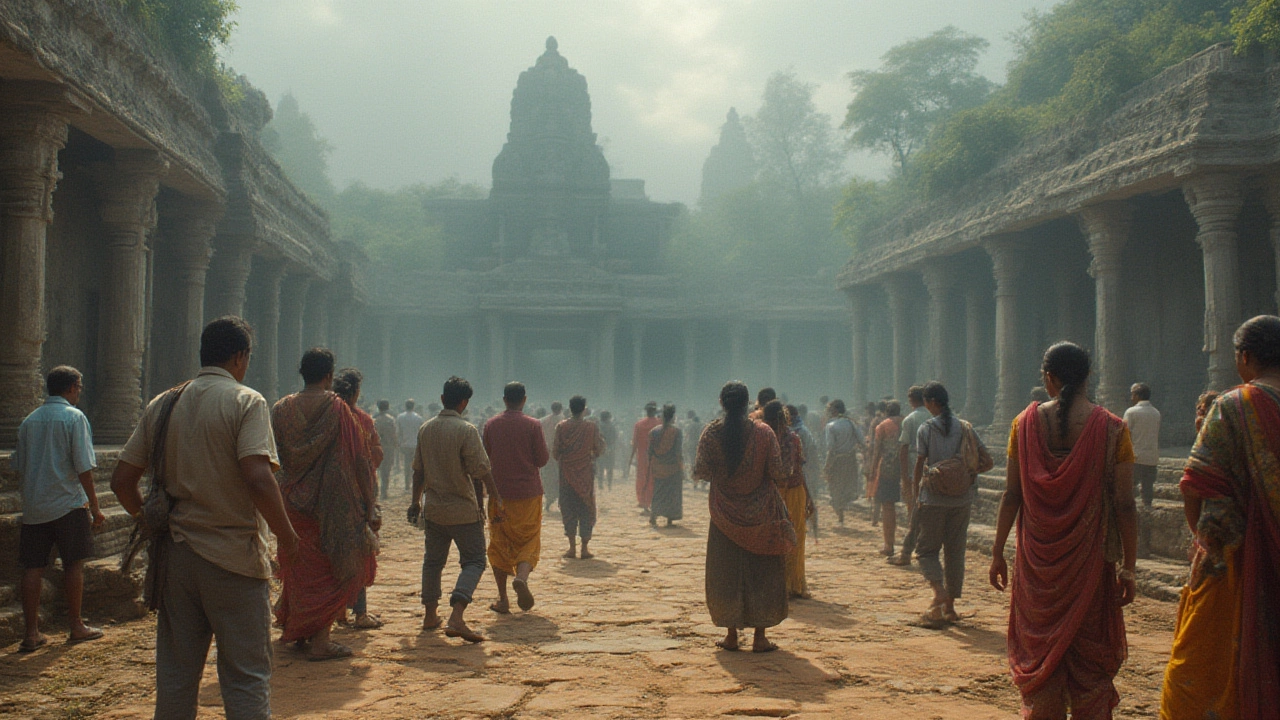
When we think of ancient temples in India, we picture grand stone carvings from the Gupta or Chola dynasties. But long before those, prehistoric temples, early stone structures built by Neolithic and megalithic communities for ritual and worship. Also known as megalithic shrines, these sites were places where people first tried to connect with forces beyond their understanding—before written records, before kings, before the Vedas. These aren’t ruins you’ll find on a typical Golden Triangle tour. They’re hidden in the forests of Maharashtra, the hills of Karnataka, and the remote plateaus of Telangana, built with massive stones stacked without mortar, aligned with stars or solstices, and used for ceremonies that have faded from memory.
These megalithic sites, large stone arrangements used for burial, ritual, or astronomical observation in prehistoric India aren’t just old—they’re smart. Some have openings that let sunlight hit a central stone on the summer solstice. Others are grouped in circles or lines that match constellations visible 5,000 years ago. People didn’t build them for tourism. They built them because they believed something sacred lived in those stones. And in places like Hire Benakal or Brahmagiri, you can still feel it—the silence, the weight of time, the echo of chants no one remembers anymore. These sites relate directly to Indian heritage sites, locations of cultural, spiritual, or historical significance that predate major empires, but they’re often ignored because they don’t have inscriptions or gold idols. Yet they’re the real roots of India’s spiritual landscape.
What you’ll find in the posts below aren’t glossy brochures or tourist traps. These are real stories from people who’ve hiked to forgotten hilltops, talked to local elders who still guard oral histories, and stood in silence before stones older than the pyramids. You’ll learn why some of these sites are still used for small rituals today, how archaeologists are uncovering new ones every year, and why visiting them isn’t about taking photos—it’s about respecting what’s left of a world that thought differently about gods, earth, and time. This isn’t history you read in a textbook. This is history you feel in your bones.