Public Transport in South India: Buses, Trains, and How to Get Around
When you think of public transport in South India, the affordable, high-frequency network of buses, trains, and ferries that moves millions across Kerala, Tamil Nadu, Karnataka, and Andhra Pradesh. It’s not glamorous, but it’s reliable—and it’s how locals live. Forget renting a car. Most travelers who want to see real South India skip the rental agencies and hop on the same buses and trains everyone else uses. You’ll save money, avoid traffic, and get a front-row seat to daily life.
South India buses, state-run services like KSRTC in Karnataka, KSRTC in Kerala, and TNSTC in Tamil Nadu. Also known as government transport corporations, they connect cities, towns, and even remote temples with air-conditioned coaches, sleeper options, and non-stop routes. A 6-hour ride from Mysore to Coimbatore costs less than $5. You’ll see farmers with sacks of spices, students with backpacks, and families traveling for festivals—all crammed in, but moving fast. These aren’t tourist shuttles. They’re lifelines. And they run early, late, and often—even in the monsoon.
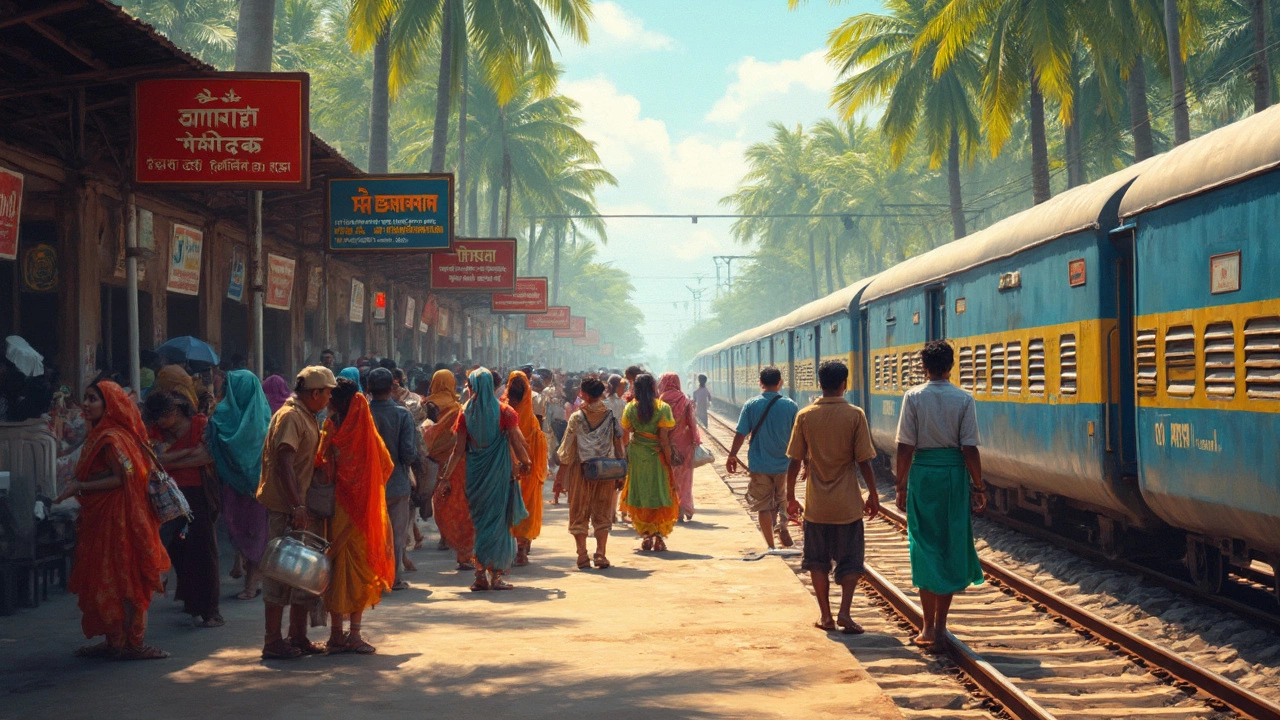
South India trains, a dense network of regional and long-distance lines that link major hubs like Chennai, Bangalore, Hyderabad, and Kochi. Also known as Indian Railways in the south, they’re the backbone of cross-state travel. The Golden Chariot is luxury, but the daily Express trains are where the real magic happens. A sleeper berth from Trivandrum to Madurai runs under $10. You’ll get tea from vendors at platforms, hear local songs over the speakers, and watch rice fields roll by as the sun sets. No other way to see the countryside this cheap. And don’t overlook the narrow-gauge heritage lines like the Nilgiri Mountain Railway—still running steam engines since 1908.
South India’s public transport isn’t just about getting from A to B. It’s about how you experience the place. You’ll taste snacks sold at bus stops in Coimbatore, hear conversations in Tamil, Malayalam, and Kannada, and realize how little you need to travel far. You won’t find Uber everywhere, but you’ll find auto-rickshaws at every corner, and they’re cheap if you know how to haggle. Ferries in Kerala’s backwaters? They’re cheaper than taxis and more scenic than any tour boat.
There’s no single pass or app that covers everything. But you don’t need one. Each state runs its own system, and they work independently—just like the people who use them. Download the IRCTC app for trains, check the KSRTC website for bus schedules, and carry small change. No one expects you to know the system right away. Locals will help. They always do.
What you’ll find below are real stories from travelers who took these buses, slept on these trains, and discovered South India not from a window seat in a hired car—but from the middle of a packed bus, next to a woman selling banana leaves, or on a train platform at 4 a.m., waiting for the next local to arrive. This isn’t a luxury guide. It’s a practical one. And it’s how you move like a local.