Safety in India: What Travelers Need to Know
When you think about safety in India, the real concern isn’t whether it’s dangerous—it’s whether you know where to go, what to avoid, and how to travel smart. Also known as travel safety in India, it’s less about fear and more about awareness. Millions visit every year without issue, but the ones who run into trouble usually didn’t check the basics—like beach conditions, local customs, or where to avoid walking alone at night.
Safe beaches in India, like Palolem in Goa or the Blue Flag-certified shores of Karnataka, are managed, monitored, and clean—perfect for families and solo travelers. But not all beaches are like that. Some have strong currents, no lifeguards, or poor water quality. The same goes for cities: Mumbai’s streets buzz with energy and are safe during the day, but certain neighborhoods in Delhi or Kolkata need extra caution after dark. Knowing the difference isn’t about avoiding India—it’s about enjoying it wisely.
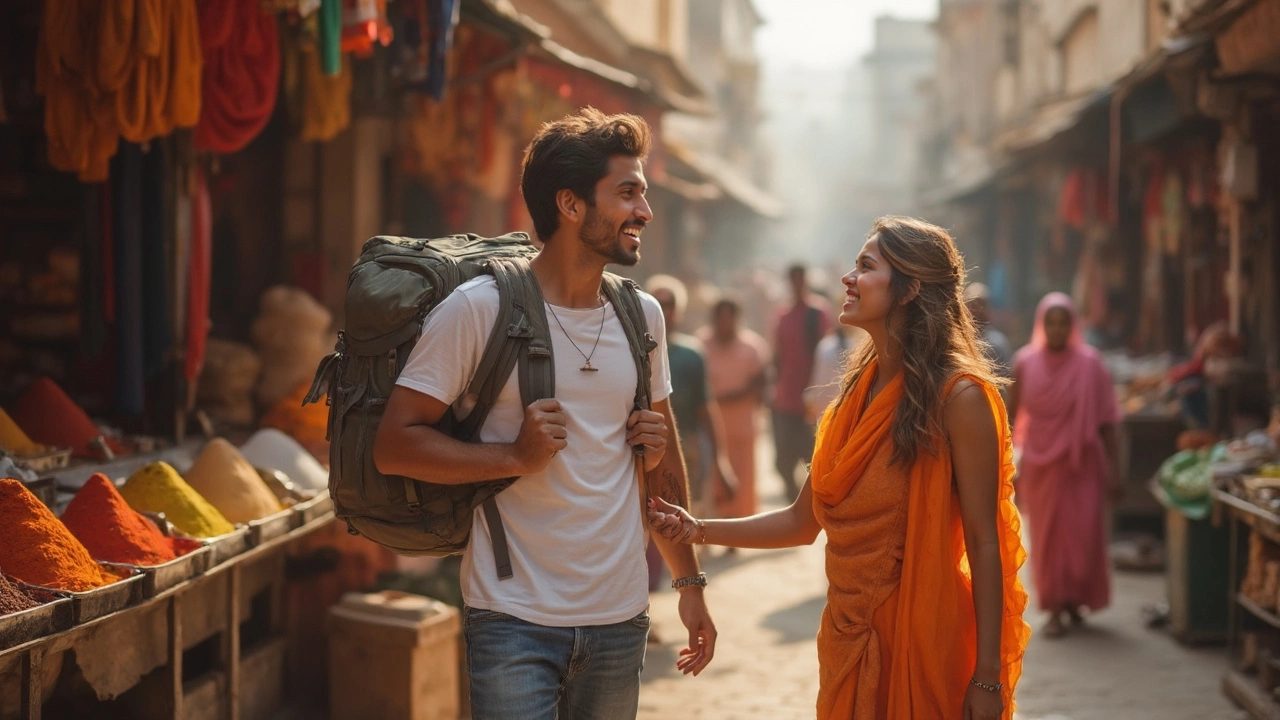
Solo travel India is more common than you think, especially among women, retirees, and digital nomads. Many stay in guesthouses run by locals who look out for guests, use trusted transport apps like Ola, and stick to well-lit, busy areas. You don’t need a bodyguard—you just need to know where the crowds are, how to spot a fake guide, and when to say no. And if you’re traveling with kids? Family-friendly India means choosing places with reliable water, clean restrooms, and hospitals nearby. Kerala, Himachal, and parts of Rajasthan are top picks because they’re organized, welcoming, and predictable.
India isn’t a single place—it’s hundreds of towns, beaches, mountains, and markets, each with its own rhythm. What’s safe in Rishikesh might not be safe in a remote part of Odisha. That’s why the best advice isn’t a list of dos and don’ts—it’s learning how to read the signs. Are locals calm? Is the water clear? Are there signs of police or security? Is the place busy with other tourists? These are your real safety indicators. Don’t rely on scary stories. Watch what people are doing around you. If they’re swimming, eating street food, or walking alone, you probably can too.
What you’ll find below isn’t a list of warnings. It’s a collection of real traveler experiences—where people felt safe, where they didn’t, and what changed their minds. You’ll see which beaches got Blue Flag certification, why some cities are better for solo women, and how to spot a trustworthy guide. No fluff. No fearmongering. Just what works.