Trekking in India: Best Trails, Tips, and Hidden Gems
When you think of trekking in India, a physical journey through rugged terrain that connects you with nature, culture, and local communities. Also known as mountain walking, it’s not just exercise—it’s how millions experience India’s soul beyond temples and cities. This isn’t about guided tours with fancy gear. It’s about walking paths worn by generations—past nomads, pilgrims, and soldiers—where the air thins, the silence grows, and the mountains feel alive.
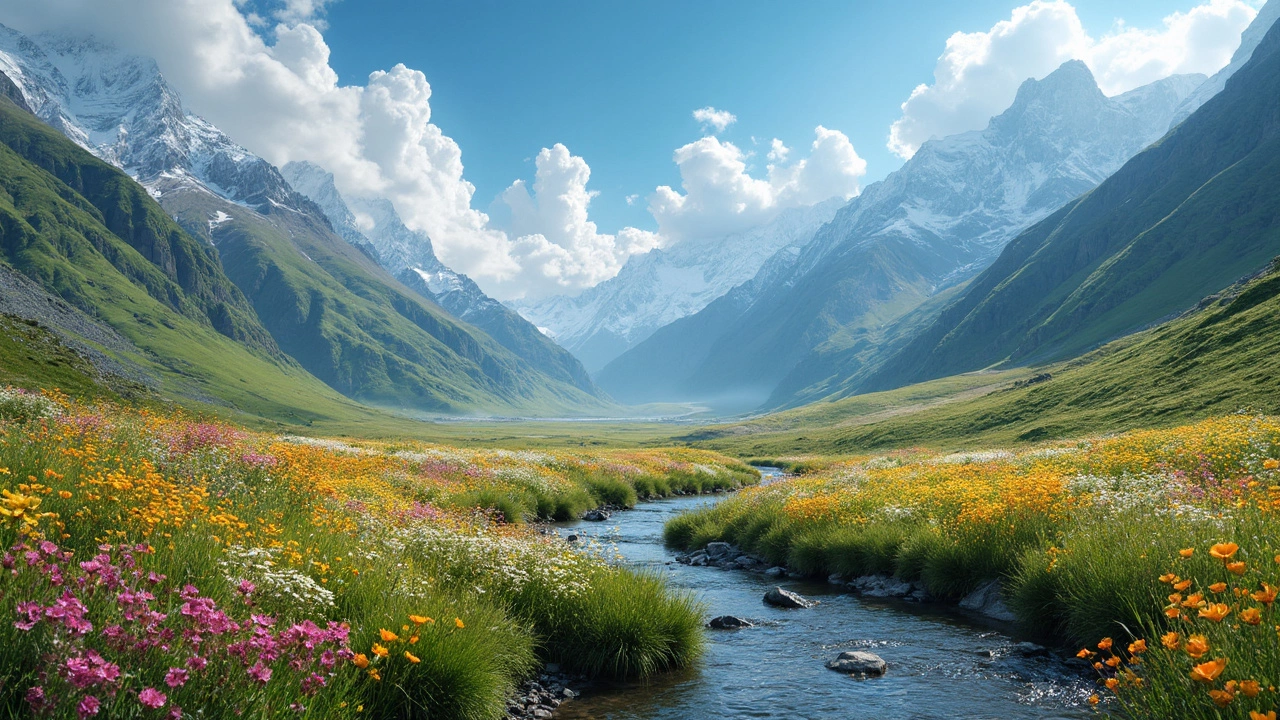
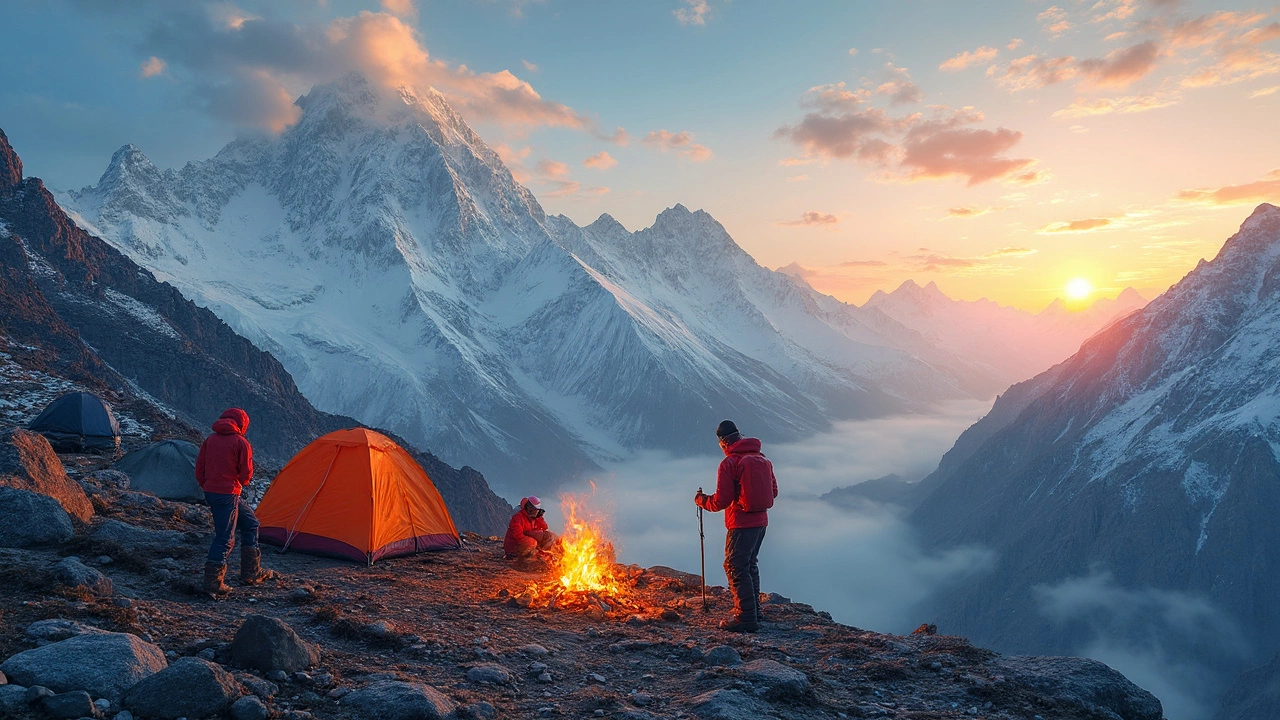
Himalayan treks, high-altitude routes in northern India that range from beginner-friendly walks to extreme climbs. Also known as mountain treks, they include the famous Valley of Flowers, Roopkund, and Hampta Pass. These aren’t just scenic hikes—they’re tests of endurance, where you sleep in village guesthouses, drink tea with locals, and wake up to snow-capped peaks no camera can truly capture. Then there’s Rishikesh trekking, a blend of spiritual trails and adventure routes near the Ganges, perfect for those who want yoga by day and mountain views by night. Also known as yoga and trekking combo, it’s where the hippie trail meets the Himalayas. And don’t forget the Western Ghats, where monsoon rains turn forests into emerald labyrinths—trekking here means walking through waterfalls and spotting rare birds you won’t find anywhere else.
Trekking in India doesn’t need a fancy permit or expensive gear. Most trails start right outside small towns, and you can hire a local guide for less than the cost of a taxi in Delhi. The real cost? Your time, your breath, and your willingness to walk when your legs scream stop. That’s where the magic happens—not at the summit, but in the quiet moments between steps.
What you’ll find below are real stories from people who’ve done it: the trails that changed their minds about India, the nights spent under stars with no phone signal, the unexpected hospitality in villages no map mentions. Some posts warn you about altitude sickness. Others tell you where to find the best chai on the trail. A few even explain why crying at a temple on a mountain path isn’t weird—it’s normal.