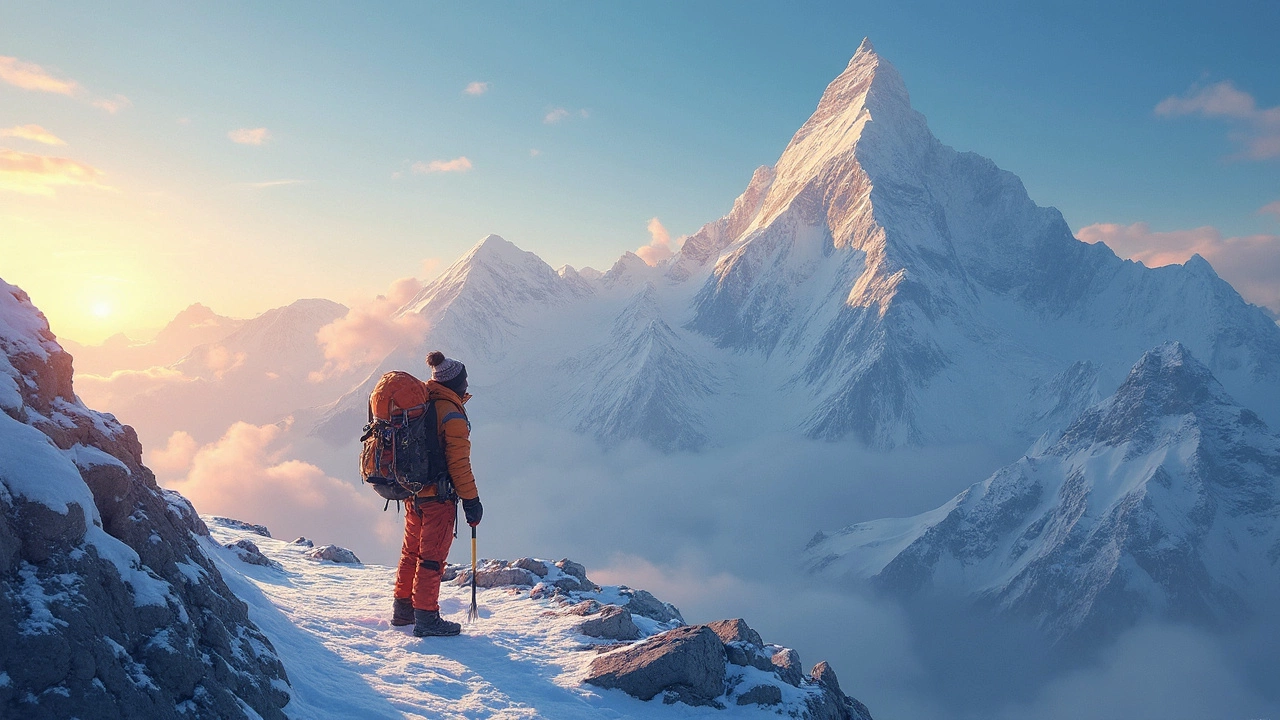
Trekking Tips: Essential Advice for Hiking in India's Mountains and Trails
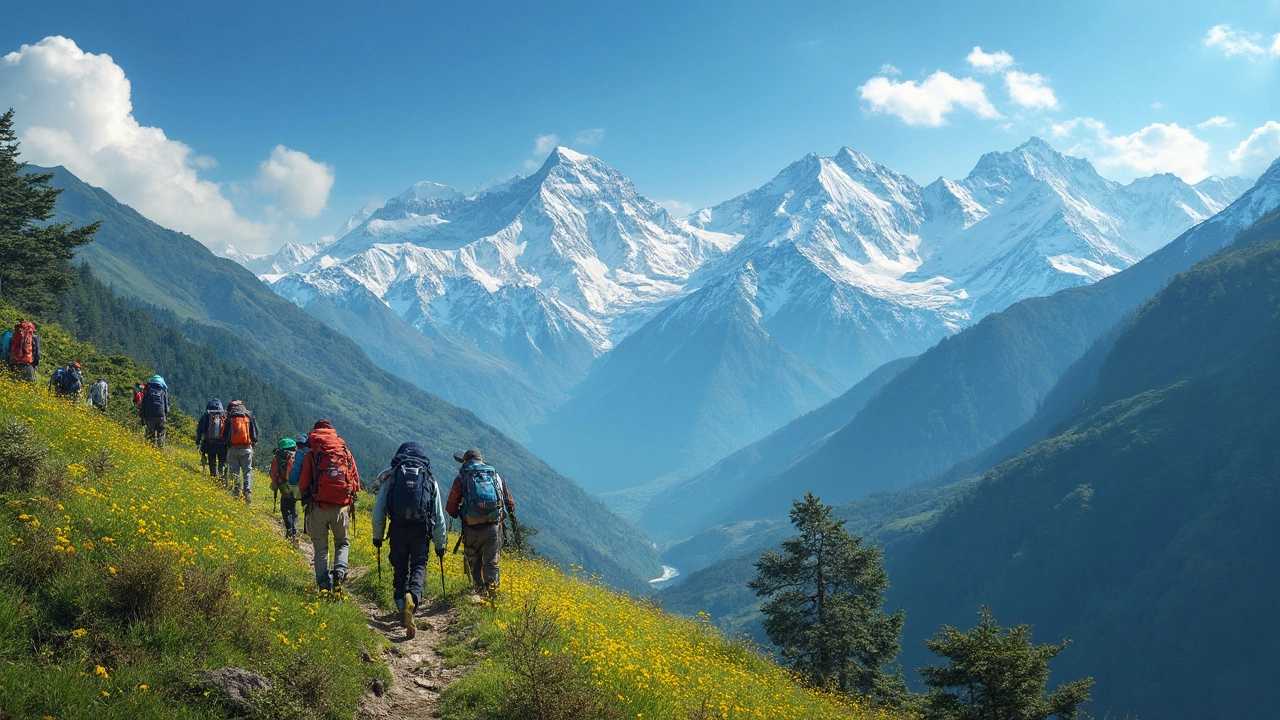
When you think of trekking, a physical journey through rugged terrain, often multi-day and self-supported. Also known as hiking, it's one of the most authentic ways to experience India’s wild beauty. Whether you're climbing through the Himalayas or walking along the misty hills of Kerala, trekking isn’t just about walking—it’s about adapting, respecting the land, and reading the signs the mountains give you.
Good trekking tips, practical advice for safe, comfortable, and sustainable mountain travel start long before you lace up your boots. You need to know what gear actually matters—like a reliable pair of broken-in shoes, not the latest branded ones. You need to understand how altitude affects your body, not just how many kilometers you can push in a day. And you need to know where to find real local guides, not just tour operators who charge extra for photos with a yak. In India, adventure sports, physical activities that take place in natural environments and require skill, courage, and preparation like trekking, rafting, and paragliding aren’t just hobbies—they’re traditions passed down through generations in villages near the trails.
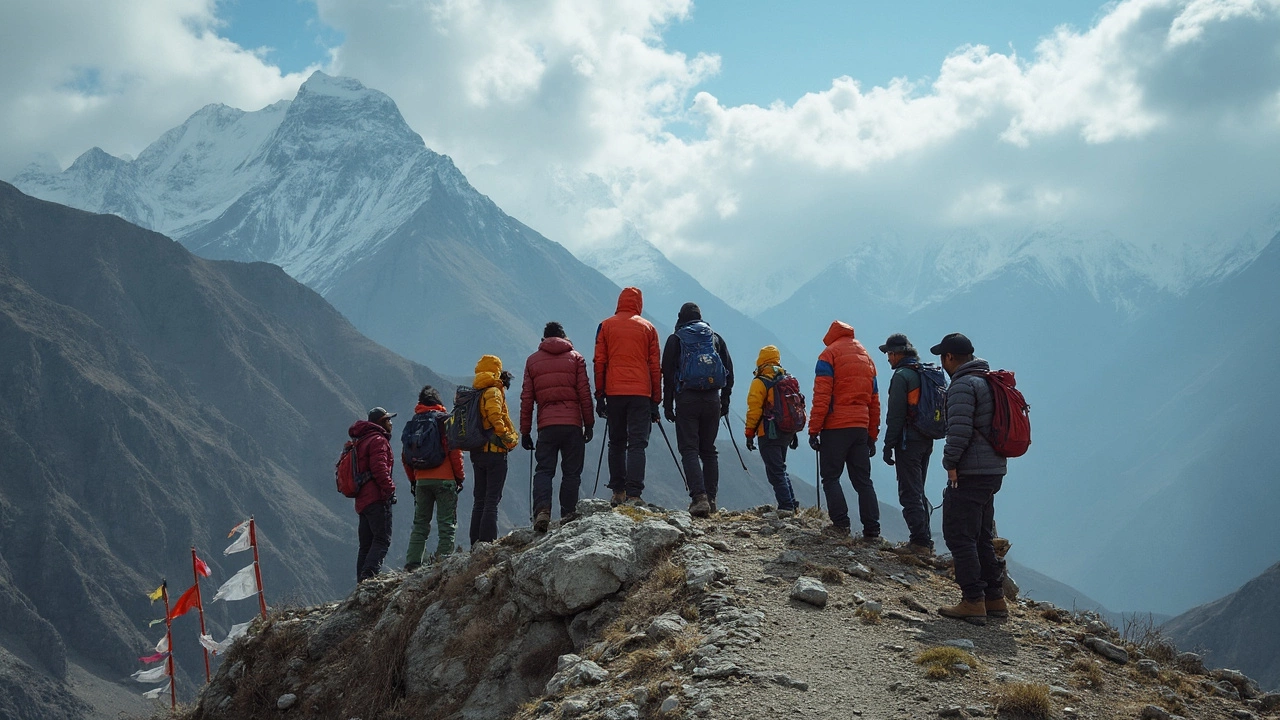
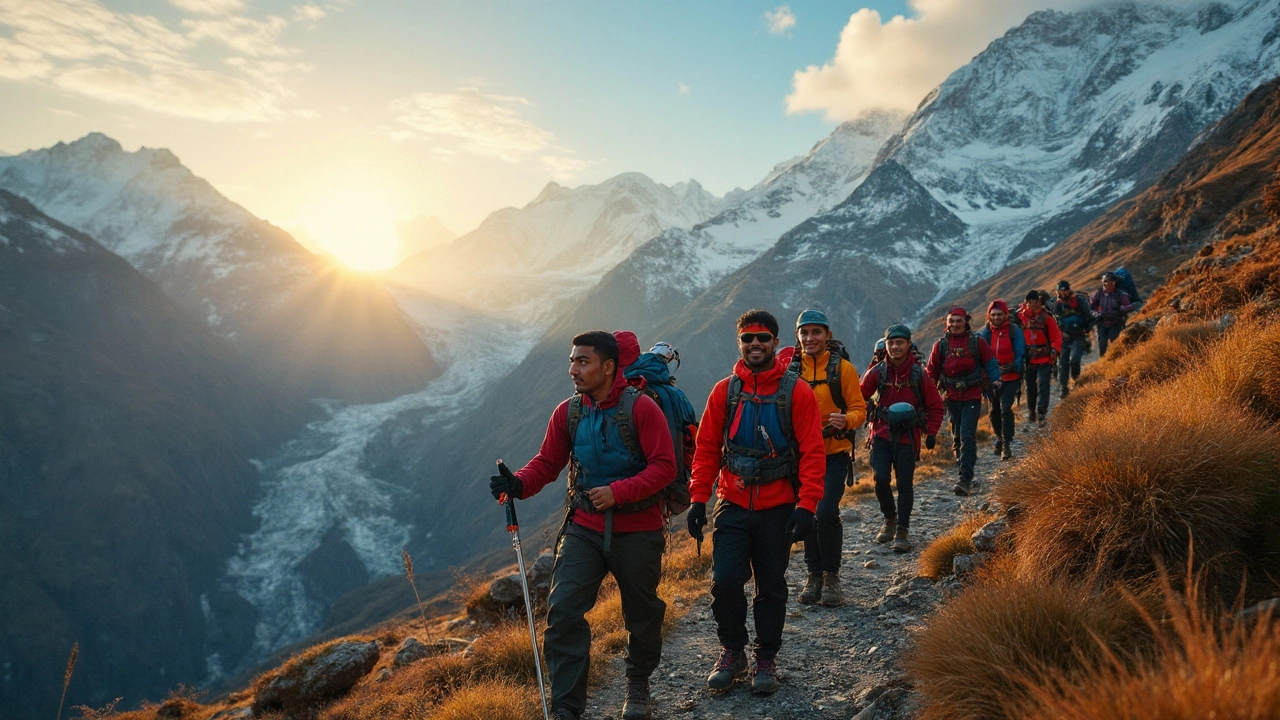
Some of the best Himalayan trekking, long-distance walking routes through the Indian Himalayas, including popular paths like the Valley of Flowers or Roopkund routes don’t show up on Instagram. They’re the ones where you sleep in village homes, eat dal-chawal cooked over firewood, and wake up to snow-capped peaks no camera can truly capture. Budget treks? They exist. You don’t need to spend thousands to walk the Kedarkantha trail or the Nag Tibba ridge. Just pack smart, go off-season, and listen to the locals. They’ll tell you which paths are safe after rain, where to find clean water, and when to turn back.
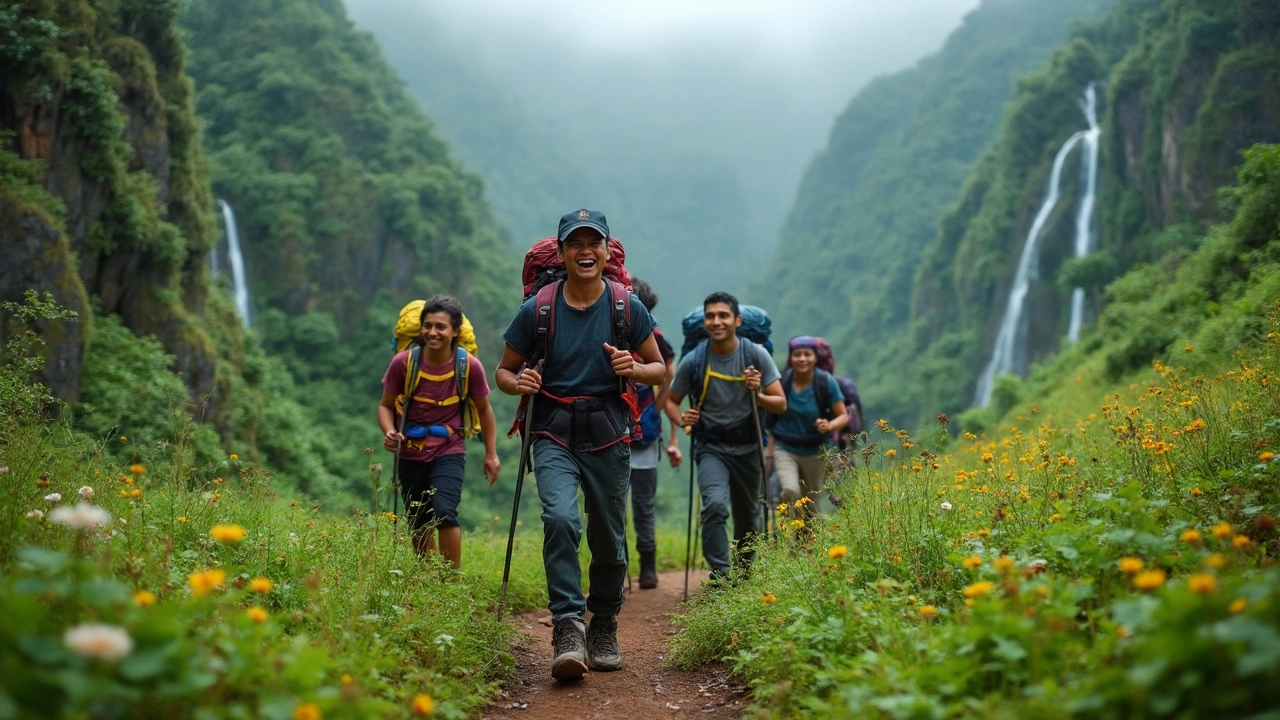
India’s terrain changes fast—from the dry, rocky trails of Ladakh to the wet, moss-covered paths of Meghalaya. What works in one place fails in another. That’s why generic advice won’t cut it. You need real stories, real mistakes, and real fixes from people who’ve been there. Below, you’ll find posts that cut through the noise. No fluff. Just what you need to know before you step onto the trail.