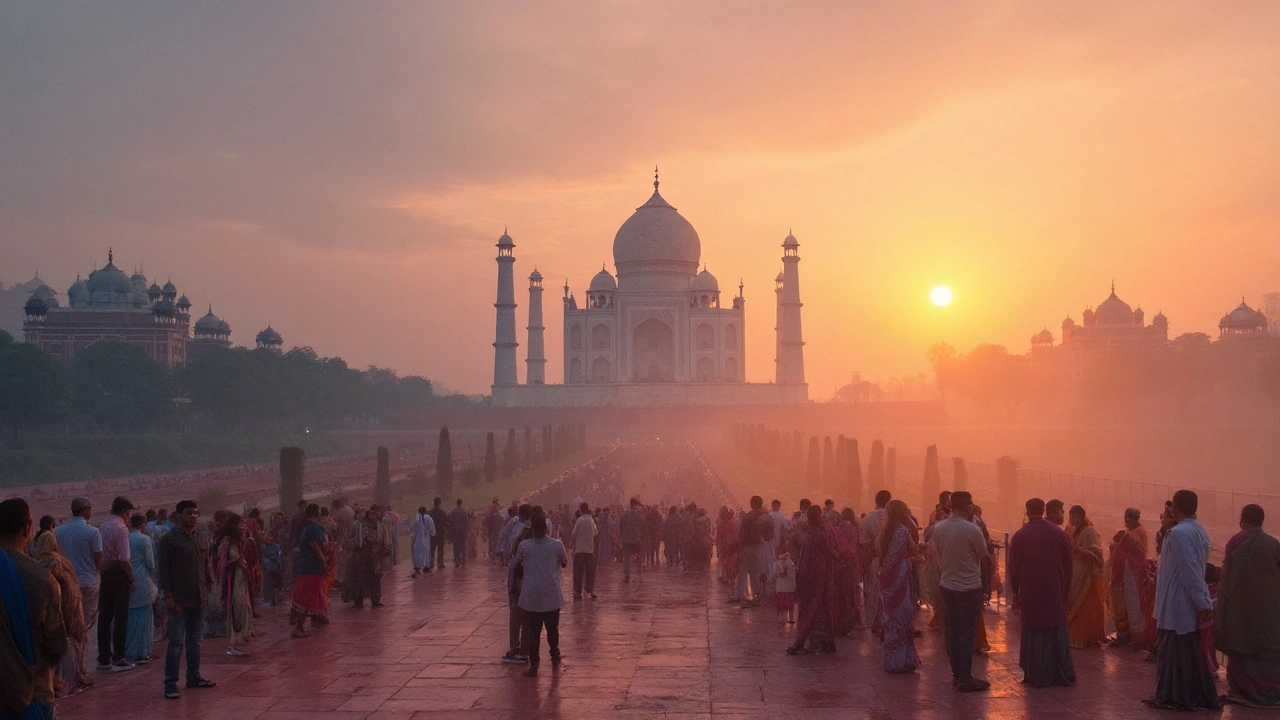
UNESCO World Heritage Sites in India: Top Cultural and Natural Treasures
When you think of UNESCO World Heritage, sites recognized by the United Nations for their outstanding cultural or natural value. Also known as World Heritage Sites, these places are protected not just for their beauty, but because they tell stories that shaped human history. India holds 40 of them—more than any country in South Asia—and they’re not just old ruins. They’re living places where rituals continue, crafts are made, and communities still thrive.
These sites fall into two clear groups: cultural heritage, man-made wonders like temples, forts, and cities built over centuries, and natural heritage, areas of exceptional ecological or geological importance. The Taj Mahal is the most famous, but places like the Khajuraho temples, Hampi’s stone ruins, and the Sundarbans mangrove forests carry just as much weight. Even the Victorian Gothic buildings of Mumbai and the stepwells of Gujarat are on the list—not because they’re pretty, but because they show how people lived, worshipped, and adapted to their environment.
What makes these sites different from regular tourist spots? They’re not staged for photos. The rituals at Varanasi’s ghats, the monsoon festivals in Chittorgarh, the silent walks through the Western Ghats—all happen because locals still live there. You won’t find these experiences on a generic itinerary. You find them by showing up, listening, and respecting the rhythm of the place. That’s why travelers who’ve been to India more than once keep coming back to these spots: they feel real.
You’ll see posts here about luxury trains that stop near these sites, budget trips that squeeze in two heritage cities in three days, and why some beaches and hill towns aren’t on the list even though they’re beautiful. This collection isn’t just about checking boxes. It’s about understanding why these places matter—not as museum pieces, but as living parts of India’s soul. Whether you’re planning a week-long journey or just curious about what makes India unique, what follows will help you see beyond the postcards.