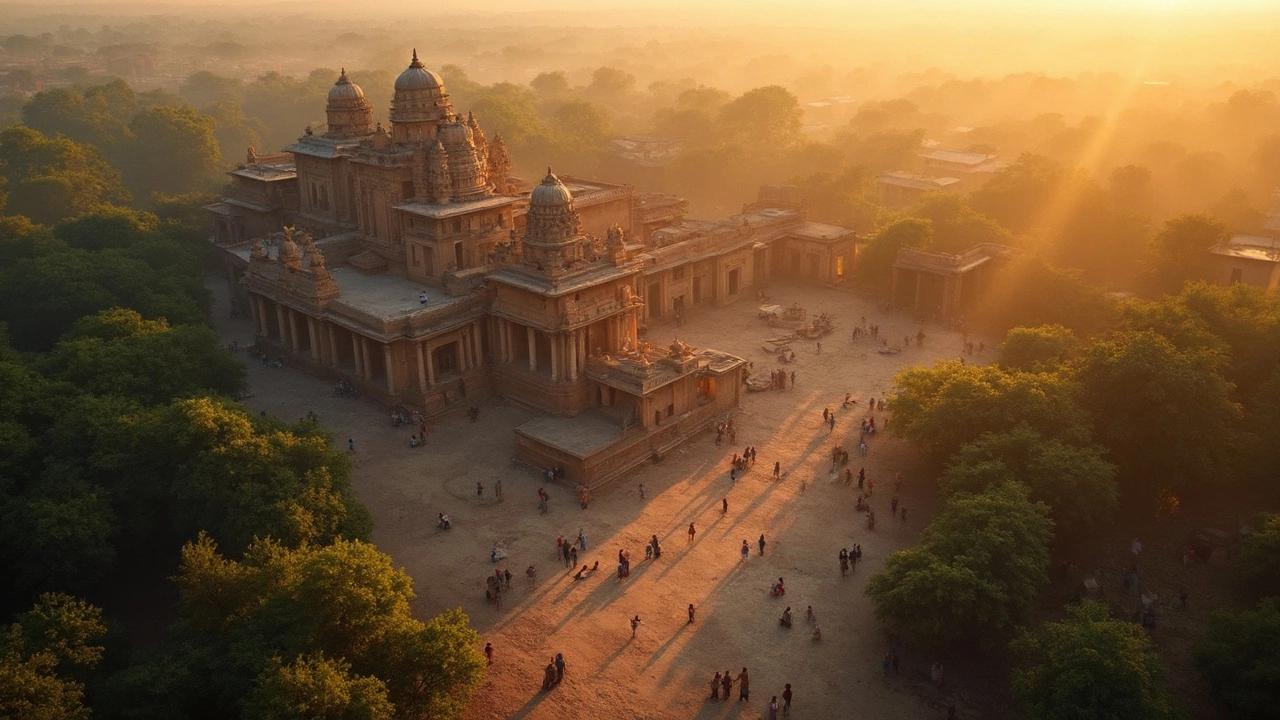
UNESCO World Heritage Site: India's Most Iconic Cultural and Natural Treasures
When you hear UNESCO World Heritage site, a place recognized by the United Nations for its outstanding cultural or natural value to humanity. Also known as World Heritage Location, it’s not just a tourist spot—it’s a living piece of history that communities still protect and celebrate today. India has 40 of these sites, more than any country in South Asia, and each one tells a story that goes deeper than postcards suggest.
These aren’t just old buildings. The Taj Mahal, a marble mausoleum built in the 17th century as a symbol of love isn’t just beautiful—it’s a feat of engineering that shifted how the world thinks about architecture. The Khajuraho temples, a group of Hindu and Jain temples known for their intricate carvings aren’t just art—they’re records of daily life, spirituality, and even humor from a thousand years ago. And the Red Fort, the grand palace in Delhi where India’s first Prime Minister declared independence isn’t just a ruin—it’s where modern India was born.
What makes these sites different from regular landmarks? They’re protected not just for looks, but for meaning. The Ellora Caves, a series of rock-cut temples carved by hand from cliffs, took centuries to build. People didn’t just visit them—they lived near them, worshipped in them, and passed down traditions around them. That’s why even today, you’ll find families praying at the same spots where their ancestors did. These places aren’t frozen in time. They’re breathing, changing, and still part of India’s heartbeat.
You won’t find all these sites in the same guidebook chapter. Some are in deserts, others in forests. Some are crowded with tourists, others are quiet enough to hear your own footsteps. But they all share one thing: they make you feel something. Whether it’s awe at the scale of the UNESCO World Heritage site, or quiet respect for the hands that built them, these places stick with you long after you leave.
Below, you’ll find real stories from travelers who’ve walked these paths, seen these temples, and felt the weight of history—not just as tourists, but as people who got it. Some went for the photos. Others came back for the silence. You’ll see why some of the most powerful moments in India don’t happen in five-star hotels, but in the shadow of a 1,200-year-old stone carver’s chisel.