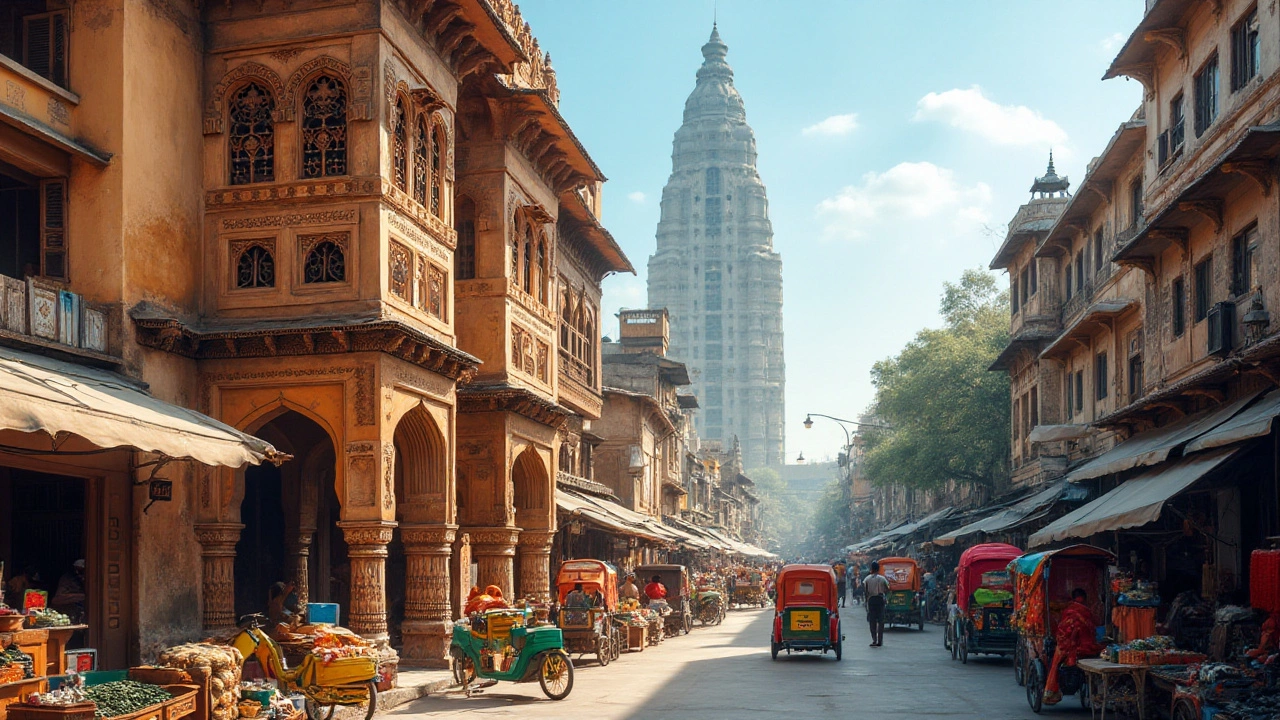
World Heritage Sites in India: Top Cultural and Natural Treasures
When you think of World Heritage, sites recognized by UNESCO for their outstanding cultural or natural value to humanity. Also known as UNESCO World Heritage Sites, these places are more than just tourist spots—they’re living pieces of human history and nature’s finest work. India holds 40 of them, more than any country in South Asia. These aren’t just old buildings or quiet forests. They’re active parts of daily life—where prayers echo in 1,500-year-old temples, where kings once rode elephants through palace courtyards, and where tribal communities still live as they have for centuries.
Many of these sites are tied to Indian cultural heritage, the living traditions, rituals, crafts, and architecture passed down through generations. Think of the Taj Mahal—not just a marble tomb, but a symbol of love built with techniques no longer used today. Or the Khajuraho temples, where every stone carving tells a story about life, faith, and art in 10th-century India. Then there are the natural gems like the Sundarbans, where tigers swim through mangrove forests, and the Western Ghats, home to plants found nowhere else on Earth. These places aren’t frozen in time. They’re shaped by people who still live, work, and worship there.
What makes these sites different from regular attractions is their authenticity. You won’t find fake reenactments or overpriced souvenirs at the Ajanta Caves—just ancient murals painted by monks over 2,000 years ago, still vivid and untouched. At Hampi, ruins of the Vijayanagara Empire rise from boulder-strewn hills, where locals still sell mangoes under the same shade trees that once shaded emperors. These aren’t museum pieces. They’re places where history breathes.
And it’s not just about looking. It’s about understanding. Why do so many visitors cry in temples? Why do luxury trains like the Palace on Wheels follow routes that once carried royal processions? Why do foreigners skip Goa’s party beaches for quiet shores like Palolem? The answer is the same: India’s World Heritage isn’t just seen—it’s felt. It’s in the rhythm of daily rituals, the scent of incense in a temple courtyard, the silence of a hilltop fort at sunrise.
Below, you’ll find real stories from travelers who’ve walked these paths, stayed in heritage homes, and discovered why India’s heritage isn’t something you visit—it’s something that visits you.