Sport Difficulty Calculator
Select a sport below to analyze its difficulty profile based on Physical Exertion, Skill Complexity, Injury Risk, and Mental Toll.
Rugby Analysis
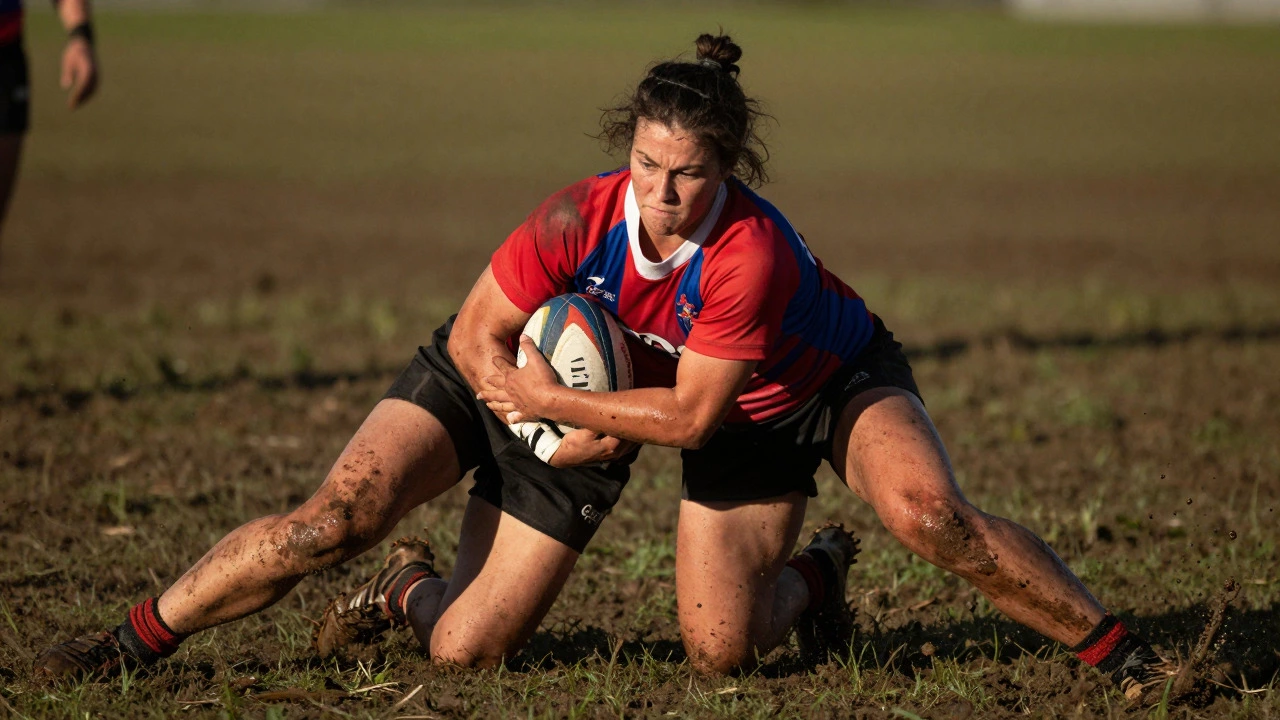
85/100Rugby consistently tops polls for the toughest contact sport due to frequent collisions and high aerobic demands without protective padding.
You’ve probably heard the debate at a bar or in a locker room: which sport actually breaks you down the most? Is it the sheer violence of rugby? The lung-burning agony of long-distance running? Or maybe the precise, nerve-shredding focus of archery? When we ask what is the hardest girl sport, we aren’t just talking about who sweats the most. We’re digging into a mix of physical brutality, psychological pressure, and technical complexity.
Here’s the truth: there is no single answer that satisfies everyone. But if you look at injury rates, physiological demands, and mental load, certain contenders stand out. This guide breaks down why some sports are universally considered tougher than others, with a special nod to the rising wave of female athletes in India’s rugged adventure scene.
Defining "Hard" in Sports Science
Before we pick a winner, we need to agree on what makes a sport hard. It’s not just about how much pain you feel. Sports scientists use several metrics to rank difficulty:
- Physical Exertion: How close does your heart rate get to its maximum for sustained periods?
- Skill Complexity: How many motor skills must be executed perfectly under fatigue?
- Injury Risk: What is the likelihood of acute trauma (like a broken bone) or chronic wear?
- Mental Toll: How much concentration is required when you are physically exhausted?
A sport might be physically easy but mentally crushing (think chess boxing). Another might be physically brutal but technically simple (like arm wrestling). The "hardest" sports usually combine high levels of all four categories.
The Top Contenders for Toughest Female Sport
If you survey coaches, athletes, and medical professionals, three names come up repeatedly: Rugby, Boxing, and Ice Hockey. Let’s look at why they dominate these lists.
| Sport | Primary Hardship Factor | Injury Rate (per 1000 hours) | Mental Load |
|---|---|---|---|
| Rugby | Collision Force & Endurance | ~35-40 | High (Team Strategy) |
| Boxing | Concussion Risk & Precision | ~20-25 | Extreme (Reaction Time) |
| Ice Hockey | Speed & Environmental Cold | ~30-35 | Medium-High |
| Gymnastics | Precision & Impact Landing | ~15-20 | Extreme (Perfectionism) |
Rugby: The Collision Course
Rugby consistently tops polls for the toughest contact sport. For women, the challenge isn't just the size of the opponents-it's the frequency of collisions. You are tackling and being tackled dozens of times per match while maintaining aerobic capacity. The risk of concussion, shoulder dislocations, and knee ligament tears is significant. Unlike American football, there are no pads to absorb the shock. Your body takes every hit directly.
Boxing: The Chess Match with Bruises
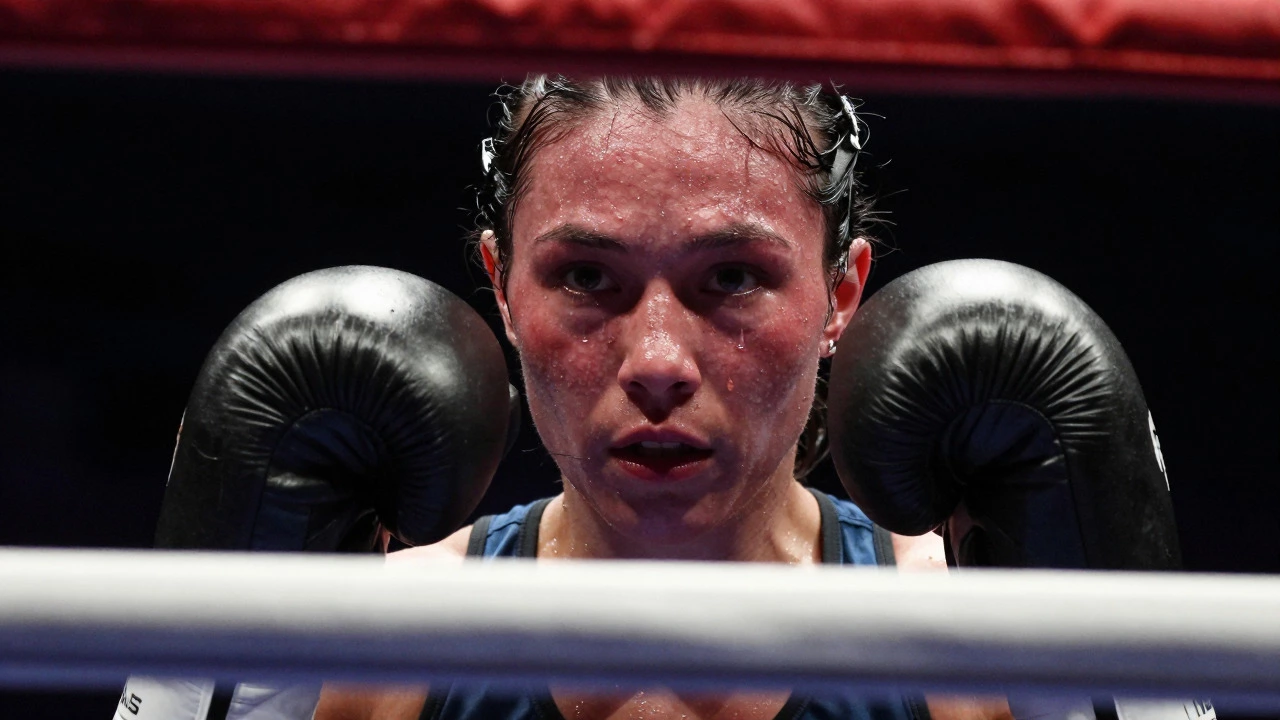
Boxing requires an insane level of coordination. You have to move your feet, keep your guard up, breathe correctly, and strike with precision-all while trying not to get knocked out. The mental fatigue is real. After three rounds, your brain is as tired as your legs. For female boxers, the stigma can add an extra layer of psychological hardness, requiring them to prove themselves in a male-dominated arena.
Ice Hockey: Speed Meets Violence
Ice hockey combines the speed of skating with the impact of checking. The ice is unforgiving. If you fall, you slide at high speed into boards or other players. The cold environment adds another stressor to the body, forcing it to work harder to maintain core temperature while performing intense bursts of activity.
The Hidden Challenge: Gymnastics and Figure Skating
People often mistake non-contact sports for "easy." They couldn’t be more wrong. In gymnastics, the margin for error is zero. A slight miscalculation on the vault or uneven bars can lead to catastrophic spinal injuries. The training starts young, leading to years of repetitive stress fractures and joint damage.
Figure skating looks graceful, but landing a triple axel generates forces up to eight times your body weight on one ankle. The mental pressure to perform artistry while executing physics-defying jumps is immense. These sports demand a perfectionist mindset that can be psychologically draining.
Adventure Sports in India: Where Toughness Meets Terrain
While traditional team sports dominate global rankings, India’s geography offers unique challenges for female adventurers. Trekking in the Himalayas or rock climbing in Rishikesh presents different kinds of hardships.
Consider high-altitude trekking. The lack of oxygen tests your cardiovascular system differently than a rugby tackle. You battle altitude sickness, extreme weather, and isolation. For Indian women entering these fields, there is also a social dimension. Breaking stereotypes in conservative regions adds a mental resilience requirement that isn't present in European or American contexts.
Rock climbing, particularly bouldering, demands finger strength that few people understand until they try it. Holding your entire body weight on edges smaller than a coin requires tendon strength that takes years to build. It’s a puzzle solved with muscles, where fear management is as critical as physical power.
Why Mental Resilience Matters More Than Muscle
Ask any elite athlete, and they’ll tell you: the body gives up before the mind. The hardest part of any tough sport is pushing through the point where you want to quit. This is known as the "central governor theory"-your brain limits performance to protect your body from harm. Overcoming this limit is what separates good athletes from great ones.
In endurance sports like marathon running, the pain is constant. There are no breaks between sprints. You have to manage pacing, nutrition, and negative self-talk for hours. In combat sports, you have to remain calm while being punched. That ability to regulate emotion under threat is a trainable skill, but it’s incredibly difficult to master.

How to Prepare for Your Own "Hardest" Sport
If you’re inspired to take on a challenging sport, don’t jump straight into the deep end. Here’s a practical approach:
- Start with Base Fitness: Build a foundation of cardio and strength. You don’t need to be an Olympic lifter, but you need healthy joints and a strong heart.
- Learn Technique First: Most injuries happen due to poor form. Invest in coaching early. Whether it’s boxing footwork or climbing holds, technique protects you.
- Simulate Pressure: Train when you are tired. Practice decision-making when your heart rate is high. This builds the mental resilience needed for competition.
- Listen to Your Body: Pain is information. Sharp pain means stop. Dull ache might mean rest. Ignoring signals leads to long-term setbacks.
Frequently Asked Questions
Is rugby really harder than boxing for women?
It depends on the metric. Rugby has higher overall injury rates due to frequent collisions and team dynamics. However, boxing has a higher risk of severe head trauma and requires finer motor control under fatigue. Both are considered top-tier in terms of physical and mental difficulty.
What is the most dangerous sport for female athletes?
Equestrian sports often show the highest fatality rates due to the unpredictability of horses and falls from height. However, for team sports, rugby and Australian Rules Football tend to have the highest incidence of serious injuries like concussions and ACL tears.
Are adventure sports in India suitable for beginners?
Yes, provided you choose guided experiences. Places like Rishikesh for rafting or Manali for trekking offer beginner-friendly packages. Always prioritize safety gear and certified instructors, especially if you are new to high-altitude environments.
Does gender affect the difficulty of a sport?
Physiologically, men generally have greater upper-body strength and bone density, which can make contact sports slightly more forgiving for them. Women may face different injury risks, such as higher rates of ACL tears due to hormonal influences on ligaments. Socially, women often face additional barriers to access and funding, adding a layer of logistical difficulty.
Can I start a tough sport after age 30?
Absolutely. Many successful athletes start later in life. While recovery times may be slower, adult athletes often bring better discipline and tactical understanding. Start low-intensity and progress gradually to avoid overuse injuries.