Indian Dietary Restrictions Guide
Select your community or destination context to see which meats are generally avoided and important cultural notes.
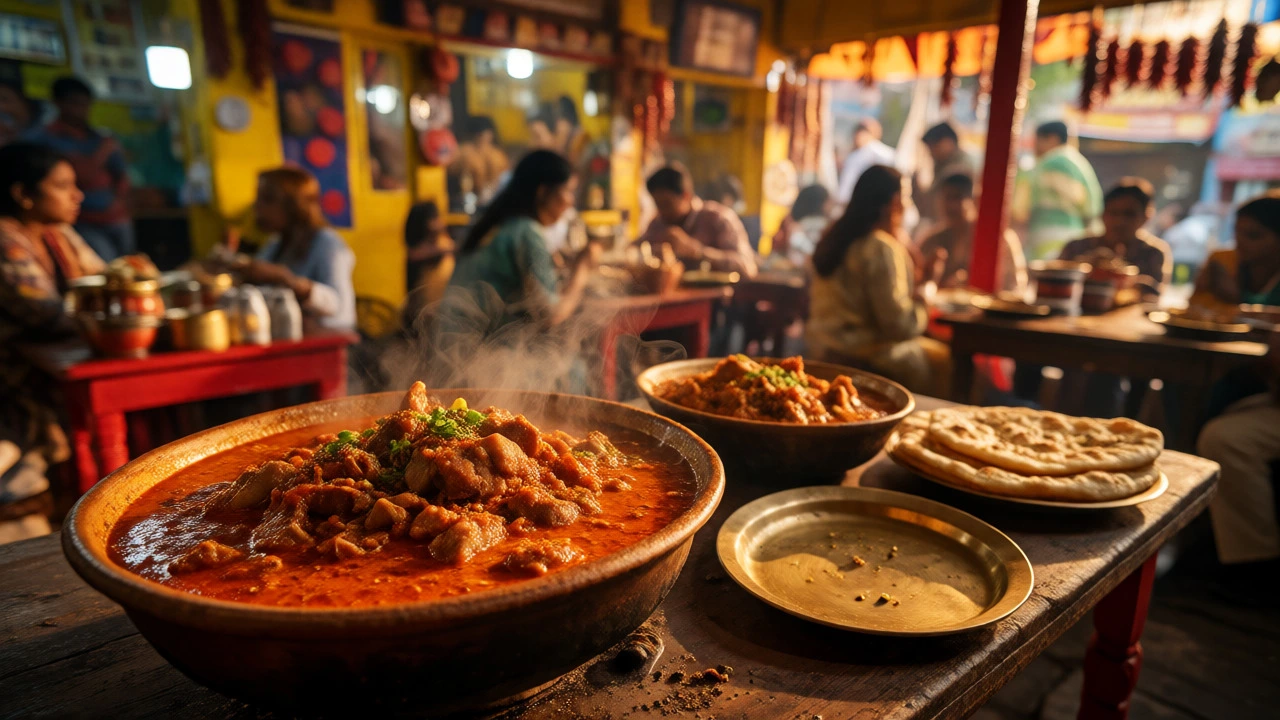
You land in Delhi, your stomach is rumbling, and you head to a local dhaba. You order what looks like a standard curry, only to find out later it was goat meat because the chicken ran out. Or maybe you’re in Kerala and wonder why the menu is heavy on seafood while your friend in Gujarat refuses to eat anything with legs. If you’ve ever planned a trip to India, you’ve likely heard that beef is off-limits for many, but the reality of what meat is not eaten in India is far more nuanced than a simple "no cows" rule.
India isn’t just one big vegetarian block. It’s a patchwork quilt of religious beliefs, regional traditions, caste histories, and personal choices. For a traveler or someone interested in cultural tourism, understanding these rules isn’t just about avoiding awkward dinner moments-it’s about respecting the social fabric of the country. Let’s break down exactly which meats are taboo, who avoids them, and why, so you can navigate Indian menus with confidence.
The Sacred Cow: Why Beef Is Largely Avoided
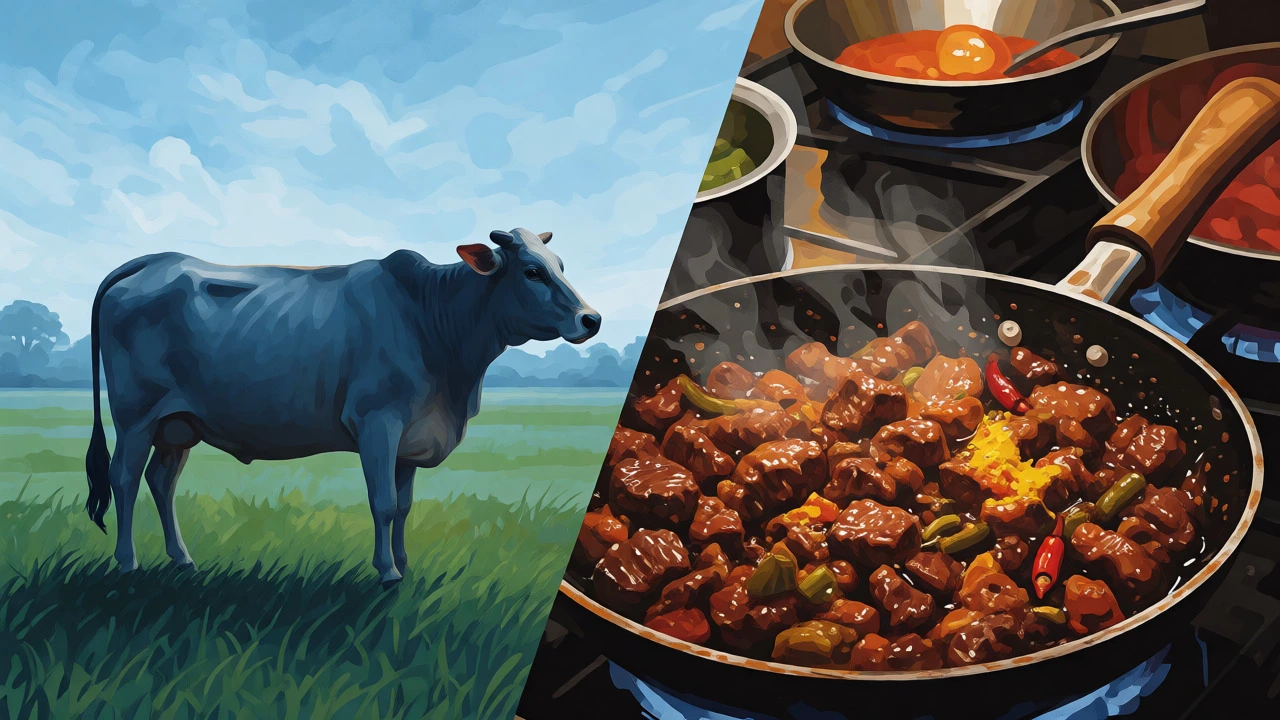
The most famous restriction in Indian cuisine revolves around the cow. In Hinduism, which is practiced by roughly 80% of the population, the cow is revered as a mother figure and a symbol of life. Killing a cow is seen as a grave sin. This isn’t just spiritual; it’s legal. As of 2026, several states including Maharashtra, Gujarat, and Haryana have strict laws banning the slaughter of cows and bulls. Even in states where it’s technically legal, finding beef on a mainstream restaurant menu can be tricky.
But here’s the twist: Beef is actually consumed in parts of South India, particularly in Kerala and Tamil Nadu, and among certain communities in the Northeast and Goa. So, if you’re in Kochi, don’t be surprised to see beef fry on the menu. However, if you’re traveling through North India, especially Uttar Pradesh or Rajasthan, you’ll rarely see it. The key takeaway? Assume no beef unless you know the local culture well. When in doubt, ask. It’s better to look curious than rude.
Pork: The Muslim and Hindu Divide
If beef is the headline act, pork is the controversial subplot. For Muslims, who make up about 14% of India’s population, pork is strictly forbidden under Islamic law (Halal). Eating pork is considered haram (forbidden). You won’t find pork dishes in areas with significant Muslim populations, such as Old Delhi, Hyderabad’s old city, or Lucknow.
However, pork is widely eaten in other parts of India. Goans love their vindaloo, which traditionally uses pork. In Nagaland and Manipur, pork is a staple protein. Many Hindus also eat pork, though some upper-caste communities in North India avoid it due to perceptions of hygiene or status. So, unlike beef, which has legal and widespread religious barriers, pork avoidance is primarily religious and regional. If you’re invited to a home in Mumbai or Kolkata, check with your host first. They might serve a delicious pork curry, or they might look at you strangely if you suggest it.
Lamb, Goat, and Mutton: The Confusion
This is where travelers often get tripped up. In India, the word "mutton" usually refers to goat or sheep meat, not adult sheep as it does in Western countries. Young goat is called kid, and older goat is mutton. Most Indians who eat meat prefer goat or lamb over beef or pork. It’s versatile, fits into Hindu dietary norms (since goats aren’t sacred), and is Halal-compliant if slaughtered correctly.
However, there’s a catch regarding how the animal is killed. Two main methods exist: Halal, where the throat is cut while invoking God’s name, and Jhatka, where the head is severed instantly. Some Sikhs and certain Hindu sects prefer Jhatka meat, believing Halal involves unnecessary suffering or ritualistic impurity. If you’re a Sikh visiting a Gurdwara or eating at a specific community kitchen, you might need to specify Jhatka. For most tourists, this distinction matters less, but knowing it shows deep cultural awareness.
Seafood and Poultry: Generally Safe Bets
Chicken and fish are generally safe options across most of India, but even here, nuances exist. Chicken is ubiquitous. From tandoori in Punjab to coconut-based curries in Kerala, it’s everywhere. Fish is heavily consumed in coastal regions like West Bengal, Odisha, Andhra Pradesh, and Karnataka. But in inland areas, fresh fish can be scarce, and frozen varieties dominate.
Some vegetarians avoid eggs, classifying them as non-vegetarian. This is common among Jains and some Brahmin communities. If you’re ordering an omelet or a cake, ask if it contains egg. Also, note that some Hindus avoid fish during certain auspicious days or festivals. It’s not a hard rule, but it happens. Always check the day of the week or festival calendar if you’re dining at a traditional household.
Jain Vegetarianism: The Strictest Rulebook
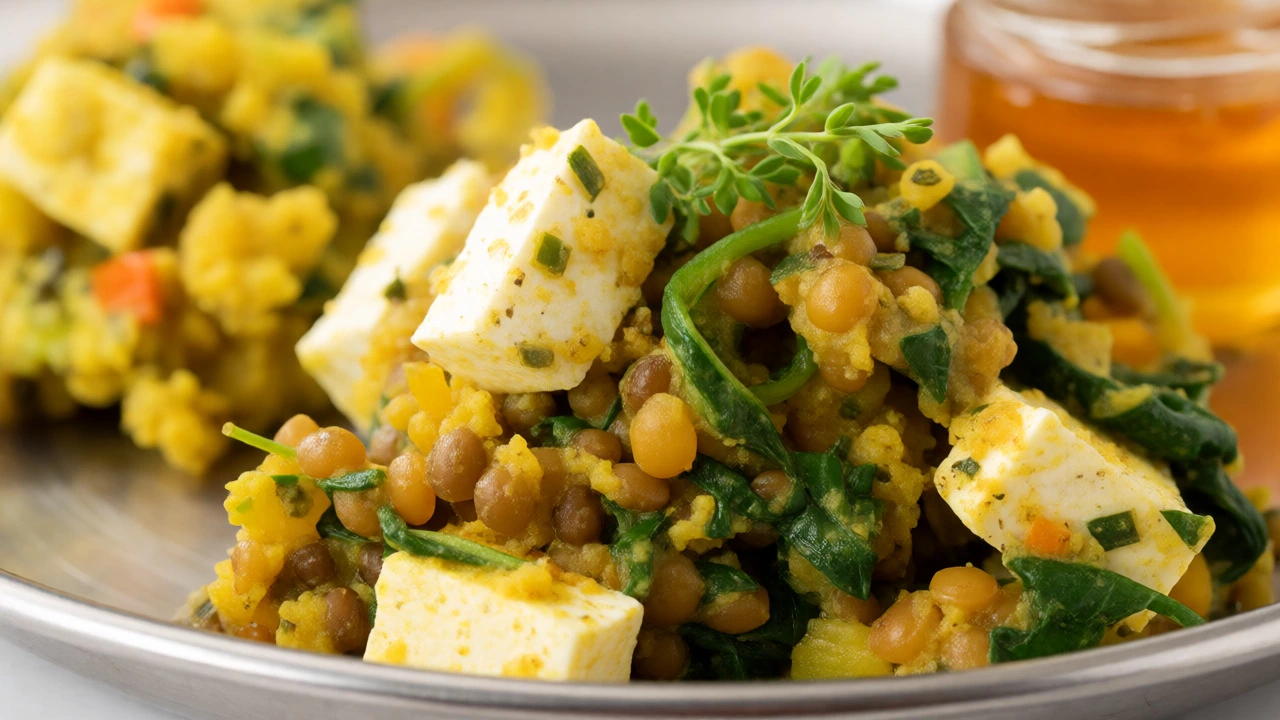
If you think vegetarianism in India is simple, meet Jainism. Jains practice Ahimsa (non-violence) to the extreme. Their diet excludes all root vegetables-onions, garlic, potatoes, carrots, and ginger-because pulling them from the ground kills tiny organisms and disturbs the soil ecosystem. They also avoid honey, as harvesting it harms bees.
For a tourist, this means if you’re staying with a Jain family or eating at a Jain restaurant, your meal will be free of onions and garlic too. Don’t expect flavor bombs of garlic naan here. Instead, you’ll taste spices like cumin, coriander, turmeric, and chili. It’s a unique culinary experience, focusing on the purity of ingredients rather than strong aromatics. If you’re planning a trip to Gujarat or Rajasthan, you’ll encounter Jain food frequently. Embrace it; it’s lighter and easier on the stomach after a long flight.
| Community/Region | Avoids Beef? | Avoids Pork? | Notes |
|---|---|---|---|
| Hindu (General) | Yes (Mostly) | No (Varies) | Cow is sacred; pork varies by region/caste. |
| Muslim | Yes (Often) | Yes (Strictly) | Pork is Haram; beef consumption varies by state law. |
| Sikh | Yes (Often) | No | Prefer Jhatka meat; many are lacto-vegetarian. |
| Jain | Yes (All Meat) | Yes (All Meat) | Vegetarian; avoids root veggies and honey. |
| Christian (Goa/Kerala) | Varies | No | Beef and pork common; fewer religious restrictions. |
Regional Variations: Where the Rules Change
India is vast, and geography dictates diet. In the Northeast, states like Nagaland, Mizoram, and Meghalaya have diets very different from mainland India. Here, beef, pork, and even dog meat (in some rural areas) are consumed without the same religious taboos found in the Hindi belt. If you’re trekking in the Himalayas or exploring the Seven Sisters, you’ll find a carnivore-friendly paradise.
In contrast, Gujarat and parts of South India have high vegetarian populations. In cities like Ahmedabad or Udupi, you might struggle to find any meat at all. Pure vegetarian restaurants dominate. This isn’t just about religion; it’s about history and trade routes. Coastal areas rely on fishing, while agrarian plains lean toward dairy and grains. Understanding your destination’s profile helps you pack expectations accordingly. Don’t assume a "North Indian" menu is the same in Varanasi as it is in Amritsar.
Tips for Travelers Navigating Menus
So, how do you handle this when you’re hungry and confused? First, learn the visual cues. Green dots mean vegetarian; red/brown dots mean non-vegetarian. This system is mandated by the Food Safety and Standards Authority of India (FSSAI). Look for these on packaged foods and restaurant menus.
Second, use simple phrases. "Is this made with beef?" or "Does this contain egg?" go a long way. Third, respect the context. If you’re at a temple or a holy site, leave meat outside. Eating a chicken burger near the Golden Temple might draw stares. Finally, try the local specialties. If you’re in Hyderabad, try Hyderabadi Haleem (often made with goat or wheat). If you’re in Kolkata, try Machher Jhol (fish curry). Exploring these dishes is part of the cultural journey.
Frequently Asked Questions
Why do Hindus not eat beef?
Hindus revere the cow as a maternal figure and a symbol of non-violent life. Historically, cows provided milk, labor, and dung for fuel, making them economically vital. Slaughtering them is considered sinful in many Hindu traditions, leading to widespread avoidance and legal bans in several states.
Can I find pork in India?
Yes, pork is available in many parts of India, particularly in Goa, Kerala, and the Northeastern states. However, it is strictly avoided by Muslims and some Hindu communities. Availability depends heavily on your location and the type of establishment you visit.
What is the difference between Halal and Jhatka meat?
Halal meat is slaughtered by cutting the throat while reciting a prayer, ensuring blood drains fully. Jhatka involves a single strike to sever the head instantly. Muslims require Halal, while some Sikhs and Hindus prefer Jhatka, believing it causes less pain or aligns with their religious interpretations.
Are eggs considered non-vegetarian in India?
In India, eggs are typically classified as non-vegetarian. While many people eat them, strict vegetarians, Jains, and some Brahmins avoid them. Always check if a dish labeled "veg" contains egg, as it might not be apparent visually.
Which Indian states ban beef?
As of recent years, states like Maharashtra, Gujarat, Haryana, Punjab, and others have laws prohibiting cow slaughter. Penalties vary by state. However, enforcement and availability differ, with some states allowing buffalo meat consumption despite the cow ban.