Goa Beach Safety & Swim Readiness Checker
Current Conditions
Safety Assessment
Select your conditions and click the button above to get a personalized safety assessment for your trip to Goa.
Essential Safety Tips
Picture this: you’re standing on the golden sands of Goa, India's most popular coastal destination known for its vibrant nightlife and stunning coastline, towel in hand, ready to jump into the Arabian Sea. You look around, see others wading in, and assume it’s all good. But wait-before you take that first plunge, there’s a crucial question many travelers overlook: are Goa beaches actually safe for swimming?
The short answer is yes, but with major caveats. The long answer depends entirely on where you are, what time of year it is, and whether you pay attention to the colored flags flying along the shore. Ignoring these factors can turn a relaxing vacation into a dangerous situation. Let’s break down exactly when and where you can safely enjoy the water in Goa.
The Critical Role of Seasonality
If you only remember one thing about swimming in Goa, let it be this: the season dictates your safety more than anything else. The Arabian Sea behaves very differently depending on the months.
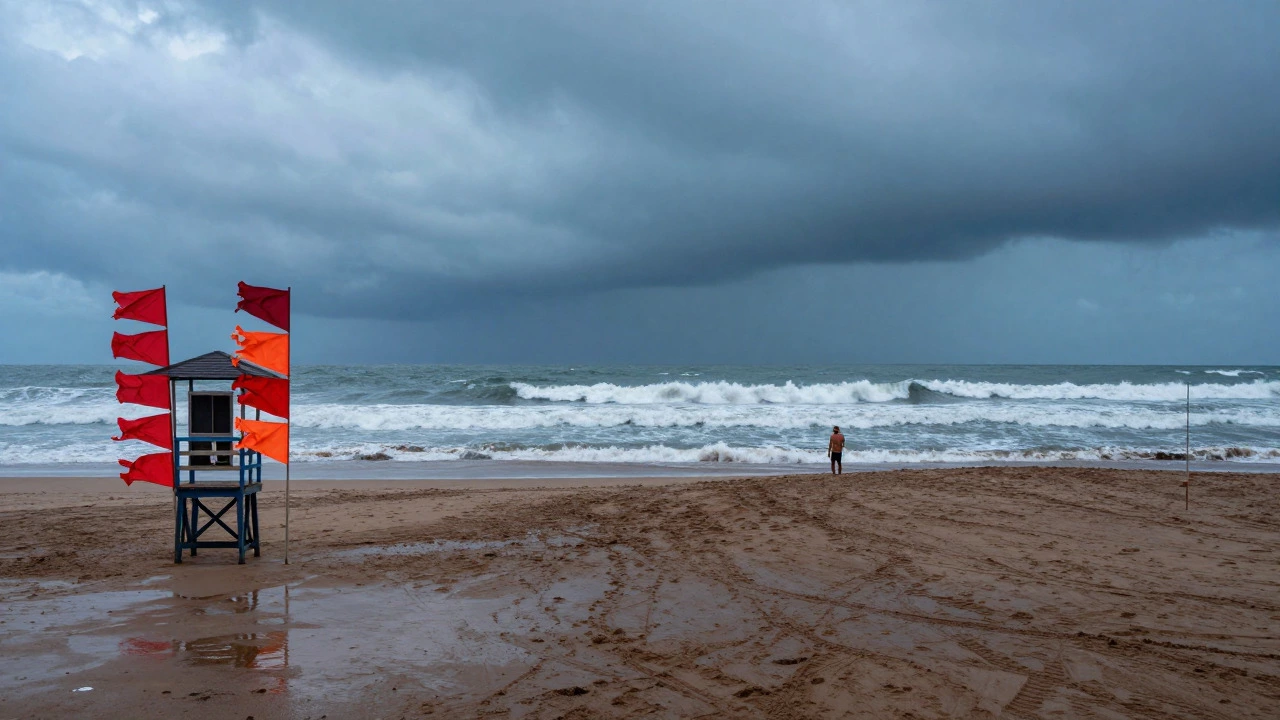
From June to September, Goa experiences the Monsoon season, the period from June to September characterized by heavy rainfall and rough sea conditions. During these months, the seas are rough, visibility is poor, and rip currents are strong. Most lifeguards advise against swimming entirely during peak monsoon days. The waves can knock you off your feet, and underwater debris becomes a real hazard. If you’re visiting in July or August, treat the beach as a place for walking and watching storms, not for diving in.
The sweet spot for swimming is between October and March. The waters calm down significantly after the monsoon recedes. By November, the sea temperature is pleasant, and the waves are gentle enough for families and casual swimmers. This is when you’ll find the clearest water and the safest conditions for extended swims.
North Goa vs. South Goa: A Tale of Two Coasts
Goa isn’t just one big beach; it’s a collection of distinct stretches with different characteristics. Understanding the difference between North and South Goa is essential for picking a safe swimming spot.
| Feature | North Goa | South Goa |
|---|---|---|
| Wave Intensity | High (Strong surf) | Low to Moderate (Calm) |
| Best For | Surfing, Bodyboarding | Swimming, Snorkeling, Families |
| Crowd Level | Very High (Party crowds) | Moderate (Relaxed vibe) |
| Safety Risk | Higher (Rip currents common) | Lower (Gentler entry) |
| Example Beaches | Baga, Calangute, Anjuna | Cavelossim, Palolem, Agonda |
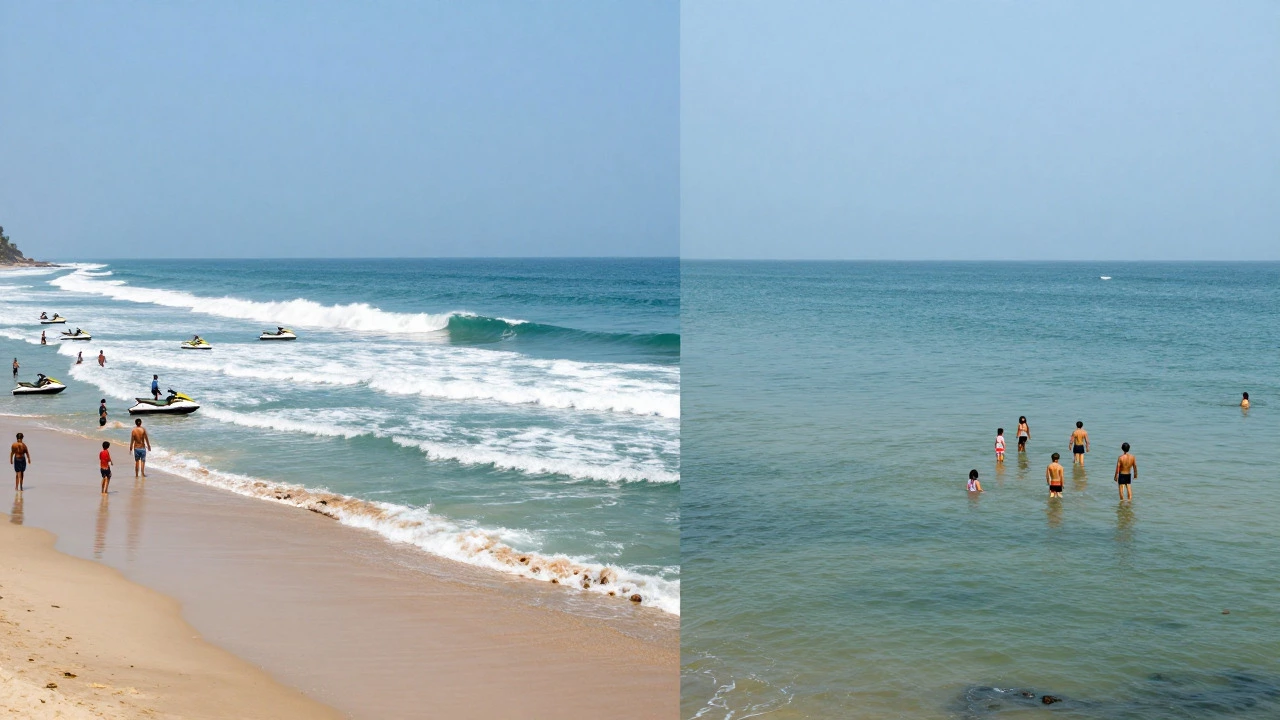
North Goa beaches like Baga, Calangute, and Anjuna are famous for their party atmosphere and water sports. However, they are also known for strong undertows and large waves. These spots are better suited for surfing enthusiasts who understand how to handle rough water. Casual swimmers often get caught off guard by the sudden drop-offs and powerful currents here.
South Goa, on the other hand, offers calmer waters ideal for swimming. Beaches like Cavelossim, Palolem, and Agonda have shallow entries and gentle slopes. The water here is clearer and less turbulent, making it much safer for children and non-expert swimmers. If your primary goal is to float and relax in the ocean, head south.
Decoding the Lifeguard Flag System
One of the most overlooked safety tools in Goa is the flag system managed by local lifeguards. Many tourists ignore these flags, assuming that because someone else is swimming, it must be safe. That’s a risky assumption.
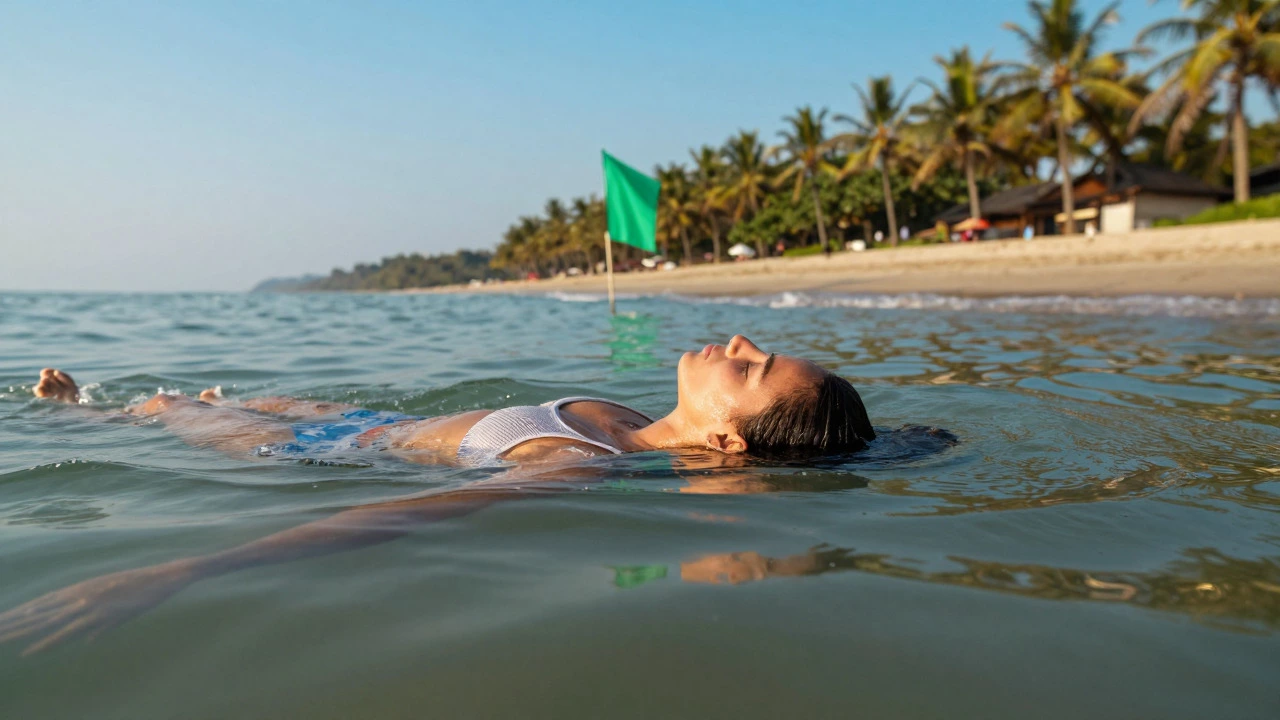
- Green Flag: Safe conditions. Low hazard. Good for swimming.
- Yellow Flag: Medium hazard. Moderate surf or currents. Exercise caution. Only confident swimmers should enter.
- Red Flag: High hazard. Rough surf or strong currents. Swimming is discouraged or prohibited.
- Double Red Flag: Water closed to the public. Do not enter under any circumstances.
Lifeguards post these flags based on real-time observations of wave height, current strength, and weather conditions. In popular beaches like Dona Paula and Miramar, lifeguard stations are well-maintained. In smaller, remote beaches, you might not find flags at all. In those cases, use extra caution and ask locals or hotel staff about current conditions before entering the water.
Hidden Dangers: Rip Currents and Jet Skis
Even on a sunny day with green flags, two major hazards lurk in Goa’s waters: rip currents and motorized water vehicles.
Rip currents are narrow channels of fast-moving water that flow away from the shore. They can pull even strong swimmers out to sea quickly. If you feel yourself being dragged outward, don’t panic and don’t fight the current directly. Instead, swim parallel to the shore until you escape the current’s pull, then angle back toward land. Most drowning incidents in Goa are linked to people exhausting themselves trying to swim straight back against a rip current.
Jet skis, speedboats, and banana boats create another layer of danger. In North Goa, especially near Baga and Calangute, the water is often crowded with rental jet skis operated by tourists with little training. Collisions happen frequently. Always stay aware of your surroundings, avoid swimming near designated water sports zones, and wear a life jacket if you rent a vehicle.
Top 5 Safest Beaches for Swimming in Goa
If you want to minimize risk and maximize enjoyment, stick to these beaches known for their calm waters and safety infrastructure:
- Palolem Beach: Located in South Goa, this crescent-shaped bay has very gentle waves and clear water. It’s widely regarded as the safest beach for swimming in Goa. Lifeguards are present during peak hours.
- Cavelossim Beach: Another South Goa gem with wide, sandy shores and minimal crowd density. The water is calm, and the slope is gradual, making it easy to enter and exit.
- Agonda Beach: Quiet and serene, Agonda attracts fewer tourists, which means less boat traffic. The waves are small, and the environment is peaceful. Ideal for solo travelers and families.
- Dona Paula Beach: Situated in Panaji, this beach has a dedicated lifeguard station and is monitored regularly. While the waves can pick up in the afternoon, mornings are generally safe for swimming.
- Majorda Beach: Known for its cleanliness and organized layout, Majorda has lifeguards and clear signage. It’s a good middle-ground option if you’re staying in central Goa.
Practical Tips for Safe Swimming
To ensure your time in the water is enjoyable and safe, follow these practical guidelines:
- Never swim alone. Even if you’re a strong swimmer, having a buddy increases your chances of getting help if something goes wrong.
- Avoid alcohol before swimming. Goa’s beach shacks serve great cocktails, but mixing alcohol with ocean swimming is a recipe for disaster. Alcohol impairs judgment and balance.
- Check tide times. Low tide exposes rocks and coral, while high tide can bring stronger currents. Ask your hotel or check online tide charts for the specific beach you’re visiting.
- Stay within marked areas. If there are ropes or buoys indicating a safe swimming zone, respect them. These boundaries are set for a reason.
- Wear reef-safe sunscreen. Protect your skin without harming marine life. Chemical sunscreens can damage coral reefs and affect fish populations.
- Keep an eye on children. Never leave kids unattended near the water, even in shallow areas. Waves can sneak up quickly.
What About Night Swimming?
Night swimming in Goa is generally not recommended. Visibility is zero, lifeguards are usually off duty, and the risk of encountering jellyfish or other marine creatures increases. Some resorts offer supervised night pools, but open-ocean swimming after dark is best avoided unless you’re part of an organized tour with professional guides.
Emergency Contacts and Resources
In case of an emergency, know who to call. The national emergency number in India is 112, which connects you to police, fire, and medical services. Additionally, many popular beaches have private lifeguard services with direct contact numbers posted at their stations. Save these numbers in your phone before heading to the beach.
Most hotels in Goa also have basic first aid kits and can assist in coordinating rescue efforts if needed. Don’t hesitate to ask for help if you see someone struggling in the water. Throw a flotation device rather than jumping in yourself unless you’re trained in water rescue.
Is it safe to swim in Goa during the monsoon?
Generally, no. From June to September, the Arabian Sea experiences rough waves, strong rip currents, and reduced visibility due to rain. Most lifeguards advise against swimming during peak monsoon months. If you must go near the water, stick to the sand and avoid entering the sea unless explicitly told it’s safe by local authorities.
Which Goa beach is best for families with young children?
Palolem Beach in South Goa is widely considered the best option for families. It has calm, shallow waters, gentle slopes, and lifeguard supervision during peak hours. Agonda and Cavelossim are also excellent choices due to their low wave intensity and relaxed atmosphere.
Are there sharks in Goa waters?
Shark sightings in Goa are extremely rare. While some species like blacktip reef sharks inhabit the region, attacks on humans are virtually unheard of. The bigger risks in Goa waters come from rip currents, jellyfish, and motorized boats rather than predatory fish.
Can I swim at Colva Beach?
Yes, Colva Beach is generally safe for swimming, especially in the morning hours. It’s located in South Goa and has moderate waves. However, always check the flag status and avoid swimming late in the afternoon when winds pick up and waves become stronger.
What should I do if I get caught in a rip current?
Stay calm and don’t try to swim directly back to shore. Instead, swim parallel to the beach until you’re out of the current’s pull. Once free, angle yourself toward the shore. If you’re tired, float on your back and signal for help. Panic wastes energy and makes rescue harder.